
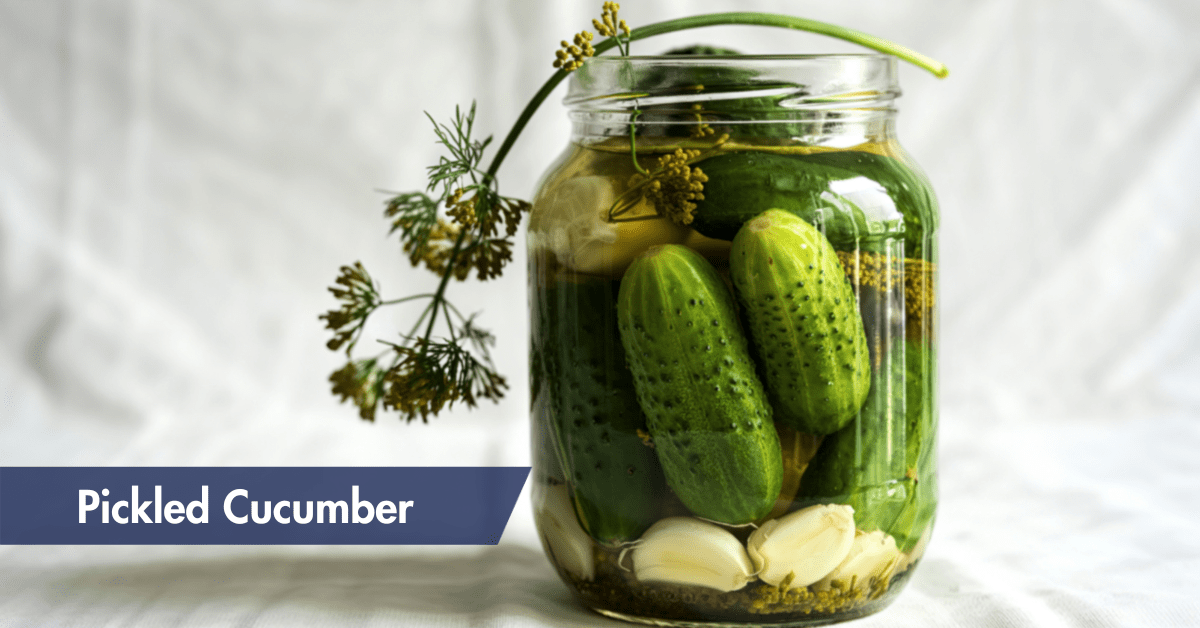
The global market for fermented and convenience foods continues its robust expansion, driven by consumer demand for distinctive flavors, texture, and health benefits. The pickled cucumber, universally known as a pickle or gherkin, stands out as a consistently high-demand product. This item’s versatility, satisfying crunch, and sour-savory profile make it an indispensable component across various culinary traditions worldwide, from quick-service restaurants to gourmet preparations. For B2B suppliers and food distributors, understanding the foundational process and global significance of the product is key to optimizing sourcing and market strategy.
The Science and Art of the Pickled Cucumber
The manufacturing of the pickled cucumber involves submerging prepared cucumbers (washed and often sliced) in a brine solution containing salt, vinegar, sugar, and various seasonings like garlic and chili. This process is followed by either rapid acidification (quick pickling with vinegar/lime) or traditional, full fermentation.
1. The Fermentation Process: Flavor and Preservation
The characteristic sourness and preserved state of the traditional pickled cucumber result from a beneficial microbial process.
- Lactic Acid Production: Beneficial bacteria generate lactic acid during natural fermentation. This acid provides the signature tart flavor, creates the desired crunchy texture, and acts as a powerful, natural preservative.
- Two Primary Methods:
- Quick Pickling (Muối Xổi): This method primarily uses acid (vinegar or lemon juice) for immediate flavor and preservation, yielding a fast-turnaround product.
- Traditional Fermentation: This relies on the slow, natural production of lactic acid, typically resulting in a more complex flavor profile and enhanced probiotic content.
2. A Global Culinary Staple: The Pickled Cucumber’s Popularity
The appeal of the pickled cucumber transcends geographic boundaries, establishing it as a universal side dish and flavor enhancer.
- Historical Roots: Originating from cucumbers cultivated in India, the art of pickling spread globally, securing its place in history as an essential food preservation technique, dating back to Medieval Europe.
- Market Diversity:
- Europe & North America: The crunchy pickled cucumber (gherkin/pickle) is ubiquitous. It is a mandatory accompaniment for burgers, hot dogs, and sandwiches, and serves as a popular snack.
- Asia (Vietnam, China, Korea): Pickled vegetables – cucumbers are fundamental daily fare, consumed with rice, stews, or as small side dishes (banchan).
Functional Benefits and Market Drivers for Pickled Cucumber
The widespread popularity of the pickled cucumber is driven not only by its sensory appeal but also by tangible health and convenience benefits, making it highly valuable in the functional food sector.
1. Unique Flavor and Textural Contrast
The combination of taste and texture ensures the product remains a culinary favorite.
- Flavor Profile: Its characteristic crisp, sour, and salty taste cuts through the richness of high-fat foods, creating crucial flavor balance, especially in modern heavy dishes.
- Textural Appeal: The firm, crunchy texture provides an essential counterpoint to soft components in sandwiches and salads.
2. Functional Health Benefits (Probiotics)
Consumer focus on gut health has dramatically increased the value of naturally fermented products.
- Probiotic Source: Traditionally fermented cucumber is a source of beneficial probiotics (live cultures), promoting a healthy gut microbiome.
- Nutrient Content: The pickling process helps preserve or enhance essential vitamins, minerals, and antioxidants found in the fresh vegetable.
3. Convenience and Preservation
Historically, pickling was crucial for long-term food preservation. Today, this translates into convenience and a reduced risk of spoilage for distributors and retailers.
- Extended Shelf Life: The natural preservative action of lactic acid and vinegar ensures a significantly extended shelf life compared to fresh produce, streamlining logistics and reducing waste.
- Versatile Use: It is effortlessly integrated into various meals, consumed directly as a snack, or used as a condiment, reflecting its flexible culinary role.
In summary, the pickled cucumber is a globally essential food item, offering a rare combination of exceptional crunch, unique flavor, historical relevance, and modern probiotic benefits. Its consistent demand makes it a reliable cornerstone product for the food industry.
Capitalize on the global and persistent demand for fermented foods. Contact us today to source high-quality, consistently crisp pickled cucumber products that meet international food safety and taste standards.