
Securing a consistent, high-quality supply chain for premium tea leaves requires partnering with a certified Black Tea Wholesale Distributor that understands global export standards and logistics. For global beverage brands, wholesale importers, food manufacturers, and large-scale packaging packers, the challenge is not merely finding loose tea leaves, but securing a reliable supply chain that guarantees consistent organoleptic profiles, strict adherence to international safety standards, and stable year-round pricing. In an agricultural market often prone to seasonal fluctuations and supply chain disruptions, establishing a direct connection with a vertically integrated distributor is the ultimate key to business scalability and long-term brand equity.
Navigating the complex global trade of agricultural commodities demands deep expertise in sourcing, quality control, and international maritime logistics. When you work with an experienced Black Tea Wholesale Distributor, you gain access to direct-from-farm sourcing, rigorous laboratory testing for chemical residues, and custom blending capabilities tailored to your specific market demands. This comprehensive B2B sourcing guide explores the essential factors of sourcing black tea in bulk, from understanding technical specifications and processing methods to optimizing packaging and managing international logistics.
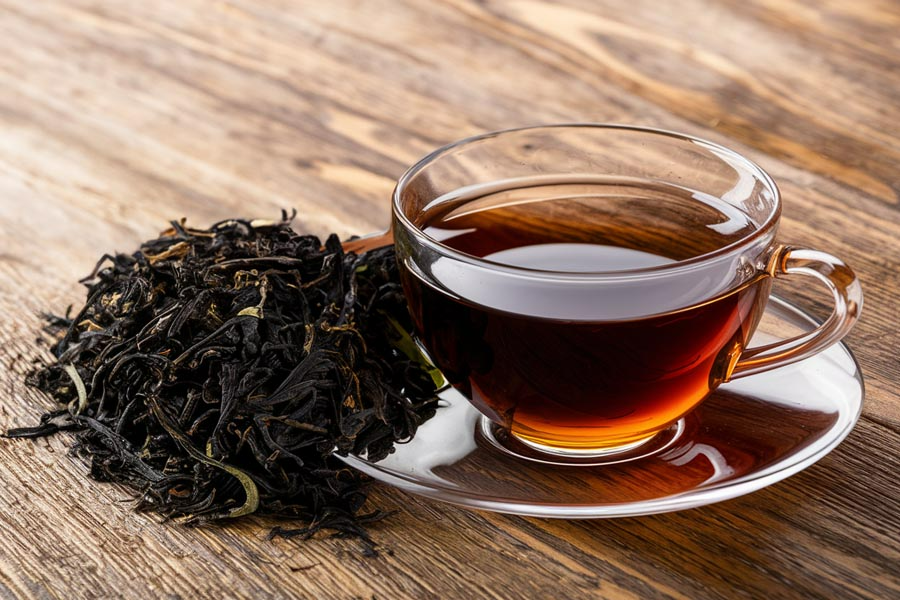 Table of Contents
- Why Partnering with a Certified Black Tea Wholesale Distributor Matters
- Understanding Black Tea Grades and Processing Methods
- Selecting the Right Grade with a Black Tea Wholesale Distributor
- Key Sourcing Regions and Market Dynamics
- Logistical Excellence and Packaging in Bulk Black Tea Distribution
- Pricing Factors and How a Black Tea Wholesale Distributor Optimizes Your Costs
- Frequently Asked Questions (FAQs)
- Conclusion and B2B Partnership Opportunities
Why Partnering with a Certified Black Tea Wholesale Distributor Matters
[IN_POST_IMAGE]In the international beverage trade, quality control is not just a marketing promise; it is a critical regulatory requirement. Governments across the European Union, North America, and East Asia enforce stringent laws regarding Maximum Residue Limits (MRLs) for pesticides, heavy metals, and microbiological contaminants in imported tea leaves. For B2B importers, failing to meet these regulatory benchmarks can lead to devastating consequences, including customs rejections, port delays, confiscation of goods, and irreparable damage to brand reputation. This is where the role of a certified Black Tea Wholesale Distributor becomes absolutely critical.
A premier distributor maintains absolute control over the entire supply chain, starting from agricultural practices at the farm level to the final export packaging. Certified distributors operate under internationally recognized quality management systems such as ISO 22000, Hazard Analysis Critical Control Point (HACCP), and GlobalGAP. These certifications serve as independent verification that the tea has been cultivated, harvested, and processed under strict sanitary conditions that minimize biological, chemical, and physical hazards. By implementing systematic traceability protocols, a distributor can trace any specific batch of tea back to the cooperative or estate where the fresh leaves were harvested, giving wholesale buyers complete peace of mind and transparency.
To ensure pesticide safety, high-caliber distributors utilize advanced testing methodologies, including Gas Chromatography-Mass Spectrometry (GC-MS) and Liquid Chromatography-Mass Spectrometry (LC-MS) through third-party accredited laboratories (such as SGS or Eurofins). These rigorous tests screen for hundreds of active chemical compounds, ensuring compliance with the destination country’s imports. Furthermore, consistent cup quality is a major operational challenge for tea brands and ready-to-drink (RTD) beverage manufacturers. Tea is a natural agricultural product, meaning its flavor, aroma, color, and chemical composition are heavily influenced by seasonal weather patterns, rainfall, soil chemistry, and harvesting intervals. A reliable wholesale partner mitigates these natural variations by utilizing professional tea tasters and master blenders who standardize the sensory profile of bulk shipments. Through precise blending of various regional crops and seasonal flushes, they ensure that every container delivered to your warehouse maintains the exact flavor profile, strength, and color your customers expect.
Understanding Black Tea Grades and Processing Methods
To make informed procurement decisions, B2B buyers must possess a thorough understanding of black tea processing methods and the complicated grading system used in international trade. The transformation of fresh green Camellia sinensis leaves into rich, aromatic black tea involves several key stages: withering, rolling (or maceration), oxidation (often historically referred to as fermentation), and drying (or firing). The precise management of these stages, particularly the oxidation process where enzymes break down polyphenols into theaflavins and thearubigins, dictates the tea’s final flavor complexity, astringency, and infusion color.
Broadly speaking, black tea is processed using one of two methods: the Orthodox method or the CTC (Crush, Tear, Curl) method. Orthodox processing is designed to preserve the physical integrity of the leaf. This gentle, multi-step process yields whole-leaf or large-broken-leaf teas that offer highly complex, nuanced flavor profiles with slow extraction rates, making them ideal for premium loose-leaf retail packaging, specialty tea shops, and upscale foodservice. Conversely, the CTC method uses specialized machines to crush, tear, and curl the leaf into small, uniform pellets. This high-efficiency processing ruptures the leaf cells completely, leading to rapid, intense oxidation. CTC teas are known for their bold, strong, and highly astringent cup profile with quick infusion times, making them the standard choice for mass-market teabags and raw material extraction in the ready-to-drink (RTD) beverage industry.
After drying, the processed tea is sorted by particle size using mechanical sifting screens. This sorting process determines the tea grade. Understanding these grades is vital when communicating your specifications to your distributor. Below is a detailed specification table outlining the primary black tea grades, their characteristics, and their standard commercial applications:
| Grade Category | Grade Name & Code | Leaf Characteristics | Infusion Color & Taste Profile | Primary B2B Application | Typical Moisture Content (%) |
|---|---|---|---|---|---|
| Whole Leaf (Orthodox) | Orange Pekoe (OP) | Long, thin, wiry leaves without tips; elegant appearance. | Light to medium amber; delicate, sweet, highly aromatic flavor. | Premium loose-leaf retail, gift tins, specialty tea brands. | < 6.5% |
| Broken Leaf (Orthodox) | Broken Orange Pekoe (BOP) | Smaller, broken leaf particles; offers balanced body and extraction speed. | Rich coppery red; medium-bodied, balanced astringency and aroma. | Standard loose-leaf blends, premium teabags, specialty brewing. | < 7.0% |
| Fannings (Orthodox / CTC) | Pekoe Fannings 1 (PF1) / Fannings | Small, grainy leaf particles; highly uniform and clean. | Deep reddish-brown; strong, bold, robust body with high astringency. | Mass-market double-chamber teabags, instant tea raw material. | < 7.0% |
| Dust (CTC) | Pekoe Dust (PD) / Dust 1 (D1) | Extremely fine tea particles; highest extraction efficiency. | Very dark, intense red-black; exceptionally strong, fast brewing. | Commercial teabags, extraction for RTD beverages, kombucha base. | < 7.5% |
Maintaining a moisture content below 7.5% is critically important during this process. Excessive moisture inside bulk packaging can trigger secondary oxidation, accelerate sensory degradation, and foster mold growth during long maritime transit. A professional distributor conducts rigorous oven-dry tests on every batch before packaging to verify that the moisture levels conform strictly to export specifications.
Selecting the Right Grade with a Black Tea Wholesale Distributor
Selecting the optimal tea grade is a balancing act between price, extraction performance, and sensory targets. When consulting with your Black Tea Wholesale Distributor, you must specify the final application of your product. For example, if you are a commercial manufacturer of bottled RTD iced teas, utilizing whole-leaf OP is economically and operationally inefficient because of its slow extraction rate and high raw material cost. Instead, selecting premium Pekoe Fannings or CTC Dust allows for rapid, high-yield extraction under industrial brewing conditions, maximizing your processing efficiency and lowering your cost-in-use. Conversely, if your target audience consists of discerning consumers seeking an artisanal tea experience, sourcing high-grade, whole-leaf Orthodox tea from premium growing regions is essential to support premium retail pricing. Working closely with an experienced exporter ensures that you receive the exact technical grade that matches your machinery, flavor expectations, and budget.
Key Sourcing Regions and Market Dynamics
The global black tea market is anchored by several legendary growing regions, each possessing unique terroirs, microclimates, and agricultural traditions that shape the character of their tea. While nations like India, Sri Lanka, and Kenya have historically dominated global volume statistics, Vietnam has rapidly emerged as a highly competitive and strategic hub for international tea sourcing. For global buyers looking to diversify their agricultural supply chains and hedge against geopolitical risks or climate-related crop failures in traditional origins, partnering with an exporter based in Vietnam offers massive strategic advantages.
Vietnam boasts an incredibly diverse geography, with fertile volcanic soils, high altitudes, and abundant rainfall in regions such as the northern mountainous provinces (including Yen Bai, Phu Tho, and Son La) and the southern central highlands (such as Lam Dong). This unique geography allows for the cultivation of both local heirloom Camellia sinensis varieties and advanced, high-yield cultivars imported from Taiwan and India. The resulting Vietnamese black teas are celebrated for their clean, sweet, and smooth profile, characterized by lower natural bitterness and astringency compared to some African or Indian CTC varieties. Furthermore, the Vietnamese government and private agricultural enterprises have invested heavily in modernizing processing facilities and implementing strict agricultural monitoring programs. This has resulted in a dramatic increase in the volume of Vietnamese tea that complies fully with rigorous European and North American pesticide residue regulations, making Vietnam a highly reliable, cost-effective origin for global brands.
In addition to geographic advantages, the market dynamics of the black tea industry are increasingly driven by a consumer-led demand for environmental sustainability and ethical labor practices. Modern B2B buyers are no longer content with simply receiving low prices; they require concrete proof that their tea is sourced ethically without exploiting local farmworkers or damaging regional ecosystems. Leading wholesale distributors address this demand by supporting smallholder farming cooperatives, implementing fair-trade practices, and utilizing agricultural methods that conserve soil health, reduce synthetic fertilizer usage, and protect local water resources. Direct-from-farm sourcing models not only guarantee fair wages for farmers but also streamline the entire supply chain by eliminating unnecessary intermediaries, transferring those direct financial savings directly to the wholesale buyer.
Logistical Excellence and Packaging in Bulk Black Tea Distribution
The journey of bulk black tea from the processing factory to an international destination is fraught with logistical hazards. Tea is a highly hygroscopic agricultural product, meaning it readily absorbs moisture, humidity, and ambient odors from its surrounding environment. If exposed to poor storage conditions, maritime humidity, or cross-contamination during transit, premium tea can easily become moldy, musty, and completely unsellable. Therefore, partnering with a Black Tea Wholesale Distributor that maintains world-class packaging and logistics standards is absolutely vital to safeguarding your investment.
Standard bulk packaging for international tea export must provide a robust barrier against moisture and environmental contaminants. The industry standard consists of multi-wall, heavy-duty Kraft paper sacks (typically 4 to 5 layers) with a food-grade polyethylene (PE) inner liner. For highly delicate, premium orthodox teas, distributors often utilize advanced high-barrier aluminum-laminated bags that offer superior protection against oxygen and light, preventing the oxidation of essential oils that give tea its delicate aroma. Depending on the density of the specific grade, standard export packaging sizes range from 20 kg to 55 kg per sack. To maximize shipping safety and facilitate easy warehouse handling, these sacks are carefully stacked onto heat-treated, ISPM-15 compliant wooden pallets and tightly secured with heavy-duty stretch wrap.
Moreover, maritime logistics require meticulous planning and execution. Prior to loading, containers must be thoroughly inspected to ensure they are completely clean, dry, and entirely free of any residual odors from previous cargoes (such as spices, chemicals, or fish meal). Distributors load dry van containers (20-foot or 40-foot FCL) and strategically position heavy-duty container desiccants (silica gel bags) inside to absorb any condensation that naturally forms when shipping vessels pass through different climatic zones and temperature fluctuations. A disciplined distributor closely monitors local shipping timetables, manages all export customs declarations, and compiles all necessary commercial shipping documents, including the Bill of Lading, Commercial Invoice, Packing List, Certificate of Origin, and Phytosanitary Certificate. This rigorous attention to administrative detail guarantees a seamless customs clearance process at the destination port, eliminating the risk of costly demurrage and storage fees.
Pricing Factors and How a Black Tea Wholesale Distributor Optimizes Your Costs
Developing a highly profitable procurement strategy requires a deep understanding of the diverse factors that influence wholesale black tea pricing. Like all agricultural commodities, tea prices are subject to global supply and demand dynamics, energy costs, labor rates, and shipping freight volatility. However, several tea-specific variables play a massive role in determining your final per-kilogram cost. By collaborating closely with your Black Tea Wholesale Distributor, you can design a strategic sourcing plan that optimizes your procurement budget and safeguards your business against unexpected market inflation.
The primary pricing driver is the harvest season, commonly referred to in the tea industry as the flush. In most Asian tea-producing regions, harvesting begins in early spring and continues through late autumn. The first spring harvest yields delicate, highly aromatic leaves that command premium prices due to their limited supply and exceptional cup quality. As the growing season progresses into the summer and autumn months, the warm weather accelerates leaf growth, resulting in higher yields but a bolder, simpler flavor profile. These mid-season and late-season harvests are significantly more affordable and are highly suitable for high-volume commercial blending, CTC production, and RTD extraction. By forecasting your annual volume requirements, you can coordinate with your distributor to secure your inventory during peak production seasons when prices are highly competitive and availability is guaranteed.
Another major factor is the procurement model you select. While spot purchasing on the open market provides short-term flexibility, it exposes your business to sudden price spikes and potential inventory shortages during periods of crop failure. To mitigate these risks, experienced B2B buyers establish long-term volume contracts (typically 6 to 12 months) with their preferred distributor. These contracts secure a fixed price and a guaranteed delivery schedule, protecting your manufacturing margins from agricultural volatility. Additionally, purchasing in Full Container Loads (FCL) rather than Less than Container Loads (LCL) significantly reduces your per-kilogram shipping costs and minimizes the risk of product damage during transit, as the container remains sealed from the exporter’s packing facility directly to your warehouse doors.
Frequently Asked Questions (FAQs)
What is the typical Minimum Order Quantity (MOQ) for importing bulk black tea?
For international B2B shipments, the standard Minimum Order Quantity (MOQ) typically ranges from 1 metric ton (1,000 kg) up to a Full Container Load (FCL). Sourcing in full container loads (such as a 20ft container, which holds approximately 9 to 11 metric tons of orthodox tea, or up to 20 metric tons of dense CTC tea) is highly recommended. Shipping FCL optimizes your ocean freight costs and significantly reduces the risk of moisture absorption and cross-contamination from other agricultural goods during sea transit.
How do you guarantee that bulk black tea remains fresh and mold-free during long ocean voyages?
To guarantee optimal freshness and prevent mold, the tea must be dried to a strict moisture content of under 7% to 7.5% before packaging. It is packed in multi-wall Kraft paper sacks lined with protective food-grade polyethylene or aluminum-laminated bags to block out humidity, air, and light. Additionally, during container loading, export-grade silica gel desiccants are strategically placed inside the container to manage humidity levels and absorb condensation caused by ambient temperature changes across oceanic shipping lanes.
Are your black tea products compliant with European and US pesticide residue regulations (MRLs)?
Yes, all export-grade black tea batches undergo comprehensive laboratory analysis to ensure full compliance with the strict Maximum Residue Limits (MRLs) established by regulatory bodies like the European Food Safety Authority (EFSA) and the US FDA. Trusted distributors work directly with farms implementing integrated pest management (IPM) practices and provide verified phytosanitary certificates, microbiological analysis sheets, and heavy-metal test results with every shipment.
Can a wholesale distributor provide customized tea blends or private-label packaging?
Yes, professional bulk distributors provide extensive value-added services, including custom blending, flavoring, and private-label packaging. Whether you require a custom English Breakfast blend, an Earl Grey infused with natural bergamot oil, or specific CTC and Orthodox ratios to meet a precise target price, a vertically integrated supplier can formulate, test, and package your products to meet your exact brand specifications.
Conclusion and B2B Partnership Opportunities
Navigating the global tea market requires more than just finding a supplier; it demands a strategic partnership with a reliable, certified, and experienced exporter. From understanding the technical differences between orthodox and CTC grades to ensuring strict compliance with international food safety certifications and managing complex maritime logistics, every step of the sourcing journey requires meticulous attention to detail. By aligning your business with a professional partner, you can successfully streamline your supply chain, safeguard your brand reputation, and optimize your procurement costs.
Whether you are a global beverage manufacturer, an expanding loose-leaf brand, or an international commodity importer, partnering with VIHABA as your dedicated Black Tea Wholesale Distributor gives your brand a powerful competitive edge. At VIHABA, we combine direct-from-farm Vietnamese tea sourcing, state-of-the-art quality control laboratories, and world-class logistics expertise to deliver premium black tea that complies with the world’s most rigorous import standards. Contact the expert team at VIHABA today to request custom product samples, review our detailed specification sheets, and receive a competitive wholesale quote tailored to your business needs.