
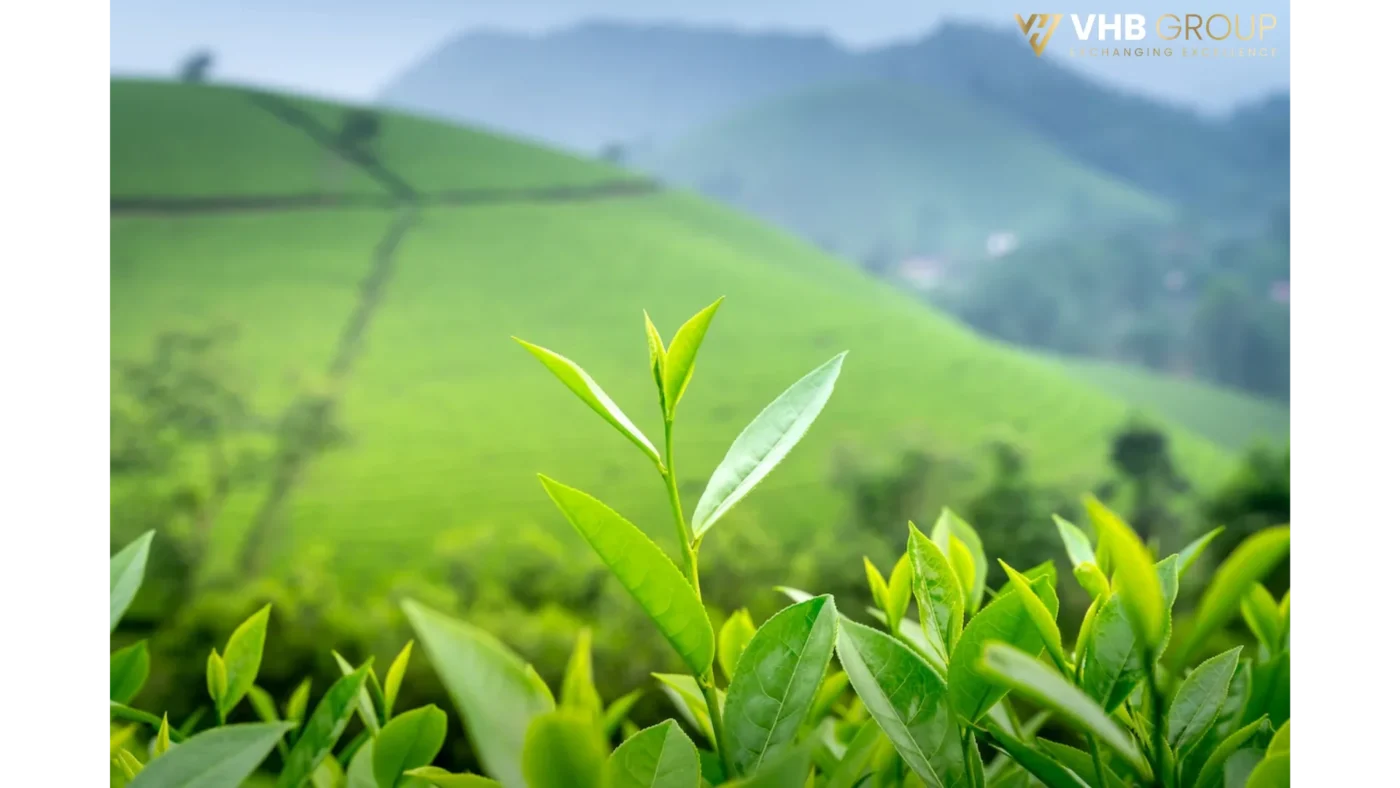
Welcome to the ultimate Bulk Green Tea International Sourcing Guide, designed to help global B2B buyers navigate the complexities of procurement, quality standards, and logistics. In the modern beverage industry, securing a consistent, high-quality, and ethical supply of tea is vital for brand reputation, consumer safety, and profit margins. As a leading agricultural exporter, VIHABA has developed this comprehensive Bulk Green Tea International Sourcing Guide to empower importers, distributors, and beverage manufacturers with the strategic insights necessary to streamline their purchasing pipelines. This resource explores agricultural sourcing, product specifications, quality certifications, logistics, and pricing trends across major production hubs, with a particular focus on Vietnam’s rich tea-growing regions.
Globally, green tea consumption continues to climb, driven by a growing awareness of health benefits, functional foods, and ready-to-drink (RTD) beverages. However, sourcing tea on a commercial scale requires a sophisticated understanding of agronomic factors, regional variations, and international import regulations. Whether you are seeking premium loose-leaf green tea for artisanal packaging or high-grade fannings for large-scale extraction, this guide will serve as your blueprint for success.
Table of Contents
- 1. Global Market Overview: Sourcing Regions and Market Trends
- 2. Key Factors in the Bulk Green Tea International Sourcing Guide
- 3. Processing Methods, Botanical Varieties, and Commercial Grades
- 4. Quality Standards, Certifications, and Compliance
- 5. Technical Specifications and Harvest Calendars
- 6. Navigating Supply Chains: A Bulk Green Tea International Sourcing Guide
- 7. Quality Assurance Checklist for the Bulk Green Tea International Sourcing Guide
- 8. Frequently Asked Questions (FAQ)
- 9. Conclusion: Partnering with VIHABA for Wholesale Success
1. Global Market Overview: Sourcing Regions and Market Trends
The global tea trade is a multi-billion dollar industry where green tea represents one of the fastest-growing segments. To implement an effective sourcing strategy, procurement managers must evaluate the primary agricultural hubs that dominate the international market. While China and Japan are historically famous for green tea, Southeast Asian countries—most notably Vietnam—have emerged as powerhouse exporters offering exceptional quality, competitive pricing, and robust supply chain resilience.
Vietnam’s unique geography, characterized by mountainous terrains, high altitudes, and rich volcanic or red basalt soils, provides the ideal agronomical conditions for growing Camellia sinensis. Key tea-producing regions in Vietnam, such as Thai Nguyen, Phu Tho, Yen Bai, and Lam Dong, benefit from subtropical climates, ample rainfall, and persistent mountain mists. These climatic features slow the growth of tea leaves, allowing them to accumulate higher concentrations of amino acids, polyphenols, and essential oils. Consequently, Vietnamese green tea is celebrated for its deep, complex flavor profiles, ranging from sweet and grassy to delightfully nutty and floral, making it a highly sought-after origin for international distributors.
Moreover, modern trade agreements such as the EVFTA (EU-Vietnam Free Trade Agreement) and CPTPP have significantly reduced tariff barriers, positioning Vietnam as an incredibly cost-effective origin for buyers in Europe, the Americas, and the Asia-Pacific region. This trade flexibility, combined with substantial investments in agricultural technology, makes Vietnam an indispensable pillar of global B2B tea sourcing.
2. Key Factors in the Bulk Green Tea International Sourcing Guide
When executing a procurement strategy, relying solely on price per kilogram is a common pitfall. A sophisticated sourcing model requires evaluating multiple ecological and agronomical variables that directly impact the final product’s organoleptic qualities, chemical profile, and shelf life.
The first critical factor is terroir—the environmental conditions in which the tea is grown. Elevation plays a massive role in tea chemistry; high-altitude plantations (above 800 meters sea level) produce tea leaves with a high concentration of L-theanine, which contributes to the sweet “umami” taste, and a balanced level of catechins (specifically EGCG), which provide antioxidant benefits and a pleasant astringency. Lowland tea, while faster-growing and more economical, tends to have higher tannin content, leading to a more bitter cup if not processed with extreme precision.
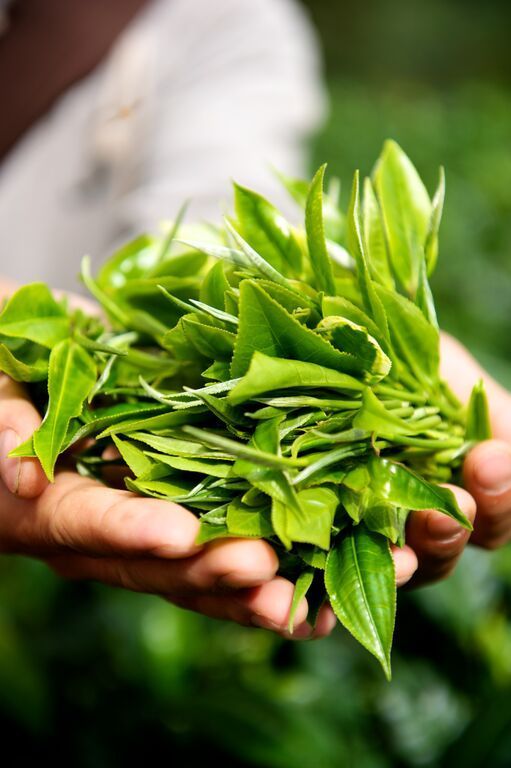
The second factor is the harvesting method. Hand-plucking (typically “one bud, two leaves”) is the gold standard of tea harvesting. It preserves the integrity of the young shoots, prevents premature bruising, and ensures a uniform moisture content, which is essential for premium loose-leaf green tea. In contrast, mechanical harvesting is highly efficient and cost-effective for mass-market grades, but it results in a higher percentage of stem and broken leaves, making it more suitable for tea extraction, RTD bottling, and tea bags. Understanding these distinctions allows buyers to match their specific product application with the appropriate agricultural practice, optimizing both budget and quality.
3. Processing Methods, Botanical Varieties, and Commercial Grades
Green tea is defined by its minimal oxidation. Unlike black tea, which is fully oxidized, green tea leaves are processed immediately after harvesting to deactivate the polyphenol oxidase enzymes, a step known as “fixation” or “kill-green” (shaqing). The method of fixation fundamentally shapes the tea’s final character:
- Steaming (Wet Heat): Widely used in Japanese-style processing, steaming preserves the chlorophyll in the leaves, resulting in a vibrant green dry leaf, a cloudy, jade-colored liquor, and a fresh, vegetal, and grassy flavor profile.
- Pan-Firing or Roasting (Dry Heat): Common in Vietnamese and Chinese processing, this method involves tossing the leaves in heated woks or rotating drums. This caramelizes the natural sugars in the leaf, resulting in a pale yellow-green liquor, a highly aromatic cup, and a sweet, toasted, and nutty flavor profile.

Following fixation, the leaves are rolled to shape them and break the cell walls, releasing the essential oils. They are then dried to a precise moisture level (typically under 6%) to prevent mold growth and ensure microbial stability. During sorting, the dry leaves are classified by size and appearance into standard commercial grades:
- Whole Leaf (OP – Orange Pekoe, Pekoe): Premium, intact leaves that offer a slow, layered release of flavor. Ideal for high-end retail, specialty tea shops, and loose-leaf packaging.
- Broken Leaf (BOP – Broken Orange Pekoe): Smaller, broken pieces of leaf that brew quickly, yielding a robust color and flavor. Frequently used in custom tea blends and premium tea bags.
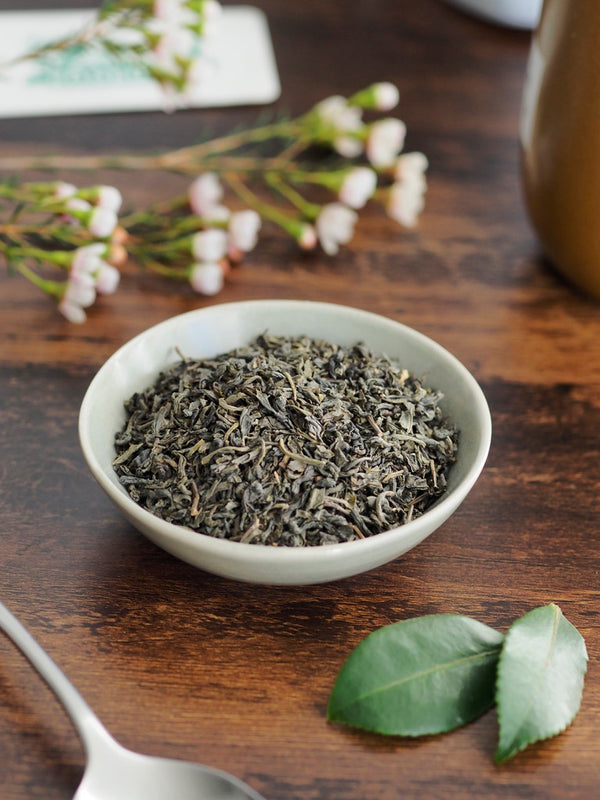
- Fannings and Dust: Very fine particles left over from the sorting process. They have a massive surface area, allowing for rapid extraction. These are the primary ingredients for high-speed tea bag packaging, instant tea powder manufacturing, and liquid extraction for the RTD beverage industry.
4. Quality Standards, Certifications, and Compliance
In the international B2B arena, quality assurance is defined by certifications and strict compliance with import regulations. Agricultural products are subject to rigorous testing by customs authorities, and any failure to meet food safety standards can result in costly shipment rejections, fines, or brand damage.
When evaluating international suppliers, buyers must prioritize partners who hold globally recognized food safety certifications. ISO 22000 (Food Safety Management) and HACCP (Hazard Analysis Critical Control Point) are fundamental baselines, ensuring that the processing facility operates under strict hygienic controls. For premium markets, certifications like GlobalGAP demonstrate a commitment to sustainable agricultural practices, environmental stewardship, and worker welfare. Furthermore, organic certifications (such as USDA Organic and EU Organic) are vital for tapping into the lucrative health and wellness consumer segments, requiring rigorous soil and leaf testing to guarantee the absence of synthetic chemical fertilizers and pesticides.
One of the most critical challenges in green tea sourcing is managing Maximum Residue Limits (MRLs) for pesticides. Different jurisdictions, such as the European Union (EFSA) and the United States (US FDA), have highly stringent, distinct guidelines regarding chemical residues. Reliable exporters like VIHABA collaborate closely with agricultural laboratories (such as SGS or Eurofins) to conduct comprehensive multi-residue pesticide screens before shipment. This level of laboratory oversight ensures that every container of bulk tea arriving at your port of entry is completely compliant, safe, and ready for distribution.
5. Technical Specifications and Harvest Calendars
To help procurement teams align their purchasing schedules and target product specifications, the following table details the key commercial parameters of bulk green tea varieties commonly sourced from high-quality origins like Vietnam:
| Tea Grade / Variety | Fixation Method | Target Moisture Content | Appearance & Color | Primary Applications | Optimal Sourcing Season |
|---|---|---|---|---|---|
| OP (Orange Pekoe) | Pan-Fired / Roasted | < 5.5% | Wiry, dark green to grayish-green leaves | Specialty loose-leaf retail, premium gifting | Spring (March – May) & Autumn (Sept – Nov) |
| Jasmine Green Tea | Pan-Fired + Scented | < 6.0% | Curled leaves with white jasmine petals | Bubble tea shops, restaurant supply, retail tins | Summer (June – August) for optimal jasmine bloom |
| BOP (Broken Leaf) | Pan-Fired or Steamed | < 5.0% | Small, uniform broken leaf particles | Pyramid tea bags, custom botanical blends | Year-round (Peak in Spring) |
| Green Tea Fannings | Steamed or Roasted | < 6.5% | Fine, granular tea particles, bright green | Standard paper tea bags, extract manufacturing | Summer & Monsoon crops (High yield) |
| Matcha / Green Powder | Steamed & Stone-Ground | < 4.5% | Ultra-fine, vibrant green powder | RTD beverages, bakery, lattes, supplements | Spring (First flush shade-grown leaves) |
Optimizing the logistical pipeline is a core component of this Bulk Green Tea International Sourcing Guide. Tea is a highly hygroscopic commodity, meaning it readily absorbs moisture, odors, and volatile compounds from its surrounding environment. Therefore, preserving product freshness and preventing degradation during long ocean voyages is paramount.
Proper bulk packaging is the first line of defense. Standard loose-leaf exports utilize multi-wall Kraft paper sacks with a Food-Grade polyethylene (PE) inner liner, which protects the tea from ambient humidity and dust. For premium, highly delicate teas, vacuum-sealed aluminum foil bags placed inside heavy-duty corrugated cartons are highly recommended to prevent oxygen-driven staling. Furthermore, shipping containers must be clean, dry, odor-free, and lined with moisture-absorbent silica poles or container desiccants to mitigate the risk of “container sweat” during temperature fluctuations across different climate zones.
When organizing shipments, understanding Incoterms is vital for risk management. Most bulk tea transactions operate on FOB (Free On Board) or CIF (Cost, Insurance, and Freight) terms. Working with an experienced exporter like VIHABA guarantees that all local customs clearance, phytosanitary inspections, and export documentation—including the Certificate of Origin, Phytosanitary Certificate, Bill of Lading, and Packing List—are prepared with absolute accuracy. This minimizes transit delays, ensuring your shipment arrives at the destination port on schedule and without unexpected demurrage fees.
7. Quality Assurance Checklist for the Bulk Green Tea International Sourcing Guide
To assist your quality control and procurement teams, implement the following structured supplier evaluation checklist before finalizing any bulk purchase agreement:
- Request Pre-Shipment Samples (PSS): Always demand a representative physical sample from the exact production lot. Conduct sensory evaluations (color, leaf shape, aroma of dry leaves, liquor color, and flavor profile) in a controlled cupping lab.
- Verify Laboratory Testing Reports: Request third-party analysis (from accredited entities like SGS, Eurofins, or TUV) checking for heavy metals (lead, arsenic), microbiological contaminants (Salmonella, E. coli, mold count), and a comprehensive pesticide residue screen tailored to your destination country’s regulations.
- Confirm Processing Certifications: Ensure the manufacturing facility holds active, validated certifications such as ISO 22000, HACCP, Halal, Kosher, or Organic where applicable.
- Evaluate Supply Chain Transparency: Ensure the exporter can trace the tea leaves back to the farm or agricultural cooperative level, providing complete peace of mind regarding ethical sourcing and social compliance.
- Assess Lead Times and Packing Capabilities: Confirm the supplier’s monthly production capacity, estimated inland transit times, ocean booking lead times, and willingness to accommodate customized B2B packaging specifications.
9. Conclusion: Partnering with VIHABA for Wholesale Success
In summary, successful green tea procurement requires a combination of agricultural knowledge, strict quality standards, and smooth logistics. By following this Bulk Green Tea International Sourcing Guide, global buyers can confidently source high-grade tea that meets their product standards, complies with regulatory requirements, and fits their budgets. Choosing a reliable, vertically integrated supplier who understands both farming and international logistics is key to ensuring a stable supply chain.
VIHABA is proud to be a trusted export partner, supplying premium Vietnamese green tea to businesses worldwide. We offer farm-to-port transparency, strict quality control, and custom packaging solutions tailored to your brand’s unique needs. Contact our B2B export team today to request pre-shipment samples, ask questions, or get a competitive wholesale quote. Let VIHABA help you grow your business with the best green tea Vietnam has to offer.