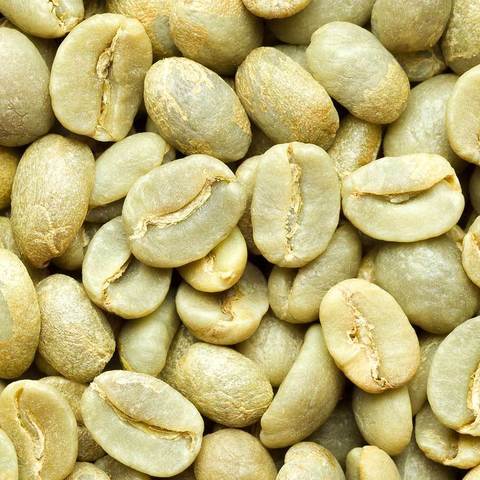
Analyzing the Green Coffee Beans Distribute Channel network provides a detailed roadmap for moving green coffee from origin processing mills across Southeast Asia, Latin America, and Africa to global commercial roasting plants, specialty micro-roasters, and beverage manufacturers. Building a resilient Route-to-Market (RTM) strategy requires navigating distinct distribution layers—including ocean freight shipping, port warehousing, spot vs. forward contract trading, and multi-channel last-mile delivery.
Optimizing these channels enables procurement directors and green coffee traders to reduce landed freight overhead, hedge price volatility against the ICE C-Market, and ensure continuous material supply.
Table of Contents
-
The Multi-Tiered Green Coffee Supply Chain
-
Direct Trade Sourcing vs. Importer Trading Houses
-
Route-to-Market Matrix Across Roaster Segments
-
Ocean Freight Logistics, Vessel Chartering, and Port Warehousing
-
Digital Traceability, Commodity Hedging, and Supply Chain Risk
-
Frequently Asked Questions (FAQ)
1. The Multi-Tiered Green Coffee Supply Chain
The global distribution network for green coffee operates through structured B2B channels designed to handle millions of metric tons annually:
[Origin Farmers & Cooperatives]
              │
              ▼
[Origin Processing Mills & Exporters]
  (Hulling, Screen Sorting, Bagging)
              │
       ┌──────┴──────┐
       ▼             ▼
[Direct Trade]   [International Import Trading Houses]
 (FCL Shipping)   (Warehousing, Spot Stock, Hedging)
       │             │
       ├─────────────┼─────────────┐
       ▼             ▼             ▼
[Mass Roasters] [Specialty]   [Instant Plants]
-
Origin Mills and Exporters: Sourcing cherry from farmers, executing dry milling (hulling, screen sizing, density sorting), and packing green coffee into jute bags or bulk containers.
-
International Import Trading Houses: Multinational commodity houses (such as Neumann Kaffee Gruppe, ECOM, and Louis Dreyfus) that import green coffee in volume, manage physical port warehousing, and provide price hedging services.
-
Direct Trade Sourcing: Direct contract purchasing between specialty roasting companies and origin washing stations, bypassing intermediate trading tiers.
-
Commercial Roasting End-Users: Commercial manufacturing plants converting green coffee into roasted whole bean, ground retail coffee, or soluble instant coffee.
2. Direct Trade Sourcing vs. Importer Trading Houses
Commercial buyers access green coffee through two primary procurement pathways:
Direct Trade Sourcing
Specialty coffee roasters establish direct annual purchasing contracts with origin exporters or cooperative unions.
-
Key Advantage: Guarantees complete lot traceability, unique single-origin flavor profiles, direct farmer relationships, and transparent pricing.
-
Trade-Off: Requires high Minimum Order Quantities (MOQs, typically 1x20ft FCL minimum), long ocean lead times (30–60 days), and full exposure to ocean transit risks.
Import Trading Houses and Local Spot Warehousing
Roasters purchase green coffee from import trading companies that maintain physical “spot” inventory in destination port warehouses (e.g., Hamburg, Antwerp, Oakland, Singapore).
-
Key Advantage: Allows roasters to purchase small lot quantities (single bags to full pallets) with rapid 24-to-48-hour local delivery, backed by importer quality guarantees.
-
Trade-Off: Higher price per kilogram due to importer financing costs, warehousing fees, and distribution margins.

3. Route-to-Market Matrix Across Roaster Segments
Different customer segments demand tailored green coffee SKUs, contract structures, and logistics setups:
| Buyer Segment | Target Customer Base | Dominant Packaging SKU | Sourcing Contract Type | Relative Channel Margin |
| Industrial Instant Plants | Soluble Coffee Manufacturers | Bulk Container Liners (21T) | Long-Term Forward Contracts | Lean Volumetric Margin |
| Commercial Mass Roasters | Supermarket Brands & Food Service | FIBC Super Sacks / 60kg Jute | Differential Hedged Contracts | Moderate Volume Margin |
| Specialty Coffee Roasters | Independent Cafes & Gourmet | 60kg Jute + GrainPro Liners | Spot Warehousing / Direct Trade | High Quality-Driven Margin |
| Ultra-Specialty Micro-Lots | Competition & Single-Origin | 30kg Vacuum Foil Boxes | Direct Trade Outright Purchase | Premium Niche Margin |
4. Ocean Freight Logistics, Vessel Chartering, and Port Warehousing
Managing green coffee ocean transit requires strict environmental controls:
Container Conditioning and Below-Deck Stowage
Steel ocean containers crossing warm equatorial routes undergo severe internal climate shifts. Exporters specify clean dry dry-van containers fitted with cardboard wall linings or thermal insulation. Importers request “below-deck” vessel stowage from ocean carriers to shelter containers from direct solar heating.
Port Warehousing and Climate Control
Upon port arrival, green coffee containers are unstripped and stacked in dedicated coffee warehouses. Ideal green coffee storage conditions require temperatures between 15°C and 20°C (59°F to 68°F) and relative humidity between 55% and 65%. Storage above 70% RH accelerates mold risk, while humidity below 50% causes green beans to lose moisture rapidly, degrading cupping scores.
5. Digital Traceability, Commodity Hedging, and Supply Chain Risk
Modern green coffee distribution channels integrate digital logistics and financial risk management tools:
-
ICE C-Market Price Hedging: Commercial importers hedge green coffee purchase contracts on the Intercontinental Exchange (ICE) C-Market using futures and options to protect against market price volatility.
-
Blockchain and QR Code Traceability: Digital logistics platforms map green coffee lots from individual origin washing stations to destination roasters, providing verified records of farm altitude, harvest dates, processing specs, and cupping scores.
Green Coffee Beans Distribute Channel FAQ
Disclaimer: Unless otherwise stated, the images used in this article are the property of their respective owners. We do not claim ownership of any third-party images featured, and they are used here strictly for informational and educational purposes. If you are the copyright holder and wish to have an image removed, please contact us.