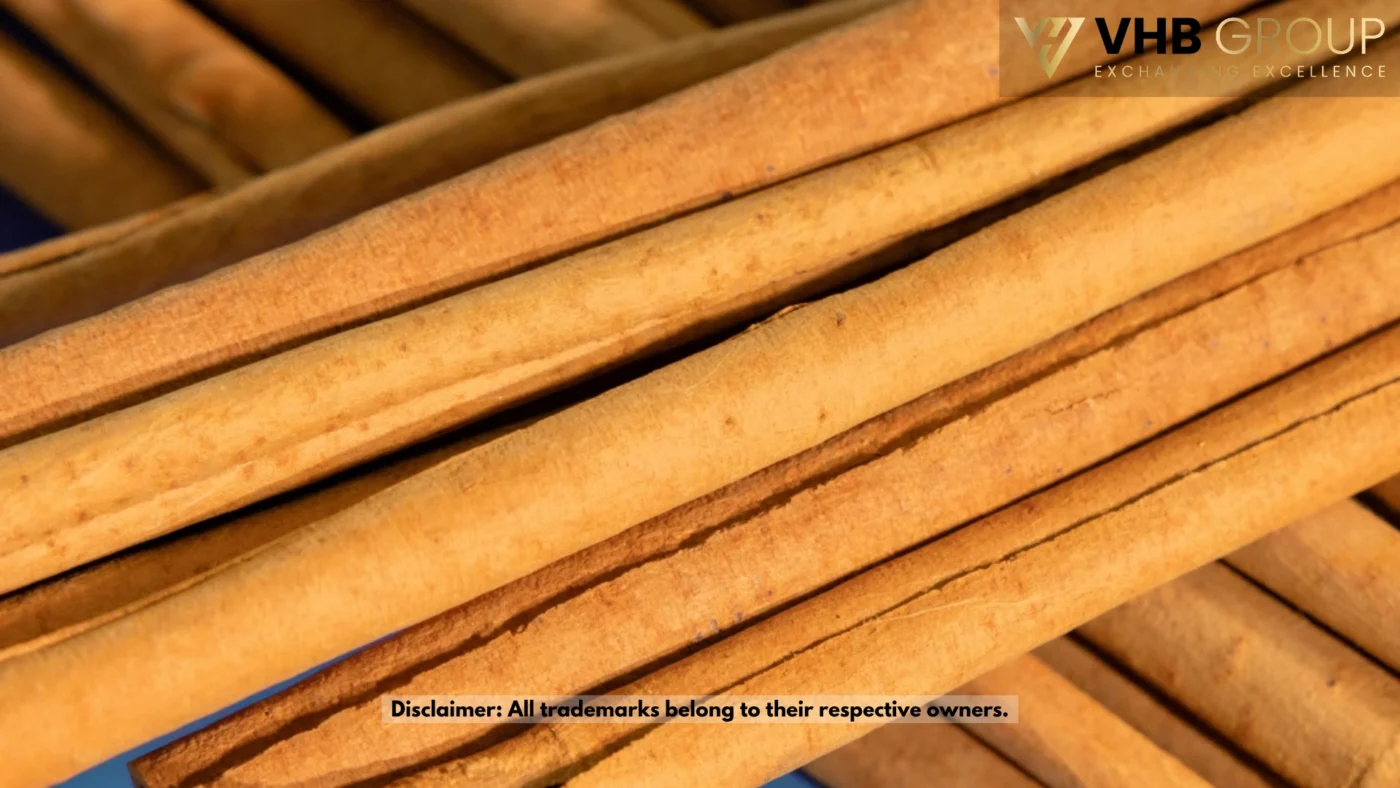
Selecting the correct Cassia Stick Cinnamon Carton SKUs Wholesale List is a critical operational step for premium spice importers, international retail grocers, and commodity distributors aiming to capture the lucrative global retail seasoning market. Because premium rolled cinnamon sticks are highly fragile and contain significant hollow space, they cannot be bagged loosely or pressed like industrial broken grades. Consequently, the export supply chain offers a highly specific range of neatly stacked, rigid corrugated cartons engineered to protect the pristine visual aesthetic of the sticks during extended ocean transit.
For global procurement teams who are currently optimizing their Cassia Stick Cinnamon Wholesale Bulk Supply import strategy, familiarizing yourself with the exact physical dimensions, metric weights, and volume configurations of these SKUs is absolutely mandatory. This knowledge allows supply chain directors to perfectly maximize ocean container payloads, prevent bark breakage, and forecast accurate gross profit margins prior to ordering.
Table of Contents
-
Understanding Core Carton Formats
-
Length Specifications and Grading
-
Master Logistics for the Cassia Stick Cinnamon Carton SKUs Wholesale List
-
How Packaging Preserves Spice Integrity
-
Conclusion
Understanding Core Carton Formats
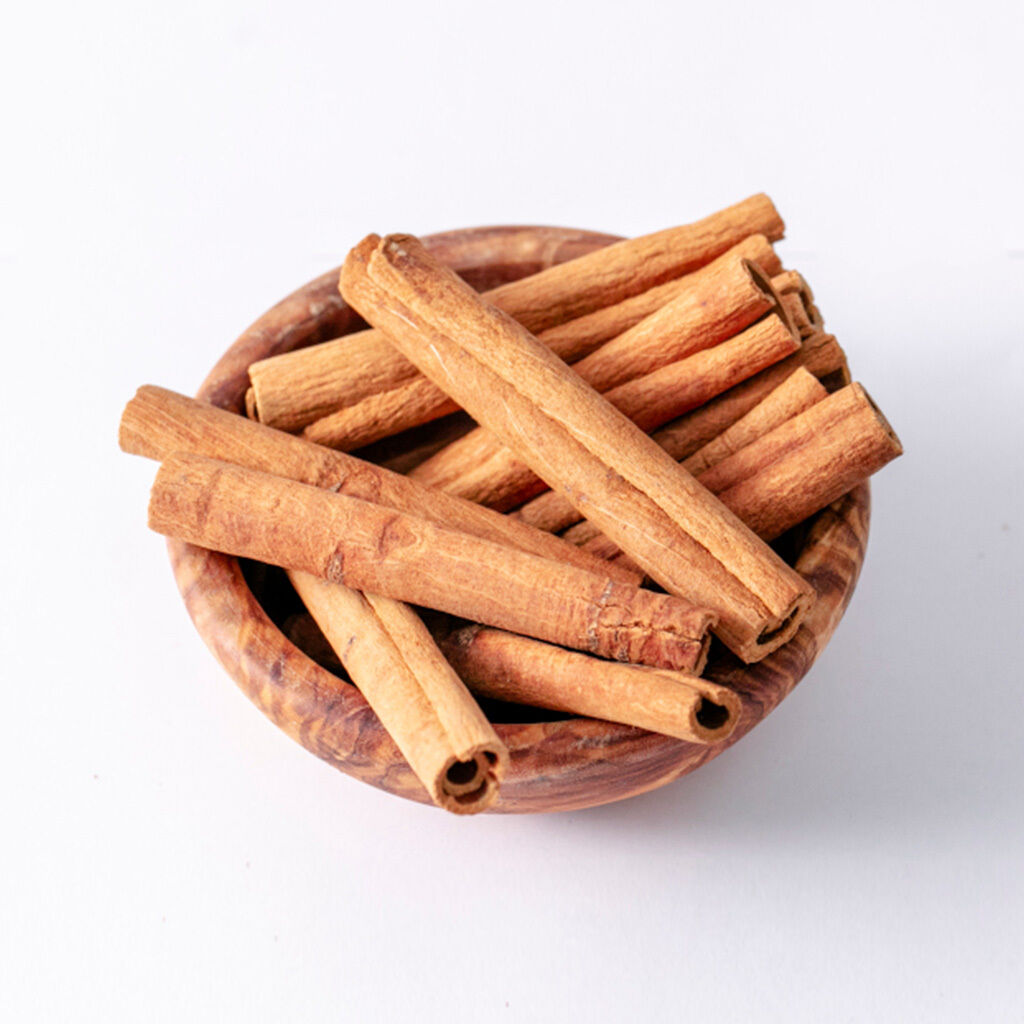
The foundation of any successful agricultural commodity portfolio begins with the core, high-turnover packaging variants. Unlike bulk industrial spices which use woven sacks, the standard export packaging for premium whole sticks strictly prioritizes crush-resistance and structural organization.
The 10kg and 15kg Neatly Packed Cartons
The absolute flagship product in this lineup is the rigid corrugated cardboard carton containing “neatly packed” (hand-stacked) sticks. Packaged in a robust format, this specific SKU contains the exact optimal volume (typically 10kg to 15kg) for manual palletization and traditional warehouse storage. Inside the carton, the sticks are meticulously laid parallel to one another in tight rows. This hand-packing method maximizes the carton’s internal density while completely preventing the sticks from tumbling, rubbing, and shattering into dust during transit.
Length Specifications and Grading
To aggressively cater to the automated retail packaging industry, the manufacturing facilities have heavily standardized their length portfolios. Integrating these specific lengths dynamically protects your retail offering and ensures the sticks fit perfectly into your consumer glass jars.
Standardized Retail Lengths
Before being placed in the cartons, the curled sticks are fed through high-speed rotary saws. Buyers must specify their required length upon ordering. The most common SKUs are:
-
8cm & 10cm Sticks: The absolute global standard for retail spice jars sold in supermarkets.
-
12cm & 15cm Sticks: Heavily preferred by the hospitality and beverage sectors for use as cocktail garnishes and coffee stirrers.

Master Logistics for the Cassia Stick Cinnamon Carton SKUs Wholesale List
When procuring premium whole commodities for retail packaging, buyers heavily rely on optimized packaging configurations. A deep understanding of these logistical formats in the Cassia Stick Cinnamon Carton SKUs Wholesale List is absolutely essential for import operations, as empty space within the hollow sticks leads to high volumetric weight.
| SKU Variant | Fill Weight | Packing Strategy | Container Payload (40ft HC) | Primary Retail Channel |
| Neatly Packed Carton | 10kg – 15kg | Hand-Stacked, High Organization | ~12 – 14 Metric Tons | Retail Spice Brands, Jars |
| Loose Packed Carton | 15kg – 20kg | Random Fill, Machine Dropped | ~10 – 12 Metric Tons | Commercial Beverage Supply |
| Custom Bundles | 1kg Bundles | Hand-Tied inside Cartons | ~12 Metric Tons | Wholesale Markets, Cash & Carry |
How Packaging Preserves Spice Integrity
The physical design of the product packaging plays a massive role in preserving the financial value of the spice. Because rolled cassia is sold on its visual perfection, any physical breakage drops the grade (and value) of the stick to that of cheaper “broken cassia” instantly.
If the spice is shipped loose in bags, the friction of ocean transit causes the sticks to shatter and rub off their valuable essential-oil-rich outer layers as dust. Utilizing neatly packed, rigid corrugated cartons completely neutralizes this risk by immobilizing the sticks. Furthermore, internal plastic carton liners halt essential oil evaporation and prevent mold development by keeping ambient marine humidity out of the carton. This ensures that the retail packer receives a product that is visually stunning and aromatically intact.
Conclusion
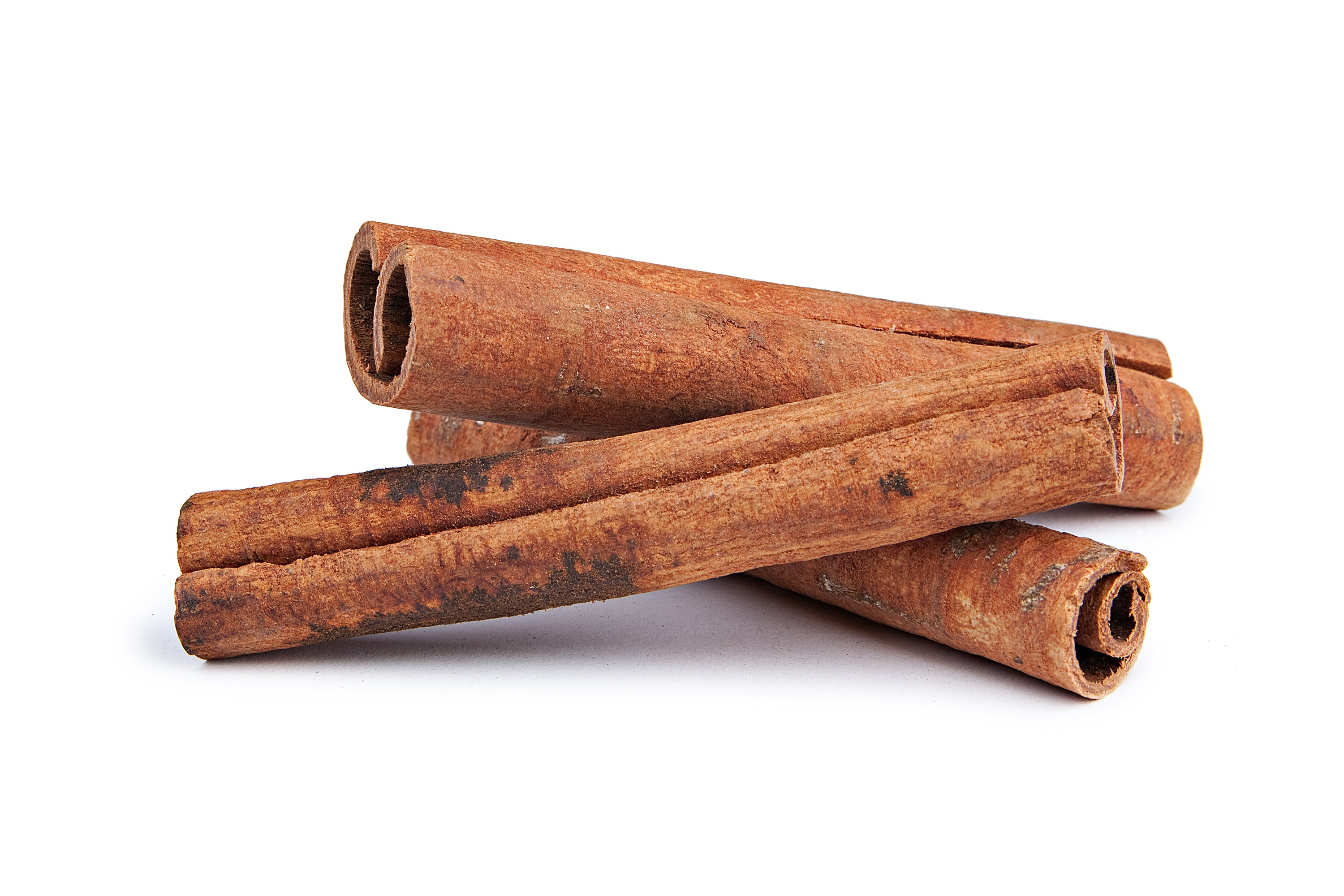
Mastering the catalog of available export packaging is the baseline for executing a highly profitable international agricultural import strategy. By understanding the distinct physical and commercial differences between loose-packed and neatly hand-stacked cartons, distributors can selectively curate perfect container loads that guarantee the preservation of delicate visual aesthetics while maximizing ocean freight economics. To optimize your wholesale inventory and secure the best FOB pricing, reach out to your designated agricultural consolidator today.
Cassia Carton SKUs FAQ
Disclaimer: Unless otherwise stated, the images used in this article are the property of their respective owners. We do not claim ownership of any third-party images featured, and they are used here strictly for informational and educational purposes. If you are the copyright holder and wish to have an image removed, please contact us.