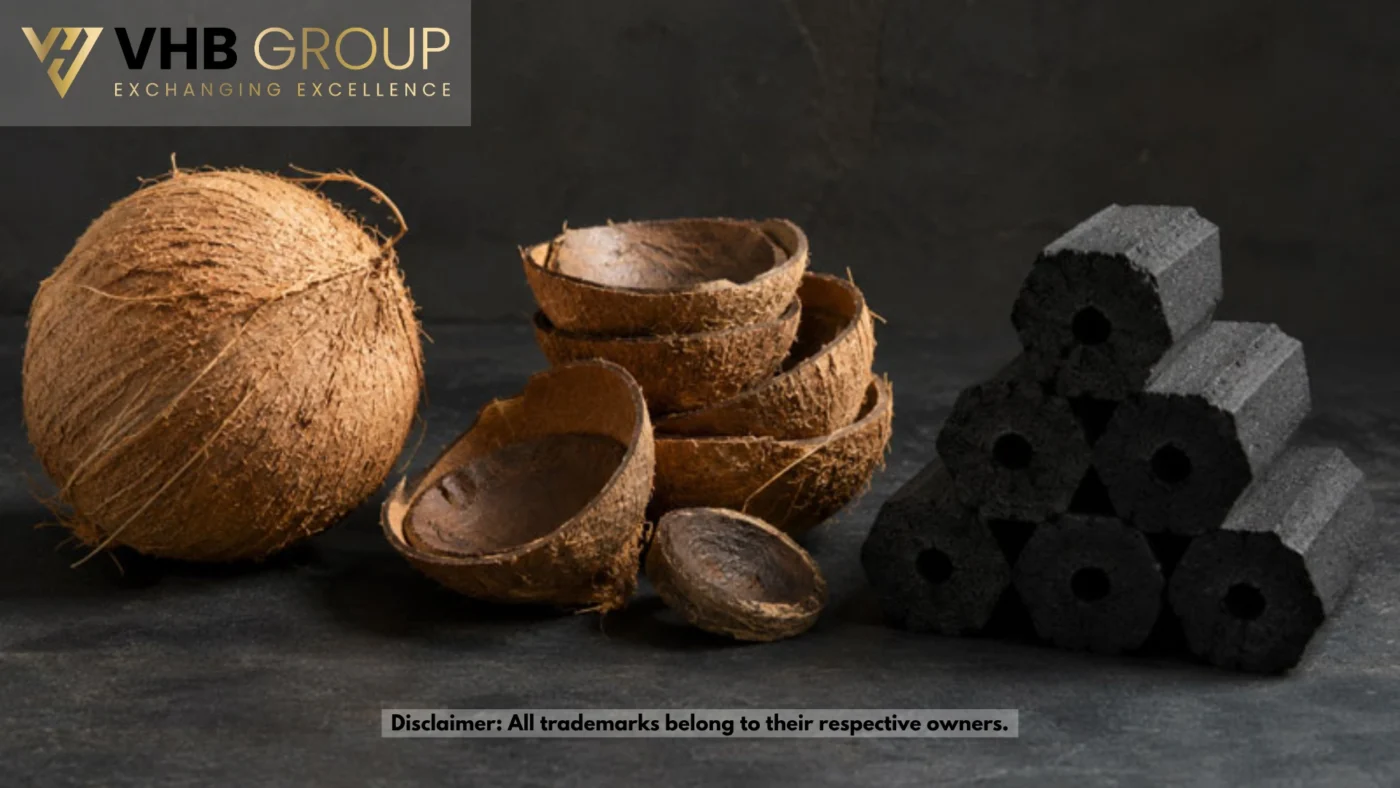
Understanding the exact Coconut Shell Charcoal Heat & Burn Facts is absolutely essential for commercial BBQ caterers, international shisha lounge directors, and fuel buyers who want to comprehend why this specific botanical variant dictates the global premium charcoal economy. Unlike standard hardwood lump charcoal which sparks, burns unevenly, and leaves massive amounts of ash, coconut shell briquettes are meticulously carbonized, crushed, and extruded to provide a highly concentrated, dense carbon matrix that serves as the economic backbone of high-end, smokeless heating applications.
For international procurement teams and supply chain managers looking to capitalize on this immense global demand, reviewing the operational logistics of the wholesale supply chain is the mandatory next strategic step. However, before investing in bulk container loads, buyers must fully understand the physical, chemical, and thermal components that make this specific grade the most heavily utilized premium briquette across commercial hospitality sectors.
Table of Contents
-
Core Botanical Profile and Lignin Density
-
The Carbonization and Tapioca Binder Matrix
-
Thermal Profile: Essential Coconut Shell Charcoal Heat & Burn Facts
-
Chemical Breakdown and Ash Synergy
-
Conclusion

Core Botanical Profile and Lignin Density
When analyzing the massive commercial success of this globally traded commodity, the primary differentiator lies in the precise botanical structure of the coconut shell (endocarp).
View Coconut Shell Structure Reference on Wikimedia Commons
Unlike softwoods or agricultural straw, the mature coconut shell possesses an incredibly high concentration of lignin and cellulose. When subjected to pyrolysis (burning in the absence of oxygen), this tough, woody shell converts into a highly dense, micro-porous carbon structure. This inherent density is the foundational reason why coconut charcoal contains more stored caloric energy per cubic centimeter than almost any other natural wood charcoal, allowing it to burn significantly hotter and longer.
The Carbonization and Tapioca Binder Matrix
A critical element within the thermal profile is the crop’s unique requirement for precision carbonization and 100% natural chemical binding.
View Charcoal Carbonization Process Reference on Wikimedia Commons
Unlike cheap “quick-light” charcoals that are soaked in toxic liquid accelerants (like sulfur or petroleum nitrates), premium coconut charcoal is strictly 100% natural. After the raw shells are carbonized into charcoal, they are crushed into a fine dust. To press this dust into precise cubes or hexagons, a binder is required. Premium factories utilize natural tapioca starch (cassava starch) mixed with water. Because tapioca is a pure, food-grade carbohydrate, it binds the carbon dust securely without imparting any chemical odor or foul taste when the briquette is eventually burned, making it perfectly safe for both indoor shisha smoking and outdoor grilling.

Thermal Profile: Essential Coconut Shell Charcoal Heat & Burn Facts
The most distinctive physical characteristic of the briquette upon ignition is its complete lack of sparking, followed by a steady, intense, and entirely smokeless glowing heat.
Balancing High Heat, Long Duration, and Zero Odor
The Coconut Shell Charcoal Heat & Burn Facts matrix is heavily characterized by its extreme Fixed Carbon levels. Premium export grades typically feature a Fixed Carbon content exceeding 75% to 80%. Because the volatile matter (the gases that cause smoke and flames) has been completely burned off during the factory baking process, the briquette burns with virtually zero smoke. In a shisha bowl, a standard 25mm cube will burn consistently for 90 to 120 minutes, while large hexagonal BBQ logs can burn for up to 4 to 5 hours, drastically reducing fuel replenishment labor for commercial kitchens.
Chemical Breakdown and Ash Synergy
To fully grasp the commercial appeal, hospitality facilities and fuel distributors must analyze the macro-chemical profile. The briquette is carefully calibrated by nature and the factory ovens for optimal thermal delivery and minimal waste.
| Chemical Component | Content Percentage (Premium Grade) | Primary Function in Burning Application |
| Fixed Carbon | > 75% – 82% | The core fuel; dictates the intense heat value (>7000 kcal/kg) and burn duration. |
| Volatile Matter | < 12% – 15% | Kept extremely low to prevent sparking, sudden flare-ups, and acrid smoke. |
| Moisture Content | < 5% | Baked out in industrial ovens to ensure rapid, even ignition without cracking. |
| Ash Content | < 2.5% | Leaves minimal, white/grey dust, ensuring the ash doesn’t choke the fire or ruin shisha flavor. |
Conclusion
Mastering the foundational botanical and thermal facts is the definitive key to understanding its unstoppable global commercial velocity in mass-market hospitality. From the careful management of natural coconut lignin density to the precision mechanics of tapioca-starch binding and moisture removal, every single element of the coconut charcoal briquette is designed to deliver a highly functional, perfectly consistent, and smokeless experience. For international distributors and commercial kitchens, stocking this authentic agricultural fuel guarantees access to a highly liquid, highly profitable supply chain. Contact your preferred procurement partner today to secure your wholesale agricultural allocation.
Coconut Shell Charcoal Heat Facts FAQ
Disclaimer: Unless otherwise stated, the images used in this article are the property of their respective owners. We do not claim ownership of any third-party images featured, and they are used here strictly for informational and educational purposes. If you are the copyright holder and wish to have an image removed, please contact us.