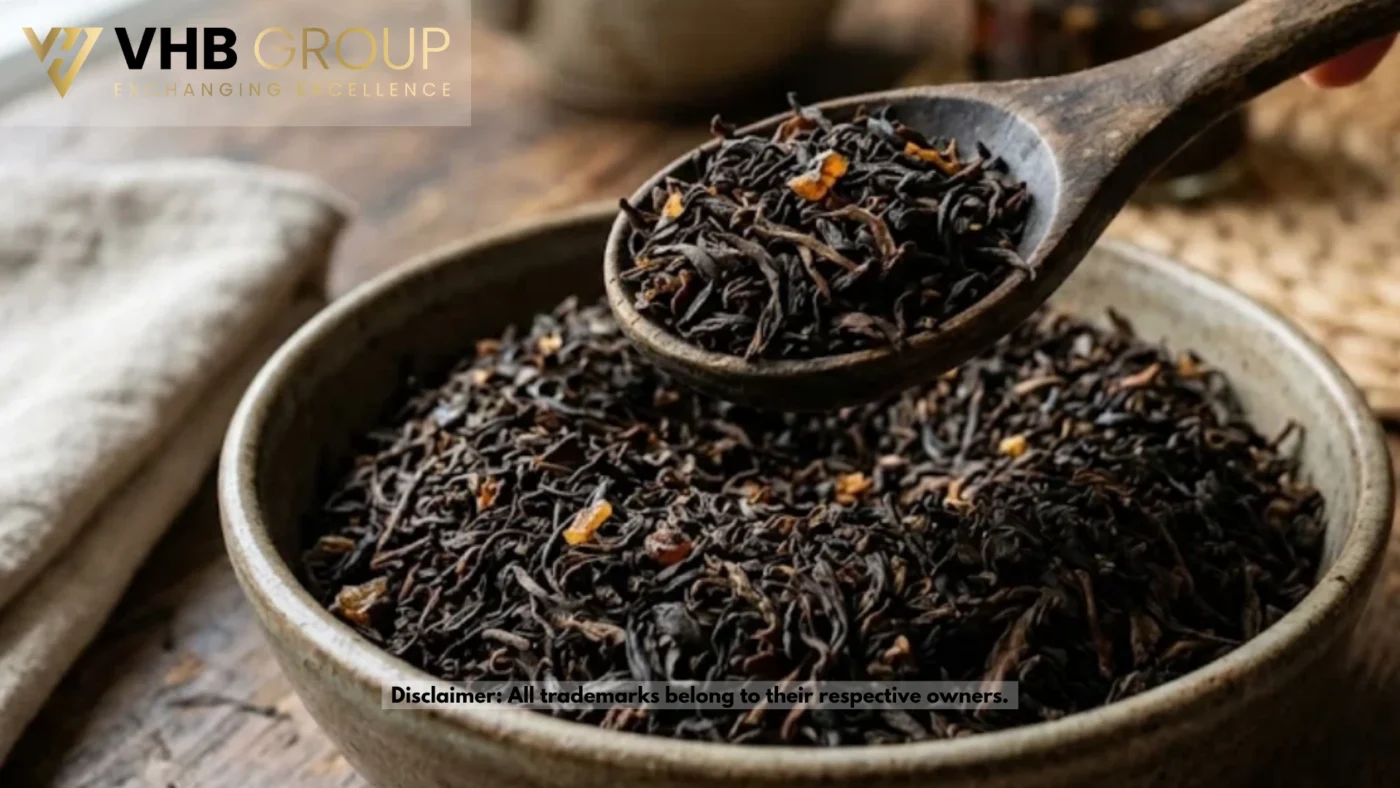
Tracing the exact Black Tea Leaves Sourcing Origin Specifications is a fundamental requirement for beverage importers, quality assurance directors, and international supply chain managers. Understanding exactly where the raw Camellia sinensis leaves are cultivated, harvested, rolled, and fully oxidized highlights why specific high-altitude Asian and African agricultural belts command absolute dominance over the global premium and commercial tea market. The unique combination of massive mountain terroirs, multi-generational farming networks, and highly mechanized processing factories creates a highly traceable, premium supply chain.
For procurement executives managing bulk container shipments through wholesale networks, complete transparency regarding the origin of the harvest is crucial for passing stringent international border regulations (especially regarding pesticide residues) and securing consumer trust in high-end retail markets. This guide breaks down the agricultural and industrial supply chain that fuels the world’s most highly demanded oxidized tea.
Table of Contents
-
The Agricultural Core of Tea Sourcing
-
Rolling, Oxidation, and Processing Factories
-
Tracing Regions: India, Sri Lanka, and Kenya
-
Why Origin Specifications Matter for Importers in Black Tea Leaves Sourcing Origin Specifications
-
Conclusion
The Agricultural Core of Tea Sourcing
When evaluating the supply chain, the journey involves massive, mist-shrouded, high-altitude agricultural belts across South Asia and the African Rift Valley. Unlike lowland crops, premium black tea relies heavily on “terroir”—the specific combination of soil chemistry, monsoon rains, and temperature fluctuations that force the broad-leaf assamica varietal to develop massive concentrations of polyphenols and robust flavor compounds.
View High Altitude Tea Plantation Reference on Wikimedia Commons
High-Altitude Plucking and Monsoon Harvests
The global market prioritizes tea sourced explicitly from high-elevation estates or massive, highly efficient equatorial plains. By sourcing directly from highly productive regional farming collectives (such as those in Assam, India or the Kenyan Highlands), manufacturers are guaranteed an unparalleled supply of leaves. For premium Orthodox tea (like Darjeeling), the leaves are strictly hand-plucked (“two leaves and a bud”). For mass-market CTC (Crush, Tear, Curl) tea, mechanical harvesters are frequently employed to rapidly process massive tonnage.
Rolling, Oxidation, and Processing Factories
The raw leaves only form the first step; the immediate, localized oxidation and processing forms the critical second half of the journey.
View Industrial Tea Factory Reference on Wikimedia Commons
Advanced Oxidation and CTC Processing Hubs
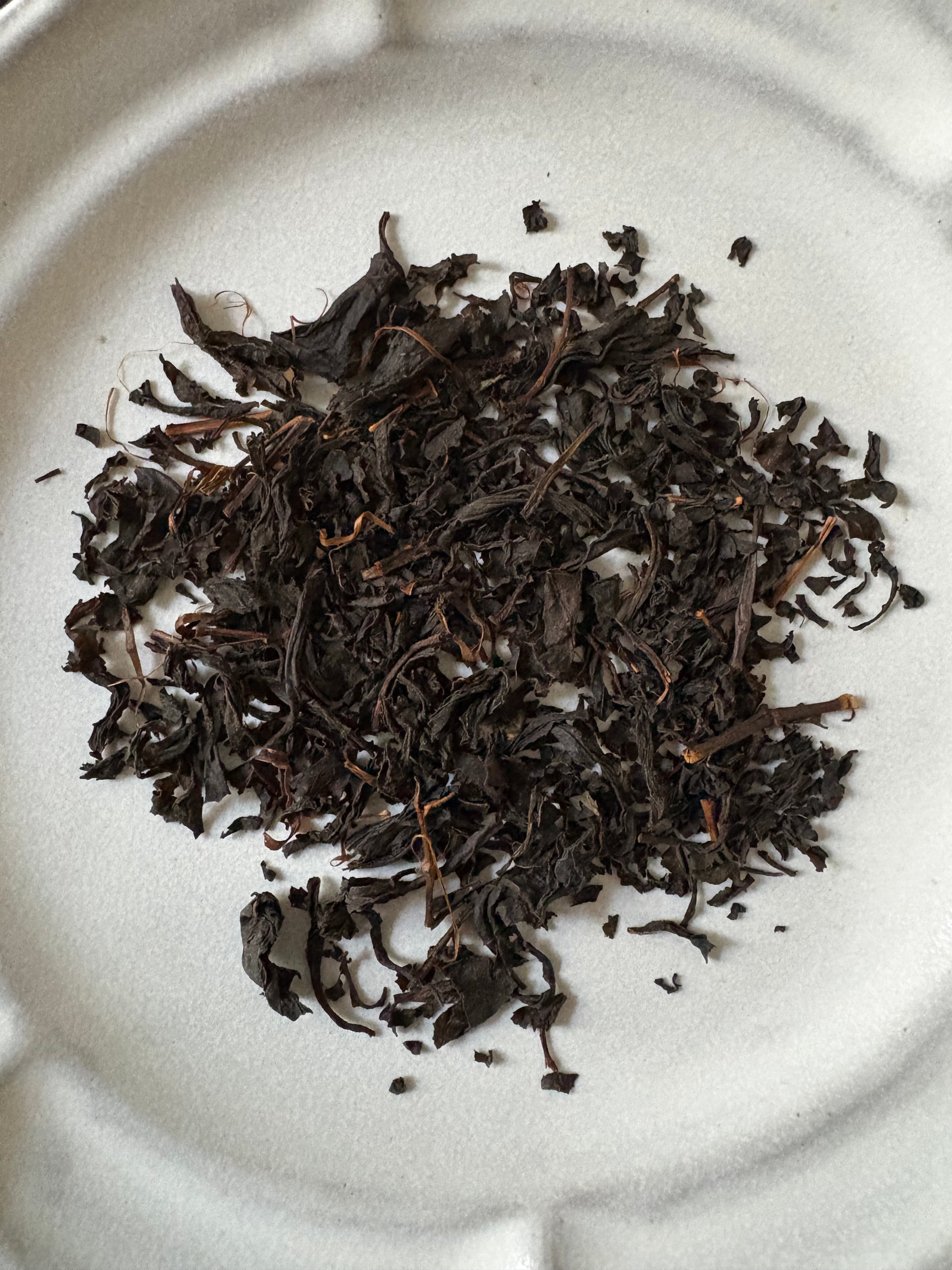
The heart of premium export production takes place in highly sanitized, massive processing factories located directly on the tea estates. Because plucked leaves begin deteriorating immediately, they must reach the factory within hours. Here, the leaves are spread on massive racks with industrial fans to wither (reducing moisture by roughly 50%). They are then either gently rolled by brass tables (Orthodox method) or fed through massive, spiked cylindrical rollers (CTC method). This bruising exposes the enzymes to oxygen. The leaves are laid out in highly humid, climate-controlled rooms to fully oxidize, turning copper-brown. Finally, they are passed through massive hot-air drying ovens (around 90°C) to halt oxidation and lock the moisture below 5%. The dry tea is sorted by size via vibrating mesh screens, packed into bulk sacks, and staged for global export.
Tracing Regions: India, Sri Lanka, and Kenya
While tea is grown in dozens of countries, the fully oxidized export commodity is sourced through highly specialized, culturally historic regional supply chains.
| Sourcing Region | Primary Geography | Agricultural and Export Characteristics |
| India | Assam, Darjeeling, Nilgiri | The undisputed giant of robust black tea. Assam produces massive volume of heavy, malty CTC tea ideal for milk/Chai. Darjeeling produces ultra-premium, light, and fruity Orthodox leaf. |
| Sri Lanka (Ceylon) | Nuwara Eliya, Dimbula | Specializes in bright, crisp, and citrusy Orthodox teas. Highly prized globally for iced tea formulations due to its incredible clarity when chilled. |
| Kenya | Great Rift Valley | The world’s largest exporter of black tea by volume. Highly mechanized, specializing almost exclusively in fast-brewing, bright-red CTC fannings for the global tea bag industry. |
| China | Yunnan, Fujian | Historically famous for distinct, sweet, and smoky black teas (like Lapsang Souchong or Keemun), primarily catering to the premium loose-leaf market rather than industrial CTC. |
Why Origin Specifications Matter for Importers in Black Tea Leaves Sourcing Origin Specifications
For B2B buyers, understanding the Black Tea Leaves Sourcing Origin Specifications and logistical path is an absolute operational requirement for passing international border control and meeting the extreme health targets of modern retail venues.
When clearing international ocean freight, importers must provide verified Certificates of Origin (COO), Commercial Invoices, and crucially, Phytosanitary Certificates issued by the origin government (e.g., the Tea Board of India or Kenya). However, the most critical specification for tea is Pesticide Maximum Residue Limits (MRLs). Major markets like the European Union and the United States FDA hold incredibly strict MRL standards for imported agricultural leaves. Knowing that the product is processed in globally audited, export-certified factories that conduct pre-shipment SGS lab testing entirely eliminates the risk of cargo rejection or destruction at the destination port, ensuring smooth inventory turnover and absolute brand safety.

Conclusion
Total visibility into the origin of your agricultural supply chain empowers commodity distributors with absolute confidence in the quality, safety, and sensory performance of their imported beverage inventory. By combining ideal high-altitude terroir with meticulous oxidation control and strict pesticide-residue compliance out of major global hubs, the supply chain delivers a perfectly standardized, aesthetically perfect product built for global premium export. For international procurement teams aiming to leverage this highly lucrative supply chain, partner with an established agricultural export consolidator today to secure your wholesale shipments.
Black Tea Origin Specs FAQ
Disclaimer: Unless otherwise stated, the images used in this article are the property of their respective owners. We do not claim ownership of any third-party images featured, and they are used here strictly for informational and educational purposes. If you are the copyright holder and wish to have an image removed, please contact us.