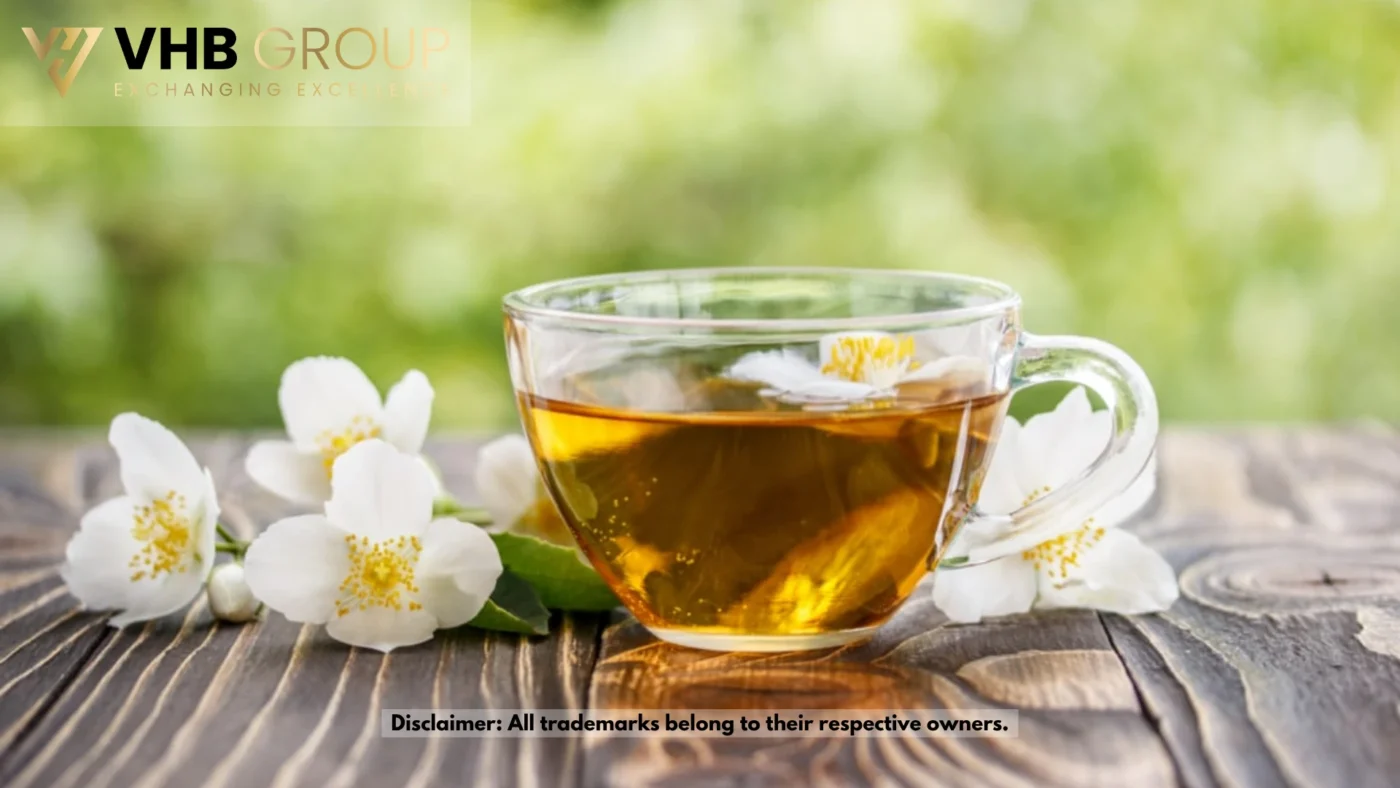
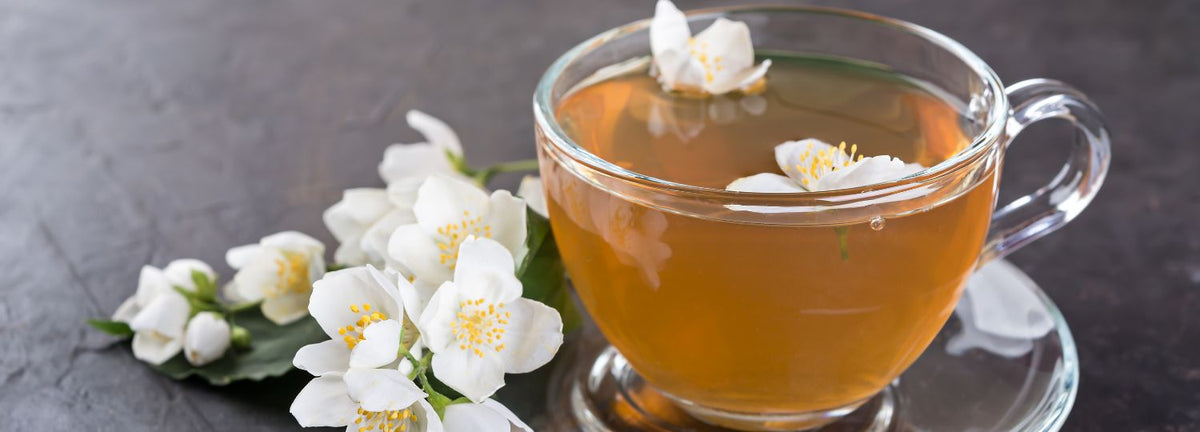
Sourcing a Jasmine Tea Bulk Wholesale Export Supply line provides international supermarket chains, regional specialty tea distributors, commercial beverage bottlers, and FMCG trading partners with a highly lucrative revenue engine in the global agricultural and beverage sector. Cultivated and scented heavily in the historic agricultural belts of Fujian and Guangxi in China, as well as premium zones in Taiwan, authentic jasmine tea is globally renowned for its intoxicating floral aromatics, delicate green tea base, and immense popularity in Asian dining and RTD (Ready-To-Drink) applications, distinguishing it as a premium staple in the commercial wellness and hospitality market.
For B2B procurement managers and supply chain directors working with global manufacturing partners, managing full container load (FCL) consignments of wholesale jasmine tea requires carefully evaluating product variants (Jasmine Pearls, Silver Tip/Yin Hao, Commercial Fannings), specific packaging configurations (retail vacuum pouches vs. massive 20kg Kraft paper sacks), ocean container moisture limits, and strict international phytosanitary customs clearance protocols. This technical guide evaluates the operational, financial, and logistical frameworks necessary to establish a highly profitable import and distribution model for this globally demanded botanical blend
.
Table of Contents
-
Global Market Demand for Scented Teas
-
Product Portfolio Breakdown
-
Processing Chemistry and The Scenting Process
-
Packaging Configurations and Freight Density
-
B2B Sourcing Pathways for Jasmine Tea Bulk Wholesale Export Supply
-
Landed Cost and Gross Margin Calculation Framework
-
Import Compliance, Harmonized System Codes, and Customs Documentation
-
Conclusion
Global Market Demand for Scented Teas
The global tea market relies fundamentally on flavored and scented green teas to bridge the gap between traditional tea drinkers and modern consumers seeking aromatic, approachable flavor profiles. Jasmine tea commands a massive market volume globally and offers unmatched export liquidity due to highly efficient, culturally historic scenting sectors in countries like China, which act as the absolute dominant exporter of authentic (naturally scented) jasmine tea for both mass-market and boutique consumption.
Growth Drivers in the Market
The continuous growth in the jasmine tea sector is heavily driven by the booming bubble tea (boba) industry, global Asian restaurant networks, and the RTD bottled tea market. Commercial bottlers and boba franchises require massive tonnage of industrial-grade jasmine green tea for extraction, while boutique tea houses demand pristine, hand-rolled Jasmine Pearls (Mo Li Long Zhu) for premium loose-leaf brewing.
Commercial Advantages
Adding bulk jasmine tea to a B2B distribution catalog delivers distinct commercial advantages:
-
High Consumption Velocity: Jasmine tea is the default beverage for thousands of Asian culinary establishments globally, driving relentless, massive-volume replenishment orders.
-
Dual-Tier Market: A single supplier can provide low-cost, lightly scented fannings for commercial extraction alongside ultra-premium, multi-scented pearls, capturing all retail tiers.
-
Premium Import Margin Value: Because the Asian supply chain operates on highly centralized agricultural hubs, the Free On Board (FOB) acquisition costs for commercial grades yield excellent gross profit margins per ocean container.

Product Portfolio Breakdown
Curating an optimal inventory mix requires selecting the right combination of tea leaf grades and scenting intensities tailored to target culinary and brewing applications.
Core Grading SKUs
When structuring a container load, the tea specification is governed by its base leaf quality and scenting repetition:
-
Jasmine Pearls (Mo Li Long Zhu): The ultra-premium export format. Tender green tea shoots are hand-rolled into tight pearls and scented up to six times with fresh jasmine blossoms. The pearls unfurl dramatically during brewing.
-
Silver Tip / Yin Hao: A premium loose-leaf grade containing a high ratio of downy, white tea buds mixed with high-quality green tea, providing a sweet, delicate infusion with an intense floral aroma.
-
Commercial Jasmine Green (Fannings/Broken Leaf): The backbone of the boba and RTD industry. Broken green tea leaves scented lightly, designed for rapid, astringent extraction to hold up against milk and sugar syrups.
Processing Chemistry and The Scenting Process
The formulation found in this commercial beverage achieves its signature aromatic profile not through synthetic sprays, but through engineered botanical absorption.
The Traditional Scenting (Pouchong) Process
The manufacturing process relies on the highly hygroscopic (odor-absorbing) nature of baked green tea leaves. In late summer, when Jasminum sambac flowers bloom, they are harvested in the afternoon while tightly closed. As night falls, the flowers pop open, releasing massive amounts of volatile essential oils. In the factory, alternating layers of dry green tea and fresh jasmine blossoms are stacked. Throughout the night, the dry tea absorbs the moisture and floral oils from the blossoms. The next day, the wilted flowers are meticulously sifted out, and the tea is re-baked to remove the absorbed moisture. For premium grades, this intense labor process is repeated up to six or seven times with fresh batches of flowers.
Packaging Configurations and Freight Density
When managing ocean shipments, physical logistics heavily dictate profitability. Products are packaged in retail foil pouches, nylon pyramid bags, or massive multi-ply Kraft paper sacks, and tightly floor-loaded or palletized to maximize maritime payloads.
Ocean Payload Yields
Understanding the exact packing specifications is critical for calculating freight costs:
| Packaging SKU Format | Standard Net Weight | Commercial Format Strategy | Container Payload (40ft High Cube) | Primary Distribution Channel |
| Retail Foil/Tin | 100g – 250g | Vacuum-sealed foil in Tin or Box | ~10 – 12 Metric Tons | Supermarkets, Tea Shops |
| Boba/Catering Bag | 500g – 1kg | Thick metallized zip-lock pouch | ~12 – 14 Metric Tons | Bubble Tea Shops, HORECA |
| Bulk Kraft Paper Sack | 20kg – 30kg | Multi-ply Kraft paper sack with PE liner | ~15 – 18 Metric Tons | Industrial Bottlers, Blenders |
B2B Sourcing Pathways for Jasmine Tea Bulk Wholesale Export Supply
Commercial buyers access wholesale inventory through primary procurement channels in China and Taiwan. Independent beverage brands, tea distributors, and agile import firms typically source via master agricultural consolidators operating out of major ports in China (Fuzhou, Xiamen, Shanghai) or Taiwan (Keelung). Consolidators offer highly flexible volumes, handling complex export logistics, pesticide testing, and port-of-loading transfers.
Landed Cost and Gross Margin Calculation Framework
Procurement teams must accurately forecast their financials before executing a purchase order. Calculating net landed unit costs involves applying a structured, multi-step financial calculation process.
Step-by-Step Financial Breakdown
-
Step 1: Calculate Ocean Freight Charges (strictly utilizing 40ft High Cube containers; dried tea is extremely low-density and will “cube out” long before hitting weight limits) + Origin Port Fees + Import Customs Duties + Marine Cargo Insurance.
-
Step 2: Add the Total Shipping Overhead to the Free On Board (FOB) Purchase Price per Carton/Sack.
-
Step 3: Divide the Total Landed Cost by the exact metric tonnage or retail bag count to find the true cost of goods sold (COGS).
Import Compliance, Harmonized System Codes, and Customs Documentation
Clearing agricultural leaf exports through international maritime channels is highly regulated to prevent pest transmission and chemical residue violations. Securing your shipments requires flawless documentation verified by accredited testing laboratories.
Essential Export Documentation Suite
-
Phytosanitary Certificate: Absolutely Critical. Issued by the origin country’s Ministry of Agriculture, proving the raw leaves are free from insects and biological contaminants.
-
Commercial Shipping Documents: Master Bill of Lading (B/L), Commercial Invoice, Detailed Packing List, and a Certificate of Origin (COO).
-
Harmonized System Classification: For customs declaration, jasmine-scented green tea is classified under HS Code 0902.10 (Green tea, not fermented, in immediate packings of a content not exceeding 3 kg) or 0902.20 (for bulk over 3kg).
-
Pesticide MRL Testing: Importers must ensure the factory provides lab results proving the tea falls below Maximum Residue Limits (MRL) for agricultural pesticides (which applies to both the tea leaves and the jasmine flowers used in scenting).
Conclusion
Mastering the procurement of bulk jasmine tea is the definitive key to unlocking massive profit margins in the commercial beverage, hospitality, and RTD sectors. From the meticulous night-scenting process that yields deep, authentic aromatics to the precision engineering of vacuum packaging and strict maritime phytosanitary compliance, every single element of this commodity is designed to deliver a highly functional, perfectly aromatic brewing experience. For international distributors and commercial blenders, stocking this authentic agricultural product guarantees access to a massive, highly reliable market. Contact your preferred procurement partner today to secure your wholesale allocation and optimize your beverage supply chain.
Jasmine Tea Bulk Wholesale FAQ
Disclaimer: Unless otherwise stated, the images used in this article are the property of their respective owners. We do not claim ownership of any third-party images featured, and they are used here strictly for informational and educational purposes. If you are the copyright holder and wish to have an image removed, please contact us.