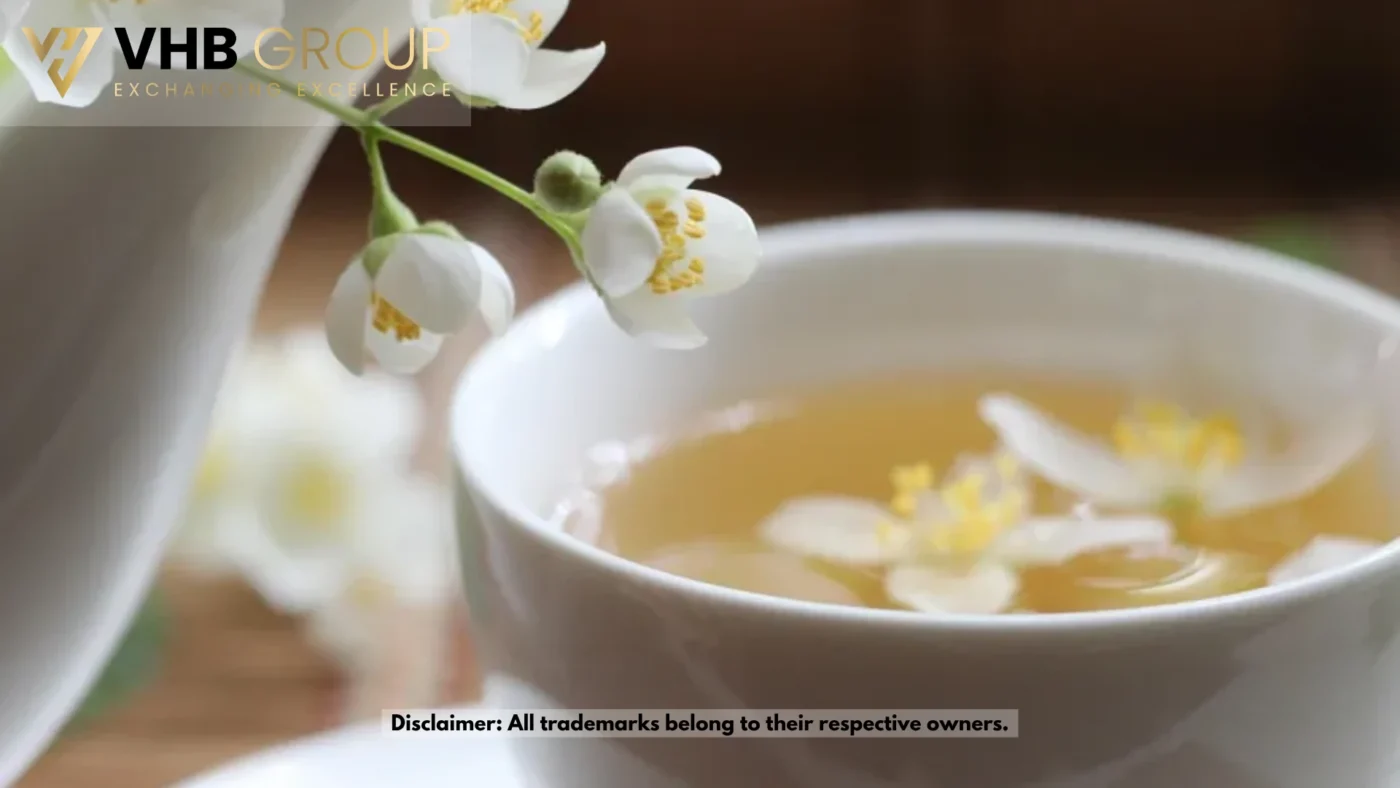
Understanding the exact Jasmine Tea Floral Aroma & Infusion Facts is absolutely essential for commercial RTD (Ready-To-Drink) bottlers, bubble tea franchise directors, and hospitality buyers who want to comprehend why this specific botanical variant dictates the global aromatic beverage economy. Unlike generic, artificially flavored teas that utilize synthetic liquid sprays which evaporate quickly, authentic jasmine tea is meticulously processed through a traditional botanical scenting method, altering its chemical structure to produce a highly concentrated, deeply infused aromatic matrix that serves as the economic backbone of high-end specialty teas and Asian culinary pairings.
For international procurement teams and supply chain managers looking to capitalize on this immense global demand, reviewing the operational logistics of the wholesale supply chain is the mandatory next strategic step. However, before investing in bulk container loads, buyers must fully understand the physical, chemical, and sensory components that make this specific grade the most heavily utilized scented leaf across commercial and retail sectors.
Table of Contents
-
Core Botanical Profile: Camellia sinensis meets Jasminum sambac
-
The Volatile Oil Absorption Matrix
-
Sensory Profile: Essential Jasmine Tea Floral Aroma & Infusion Facts
-
Chemical Breakdown and Wellness Synergy
-
Conclusion
Core Botanical Profile: Camellia sinensis meets Jasminum sambac
When analyzing the massive commercial success of this globally traded commodity, the primary differentiator lies in the precise botanical marriage of two entirely different agricultural crops: unoxidized green tea leaves and fresh jasmine blossoms.
View Jasminum sambac Blossom Reference on Wikimedia Commons
The base of the beverage is typically a high-quality green tea (or occasionally a light oolong/pouchong). Because green tea is dried and highly porous, it acts as a perfect botanical sponge. The scenting agent is strictly Jasminum sambac (Arabian jasmine), cultivated heavily in southern China. This specific flower is utilized because its essential oils are highly volatile and release an intensely sweet, musky, and penetrating aroma strictly during the night, allowing factory masters to time the chemical transfer perfectly.
The Volatile Oil Absorption Matrix
A critical element within the botanical profile is the crop’s unique requirement for natural chemical transfer without the use of artificial additives.
Immediately after the jasmine flowers burst open in the evening, they are layered with the dried tea leaves in massive, temperature-controlled rooms. As the flowers respire, they release complex volatile organic compounds, primarily Linalool and Benzyl Acetate. Because the tea leaves are bone-dry, osmotic pressure forces them to rapidly absorb the moisture and the essential oils from the surrounding air and the flowers themselves. This process forces the aromatic compounds deep into the cellular structure of the tea leaf, rather than just coating the outside. Once the tea has absorbed maximum moisture, it must be baked again to drop its moisture level back below 5%, locking the floral oils inside the leaf.
Sensory Profile: Essential Jasmine Tea Floral Aroma & Infusion Facts
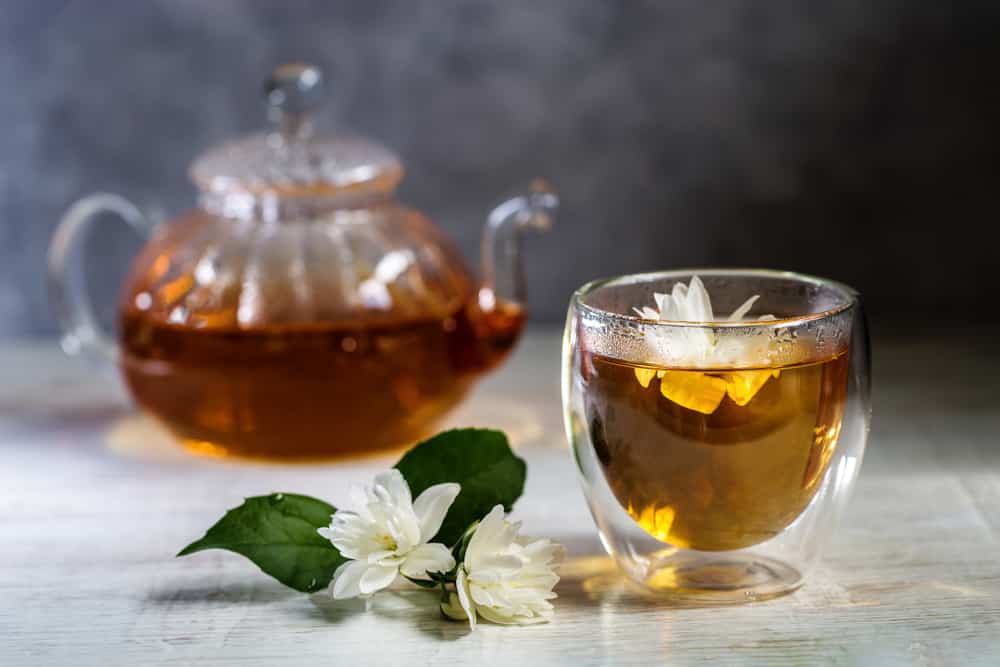
The most distinctive physical characteristic of the tea upon brewing is its pale yellow or bright golden liquor, followed by a steady, complex, and highly penetrating floral bouquet that dominates the room.
Balancing Florals, Astringency, and Umami
The Jasmine Tea Floral Aroma & Infusion Facts matrix is heavily characterized by its delicate brewing requirements. Authentic jasmine tea requires water just below a boil (around 80°C / 175°F). If boiled, the green tea base will release excess tannins, creating a bitter cup that masks the delicate floral notes. When brewed correctly, the infusion provides a deeply sweet, perfumed aroma that translates directly into the taste, perfectly balancing the natural, grassy astringency of the green tea base. This creates a cleansing, palate-refreshing beverage that cuts through heavy, oily foods, explaining its dominance in global Asian cuisine.
Chemical Breakdown and Wellness Synergy
To fully grasp the commercial appeal, hospitality facilities and RTD bottlers must analyze the macro-chemical profile. The dried leaf is carefully calibrated by nature and the factory scenting floors for optimal biological delivery and flavor.
| Chemical Component | Source Botanical | Sensory Profile & Effect |
| Linalool / Benzyl Acetate | Jasminum sambac blossoms | Provides the intense, sweet floral aroma; acts as a natural aromatherapeutic relaxant. |
| Catechins (EGCG) | Green Tea Base | Provides the slight, brisk astringency and massive antioxidant metabolic support. |
| L-Theanine | Green Tea Base | An amino acid that provides the savory “umami” flavor and promotes neurological relaxation. |
| Caffeine | Green Tea Base | Provides a sustained functional energy boost, balanced perfectly by the relaxing floral aromas. |
Conclusion
Mastering the foundational botanical and chemical facts is the definitive key to understanding its unstoppable global commercial velocity in mass-market beverages. From the careful management of nocturnal floral harvesting to the precision mechanics of botanical oil absorption and temperature-calibrated brewing, every single element of the jasmine tea leaf is designed to deliver a highly functional, perfectly aromatic, and deeply satisfying experience. For international distributors and commercial bottlers, stocking this authentic agricultural product guarantees access to a highly liquid, highly profitable supply chain. Contact your preferred procurement partner today to secure your wholesale agricultural allocation.
\
Jasmine Tea Floral Aroma & Infusion FAQ
Disclaimer: Unless otherwise stated, the images used in this article are the property of their respective owners. We do not claim ownership of any third-party images featured, and they are used here strictly for informational and educational purposes. If you are the copyright holder and wish to have an image removed, please contact us.