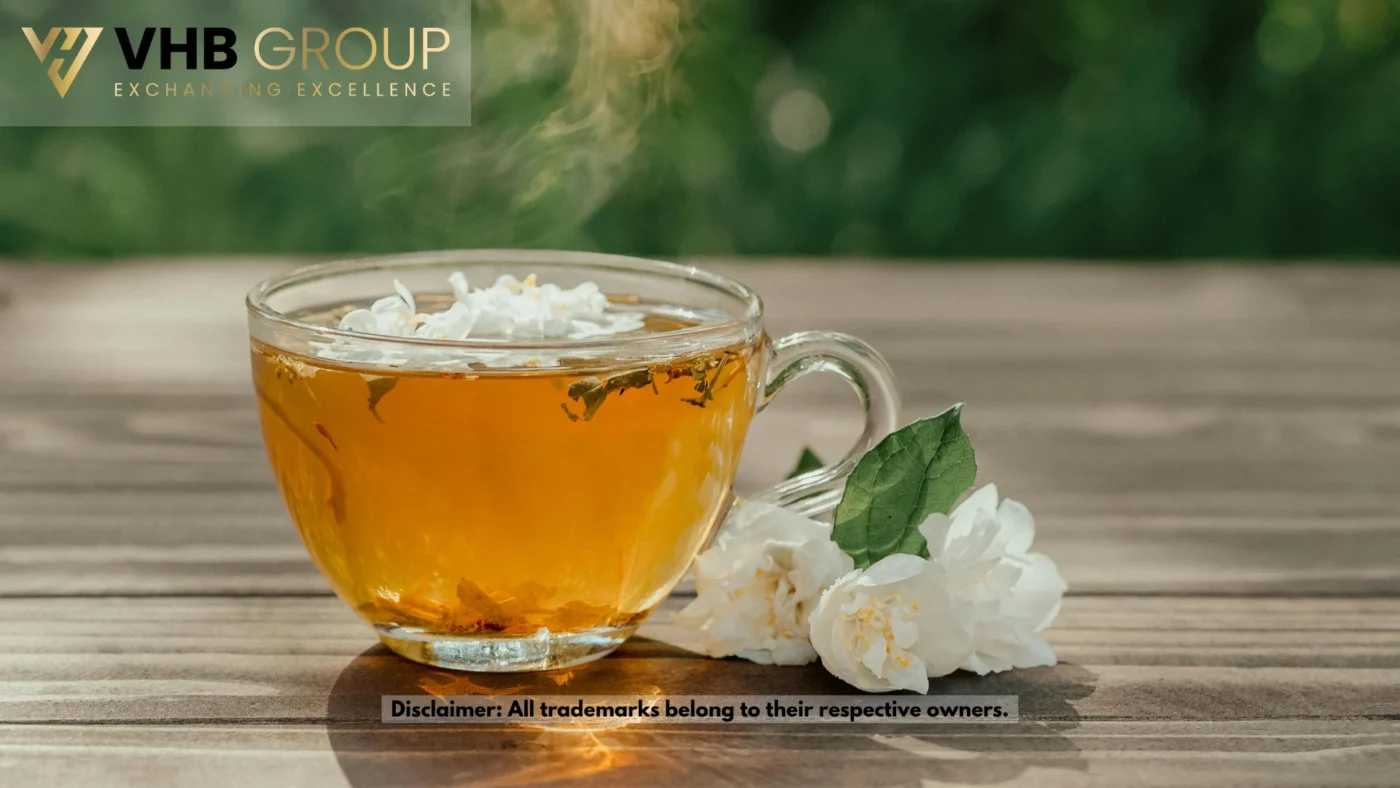
Tracing the exact Jasmine Tea Sourcing Origin Specifications is a fundamental requirement for beverage importers, quality assurance directors, and international supply chain managers. Understanding exactly where the raw Camellia sinensis leaves are cultivated, and more importantly, where the Jasminum sambac flowers are harvested and the scenting process occurs, highlights why specific Chinese and Taiwanese agricultural belts command absolute dominance over the global premium scented tea market. The unique combination of high-altitude tea terroirs, immense flower plantations, and multi-generational scenting factories creates a highly traceable, premium supply chain.
For procurement executives managing bulk container shipments through wholesale networks, complete transparency regarding the origin of the harvest is crucial for passing stringent international border regulations (especially regarding pesticide residues on both the tea and the flowers) and securing consumer trust in high-end retail markets. This guide breaks down the agricultural and industrial supply chain that fuels the world’s most highly demanded scented tea.
Table of Contents
-
The Dual-Agricultural Core of Jasmine Tea Sourcing
-
Scenting Factories and Processing Hubs
-
Tracing Regions: Fujian, Guangxi, and Taiwan
-
Why Origin Specifications Matter for Importers in Jasmine Tea Sourcing Origin Specifications
-
Conclusion
The Dual-Agricultural Core of Jasmine Tea Sourcing
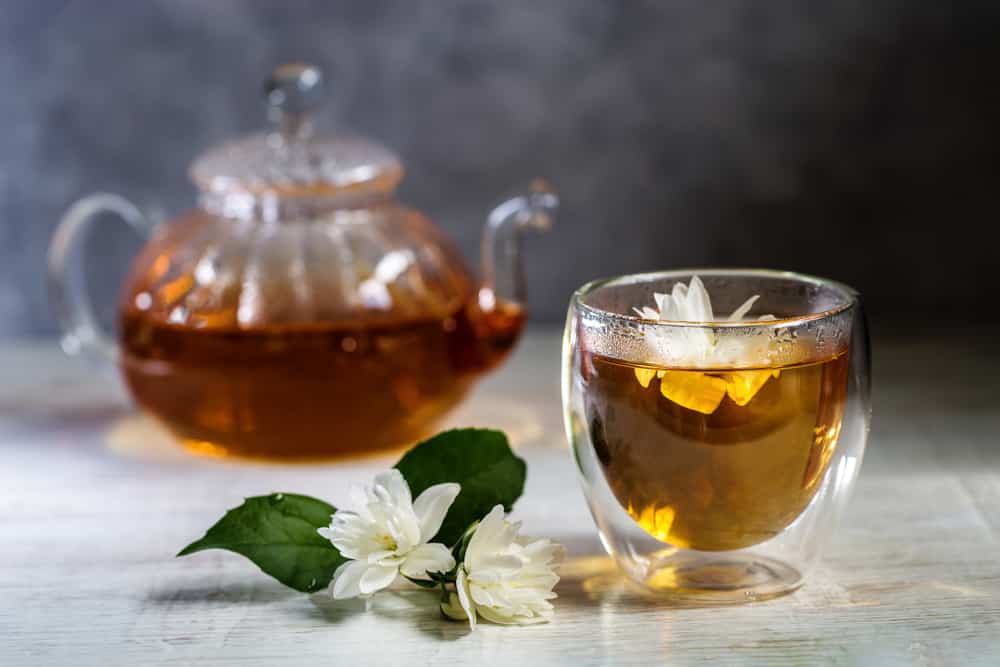
When evaluating the supply chain, the journey is unique because it requires the synchronized convergence of two separate agricultural crops. Unlike standard teas, jasmine tea requires high-altitude green tea (harvested in spring) to be stored and then married with fresh jasmine blossoms (which hit their peak bloom in late summer).
View Jasmine Flowers Harvesting Reference on Wikimedia Commons
High-Altitude Tea and Lowland Flowers
The global market prioritizes tea sourced explicitly from historic scenting hubs. The green tea base is often harvested in the mountainous regions of Fujian or Anhui, where the leaves are pan-fired or steamed and baked bone-dry. Months later, in the intense heat of July and August, millions of jasmine blossoms are hand-harvested in lowland flower plantations (such as those in Hengxian, Guangxi). The flowers must be picked in the early afternoon while tightly closed, ensuring they survive transport to the scenting factory before they open at night.
Scenting Factories and Processing Hubs
The raw leaves and closed flowers only form the first step; the immediate, highly synchronized nocturnal scenting process forms the critical second half of the journey.
View Industrial Tea Factory Reference on Wikimedia Commons
Nocturnal Volatile Oil Transfer
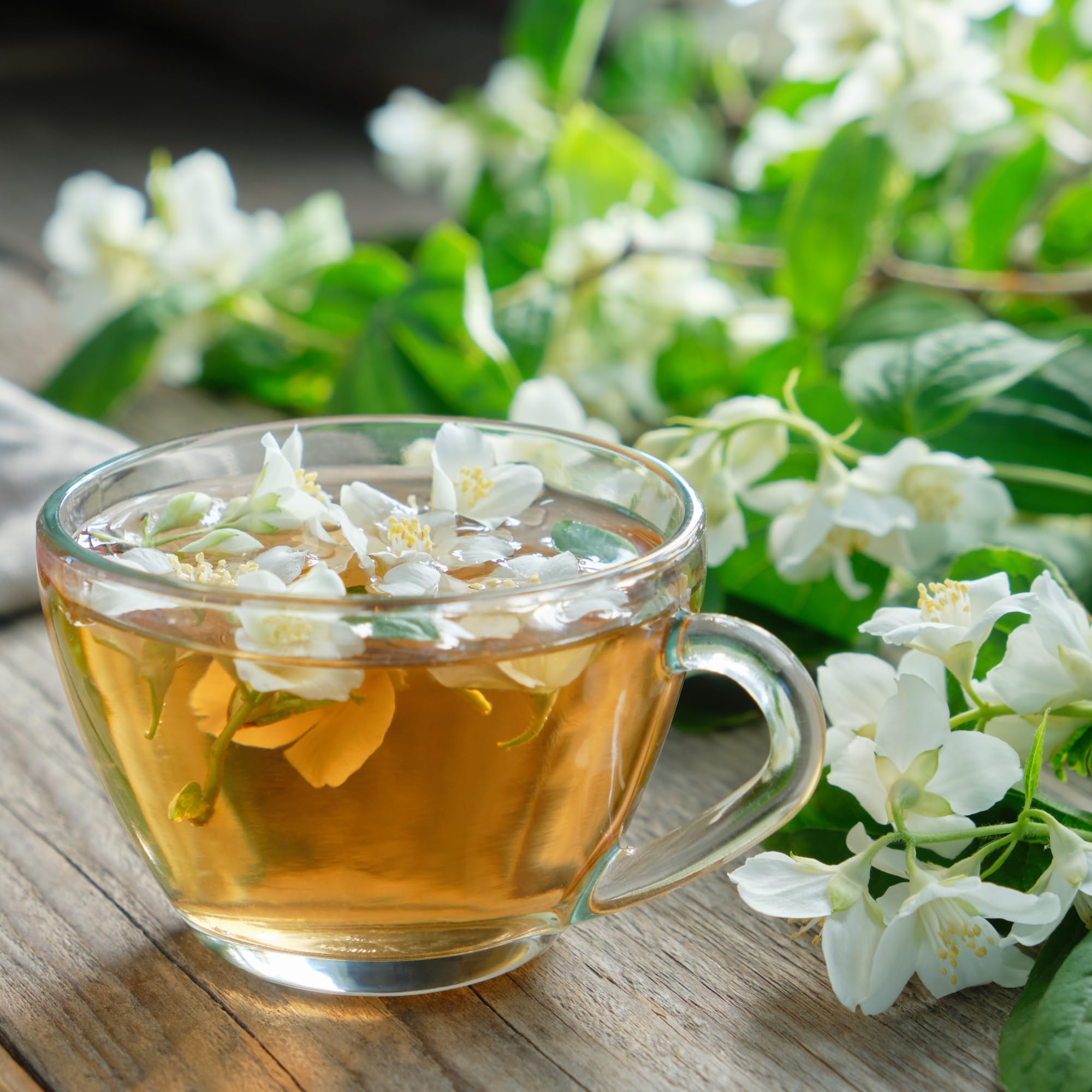
The heart of premium export production takes place in massive, climate-controlled scenting factories located directly adjacent to the flower plantations. Because the flowers pop open and release their essential oils strictly at night, the factory operates on a nocturnal schedule. Factory masters layer the dry green tea leaves with the fresh blossoms in massive piles. Overnight, the tea absorbs the floral moisture and aromatic oils. By morning, the wilted flowers must be meticulously sifted and blown out of the tea, as leaving dead flowers in the mix will rot and sour the tea. The tea is then baked again to remove the moisture it absorbed. For ultra-premium grades, this layering and baking process is repeated with fresh flowers up to seven times over several weeks. The dry, fully scented tea is then packed into bulk sacks and staged for global export.
Tracing Regions: Fujian, Guangxi, and Taiwan
While tea and jasmine are grown globally, the authentic scented export commodity is sourced through highly specialized, culturally historic regional supply chains.
| Sourcing Region | Primary Geography | Agricultural and Export Characteristics |
| Fujian, China | Fuzhou | The historic and cultural capital of jasmine tea. Famous for ultra-premium, heavily hand-processed teas (like Jasmine Pearls and Silver Tip) using high-elevation green tea bases. |
| Guangxi, China | Hengxian | The absolute volume king. Hengxian produces over 80% of China’s jasmine flowers. Massive, highly mechanized factories produce the bulk commercial fannings required for the global bubble tea and RTD markets. |
| Taiwan | Taipei / Central Hubs | Specializes in Jasmine Pouchong (a very lightly oxidized green/oolong hybrid). Offers extremely premium pricing, unparalleled agricultural technology, and stringent pesticide controls. |
| Vietnam | Bao Loc | Rapidly expanding production. Highly competitive FOB pricing, serving as a massive global exporter for industrial commercial blending and budget catering. |
Why Origin Specifications Matter for Importers in Jasmine Tea Sourcing Origin Specifications
For B2B buyers, understanding the Jasmine Tea Sourcing Origin Specifications and logistical path is an absolute operational requirement for passing international border control and meeting the extreme health targets of modern retail venues.
When clearing international ocean freight, importers must provide verified Certificates of Origin (COO), Commercial Invoices, and crucially, Phytosanitary Certificates. However, the most critical specification for jasmine tea is Pesticide Maximum Residue Limits (MRLs). Because jasmine flowers are highly susceptible to pests, non-export-certified farms use heavy pesticides on the flowers. When the tea absorbs the floral oils, it also absorbs the chemical residues. Major markets like the European Union (EU) and the United States FDA hold incredibly strict MRL standards. Sourcing directly from verified export-hubs in Fuzhou or Taiwan that conduct pre-shipment SGS lab testing entirely eliminates the risk of cargo rejection at the destination port, ensuring smooth inventory turnover and absolute brand safety.
Conclusion
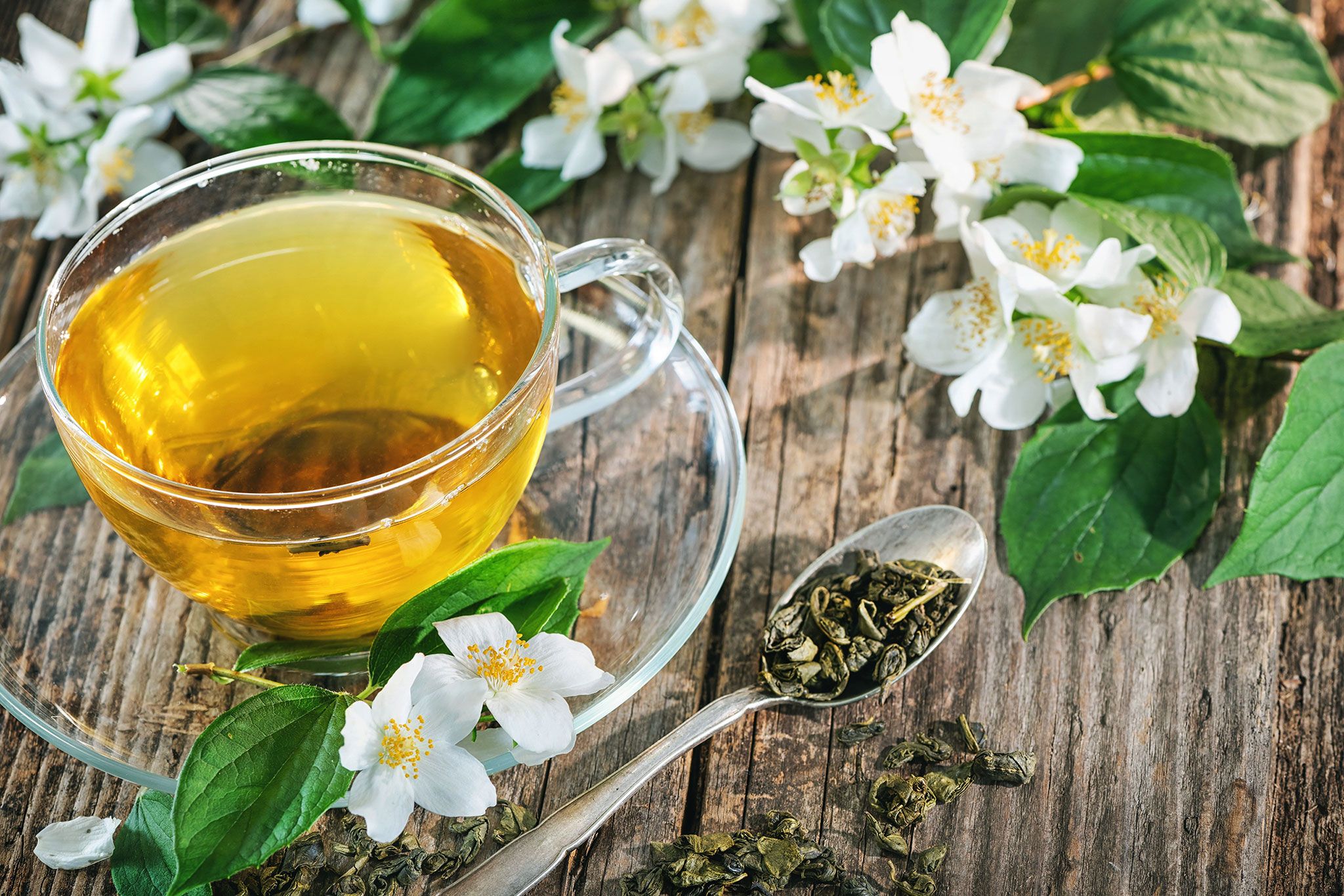
Total visibility into the origin of your dual-agricultural supply chain empowers commodity distributors with absolute confidence in the quality, safety, and sensory performance of their imported beverage inventory. By combining premium spring-harvested green tea with meticulous nocturnal scenting and strict pesticide-residue compliance out of major Asian hubs, the supply chain delivers a perfectly standardized, deeply aromatic product built for global premium export. For international procurement teams aiming to leverage this highly lucrative supply chain, partner with an established agricultural export consolidator today to secure your wholesale shipments.
Jasmine Tea Origin Specs FAQ
Disclaimer: Unless otherwise stated, the images used in this article are the property of their respective owners. We do not claim ownership of any third-party images featured, and they are used here strictly for informational and educational purposes. If you are the copyright holder and wish to have an image removed, please contact us.