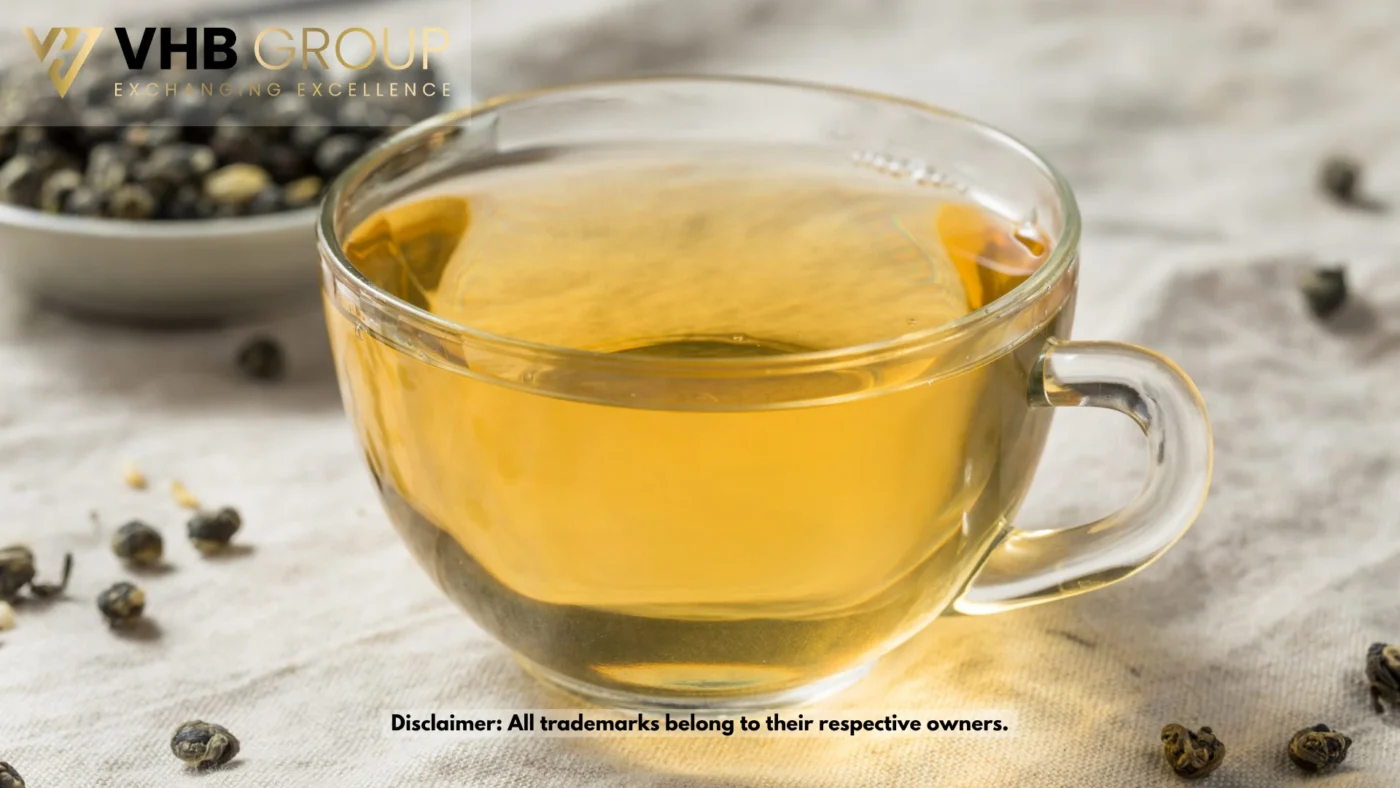
Understanding the exact Oolong Tea Roasting Specs & Flavor Facts is absolutely essential for commercial RTD (Ready-To-Drink) bottlers, bubble tea franchise directors, and hospitality buyers who want to comprehend why this specific botanical variant dictates the global premium aromatic beverage economy. Unlike green tea which remains unoxidized and vegetal, or black tea which is fully oxidized and malty, authentic oolong tea is meticulously processed through a highly controlled bruising, partial oxidation, and roasting method, altering its chemical structure to produce an immensely complex, highly concentrated aromatic matrix that serves as the economic backbone of high-end specialty teas and Asian culinary pairings.
For international procurement teams and supply chain managers looking to capitalize on this immense global demand, reviewing the operational logistics of the wholesale supply chain is the mandatory next strategic step. However, before investing in bulk container loads, buyers must fully understand the physical, chemical, and sensory components that make this specific grade the most heavily utilized semi-oxidized leaf across commercial and retail sectors.
Table of Contents
-
Core Botanical Profile: Camellia sinensis and Cultivar Specifics
-
The Bruising and Partial Oxidation Matrix
-
Roasting Chemistry and Maillard Reactions
-
Sensory Profile: Essential Oolong Tea Roasting Specs & Flavor Facts
-
Conclusion
Core Botanical Profile: Camellia sinensis and Cultivar Specifics
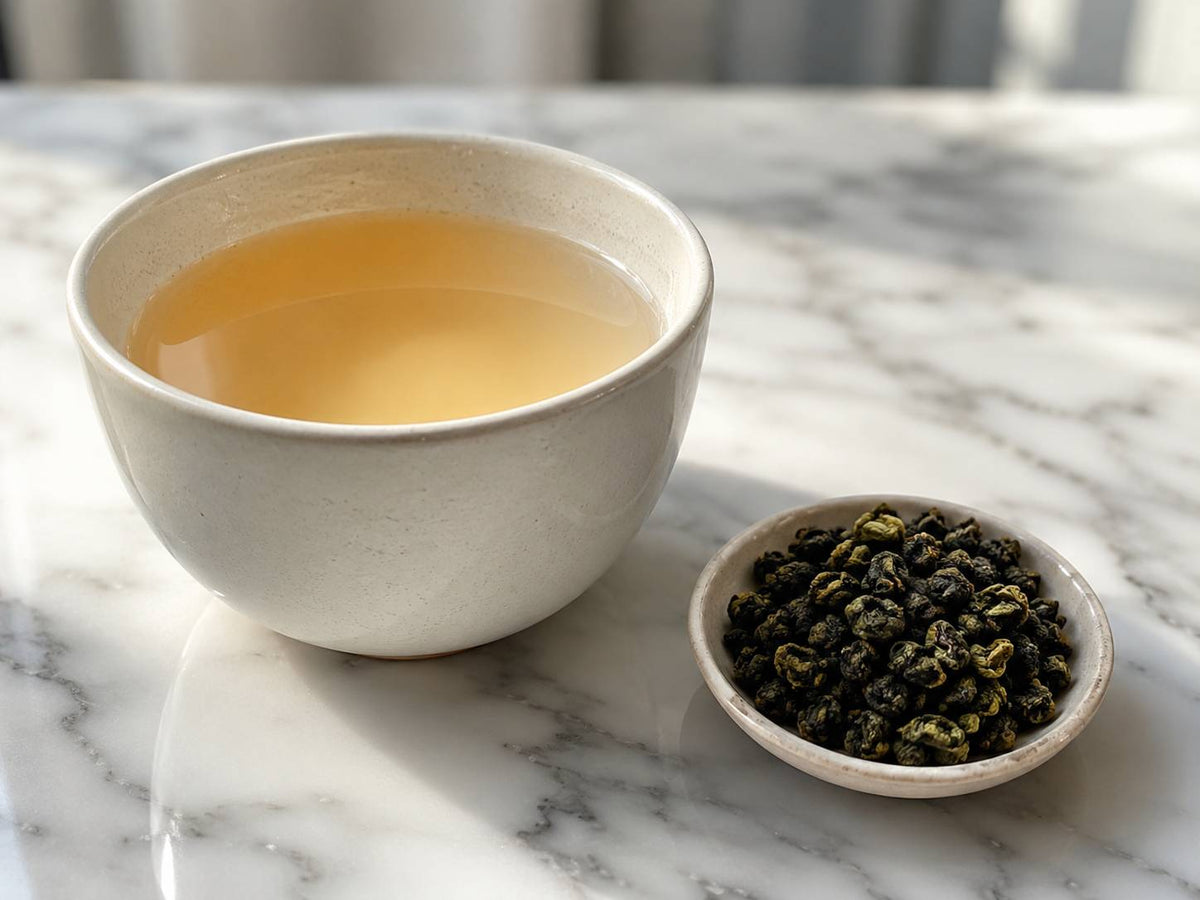
When analyzing the massive commercial success of this globally traded commodity, the primary differentiator lies in the precise botanical cultivation of specific Camellia sinensis varietals explicitly bred for aromatic complexity.
View Oolong Tea Leaves Reference on Wikimedia Commons
While all tea comes from the same species, oolong relies heavily on specific cultivars (such as the Tieguanyin bush or the Qingxin cultivar in Taiwan). These plants are cultivated in mineral-rich soils (often rocky terrain) which forces the root systems to absorb high concentrations of trace minerals. The leaves plucked for oolong are typically slightly more mature than those plucked for green tea, providing a thicker leaf structure that can withstand the intense physical rolling and roasting processes without disintegrating.
The Bruising and Partial Oxidation Matrix
A critical element within the botanical profile is the crop’s unique requirement for controlled physical trauma (bruising) to trigger localized enzymatic reactions.
Immediately after the leaves are withered in the sun to reduce moisture and increase pliability, they are brought indoors and tossed in massive bamboo trays or cylindrical drums. This mechanical tossing lightly bruises the edges of the leaves, exposing the polyphenol oxidase enzymes to ambient oxygen. Unlike black tea, where the whole leaf is oxidized, oolong is only partially oxidized (usually between 10% to 85%). The tea master must rely entirely on smell to determine the exact moment to halt the oxidation by pan-firing the leaves in a hot wok. This partial oxidation creates a massive array of highly volatile aromatic compounds that neither green nor black teas possess.
Roasting Chemistry and Maillard Reactions
Once the oxidation is halted and the leaves are rolled into balls or strips, many premium oolongs undergo a secondary, critical process: roasting.
View Traditional Tea Roasting Reference on Wikimedia Commons
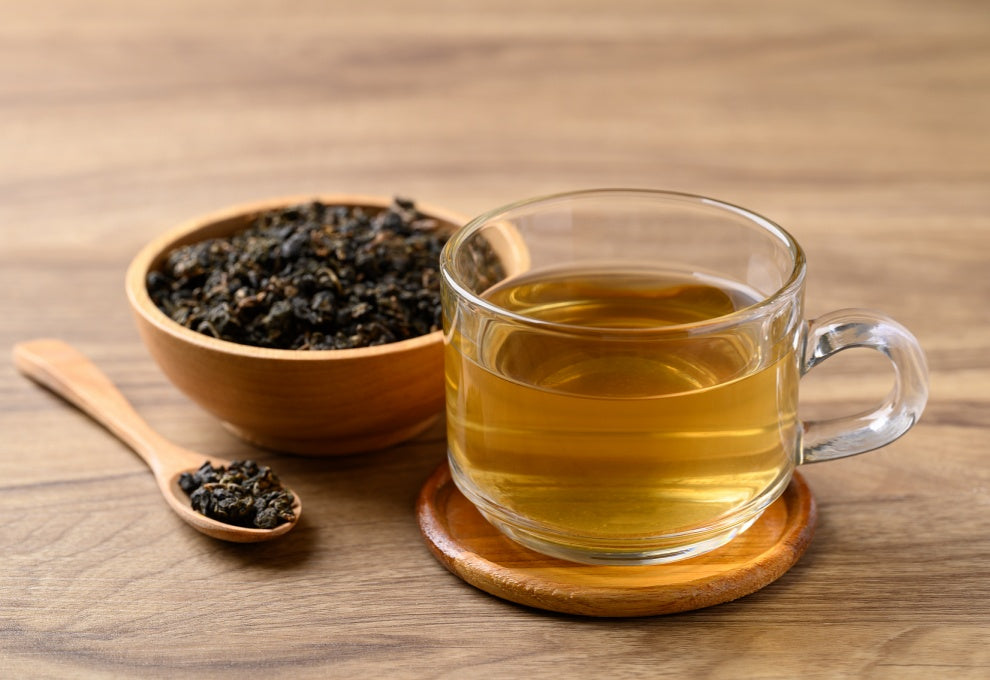
The tea is placed in bamboo baskets over charcoal pits or in electric convection ovens. This slow baking process drastically alters the chemical profile of the leaf. Through the Maillard reaction, the remaining amino acids and sugars within the leaf caramelize. Light roasting (often used for High Mountain “Jade” oolongs) preserves the delicate floral notes. Heavy roasting (used for Wuyi Rock Teas or traditional Dong Ding) transforms the flavor profile entirely, imparting deep notes of roasted nuts, dark chocolate, honey, and charcoal, while significantly extending the shelf life of the leaf.
Sensory Profile: Essential Oolong Tea Roasting Specs & Flavor Facts
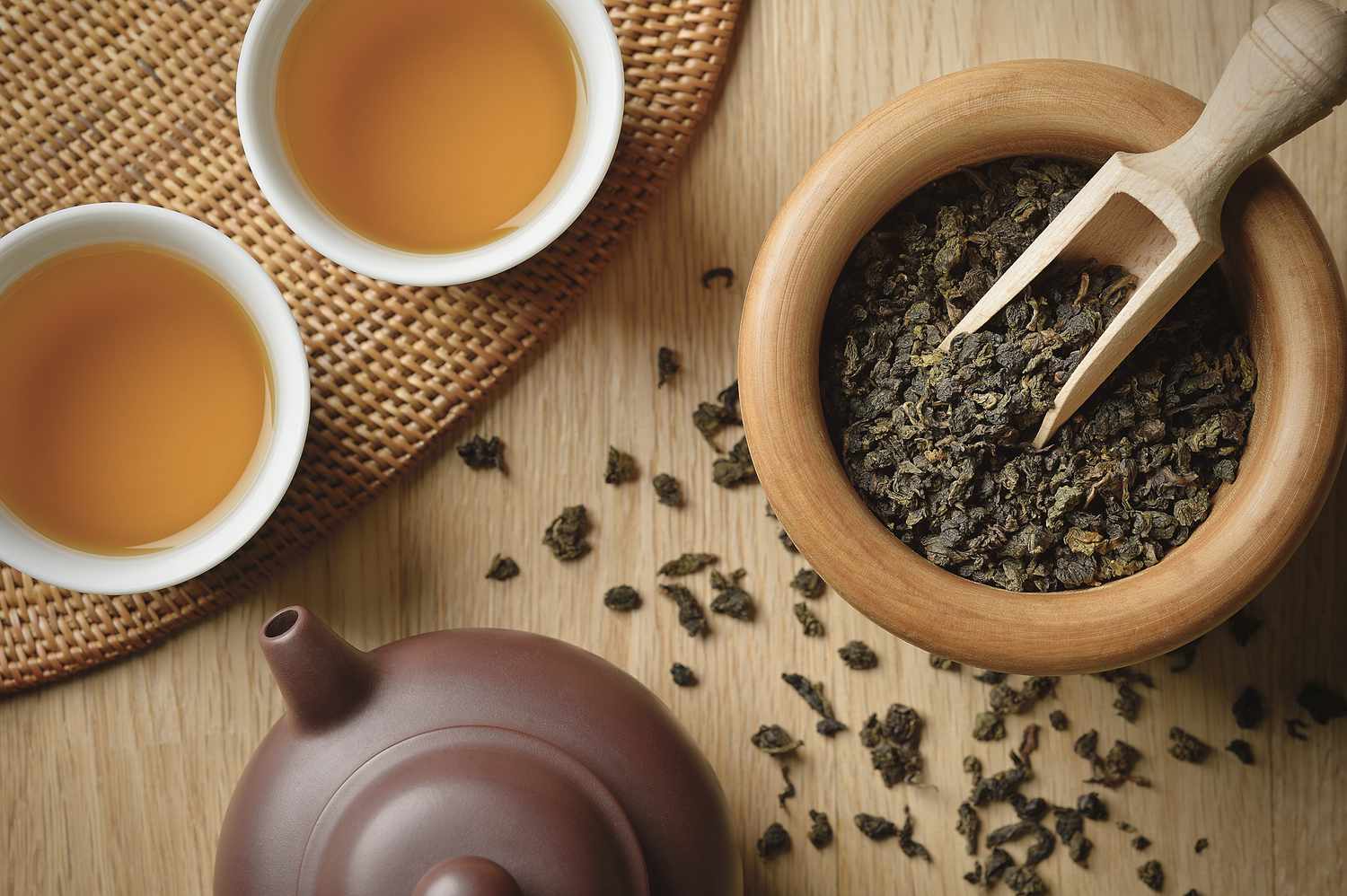
The most distinctive physical characteristic of the tea upon brewing is its massive aromatic variance—ranging from a pale golden liquor smelling of spring orchids, to a deep amber infusion smelling of roasted barley and stone fruit.
Chemical Breakdown and Aromatic Synergy
To fully grasp the commercial appeal, hospitality facilities and RTD bottlers must analyze the macro-chemical profile. The dried leaf is carefully calibrated by nature and the factory roasting ovens for optimal biological delivery and flavor.
| Chemical Component | Function in the Brewing Application | Sensory Profile & Effect |
| Linalool & Geraniol | Highly volatile essential oils concentrated during partial oxidation. | Provides the intense, sweet floral (orchid, lilac) and fruity (peach) aromas. |
| Nerolidol | Aromatic terpene alcohol. | Contributes to the woody, bark-like, and fresh green aromas in the cup. |
| Theaflavins / Catechins | Partially oxidized polyphenols. | Provides a balanced, smooth astringency without the heavy bitterness of black tea. |
| Caramelized Sugars | Created during the secondary charcoal roasting (Maillard reaction). | Dictates the deep amber color, heavy body, and nutty, roasted flavor profile. |
Conclusion
Mastering the foundational botanical and chemical facts is the definitive key to understanding its unstoppable global commercial velocity in mass-market beverages. From the careful management of physical leaf bruising to the precision mechanics of charcoal roasting and temperature-calibrated brewing, every single element of the oolong tea leaf is designed to deliver a highly functional, incredibly complex, and deeply satisfying experience. For international distributors and commercial bottlers, stocking this authentic agricultural product guarantees access to a highly liquid, highly profitable supply chain. Contact your preferred procurement partner today to secure your wholesale agricultural allocation.
Oolong Tea Roasting Specs & Flavor FAQ
Disclaimer: Unless otherwise stated, the images used in this article are the property of their respective owners. We do not claim ownership of any third-party images featured, and they are used here strictly for informational and educational purposes. If you are the copyright holder and wish to have an image removed, please contact us.