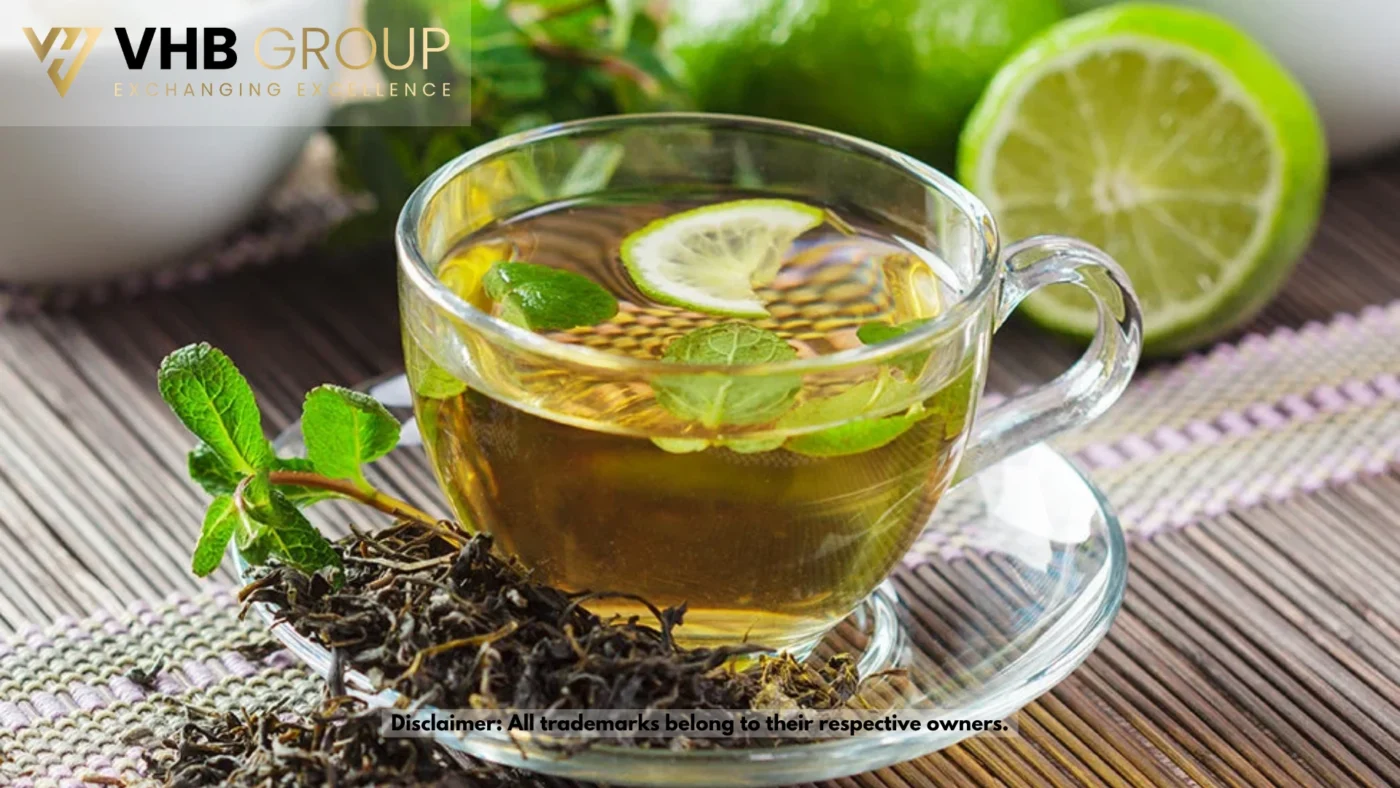
Understanding the exact Green Tea Leaves Brewing Aroma & Health Facts is absolutely essential for commercial RTD (Ready-To-Drink) bottlers, international tea shop directors, and wellness buyers who want to comprehend why this specific botanical variant dictates the global premium health beverage economy. Unlike black or oolong teas which undergo heavy oxidation that alters their chemical structure, green tea leaves are meticulously processed to halt oxidation entirely, preserving a highly concentrated, biologically active matrix of catechins and L-theanine that serves as the economic backbone of high-end, functional wellness drinks.
For international procurement teams and supply chain managers looking to capitalize on this immense global demand, reviewing the operational logistics of the wholesale supply chain is the mandatory next strategic step. However, before investing in bulk container loads, buyers must fully understand the physical, chemical, and sensory components that make this specific grade the most heavily utilized premium leaf across commercial hospitality and retail sectors.
Table of Contents
-
Core Botanical Profile and Camellia sinensis
-
The “Kill-Green” Process and Antioxidant Preservation
-
Sensory Profile: Essential Green Tea Leaves Brewing Aroma & Health Facts
-
Chemical Breakdown and Wellness Synergy
-
Conclusion
Core Botanical Profile and Camellia sinensis
When analyzing the massive commercial success of this globally traded commodity, the primary differentiator lies in the precise botanical structure and processing of the Camellia sinensis plant.
View Fresh Tea Leaves Reference on Wikimedia Commons
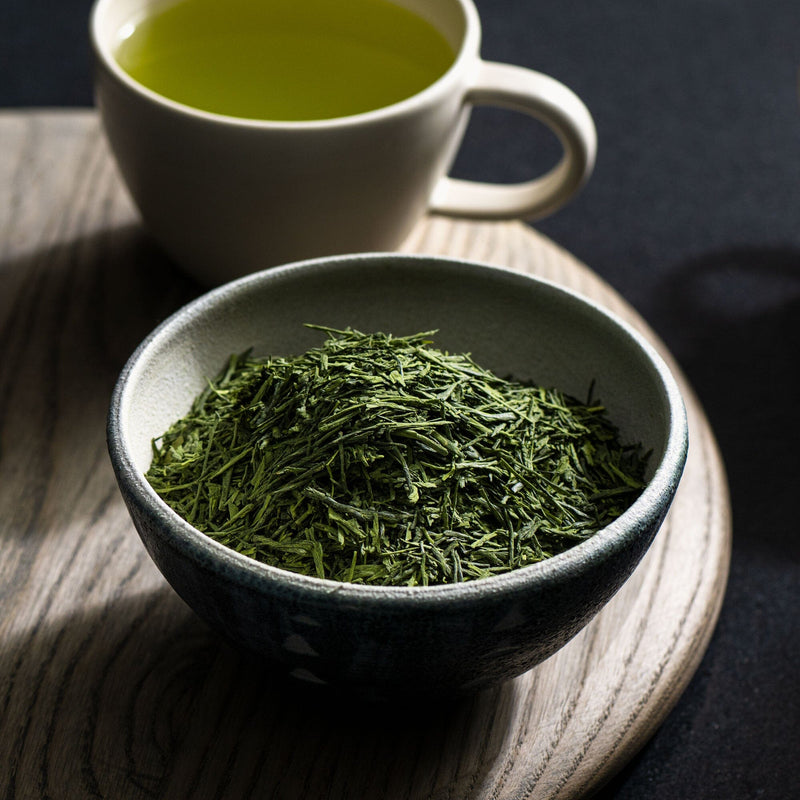
All true tea (black, green, white, oolong) derives from the exact same plant species. The distinction of green tea lies entirely in its processing. Because the leaves are plucked at their youngest, most tender stage (often a bud and two leaves), they possess an incredibly high concentration of natural polyphenols and chlorophyll. By preventing these compounds from breaking down via oxygen exposure, the factory locks the plant’s maximum nutritional and sensory potential into the dried leaf.
The “Kill-Green” Process and Antioxidant Preservation
A critical element within the botanical profile is the crop’s unique requirement for precision de-enzyming to protect its chemical integrity.
View Epigallocatechin Gallate Structure Reference on Wikimedia Commons
Immediately after harvesting, the leaves must be heated rapidly to denature polyphenol oxidase (the enzyme responsible for browning). In Japan, this is traditionally done via deep steaming, which results in a vibrant, emerald-green leaf with a savory, oceanic profile. In China, the leaves are traditionally pan-fired in massive woks, yielding a more muted olive-green color and a toasted, nutty flavor profile. This vital step prevents the natural catechins—most notably Epigallocatechin Gallate (EGCG)—from converting into thearubigins (the compounds that make black tea dark and malty).
Sensory Profile: Essential Green Tea Leaves Brewing Aroma & Health Facts
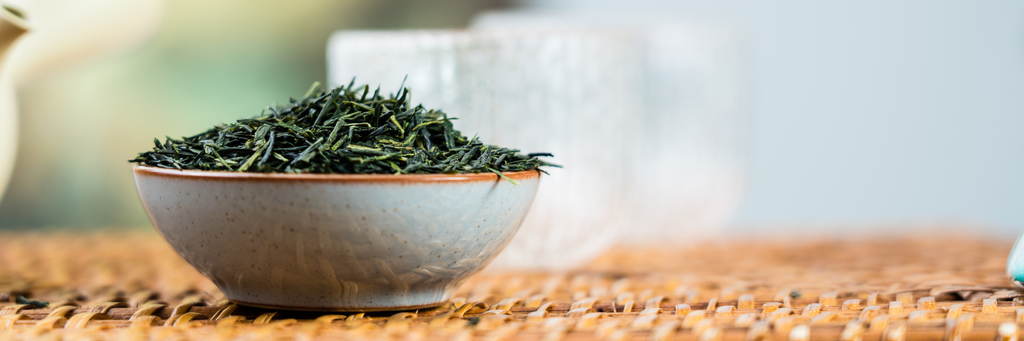
The most distinctive physical characteristic of the tea upon brewing is its pale green or golden-yellow liquor, followed by a steady, complex, and highly aromatic vegetal bouquet.
Balancing Umami, Astringency, and Sweetness
The Green Tea Leaves Brewing Aroma & Health Facts matrix is heavily characterized by its delicate brewing requirements. Unlike black tea, green tea must be brewed at lower temperatures (typically 70°C to 80°C). Boiling water will scorch the unoxidized leaves, instantly extracting excess tannins and resulting in a bitterly astringent cup. When brewed correctly, the high levels of L-theanine (an amino acid) release a brothy, savory “umami” flavor and a lingering, sweet finish that perfectly balances the natural, grassy astringency of the catechins.
Chemical Breakdown and Wellness Synergy
To fully grasp the commercial appeal, hospitality facilities and RTD bottlers must analyze the macro-chemical profile. The dried leaf is carefully calibrated by nature and the factory firing pans for optimal biological delivery and flavor.
| Chemical Component | Function in the Brewing Application | Health & Sensory Profile |
| Catechins (EGCG) | Primary antioxidant; provides the slight, brisk astringency in the cup. | Highly researched for metabolic support and cellular protection. |
| L-Theanine | An amino acid that provides the sweet, savory “umami” flavor profile. | Promotes neurological relaxation, counteracting the “jitters” of caffeine. |
| Caffeine | Provides the functional energy boost. | Works synergistically with L-theanine for sustained, focused energy. |
| Chlorophyll | Dictates the vibrant green color of the dry leaf and brewed liquor. | A natural pigment preserved strictly through the oxidation-halting process. |

Conclusion
Mastering the foundational botanical and chemical facts is the definitive key to understanding its unstoppable global commercial velocity in mass-market wellness. From the careful management of natural catechins to the precision mechanics of pan-firing and temperature-controlled brewing, every single element of the green tea leaf is designed to deliver a highly functional, perfectly consistent, and refreshing experience. For international distributors and commercial bottlers, stocking this authentic agricultural product guarantees access to a highly liquid, highly profitable supply chain. Contact your preferred procurement partner today to secure your wholesale agricultural allocation.
Green Tea Brewing & Health FAQ
Disclaimer: Unless otherwise stated, the images used in this article are the property of their respective owners. We do not claim ownership of any third-party images featured, and they are used here strictly for informational and educational purposes. If you are the copyright holder and wish to have an image removed, please contact us.