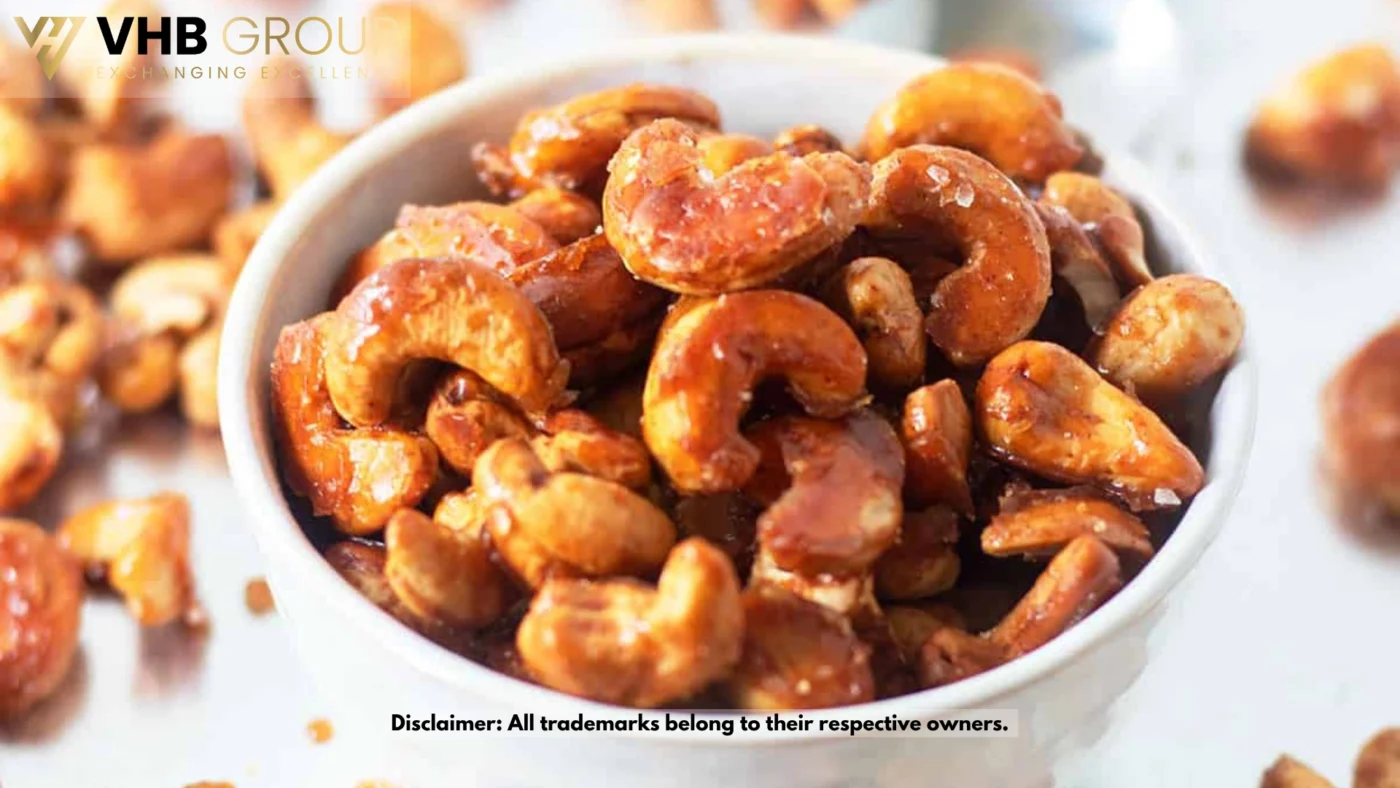
Sourcing Roasted Cashew Nuts Bulk Wholesale Supply inventory provides international supermarket chains, regional convenience store networks, specialized health food distributors, and FMCG trading partners with an essential, high-margin revenue engine in the premium snack and culinary ingredient category. Manufactured and processed across Southeast Asia’s renowned agricultural zones—most notably Vietnam, the world’s leading cashew exporter—these premium roasted nuts are heavily demanded globally for their rich, buttery flavor profile, dense nutritional value, and exceptional retail velocity in both bulk and packaged formats.
For B2B procurement managers and supply chain directors working with agricultural distribution partners, managing full container load (FCL) consignments of wholesale roasted cashews requires carefully evaluating product grading configurations (W240, W320, W450), master carton yields, heavy ocean container payload limits, and strict international food safety and customs clearance protocols. This technical guide evaluates the operational, financial, and logistical frameworks necessary to establish a highly profitable import and distribution model for this globally demanded agricultural commodity.
Table of Contents
-
Global Market Demand for Premium Roasted Nuts
-
Cashew Grading and Product Portfolio Breakdown
-
Bulk Packaging Configurations and Freight Density
-
B2B Sourcing Pathways for Wholesale Cashews
-
Landed Cost Calculation Framework
-
Import Compliance, Harmonized System Codes, and Customs Documentation
-
Strategic Wholesale Procurement

Global Market Demand for Premium Roasted Nuts
The global snack and culinary ingredient market relies fundamentally on high-quality, plant-based proteins that offer consumers a premium, health-conscious eating experience. Roasted cashews command a highly lucrative, rapidly expanding market share globally, bridging the gap between a luxury snack food and a staple vegan culinary ingredient. Vietnam serves as the undisputed global hub for processing and exporting authentic, high-grade cashews, offering massive export liquidity to global buyers.
View Bulk Cashew Nuts Reference on Wikimedia Commons
Growth Drivers in the Market
The continuous growth in the premium nut sector is driven by shifting consumer demands toward heart-healthy fats, plant-based diets, and clean-label snacking. Consumers and culinary professionals consistently pivot toward Vietnamese-processed cashews because the region’s advanced thermal roasting techniques guarantee a consistent, buttery crunch without excessive oiliness. The versatile nature of the product appeals directly to multiple demographics, driving massive purchase volume in bulk bins, premium grocery aisles, and the hospitality sector.
Commercial Advantages
Adding this inventory to a B2B distribution catalog delivers distinct commercial advantages:
-
Unmatched Culinary Versatility: Highly demanded as a standalone retail snack, a premium baking ingredient, and a foundational base for dairy-free alternatives (cashew milk, vegan cheese).
-
Premium Import Margin Value: Because the Vietnamese shelling and roasting supply chain is highly optimized, the Free On Board (FOB) acquisition costs for premium grades remain competitive, yielding excellent gross profit margins.
-
High Shelf Stability: Vacuum-sealed and nitrogen-flushed packaging ensures a massive 12-to-24-month shelf life, reducing shrinkage and inventory loss.
Cashew Grading and Product Portfolio Breakdown
Curating an optimal inventory mix requires selecting the correct kernel grades tailored to target retail and industrial demographics. Cashews are strictly graded internationally by size (kernels per pound) and color/whiteness.
Core Product SKUs
When structuring a container load from Southeast Asian agricultural hubs, the core grades form the absolute foundation of the procurement strategy:
-
-
W240 (White Whole 240): The premium, large-sized kernel. Highly favored for luxury retail snacking, gifting tins, and premium mixed nut blends. (“240” means approximately 240 nuts per pound).
-
W320 (White Whole 320): The global standard and most popular commercial grade. Offers the perfect balance of size, visual appeal, and cost-effectiveness for everyday supermarket retail jars.
-
Splits and Butts (WS/LP): Broken kernels generated during the shelling process. These are highly cost-effective and strictly utilized by the industrial food-service sector for baking, cashew butter production, and vegan dairy alternatives.

-
Bulk Packaging Configurations and Freight Density
When managing ocean shipments, physical logistics heavily dictate profitability. Bulk roasted cashews are packaged in vacuum-sealed flexible pouches inside heavy-duty corrugated cartons to prevent moisture ingress, oxidation, and breakage during rigorous maritime transit.
Master Carton Yields
Understanding the exact packing specifications is critical for calculating freight costs:
| Packaging SKU Format | Standard Weight | Retail/Industrial Format | Primary Distribution Channel |
| Bulk Vacuum Carton | 50 lbs (22.68 kg) | 2x 25 lb Vacuum Bags | Wholesale Clubs, Food Service |
| Standard Retail Jar | 500g / 1kg | PET Plastic Jar w/ Foil Seal | Supermarkets, Hypermarkets |
| Retail Snack Pouch | 100g / 200g | Resealable Stand-Up Pouch | Convenience Stores, C-Stores |
B2B Sourcing Pathways for Wholesale Cashews
Commercial buyers access wholesale inventory through primary procurement channels. Independent wholesalers, mid-tier regional distributors, and agile import firms typically source via master agricultural consolidators operating out of major Vietnamese export hubs like Ho Chi Minh City (Cat Lai Port). Consolidators offer flexible Minimum Order Quantities (MOQs) and handle all complex phytosanitary and food-safety export logistics, bridging the gap directly with the processing factories in Binh Phuoc province.
Landed Cost Calculation Framework
Procurement teams must accurately forecast their financials before executing a purchase order. Calculating net landed unit costs involves applying a structured, multi-step financial calculation process.
Step-by-Step Financial Breakdown
-
Step 1: Calculate Ocean Freight Charges (strictly utilizing 20ft standard dry containers, as the high density of 22.68kg bulk cartons will reach maximum container weight limits before filling a 40ft container) + Origin Port Fees + Import Customs Duties + Marine Cargo Insurance + Local Destination Drayage.
-
Step 2: Add the Total Shipping Overhead to the Free On Board (FOB) Purchase Carton Price.
-
Step 3: Divide the Total Landed Cost per Master Carton by the exact kilogram weight to find the net per-kilo wholesale cost.

Import Compliance, Harmonized System Codes, and Customs Documentation
Clearing agricultural imports through international customs is a highly regulated process. Securing your shipments requires flawless documentation verified by accredited origin testing laboratories.
Essential Export Documentation Suite
-
Commercial Shipping Documents: Master Bill of Lading (B/L), Commercial Invoice, Detailed Packing List, and a Certificate of Origin (COO).
-
Harmonized System Classification: For customs declaration, roasted cashews are generally classified under HS Code 2008.19 (Nuts, peanuts and other seeds, whether or not mixed together, otherwise prepared or preserved).
-
Sanitary and Phytosanitary Certification: Importers must hold proper certificates proving the nuts meet stringent limits for Aflatoxins, moisture content, and heavy metals, passing FDA or equivalent destination regulations.
Strategic Wholesale Procurement
Mastering the procurement of this high-velocity agricultural commodity is the definitive key to unlocking massive global retail margins in the premium snack sector. From the careful grading of raw kernels to the precision engineering of the vacuum-sealed packaging, every single element is designed to deliver a premium, crunch-perfect consumer experience. For international distributors and retail chains, stocking authentic Vietnamese-processed roasted cashews guarantees access to a highly loyal, quality-driven consumer base.
Bulk Roasted Cashews FAQ
Disclaimer: Unless otherwise stated, the images used in this article are the property of their respective owners. We do not claim ownership of any third-party images featured, and they are used here strictly for informational and educational purposes. If you are the copyright holder and wish to have an image removed, please contact us.