
In the competitive landscape of global trade, sourcing the right ingredients serves as the foundation for any successful consumer brand. For food manufacturers, cosmetic labs, and wholesale distributors, coconut oil represents a versatile and high-demand commodity. However, the performance of this plant-based lipid in a production line depends entirely on its chemical stability and purity. As Vietnamese agriculture continues to modernize, local suppliers are implementing rigorous testing to meet the strict safety standards of the export market. Understanding the technical specifications of this ingredient allows procurement officers to secure a product that ensures shelf-life longevity and consistent sensory appeal. This guide outlines the critical parameters you must verify before finalizing any purchase of this tropical extract.
Technical Quality Metrics for Industrial Coconut Oil
Professional buyers rely on chemical analysis to determine the freshness and purity of coconut oil. These indicators prevent manufacturers from using degraded coconut oil that could ruin a large production batch.
Acid and Peroxide Values
The Acid Value measures the presence of free fatty acids within the liquid. A high reading typically suggests that hydrolysis has occurred, often due to poor storage conditions or oxidation. Similarly, the Peroxide Value tracks primary oxidation products. If the batch shows elevated peroxide levels, it has likely begun to turn rancid, which significantly reduces its nutritional and functional value. Reliable partners always provide these two metrics to prove the stability of their harvest.
Moisture and Volatile Matter
Water is the enemy of lipid stability. High moisture levels in this tropical fat accelerate the breakdown of the product through oxidation. In the world of international commerce, the extract must maintain minimal moisture content to survive long-distance shipping without deteriorating. Most premium grades strictly limit volatile matter to ensure the material remains “shelf-stable” for months or even years.

Fatty Acid Composition
The true “fingerprint” of this premium extract lies in its fatty acid profile. High-quality Virgin varieties must contain a high percentage of Lauric acid, alongside myristic, palmitic, and oleic acids. This composition confirms the origin and purity of the liquid, ensuring it has not been blended with cheaper, inferior vegetable fats. For many international markets, this lab report serves as a mandatory requirement for customs clearance and quality assurance.
Sensory Assessment: Identifying Premium Coconut Oil
While lab data is essential, your quality control team can perform an initial assessment of coconut oil using sensory checks. These “first-glance” indicators often reveal the immediate condition of the coconut oil inventory.
Color and Clarity
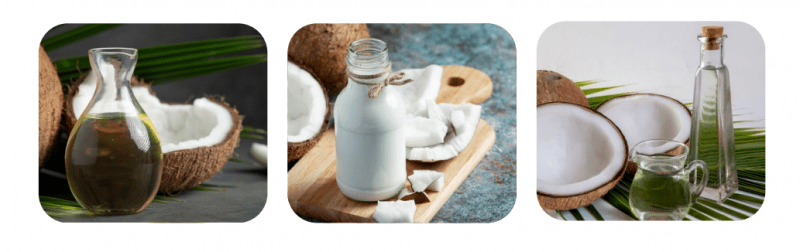
Premium extracts should appear perfectly clear when liquid and stark white when solid. If the material shows a yellowish tint or dark spots, it may indicate overheating during processing or contamination. Using modern cold-pressing techniques, regional producers ensure that the fat retains a bright, clean appearance that appeals to high-end consumers
Aroma and Taste Profile
The scent of this pure extract should be mild and fresh, reminiscent of a newly opened nut. Any sour, burnt, or chemical odors are immediate red flags for spoilage or improper refining. Regarding taste, high-quality varieties offer a subtle sweetness without any bitter aftertaste. While refined versions lack a strong scent by design, they should still taste clean and neutral
Texture and Physical State
Temperature significantly affects the texture of this plant-based fat. Below 76°F (24°C), the material should transform into a smooth, solid white mass. When melted, the substance must remain completely fluid without any grainy residues or sediment. This consistency is vital for large-scale partners who utilize the extract in automated cosmetic filling or food processing.
Why Sourcing from Reliable Suppliers Matters
Navigating the complexities of international commerce requires a partner who understands the science behind the product. Because this tropical extract remains sensitive to light, heat, and oxygen, the integrity of the supply chain is paramount. Professional entities in the regional farming sector utilize vacuum-sealed packaging and temperature-controlled logistics to preserve the delicate balance of fatty acids within the liquid.
For a large-scale distributor, purchasing this ingredient is more than a transaction; it is an investment in consumer trust. By prioritizing low Acid Values and high Lauric acid content, you ensure that every jar delivered to your customers meets the highest international benchmarks.
At VHB Group, we bridge the gap between traditional farming and modern industrial needs. We provide fully documented inventory that satisfies every technical and sensory requirement of the worldwide market. Our commitment to transparency means you always know the exact peroxide and moisture levels of your batch before it leaves the port.
Secure Your Premium Coconut Oil Supply Today
Are you looking for a consistent, lab-verified source of coconut oil for your 2026 production goals? Don’t leave your product quality to chance.
Contact VHB Group now to request a full Technical Data Sheet (TDS) for our latest coconut oil harvest. We offer flexible wholesale solutions and comprehensive export documentation to help you lead your local market with superior coconut oil products!