
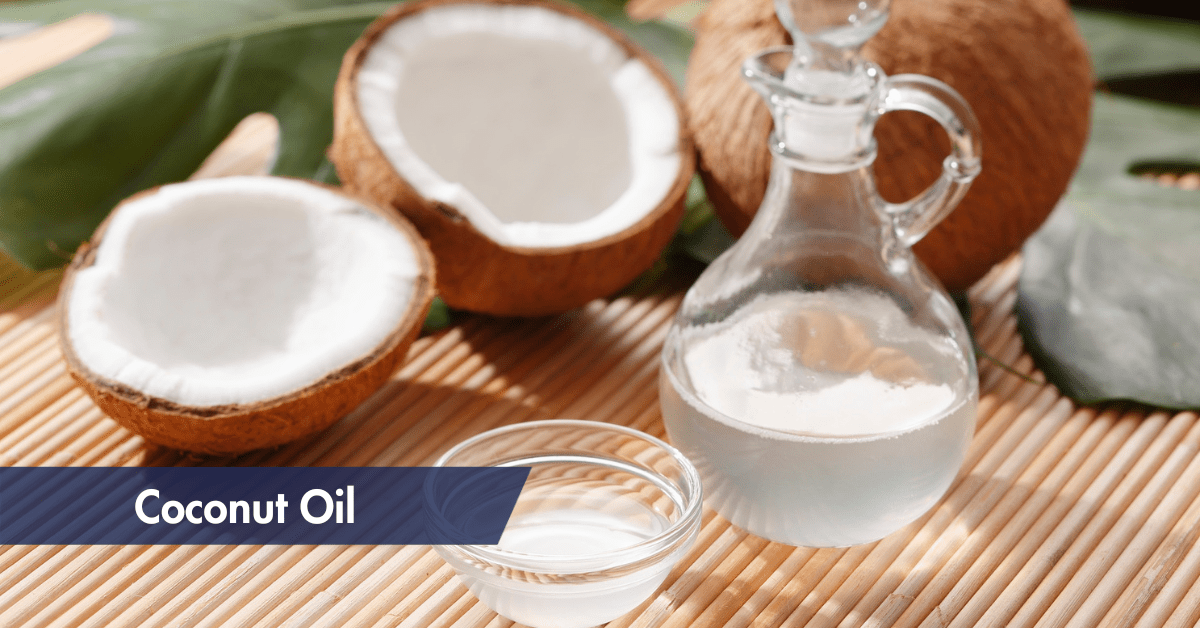
In the competitive landscape of natural export goods, coconut oil stands out as a high-demand commodity. Whether your enterprise suppliers the cosmetic, culinary, or nutraceutical sectors, maintaining the chemical stability of this versatile lipid remains a professional necessity. Premium grades contain sensitive fatty acids that require specific environmental controls to prevent rancidity. This comprehensive guide details the industrial standards for managing your liquid gold stock, ensuring that the extract remains premium from the warehouse to the retail shelf. Success in global trade depends on these rigorous preservation protocols.
Core Principles of Coconut Oil Preservation
To safeguard biological integrity, wholesale distributors must mitigate the risks of oxidation and microbial contamination in their shipments. While this plant-based fat possesses a naturally long shelf life, improper handling can degrade the aromatic profile of the tropical extract. Professionals manage these sensitive lipids by focusing on three primary variables: temperature, light exposure, and sanitation.
1. Mitigating Thermal and Light Exposure for Coconut Oil
Thermal fluctuations and ultraviolet radiation represent the primary threats to product stability. Excessive heat accelerates the decomposition of medium-chain triglycerides within the lipids, resulting in premature degradation. Professional handlers should maintain their stock in a temperate, dry pantry or a climate-controlled warehouse facility. Isolating the inventory from industrial heat sources helps preserve the robust, natural aroma of the extract. Furthermore, direct sun exposure can trigger photo-oxidation, making it essential for wholesale retailers to prioritize opaque containment for their supply.
2. Maintaining Absolute Seal Integrity
Atmospheric contact facilitates the proliferation of aerobic bacteria within the extract. Professional suppliers always ensure that container lids remain tightly fastened after every access. A secure seal serves as a critical defense, preventing air from infiltrating the lipid supply. By maintaining a hermetic barrier for your inventory, you significantly extend the usability of the substance and ensure it stays fresh for 12 months.
Technical Handling and Decanting Strategies
Managing bulk quantities of these tropical lipids requires a strategic approach to prevent cross-contamination. Every shipment represents a significant investment in the international market, especially when sourcing products of Vietnam origin.
3. Sanitation Protocols
Water ingress represents a significant threat to the chemical stability of this tropical fat. Even a minimal amount of moisture can introduce mold into a large batch of the product. Consequently, industry professionals only use dry, sterilized utensils when extracting the lipid from industrial drums. By enforcing rigorous sanitation standards, you protect the entire shipment from biological spoilage. Wholesalers who distribute the extract emphasize the necessity of using clean tools to maintain long-term product integrity.
4. Strategic Decanting
For B2B partners managing high-volume shipments, decanting the inventory into smaller vessels is a strategic move. By subdividing your stock into manageable units, you minimize the frequency with which the primary supply encounters oxygen. This methodology enables you to maintain the bulk of the material in deep storage while utilizing only the necessary portions for immediate distribution.
Understanding the Physical States
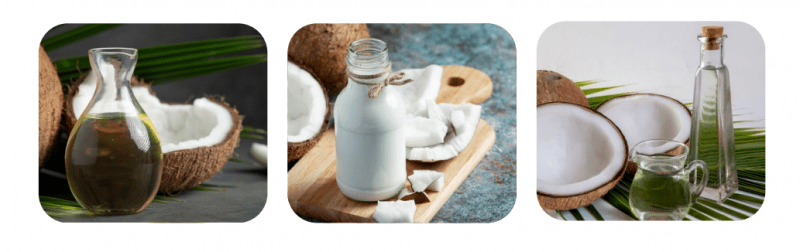
The physical appearance of this tropical extract changes based on the ambient temperature. Understanding these phase transitions is vital for educating your clients about the consistency of the product they receive.
5. Liquid vs. Solid Coconut Oil
The phase transition for this tropical extract occurs at approximately 24°C (75°F). Within standard temperature ranges, the product typically maintains a liquid consistency. As long as the environment remains cool, the fluid state preserves its quality perfectly. However, in tropical regions, refrigeration represents a superior storage strategy. Although cold temperatures cause the lipids to solidify into a waxy mass, this solid state offers the maximum level of structural protection for the substance.
6. Managing Refrigerated
If you choose cold storage for your inventory, you should avoid the freezer. Sub-zero temperatures can alter the physical texture of the lipids, making it difficult to process the material for later applications. When you are ready to utilize the solidified substance, gentle warming is the only step required to restore a liquid consistency. This phase cycle does not compromise the grade of the extract, provided you avoid aggressive melting methods that could scorch the delicate aromatics of the supply.
Inventory Tracking and Quality Assurance for Coconut Oil
7. Labeling and Batch Control
Effective inventory management for this tropical commodity relies on precise labeling. We recommend that wholesale distributors mark the “opening date” on every container in their warehouse. Since the shelf life varies by grade, consistent monitoring ensures you always ship the freshest product to your clients. Tracking the age of your supply prevents the accumulation of stagnant stock and maximizes inventory turnover.
Why Source Your Oil from VHB Group?
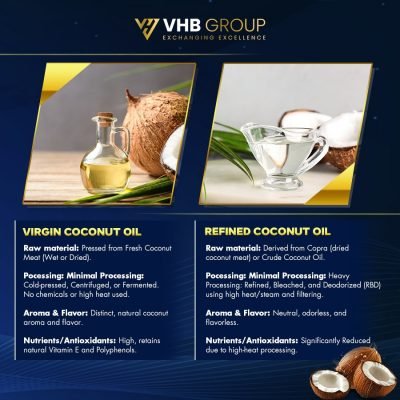
VHB Group provides high-grade extracts from regional farming that meet the most stringent international purity standards. We process our yields using sustainable methods that preserve the natural antioxidants and vital fatty acids within the lipid structure. When you partner with us for your global trade needs, you receive a Vietnam origin product backed by excellence.
Are you ready to elevate your product line with premium coconut oil?
Contact VHB Group today to discuss high-volume opportunities for our premium tropical extracts. Our team can provide technical specifications and customized packaging solutions for these high-demand lipids to help your business distribute the finest natural goods. Let us help you maximize the potential and profitability of your liquid gold investments.