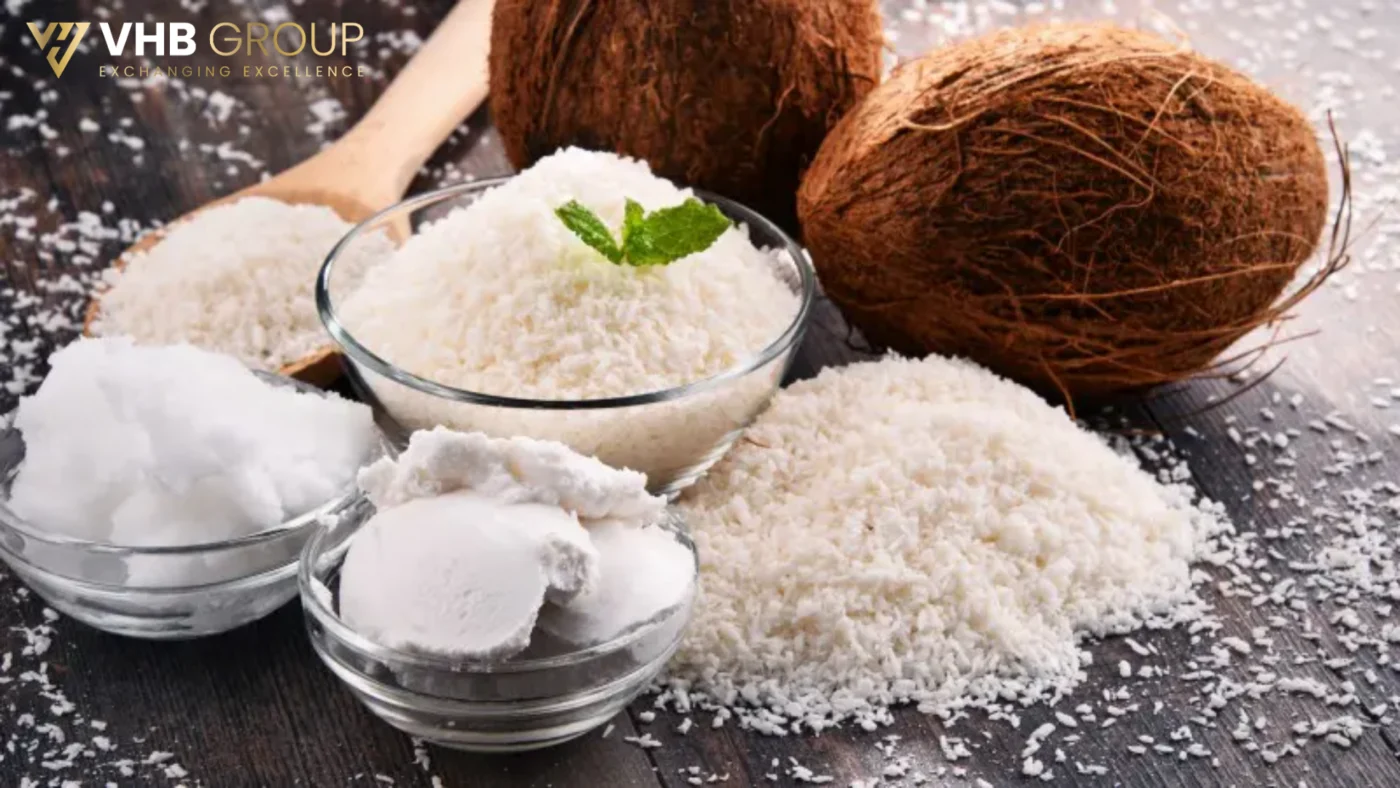
When sourcing agricultural commodities globally, understanding the nuances of Desiccated Coconut Special SKUs is essential for B2B buyers looking to optimize their supply chains and deliver premium quality products to their end consumers. In this authoritative guide, we provide procurement directors, food manufacturing executives, and wholesale distributors with an extensive overview of the technical parameters, processing phases, international standards, and logistical considerations required to successfully import premium desiccated coconut.
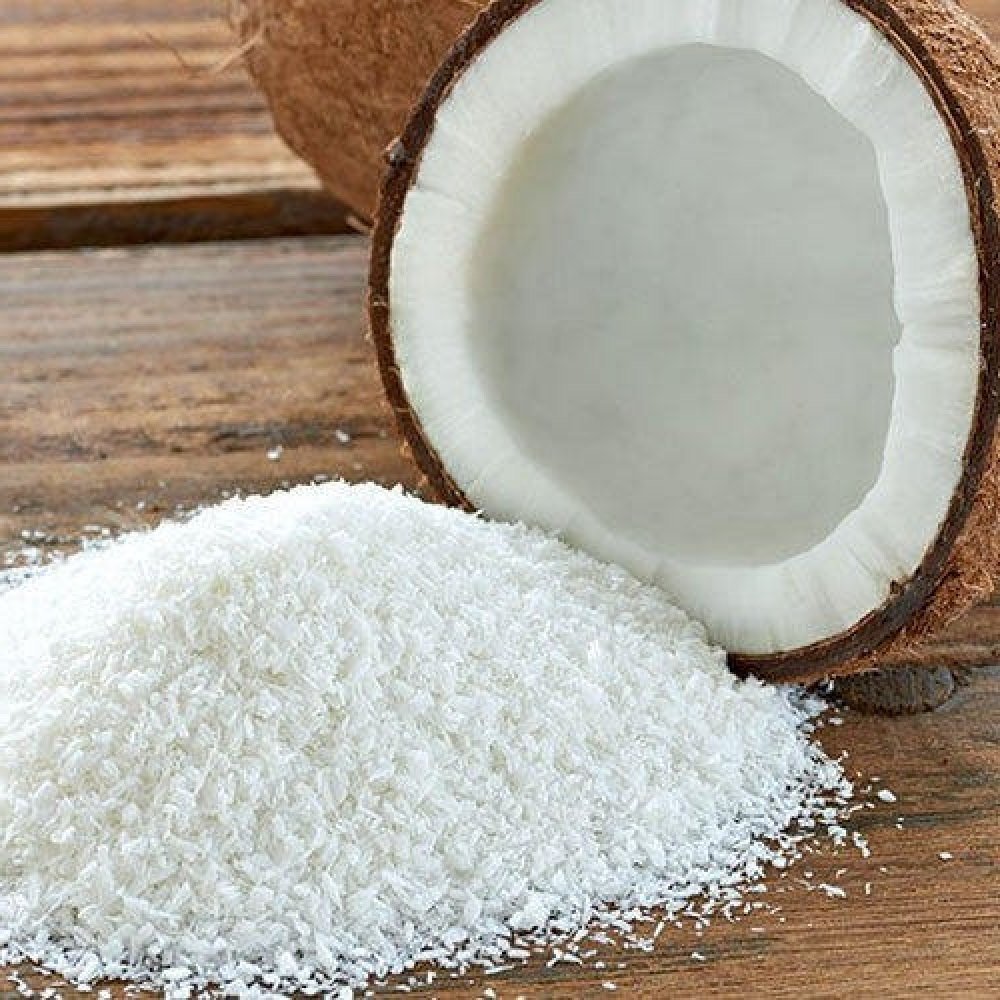
Table of Contents
- 1. Global Coconut Market & Vietnam’s Strategic Role
- 2. Deep Dive: What are Desiccated Coconut Special SKUs?
- 3. Technical Specifications and Grading Standards
- 4. Processing Methods and Quality Control
- 5. Quality Standards and Food Safety Compliance
- 6. B2B Logistics, Packaging, and Shelf-Life
- 7. Sourcing Desiccated Coconut Special SKUs from VIHABA
- 8. Frequently Asked Questions (FAQs)
- 9. Conclusion
Global Coconut Market & Vietnam’s Strategic Role
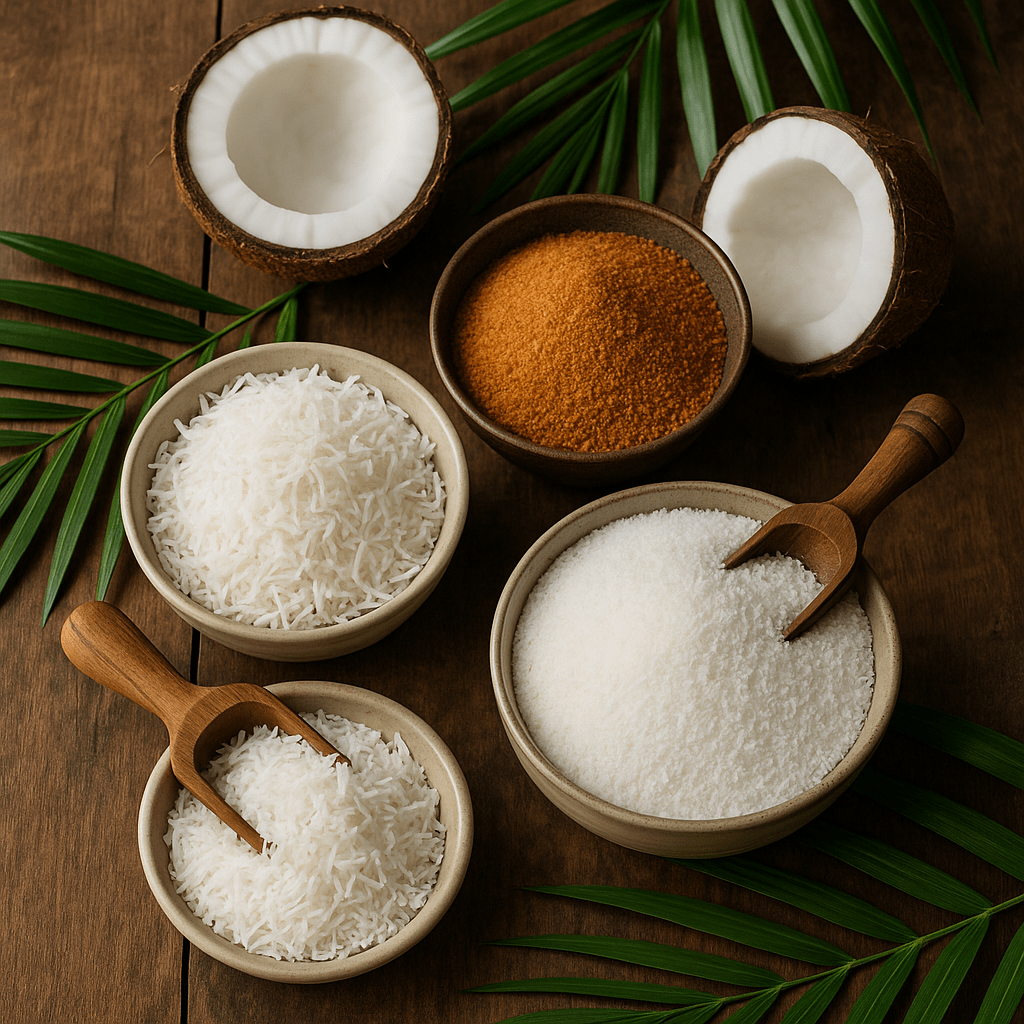
[IN_POST_IMAGE]The global demand for coconut-based ingredients has experienced exponential growth over the past decade. Driven by the plant-based revolution, health-conscious consumer behavior, and the versatile applications of coconut in the confectionery, bakery, and dairy industries, industrial buyers require stable, high-quality sourcing options. Vietnam has rapidly emerged as a key global supplier, rivaling traditional producers like the Philippines and Indonesia.
Vietnam’s premier coconut cultivation hub is Bến Tre Province, located in the fertile Mekong Delta region. The province’s rich alluvial soil, consistent tropical climate, and natural water networks provide the absolute ideal conditions for growing coconuts with high oil content and natural sweetness. This distinct geographic advantage directly influences the quality of the final processed products, making Vietnamese coconut highly sought-after in international markets.
Furthermore, Vietnamese agricultural exporters have embraced modern agricultural technology, organic certification frameworks, and sustainable farming methods. This evolution has empowered the country to move beyond standard commodities and offer highly customized solutions to meet strict food safety and functional requirements globally.
Deep Dive: What are Desiccated Coconut Special SKUs?
In the industrial food processing sector, a one-size-fits-all approach to ingredients rarely suffices. While standard fine and medium grades are widely available, many manufacturers require specialized cuts, customized oil content, or specific moisture parameters to optimize their production processes. This is where Desiccated Coconut Special SKUs play a vital role.
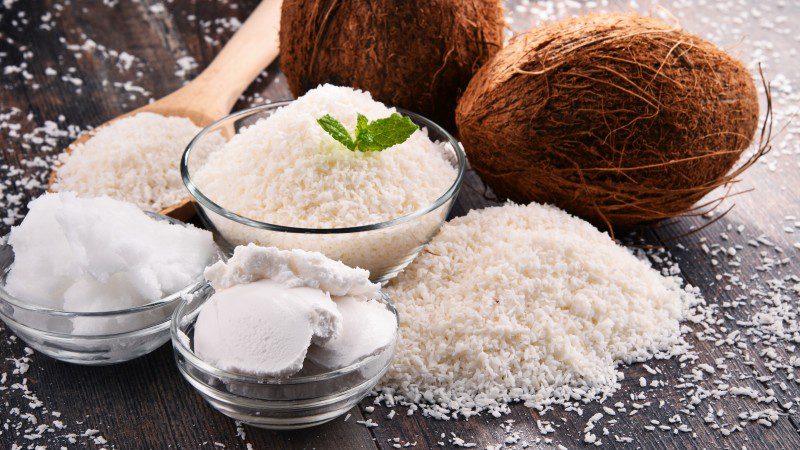
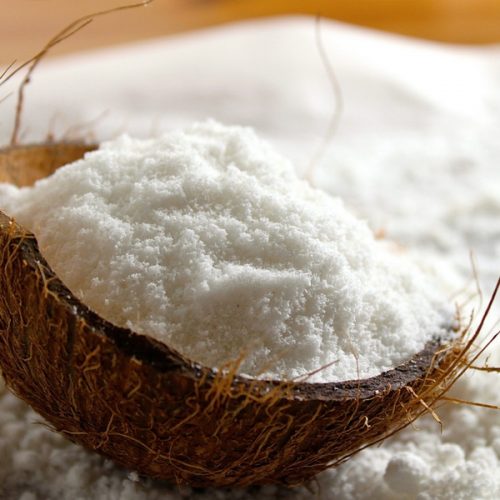
Desiccated coconut is shredded, chipped, or flaked coconut meat that has been dried to a specific moisture level (typically under 3%) after removing the outer brown skin (paring). The term ‘Special SKUs’ refers to customized cuts and specifications engineered to meet precise culinary, aesthetic, and chemical profiles. These include:
- Fancy Flakes & Chips: Broad, thin slices of coconut meat ideal for premium granola mixes, cereal toppings, and snack applications where texture and visual appeal are critical.
- Thread & Shred Grades: Longer, delicate strands used primarily in specialized confectionery, bakery decorations, and traditional Asian desserts.
- Toasted and Sweetened Varieties: Value-added formulations where the coconut undergoes controlled roasting for enhanced flavor profiles or is pre-sweetened to specific Brix levels.
- Low-Fat vs. High-Fat Customization: Standard desiccated coconut contains roughly 65% fat. Special SKUs can be processed to deliver lower fat ranges (typically 45-55% or even lower) for calorie-conscious formulations or specific binding requirements in baking.
Selecting the right specification ensures optimal behavior during manufacturing, such as moisture absorption, fat migration control, and structural integrity of the final consumer product.
Technical Specifications and Grading Standards
To assist procurement managers in setting exact product specifications, the table below outlines the standard analytical parameters for high-quality Desiccated Coconut Special SKUs sourced from premium Vietnamese origins.
| Parameter | High-Fat Fine Grade | High-Fat Medium Grade | Special Flakes / Chips | Testing Standard / Method |
|---|---|---|---|---|
| Moisture Content | Max 3.0% | Max 3.0% | Max 3.5% | AOAC / Halogen Dryer |
| Total Fat Content | Min 63% – 65% | Min 63% – 65% | Min 60% – 63% | Soxhlet Extraction |
| Free Fatty Acids (FFA) | Max 0.1% (as Lauric) | Max 0.1% (as Lauric) | Max 0.15% (as Lauric) | Titrations |
| Sulfur Dioxide (SO2) | Free or Max 50 ppm | Free or Max 50 ppm | Free or Max 50 ppm | Monier-Williams Method |
| pH (10% dispersion) | 6.0 – 6.7 | 6.0 – 6.7 | 6.0 – 6.7 | pH Meter |
| Salmonella | Absent in 25g | Absent in 25g | Absent in 25g | ISO 6579 |
| E. Coli | Absent in 1g | Absent in 1g | Absent in 1g | ISO 16649 |
These rigid benchmarks ensure that every batch exhibits exceptional shelf-life stability, prevents rancidity, and meets global regulatory compliance laws, including those enforced by the US FDA and European Food Safety Authority (EFSA).
Processing Methods and Quality Control
The transition from a raw, freshly harvested coconut to high-grade Desiccated Coconut Special SKUs is a meticulous process requiring advanced machinery and strict hygienic conditions. The manufacturing flow consists of several vital stages:
1. De-Husking and Paring
Harvested coconuts are aged to ensure optimal maturity before de-husking. The hard outer shell is removed manually or mechanically, followed by the careful removal of the thin, brown outer skin (paring). Only the pure white inner kernel is utilized for processing to ensure a pristine color profile free of dark specks.
2. Washing and Blanching
The white coconut kernels undergo multiple washing cycles using purified, chlorinated water to eliminate any surface organic matter. Following washing, the kernels are passed through a steam-blanching chamber. Blanching is a critical control point (CCP) in the food safety system, raising the core temperature of the coconut meat to destroy pathogenic bacteria, particularly Salmonella and coliforms.
3. Grating, Shredding, and Cutting
Depending on the required SKU, the blanched kernels are fed into specialized cutting machinery. Precision blades can be calibrated to slice the kernel into ultra-thin chips, broad flakes, or grate them into standard fine/medium sizes. For customized orders, unique cutting profiles are deployed to match client-provided reference samples perfectly.
4. Fluidized Bed Drying
The cut coconut is then continuously fed into a multi-stage fluidized bed dryer. Here, hot air is blown through a vibrating bed of coconut, ensuring uniform drying and preventing heat spot discoloration. This process carefully lowers the moisture content from approximately 50% down to under 3%, stabilizing the fat and preserving the natural aroma and color.
5. Cooldown, Sieving, and Metal Detection
Post-drying, the coconut is cooled to ambient temperatures to prevent condensation and oil separation during packaging. It then passes through a series of vibrating sieves to remove any oversized or undersized particles, ensuring perfect size uniformity. Finally, the product is routed through state-of-the-art metal detectors and magnets to capture any potential physical hazards before the packaging phase.
Quality Standards and Food Safety Compliance
In the global agricultural B2B export landscape, certifications are the cornerstone of trust. Food manufacturers cannot compromise on safety standards, especially when integrating raw ingredients into complex processing lines. High-quality Desiccated Coconut Special SKUs must adhere to recognized international quality management and food safety systems.
Key global certifications include:
- HACCP & ISO 22000: Establishes preventive systems for hazard analysis and critical control points, covering the entire raw material handling and processing workflow.
- BRCGS (British Retail Consortium Global Standard) / IFS Food: High-level GFSI-recognized certifications demonstrating an advanced commitment to food safety culture, product quality, and supply chain traceability.
- Kosher & Halal Certifications: Essential compliance indicators for dietary preferences, expanding the market reach of the finished products globally.
- Social Audits (SMETA / BSCI): Growing in demand, these audits verify fair labor practices, safe working conditions, and environmental sustainability at the processing facilities.
By securing these international credentials, processors assure global buyers of zero chemical contamination, zero foreign materials, and absolute microbiological safety.
B2B Logistics, Packaging, and Shelf-Life
Ensuring that premium desiccated coconut arrives at its destination in perfect condition requires careful planning around packaging and logistic controls. Because of its high fat content, desiccated coconut is susceptible to oxidation (rancidity), moisture absorption, and environmental odors if not handled correctly.
Packaging Specifications
Standard export packaging for Desiccated Coconut Special SKUs consists of multi-layer Kraft paper bags with an inner food-grade Polyethylene (PE) liner. The typical net weight per bag is 25 kg or 50 lbs, designed for easy manual handling and palletization. For high-volume industrial processing plants, heavy-duty polypropylene bulk bags (FIBC/Jumbo bags) ranging from 500 kg to 1,000 kg are also widely used, optimized for automated discharge systems.
Storage and Shipping Controls
To preserve product quality, desiccated coconut must be stored in a cool, dry environment (relative humidity below 60%, temperature under 25 degrees Celsius) away from direct sunlight and strong-smelling commodities. During ocean freight transit, shipping containers should be dry, clean, and free of moisture or pest infestation. Silica gel bags (dry bags) are commonly placed in containers to control humidity and prevent container sweat.
Under optimal storage conditions, high-fat desiccated coconut maintains an excellent shelf life of 12 to 18 months, while low-fat alternatives can last up to 24 months without noticeable degradation in flavor or color.
Sourcing Desiccated Coconut Special SKUs from VIHABA

As a leading exporter of agricultural commodities in Vietnam, VIHABA has built a solid reputation for bridging the gap between local farming communities and demanding international B2B buyers. Sourcing your Desiccated Coconut Special SKUs through VIHABA offers direct, strategic advantages for your procurement chain:
- Direct Origin Sourcing: VIHABA works closely with state-of-the-art processing plants situated directly in Bến Tre Province, eliminating intermediaries to deliver highly competitive farm-to-factory pricing.
- Bespoke Customization (Tailored SKUs): We understand that every buyer has unique product requirements. Whether you need a specific moisture content, customized fat percentages, or unique cut sizes (such as custom shredded or fancy long threads), we work directly with our quality control teams to formulate matching specifications.
- Rigorous Quality Assurance: Every shipment undergoes independent, third-party inspections (such as SGS or Bureau Veritas) to guarantee strict adherence to microbiological, physical, and chemical requirements before export.
- Supply Chain Transparency & Sustainability: VIHABA is committed to sustainable agriculture, supporting local farmers through fair-trade practices, crop optimization guidance, and clear raw material traceability from farm to container.
- End-to-End Logistics Management: From phytosanitary certification and customs clearance to selecting the most reliable freight routes, our experienced logistics team ensures timely delivery to ports worldwide.
With VIHABA as your long-term supply partner, you receive consistent quality, reliable volume commitments, and dedicated customer support at every step of your import journey.
Frequently Asked Questions (FAQs)
Q1: What is the primary difference between standard desiccated coconut and special SKUs?
Standard desiccated coconut is typically available in standard fine or medium grades. Special SKUs, on the other hand, feature highly customized cuts (such as chips, flakes, or extra-long threads), adjusted fat content (low fat vs. high fat), and unique processing treatments like controlled roasting (toasted) or sweetening, tailored to the specific functional and aesthetic needs of commercial manufacturers.
Q2: How does Vietnam’s desiccated coconut compare to other origins?
Vietnam’s Mekong Delta region, specifically Bến Tre Province, possesses rich, alluvial soil that yields coconuts with high natural sweetness and exceptional oil profiles. Combined with the country’s rapid adoption of advanced, GFSI-certified processing technologies, Vietnamese desiccated coconut offers outstanding taste, consistency, and competitive pricing compared to other major origins.
Q3: What is the typical shelf life of Desiccated Coconut Special SKUs?
When stored in a clean, cool, and dry environment (temperatures below 25 degrees Celsius and relative humidity under 60%), high-fat desiccated coconut has a stable shelf life of 12 to 18 months. Low-fat variants can maintain freshness for up to 24 months. Proper shipping and handling are crucial to preventing moisture absorption and premature oxidation.
Q4: Can VIHABA provide custom-sized packaging for industrial buyers?
Yes. While our standard packing consists of multi-wall 25 kg or 50 lbs Kraft paper bags with food-grade inner PE liners, we also offer large industrial bulk bags (Jumbo/FIBC bags) of 500 kg to 1,000 kg. Custom retail-ready packing and private labeling options can also be arranged based on the client’s volume requirements.
Q5: How does VIHABA ensure microbiological safety, especially against Salmonella?
Microbiological safety is our top priority. The raw coconut meat undergoes a highly controlled steam-blanching process, which serves as a validated critical control point (CCP) to eliminate Salmonella and other pathogens. Furthermore, we conduct strict microbiological testing on every batch through certified third-party laboratories prior to container sealing and export dispatch.
Conclusion
In the competitive global food manufacturing sector, securing a dependable, transparent supply of high-quality ingredients is key to long-term success. Understanding and procuring the right Desiccated Coconut Special SKUs can transform your product formulation, enhancing both visual appeal and texture while maintaining strict cost-efficiency. By partnering with a dedicated supplier like VIHABA, B2B buyers gain access to Vietnam’s finest coconut origins, advanced customization capabilities, and unmatched food safety compliance. Contact the export specialists at VIHABA today to discuss your specific ingredient specifications and secure your supply chain with our premium agricultural solutions.