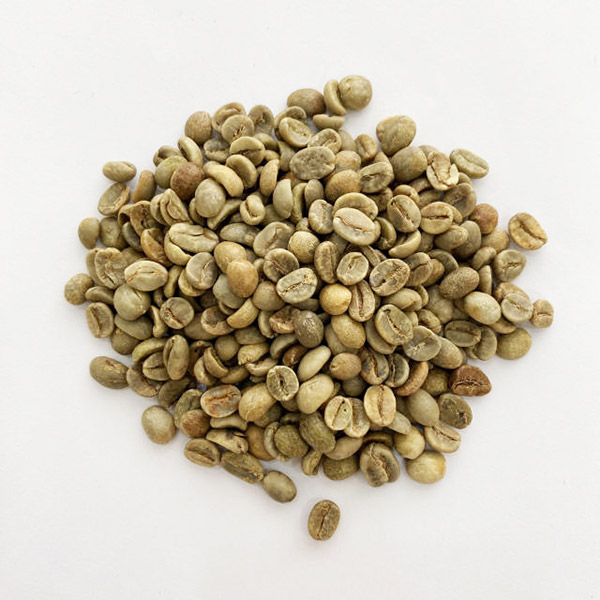
Sourcing Green Coffee Beans Bulk Export inventory provides international commercial roasters, specialty coffee importers, beverage conglomerates, and green coffee trading houses with an essential agricultural commodity. Extracted from the fruit of the Coffea plant, green coffee represents one of the most actively traded soft commodities globally. Managing large-scale green coffee supply chains requires navigating origin harvest dynamics, processing method selections, physical grading standards, hermetic moisture protection, and complex international trade regulations.
For B2B procurement directors and green coffee buyers, securing full container load (FCL) consignments requires evaluating critical physical, sensory, and logistical parameters. Buyers must analyze moisture content, screen sizes, defect counts, cupping scores, packaging choices (GrainPro lined jute vs. bulk container liners), and ocean freight risk management. This technical guide evaluates the operational, chemical, and logistical protocols necessary to build a profitable, high-yield green coffee supply chain.
Table of Contents
-
Global Market Demand and Commercial Dynamics of Green Coffee
-
Primary Processing Methodologies: Washed, Natural, Honey, and Wet-Hulled
-
Physical and Chemical Quality Metrics: Moisture, Water Activity, and Screen Size
-
Packaging Configurations and Ocean Container Payload Economics
-
B2B Landed Cost and Yield Calculation Framework
-
Import Compliance, Phytosanitary Standards, and Customs Documentation
-
Frequently Asked Questions (FAQ)
1. Global Market Demand and Commercial Dynamics of Green Coffee
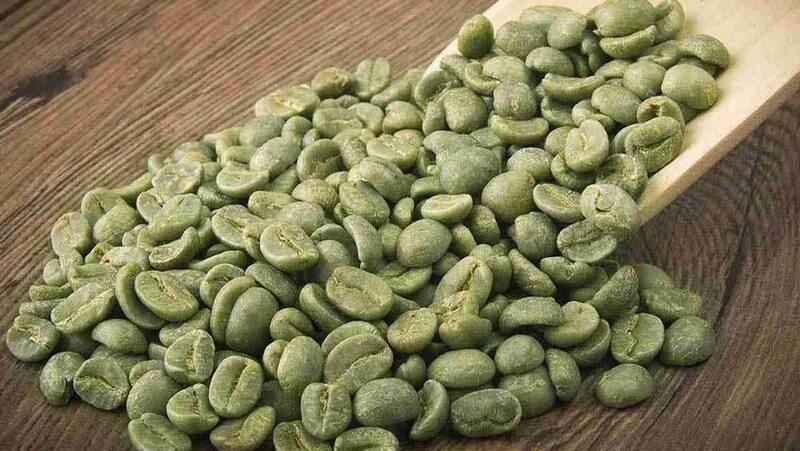
The Green Coffee Beans Bulk Export market operates across two distinct commercial species: Coffea Arabica (Arabica) and Coffea Canephora (Robusta). Understanding the commercial applications of both species allows procurement managers to balance cost, flavor profile, and functional performance.
Commercial Arabica Supply Chains
Arabica coffee accounts for roughly 60% of global green coffee production. Grown at high altitudes (1,000 to 2,200 meters above sea level), Arabica is prized for its complex acidity, aromatic volatile compounds, and sweet flavor notes. It serves as the foundation for specialty coffee roasters, single-origin retail offerings, and premium espresso blends.
Commercial Robusta Supply Chains
Robusta coffee accounts for approximately 40% of global trade, cultivated primarily in lower-elevation tropical zones. Robusta beans possess higher caffeine levels (2.2% to 2.7%), higher chlorogenic acid content, and lower natural sugars. Robusta is an essential commercial ingredient for instant coffee manufacturing, commercial supermarket blends, and espresso formulations requiring thick crema and heavy body.
2. Primary Processing Methodologies: Washed, Natural, Honey, and Wet-Hulled
The post-harvest processing method deployed at origin alters the physical moisture mechanics, sugar absorption, and final flavor profile of green coffee beans.
[Harvested Coffee Cherries]
            │
            ├───────────────────────┼───────────────────────┬───────────────────────┐
            ▼                       ▼                       ▼                       ▼
    [Washed Process]        [Natural Process]        [Honey Process]        [Wet-Hulled (Giling)]
  - Depulped Immediately  - Dried Whole Cherry    - Depulped with Mucilage - Hulled at High Moisture
  - Fermented in Water    - High Fruit Absorption - Controlled Drying      - Deep Green Color
  - Clean, Acidic Cup     - Heavy Body, Fruity    - Sweet, Complex Cup     - Heavy Body, Low Acid
Washed (Wet) Processing
Coffee cherries are depulped immediately after harvesting to remove the outer skin. The beans undergo submerged water fermentation for 12 to 36 hours to break down the sticky mucilage layer before being washed clean and dried on patio beds.
-
Commercial Characteristics: Delivers high acidity, clean cup clarity, and consistent green bean appearance with low physical defect rates.
Natural (Dry) Processing
Whole, unpeeled coffee cherries are spread directly onto raised drying beds or concrete patios under the sun for 2 to 4 weeks. The green bean dries inside the intact fruit, absorbing natural sugars from the pulp.
-
Commercial Characteristics: Produces beans with a heavier body, lower perceived acidity, and intense berry or tropical fruit flavor profiles.
Honey (Pulped Natural) Processing
Cherries are depulped to remove the outer skin, but varying percentages of sticky mucilage are left on the parchment during sun drying.
-
Commercial Characteristics: Combines the clean acidity of washed coffees with the sweetness and body of natural processed coffees.
Wet-Hulled Processing (Giling Basah)
Common in Southeast Asian origins (such as Indonesia). Farmers depulp the cherry, dry the parchment briefly to 30% to 35% moisture, hull the parchment off while wet, and finish drying the bare green beans.
-
Commercial Characteristics: Yields dark blue-green beans with heavy body, earthy or herbal flavor notes, and low acidity.

3. Physical and Chemical Quality Metrics: Moisture, Water Activity, and Screen Size
To meet International Coffee Organization (ICO) and Specialty Coffee Association (SCA) trade specifications, wholesale green coffee consignments must comply with strict physical parameters:
| Quality Parameter | Technical Standard Benchmark | Test Method | Functional Significance |
| Moisture Content | 10.0% to 12.0% Maximum | Capacitance Moisture Meter | Prevents mold growth (> 12.5%) and woody fading (< 9.0%). |
| Water Activity (a_w) | 0.53 to 0.60 a_w | Water Activity Meter | Predicts microbial stability and shelf-life fading. |
| Screen Size (Grade) | Screen 18, 16, 14, or 13 | Sieve Shaker (1/64 inch) | Ensures uniform bean size for consistent roasting transfer. |
| Primary Defect Count | 0 Defects (Specialty) / < 5 (Grade 1) | SCA Defect Board | Eliminates sour, black, or moldy beans affecting cup flavor. |
| Cupping Score | 80.0+ (Specialty) / < 80 (Commercial) | SCA Protocol | Determines pricing tier and target retail channel. |
4. Packaging Configurations and Ocean Container Payload Economics
Selecting the appropriate packaging format governs ocean freight density, moisture protection during transit, and labor costs at receiving roasting plants.
60kg / 69kg Jute Bags with Hermetic Liners
The universal industry standard for green coffee export. Jute bags are lined with high-barrier, multi-layer hermetic plastic bags (such as GrainPro or Ecotact).
-
Payload Yield: 320 to 350 bags per 20ft dry container (19.2 to 21.0 Metric Tons).
-
Protective Value: The hermetic liner stops water vapor ingress, oxygen absorption, and atmospheric humidity shifts during ocean transit, preventing baggy or faded flavors.
1,000kg FIBC Super Sacks (Bulk Totes)
Heavy-duty woven polypropylene big bags fitted with inner hermetic liners and bottom discharge spouts.
-
Payload Yield: 20 super sacks per 20ft FCL container (20.0 Metric Tons).
-
Protective Value: Ideal for large commercial roasting facilities equipped with automated overhead hoist discharging systems.
Bulk Container Liners (Dry Bulk Shipping)
A single giant food-grade polyethylene liner installed across the entire interior of a 20ft container, into which loose green coffee is blown directly.
-
Payload Yield: 21.0 to 22.5 Metric Tons per 20ft container.
-
Protective Value: Maximizes container volume utilization and lowers packaging cost per kilogram for high-volume commercial instant coffee plants.
5. B2B Landed Cost and Yield Calculation Framework
Procurement managers calculate net landed costs across ocean transport routes by applying a structured calculation sequence:
-
Step 1: Calculate Total Shipping Overhead = Ocean Freight Charges + Import Customs Duties + Marine Insurance + Local Port Drayage.
-
Step 2: Calculate Destination Handling & Warehouse Fees = Container Unstripping + Palletizing Fees + Sampling Fees.
-
Step 3: Calculate Weight Loss in Transit = Shipped Mass x Natural Moisture Loss Percentage (typically 0.3% to 0.8% across long ocean voyages).
-
Step 4: Calculate Net Landed Cost per Usable Kilogram = (Total FOB Origin Purchase Value + Total Shipping Overhead + Destination Handling) / (Shipped Weight x [1 – Weight Loss %]).
6. Import Compliance, Phytosanitary Standards, and Customs Documentation
Importing commercial green coffee consignments requires strict adherence to international plant health regulations and customs documentation.
Essential Export Documentation Suite
-
Commercial Shipping Documents: Master Bill of Lading (B/L), Commercial Invoice, Detailed Packing List, and Certificate of Origin (COO).
-
ICO Certificate of Origin: Official document issued under International Coffee Organization guidelines tracking origin country, producer code, and bag marking numbers.
-
Phytosanitary Certificate: Issued by origin agricultural health agencies certifying that the raw beans are free from live pests (such as the coffee berry borer) and agricultural disease.
-
Customs Tariff Classification: Classified under HS Code 0901.11.00 (Coffee, not roasted, not decaffeinated) or HS Code 0901.12.00 (Coffee, not roasted, decaffeinated).
Green Coffee Beans Bulk Export FAQ
Disclaimer: Unless otherwise stated, the images used in this article are the property of their respective owners. We do not claim ownership of any third-party images featured, and they are used here strictly for informational and educational purposes. If you are the copyright holder and wish to have an image removed, please contact us.