
Sourcing Bulk Split Cinnamon Bark Export inventory provides international spice mills, commercial extraction plants, flavor houses, pharmaceutical formulators, and wholesale spice packagers with an economical, high-yielding raw cinnamon commodity. Processed by longitudinally splitting harvested cinnamon stems into clean, narrow strips prior to drying, Split Cinnamon Bark (commercially traded as KABC and KBBC grades) balances high volatile essential oil density with rapid mechanical handling and efficient ocean freight container packing.
For procurement directors, commercial buyers, and supply chain managers at VHB Group, procuring full container load (FCL) consignments of wholesale split cinnamon bark requires evaluating key chemical and physical parameters. Procurement teams must manage split length calibration, volatile oil (VHO) retention, moisture limits, hydraulic compression density, and international phytosanitary compliance. This technical guide evaluates the operational, chemical, and logistical frameworks necessary to build a highly profitable distribution pipeline.
Table of Contents
-
Global Commercial Demand and Industrial Grinding Value
-
Mechanical Processing: Longitude Splitting vs. Whole Quill Rolling
-
Technical Specifications and Volatile Oil Quality Matrix
-
Packaging Configurations, Hydraulic Bales, and Container Payload Yields
-
B2B Landed Cost and Yield Calculation Framework
-
Import Compliance, ASTA/ESA Standards, and Customs Documentation
-
Frequently Asked Questions (FAQ)

1. Global Commercial Demand and Industrial Grinding Value
Bulk split cinnamon bark is the primary raw material specified by industrial spice grinding mills worldwide.
Industrial Commercial Spice Mills
Commercial spice mills prefer split cinnamon bark over whole cigarettes or heavy unpressed rolls. Because split bark consists of narrow, flat strips, it enters commercial hammer mill hoppers smoothly without clogging or requiring preliminary crushing steps, drastically reducing mill machinery wear and energy consumption.
Flavor House Oleoresin and Essential Oil Distillation
Flavor houses distill split cinnamon bark to extract concentrated liquid cinnamaldehyde oleoresins and essential oils used in food flavorings, pharmaceutical syrups, and oral care products.
2. Mechanical Processing: Longitude Splitting vs. Whole Quill Rolling
Converting harvested cinnamon stems into split cinnamon bark requires skilled processing at origin:
[Harvested Cinnamon Stems] ──► [Outer Epidermis Scraping]
                                           │
                                           ▼
                    ┌──────────────────────┴──────────────────────┐
                    ▼                                             ▼
[Whole Quill Processing (AABC)]                [Split Bark Processing (KABC/KBBC)]
 - Rolled into tight hollow cylinders           - Longitudinally split into 1-2cm strips
 - Labor-intensive hand rolling                - Fast air drying & low labor cost
 - Ideal for retail quills                      - Ideal for commercial grinding mills
-
Whole Quill Processing (AABC Grade): Thin inner bark is carefully hand-rolled into tight cylindrical quills. While visually appealing for retail spice jars, hand rolling is labor-intensive and costly.
-
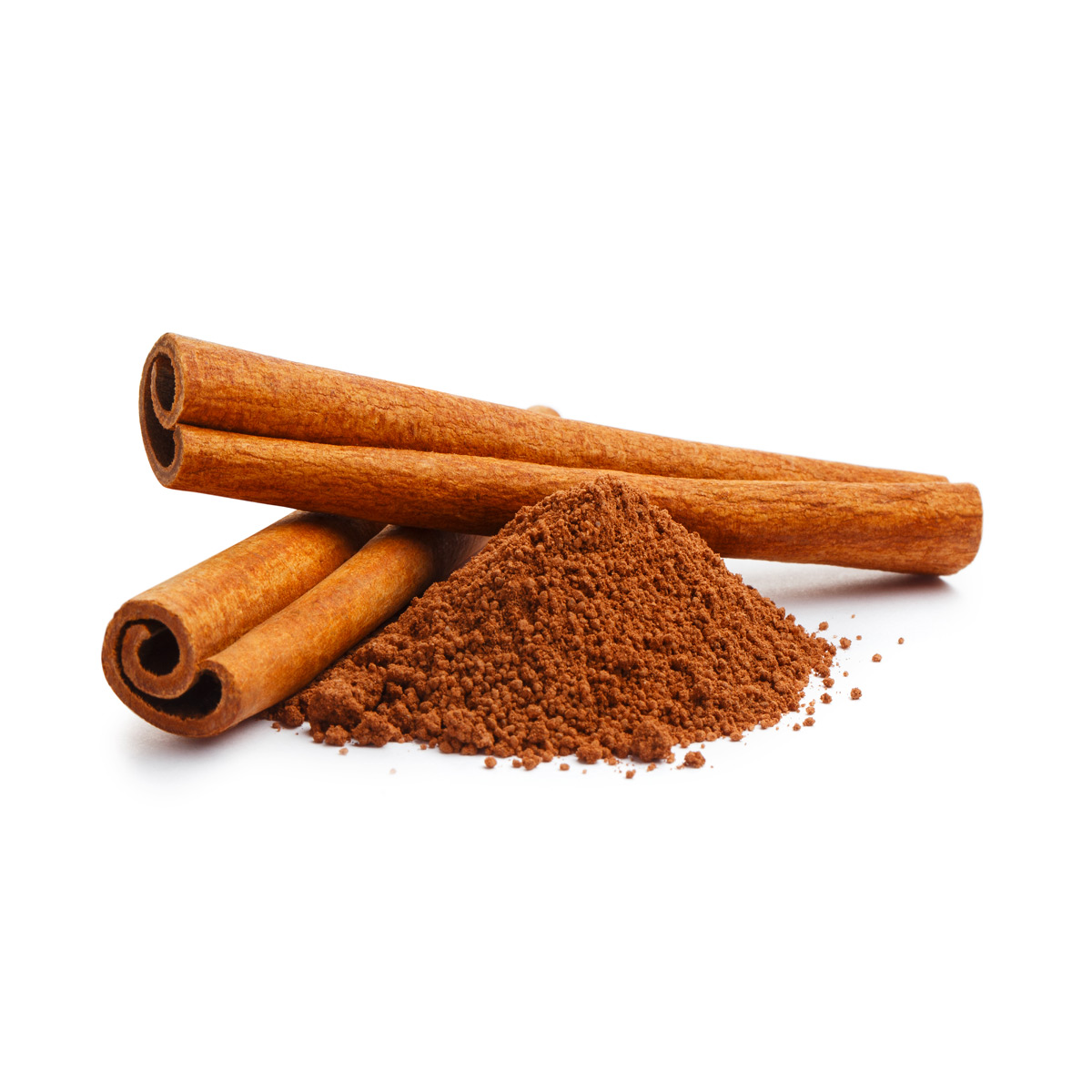
Split Bark Processing (KABC / KBBC Grades): The scraped inner bark is split longitudinally along the stem into continuous narrow strips (1cm to 2cm wide) before drying. Air circulates rapidly across both sides of the flat bark strip, drying the cinnamon down to 12.0% moisture within 48 hours while preserving natural essential oils.
3. Technical Specifications and Volatile Oil Quality Matrix
To meet ASTA and ESA standards, wholesale split cinnamon bark consignments supplied by VHB Group adhere to strict analytical thresholds:
| Quality Parameter | KABC Export Grade | KBBC Export Grade | Functional Industrial Significance |
| Volatile Oil (VHO) | 2.5% to 4.5% v/w Minimum | 1.5% to 2.5% v/w Minimum | Governs grinding potency and essential oil yield. |
| Moisture Content | Maximum 12.5% to 13.5% | Maximum 13.5% | Prevents mold growth (Aspergillus) in ocean transit. |
| Bark Thickness | 1.0mm to 2.5mm | 1.5mm to 3.5mm | Thinner bark yields higher volatile oil density. |
| Total Ash Content | Maximum 5.0% | Maximum 5.0% | Verifies mineral purity and freedom from soil dirt. |
| Acid-Insoluble Ash | Maximum 1.0% | Maximum 1.2% | Measures residual sand and silica levels. |
4. Packaging Configurations, Hydraulic Bales, and Container Payload Yields
Split cinnamon bark density varies dramatically depending on whether the bark is packed unpressed or hydraulically compressed.
Hydraulically Pressed Cartons (25kg Net)
Split cinnamon bark is compressed under high hydraulic pressure into heavy-duty corrugated cartons.
-
Payload Yield: 15.0 to 18.0 Metric Tons per 20ft container (or up to 25.0 Metric Tons per 40ft High Cube container).
-
Commercial Advantage: Doubles container weight payload compared to loose bark, cutting ocean freight costs per kilogram in half.
Unpressed Cartons / Bales (10kg – 15kg Net)
Loose split bark packed in cartons without compression.
-
Payload Yield: 7.0 to 9.0 Metric Tons per 20ft container due to volumetric headspace.
5. B2B Landed Cost and Yield Calculation Framework
Procurement teams calculate net landed costs across ocean shipping lanes by applying a structured calculation process:
-
Step 1: Determine Total Shipping Overhead = Ocean Freight Charges + Import Customs Duties + Marine Insurance Premiums + Local Port Drayage.
-
Step 2: Calculate Landed Cost per Master Carton = Free On Board (FOB) Purchase Price + (Total Shipping Overhead / Total Cartons Loaded).
-
Step 3: Calculate Landed Cost per Kilogram = Total Landed Cost per Master Carton / Net Kilograms per Carton (e.g., 25kg).
-
Step 4: Calculate Net Profit Margin Percentage = [(Target Wholesale Selling Price – Landed Unit Cost) / Target Wholesale Selling Price] x 100.

6. Import Compliance, ASTA/ESA Standards, and Customs Documentation
Clearing bulk split cinnamon imports requires complete compliance documentation verified by accredited origin testing laboratories:
-
Commercial Shipping Documents: Master Bill of Lading (B/L), Commercial Invoice, Detailed Packing List, and Certificate of Origin (COO).
-
Quality & Safety Certificates: Batch Certificate of Analysis (CoA) detailing moisture, VHO, ash, and extraneous matter percentages.
-
Phytosanitary Certificate: Issued by origin agricultural authorities confirming freedom from live insects (Tribolium) and plant diseases.
-
Customs Tariff Classification: Classified under HS Code 0906.11.00 (Cinnamon, whole bark, not ground).
Bulk Split Cinnamon Bark FAQ
Disclaimer: Unless otherwise stated, the images used in this article are the property of their respective owners. We do not claim ownership of any third-party images featured, and they are used here strictly for informational and educational purposes. If you are the copyright holder and wish to have an image removed, please contact us.