
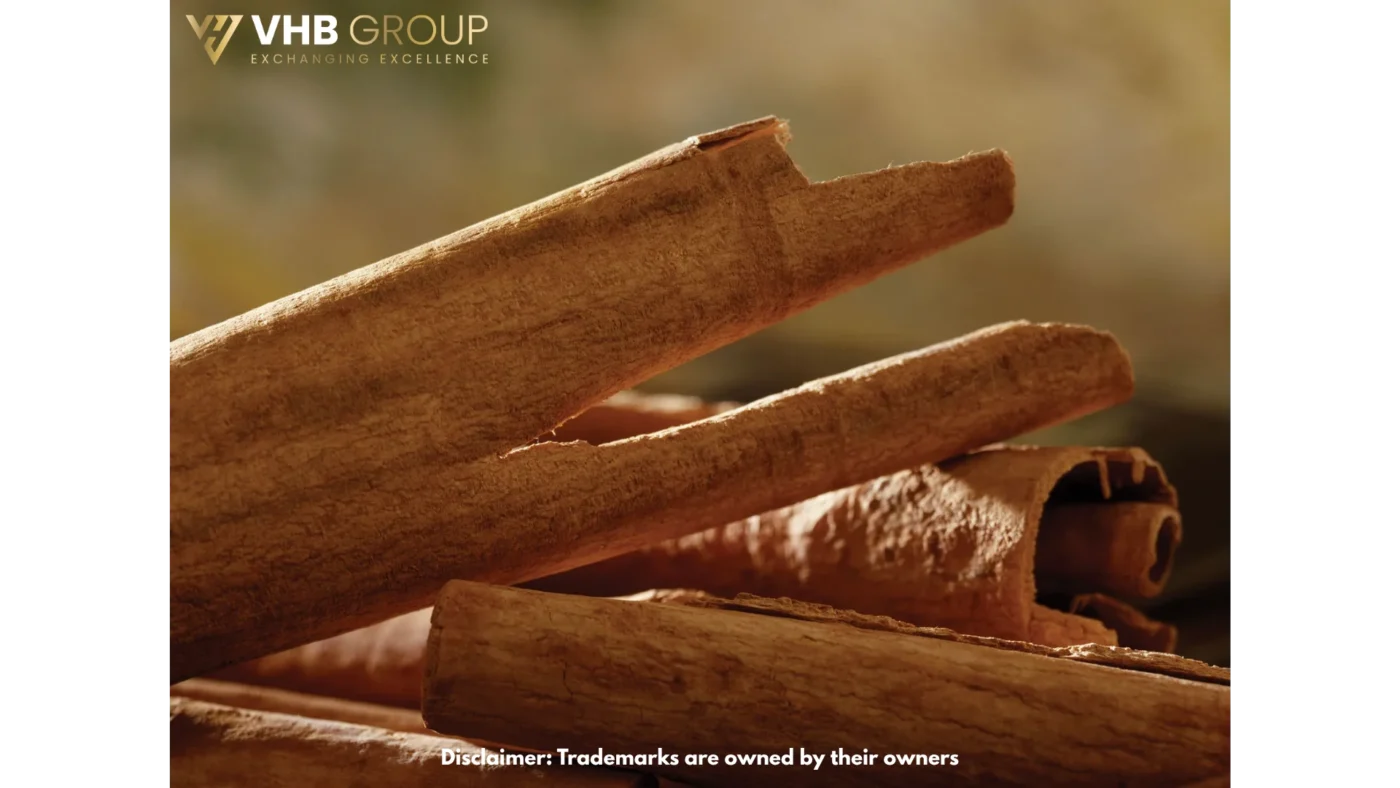
Exploring Korintje Cinnamon Powder Origin parameters provides agricultural importers, spice processors, commercial bakery procurement directors, and flavor chemists with deep insights into how Sumatran harvest geography, volcanic soil chemistry, mountain altitude, and local processing engineering govern finished ground spice performance. Derived from Cinnamomum burmannii trees grown on the slopes of Mount Kerinci in Sumatra, Indonesia, Korintje cinnamon represents the world’s largest volume commercial cinnamon crop.
Evaluating origin parameters allows procurement directors at VHB Group to secure origin-traceable supply chains, optimize volatile oil potency, and satisfy strict international food safety standards.
Table of Contents
-
Mount Kerinci Volcanic Terroir and Sumatran Agronomy
-
Tree Maturation, Bark Scraping, and Harvest Cycles
-
Cryogenic Milling and Steam Sterilization at Origin Processing Hubs
-
Comparative Matrix: Sumatran Korintje vs. Vietnamese Saigon vs. Ceylon
-
Frequently Asked Questions (FAQ)

1. Mount Kerinci Volcanic Terroir and Sumatran Agronomy
Indonesia produces over 40% of the world’s Cassia cinnamon, concentrated primarily in the Kerinci Regency of Jambi Province, Sumatra.
Volcanic Soil Mineral Density
Mount Kerinci is an active volcano whose historical eruptions deposited mineral-rich volcanic ash across surrounding mountain valleys. This fertile, well-draining soil provides optimal potassium (K) and organic minerals for Cinnamomum burmannii trees.
High-Altitude Climate (800m to 1,500m)
Cinnamon groves cultivated at high mountain altitudes experience cool nights and warm sunny days, slowing tree growth and promoting the accumulation of natural cinnamaldehyde essential oils within the bark.
2. Tree Maturation, Bark Scraping, and Harvest Cycles
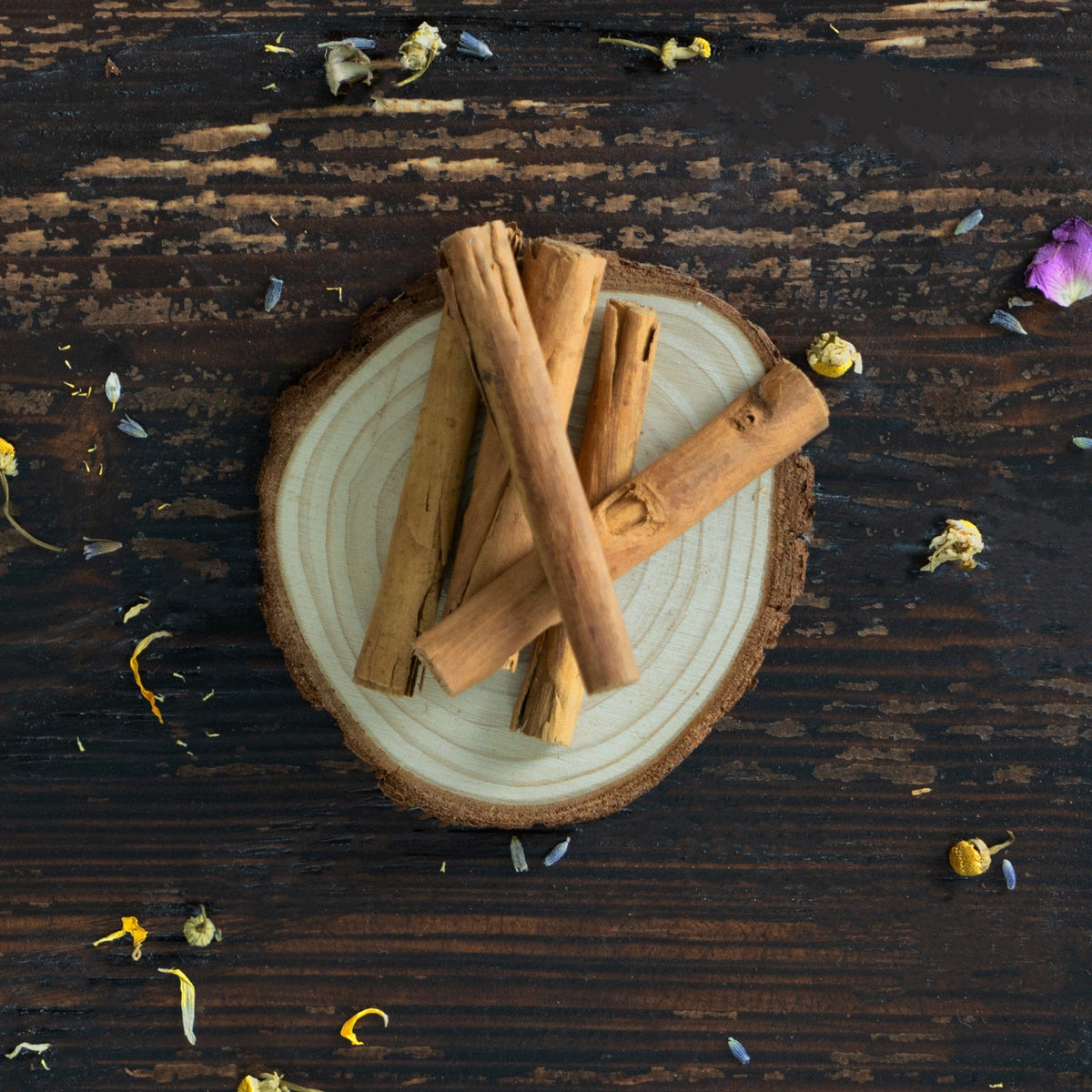
Korintje cinnamon quality depends directly on tree age and harvesting craftsmanship:
10 to 12-Year Maturation Cycle
Trees are allowed to mature for 10 to 12 years before harvesting. Older trees develop thicker inner bark with higher volatile essential oil concentrations.
Trunk Scraping and Peeling
Harvesters strip the green outer epidermis using specialized draw-knives before unsheathing the reddish-brown inner bark in long quills. The bark is dried naturally under tropical sunlight, curing into tight golden-brown rolls.
3. Cryogenic Milling and Steam Sterilization at Origin Processing Hubs
VHB Group operates modern processing partnerships in Indonesia equipped with advanced spice milling technology:
-
Cryogenic Liquid Nitrogen Grinding: Cooling raw bark to -100°C freezes volatile oils during milling, preserving natural cinnamaldehyde content and warm golden color.
-
Vacuum Steam Sterilization: Decontaminates ground powder, reducing microbial plate counts to meet strict US FDA and European Commission food safety standards without chemical irradiation.
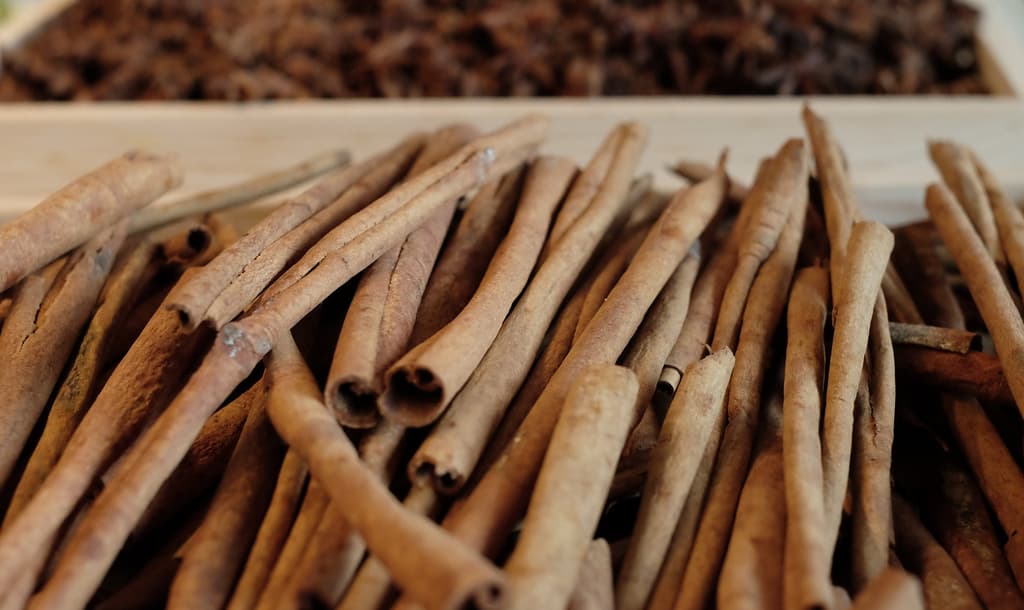
4. Comparative Matrix: Sumatran Korintje vs. Vietnamese Saigon vs. Ceylon
The following matrix compares primary regional cinnamon origins supplied by VHB Group:
| Sourcing Origin | Botanical Species | Typical Volatile Oil (VHO) | Coumarin Content Range | Primary Sensory Profile & Best-Fit Application |
| Indonesia (Kerinci) | C. Burmannii (Korintje) | 1.5% to 3.5% v/w | Moderate (1,000 – 3,500 ppm) | Smooth, mild, balanced sweetness; ideal for mass commercial bakery mixes & cereals. |
| Vietnam (Yen Bai) | C. Loureiroi (Saigon) | 3.0% to 6.0% v/w | High (2,000 – 6,000 ppm) | Intense, spicy-sweet, highly aromatic; ideal for premium baking & flavor extraction. |
| Sri Lanka | C. Verum (Ceylon) | 1.0% to 2.5% v/w | Ultra-Low (< 20 ppm) | Delicate, sweet, floral, citrus notes; ideal for EU compliance & daily supplements. |
Korintje Cinnamon Powder Origin FAQ
Disclaimer: Unless otherwise stated, the images used in this article are the property of their respective owners. We do not claim ownership of any third-party images featured, and they are used here strictly for informational and educational purposes. If you are the copyright holder and wish to have an image removed, please contact us.