

Evaluating Wholesale Cinnamon Powder Facts provides essential technical data for commercial bakers, spice blenders, flavor chemists, product developers, and procurement directors. Understanding particle mesh size mechanics, cinnamaldehyde volatile oil density, coumarin thresholds, thermal baking stability, and Maillard browning reactions is critical when formulating commercial food products.
Wholesale ground cinnamon represents one of the world’s most versatile ground aromatic spices. Processed primarily from Saigon (Cinnamomum loureiroi), Korintje (Cinnamomum burmannii), or Ceylon (Cinnamomum verum) bark, its essential oil concentration and color vary by species. This technical guide analyzes the physical, chemical, and culinary facts governing ground cinnamon.
Table of Contents
-
Particle Mesh Size Physics and Bakery Dispersion Performance
-
Volatile Essential Oil Retention and Cinnamaldehyde Mechanics
-
Species Chemistry: Saigon vs. Korintje vs. Ceylon
-
Thermal Baking Stability and Maillard Browning Chemistry
-
Comparative Quality Specifications Matrix
-
Frequently Asked Questions (FAQ)
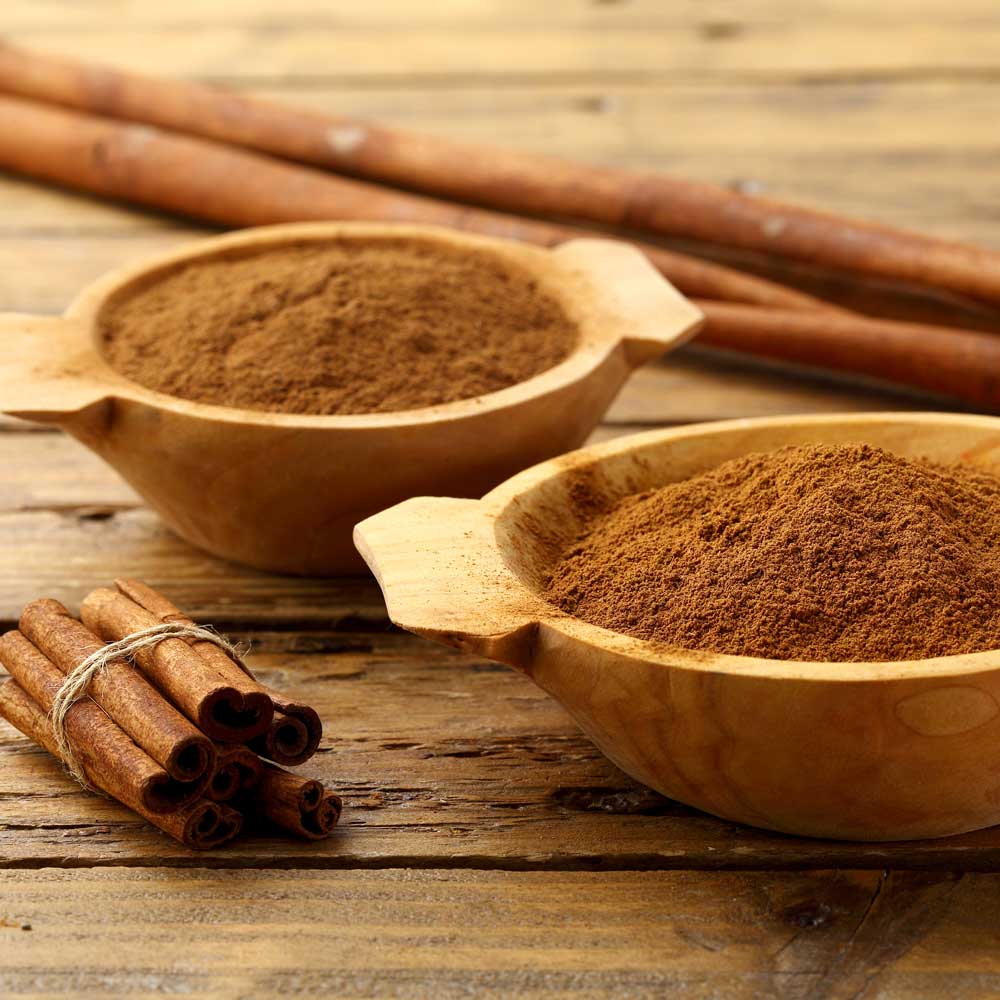
1. Particle Mesh Size Physics and Bakery Dispersion Performance
Wholesale Cinnamon Powder Facts is produced across standardized particle size distributions, measured using U.S. Standard Sieve mesh numbers:
-
Coarse Powder (40 to 60 Mesh): Larger particles (~250 to 400 microns) that release flavor slowly over extended cooking times, ideal for tea bags, pickling spices, and meat rubs.
-
Standard Powder (80 Mesh): The standard commercial benchmark (~180 microns) balancing ease of handling with good dispersion.
-
Fine Powder (100 to 120 Mesh): Ultra-fine powder (~125 to 150 microns) that dissolves rapidly in doughs, icings, and liquid beverages without leaving gritty sediment or visual dark spots.
2. Volatile Essential Oil Retention and Cinnamaldehyde Mechanics
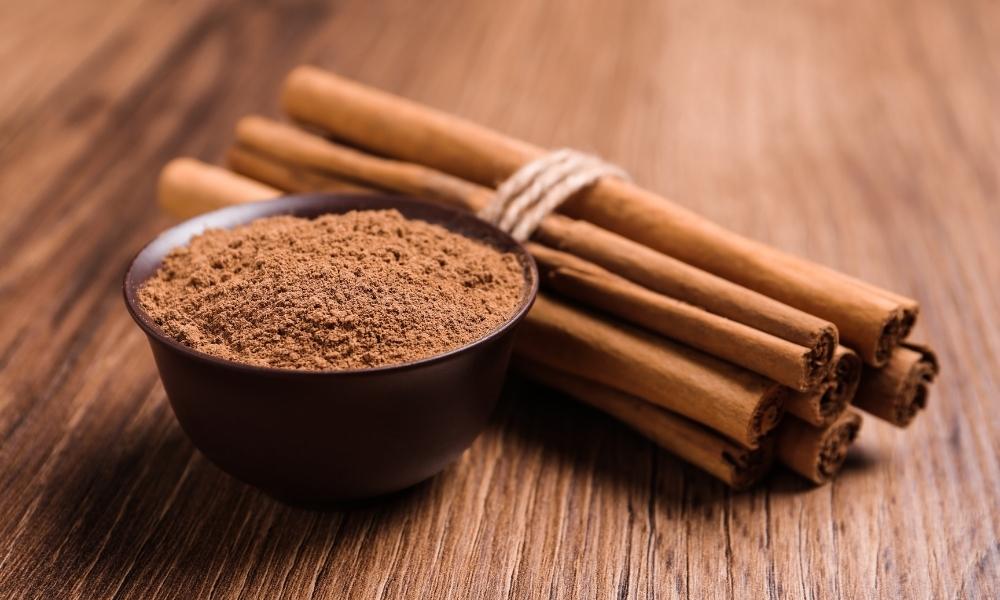
The signature warm, sweet, spicy flavor and intense aroma of ground cinnamon stem directly from its natural Volatile Oil (VHO) content, which ranges from 1.5% to 5.0% v/w depending on species.
Cinnamaldehyde Dynamics
Cinnamaldehyde is the primary active phenylpropanoid compound in cinnamon oil. It provides high thermal stability, powerful natural antimicrobial activity, and intense sweet-spicy flavor perception.

3. Species Chemistry: Saigon vs. Korintje vs. Ceylon
Different cinnamon species deliver distinct chemical and commercial characteristics:
| Species Parameter | Saigon Cassia (C. Loureiroi) | Korintje Cassia (C. Burmannii) | Ceylon Cinnamon (C. Verum) |
| Volatile Oil (VHO) | 3.0% to 5.0% v/w (Highest) | 1.5% to 3.0% v/w (Moderate) | 1.0% to 2.5% v/w (Moderate) |
| Flavor Profile | Intense spicy-sweet, bold | Smooth, mild sweetness | Delicate, sweet, floral, citrus notes |
| Coumarin Content | High (2,000 – 6,000 ppm) | Moderate (1,000 – 3,500 ppm) | Ultra-Low (< 20 ppm) |
| Primary Commercial Fit | High-heat baking & flavor extraction | Mass commercial bakery mixes | EU compliance & daily supplements |
4. Thermal Baking Stability and Maillard Browning Chemistry
Commercial bakery processing subjects spices to oven temperatures ranging from 180°C to 240°C (350°F to 464°F):
High-Thermal Oil Survival
Cinnamaldehyde possesses a high boiling point (246°C / 475°F). Because cinnamaldehyde is bound within the natural lipid matrix of the ground bark particle, high-oil Cassia powder (above 3.0% VHO) survives commercial oven baking without losing its aromatic impact.
Maillard Reaction Enhancers
Ground cinnamon contains natural reducing sugars and trace amino proteins. During baking, these compounds interact at high dough temperatures to accelerate Maillard browning, giving cinnamon rolls and pastries a deep golden-brown crust and rich roasted aroma.

5. Comparative Quality Specifications Matrix
The following table outlines technical benchmarks evaluated during quality control testing at VHB Group laboratories:
| Analytical Parameter | 60 Mesh Coarse Grade | 80 Mesh Standard Grade | 100 Mesh Fine Grade |
| Particle Size Passing | 95% through 60 Mesh | 95% through 80 Mesh | 95% through 100 Mesh |
| Volatile Oil (VHO) | 1.5% to 3.0% v/w | 2.0% to 3.5% v/w | 2.5% to 4.5% v/w |
| Moisture Content | Maximum 12.0% | Maximum 11.0% | Maximum 10.0% |
| Total Ash Content | Maximum 5.0% | Maximum 5.0% | Maximum 5.0% |
| Bulk Density | 0.45 to 0.55 g/cm³ | 0.40 to 0.50 g/cm³ | 0.35 to 0.45 g/cm³ |
Wholesale Cinnamon Powder Technical FAQ
Disclaimer: Unless otherwise stated, the images used in this article are the property of their respective owners. We do not claim ownership of any third-party images featured, and they are used here strictly for informational and educational purposes. If you are the copyright holder and wish to have an image removed, please contact us.