
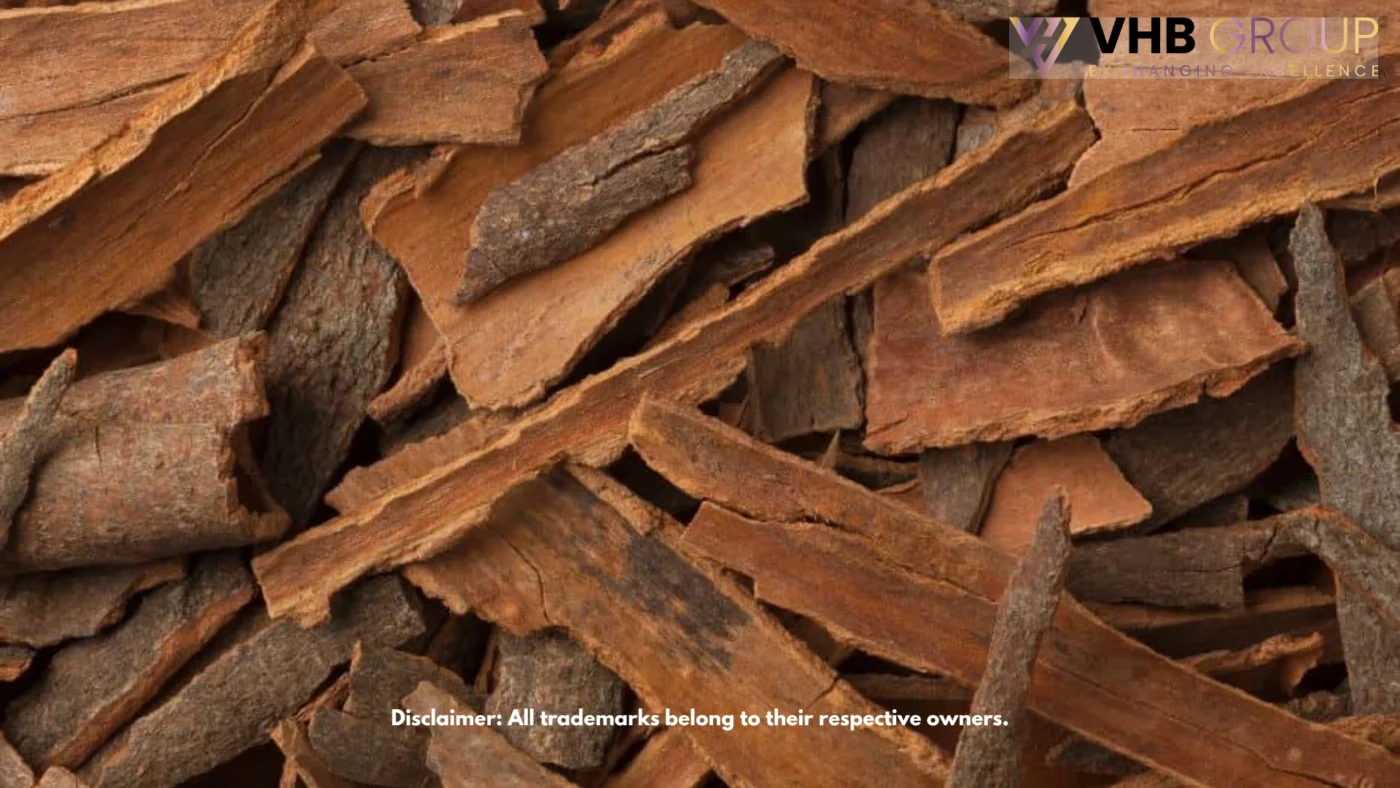
Evaluating Broken Cinnamon Bark Facts provides essential technical data for spice processors, commercial grinding managers, oleoresin extractors, and flavor chemists. Understanding the mechanical trimming process, volatile essential oil density, moisture kinetics, coumarin levels, and hammer mill grinding performance of broken cinnamon bark (Cinnamomum) is critical when evaluating raw material yield and grinding efficiency.
Broken cinnamon bark represents one of the most commercially efficient forms of raw cinnamon. Processed by collecting and cleaning inner bark pieces generated during quill trimming, its balanced oil content and physical handling traits set it apart from whole quills and heavy unpressed rolls. This technical guide analyzes the physical, chemical, and industrial facts governing broken cinnamon bark.
Table of Contents
-
Processing Origin Science and Solar Drying Kinetics
-
Volatile Essential Oil Retention and Cinnamaldehyde Mechanics
-
Hammer Mill Grinding Dynamics: Energy Consumption and Mill Wear
-
Comparative Quality Specifications Matrix
-
Frequently Asked Questions (FAQ)

1. Processing Origin Science and Solar Drying Kinetics
Converting harvested cinnamon bark into clean broken bark relies on controlled physical processing at origin:
[Harvested Cinnamon Bark & Quill Trimmings] ──► [Multi-Stage Sifting & Air Cleaning] ──► [Raised Solar Bed Drying]
-
Clean Chip Sifting: Scraped inner bark pieces and quill trimmings pass through vibrating screens and air aspirators to remove dust, lichens, and heavy sand.
-
Rapid Solar Drying Kinetics: Small broken pieces allow air to circulate across all surfaces simultaneously. This accelerates water evaporation, reducing bark moisture from 60% down to under 12.5% within 36 hours without requiring high thermal heating that destroys essential oils.
2. Volatile Essential Oil Retention and Cinnamaldehyde Mechanics
The commercial value of broken cinnamon bark stems directly from its Volatile Oil (VHO) content:
-
Cinnamaldehyde Density (75% to 90% of VHO): The primary active phenylpropanoid compound delivering intense spicy-sweet flavor, broad-spectrum natural antimicrobial activity, and high thermal stability.
-
Rapid Curing Retention: Because broken bark dries rapidly under ambient shade and solar airflow (below 38°C), volatile cinnamaldehyde essential oils remain trapped within internal bark resin canals, testing between 2.5% and 4.5% v/w in KABC grades.

3. Hammer Mill Grinding Dynamics: Energy Consumption and Mill Wear
Commercial spice mills specify broken cinnamon bark over whole quills or thick unpressed rolls due to distinct grinding mechanics:
Hopper Feeding Efficiency
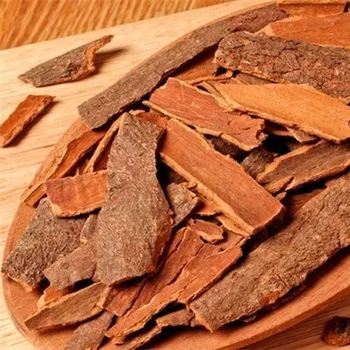
Whole quills are hollow cylinders that catch and bridge in grinding hoppers, requiring manual pre-crushing. Broken bark chips are small and flat (2cm to 5cm), feeding continuously into industrial hammer mills without bridging.
Lower Electrical Energy Consumption
Because broken bark pieces are small, hammer mill beaters shatter the bark instantly upon impact, reducing motor electrical load (kWh per ton ground) by up to 25% compared to grinding thick unpressed bark rolls.
4. Comparative Quality Specifications Matrix
The following table outlines technical benchmarks evaluated during quality control testing at VHB Group laboratories:
| Analytical Parameter | KABC Broken Grade | KBBC Commercial Broken Grade | Testing Method |
| Volatile Oil (VHO) | 2.5% to 4.5% v/w | 1.5% to 2.5% v/w | ASTA Method 5.0 |
| Moisture Content | Maximum 12.5% | Maximum 13.5% | ASTA Method 2.0 |
| Piece Size | 2cm to 8cm Chips | 1cm to 5cm Small Broken | Sieve Measurement |
| Total Ash Content | Maximum 5.0% | Maximum 5.0% | ASTA Method 3.0 |
| Acid-Insoluble Ash | Maximum 1.0% | Maximum 1.2% | ASTA Method 4.0 |
| Extraneous Matter | Maximum 0.5% | Maximum 1.0% | Visual Sieve Inspection |
Broken Cinnamon Bark Facts FAQ
Disclaimer: Unless otherwise stated, the images used in this article are the property of their respective owners. We do not claim ownership of any third-party images featured, and they are used here strictly for informational and educational purposes. If you are the copyright holder and wish to have an image removed, please contact us.