

Evaluating Saigon Cassia Bark Facts provides essential technical data for B2B spice buyers, commercial grinding managers, oleoresin extractors, and flavor chemists. Understanding the high volatile essential oil density (3.0% to 6.0% VHO), cinnamaldehyde chemical concentration, coumarin thresholds, and oven heat survival of Saigon Cassia bark (Cinnamomum loureiroi) is critical when evaluating raw material yield and finished food flavor impact.
Saigon Cassia represents the gold standard in high-potency Cassia cinnamon. Grown on high-altitude mountain slopes in Vietnam, its unique chemistry sets it apart from lower-oil Cassia species. This technical guide analyzes the physical, chemical, and industrial facts governing Saigon Cassia bark.
Table of Contents
-
The High-Altitude Mountain Terroir of Vietnamese Saigon Cassia
-
Volatile Essential Oil Chemistry: Cinnamaldehyde Domination
-
High-Heat Baking Survival Dynamics
-
Comparative Quality Specifications Matrix
-
Frequently Asked Questions (FAQ)
1. The High-Altitude Mountain Terroir of Vietnamese Saigon Cassia
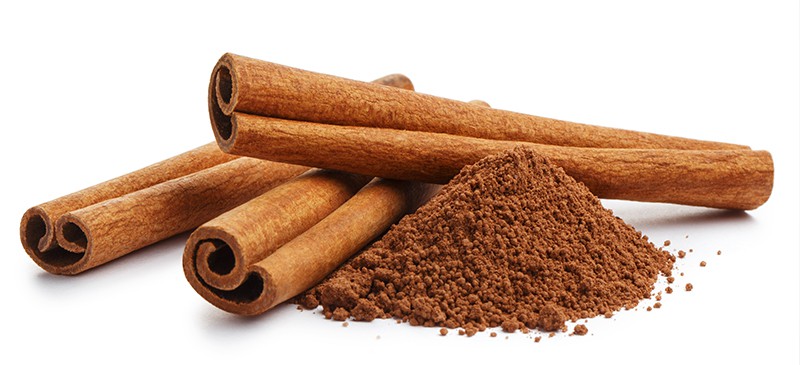
Saigon Cassia Bark Facts (Cinnamomum loureiroi) develops its intense flavor profile through specific mountain growing conditions in Vietnam:
-
Yen Bai and Quang Nam Mountain Altitude: Grown on steep slopes at elevations between 300 and 1,000 meters above sea level. Cool mountain nights and abundant rainfall slow tree growth, allowing oil glands in the inner bark to synthesize high concentrations of essential oils over 10 to 15 years.
-
Deep Reddish-Brown Pigmentation: High levels of natural polyphenols and cinnamaldehyde give Saigon Cassia bark its signature deep reddish-brown color.
2. Volatile Essential Oil Chemistry: Cinnamaldehyde Domination
The essential oil of Saigon Cassia bark is dominated by trans-Cinnamaldehyde:
[Saigon Cassia Essential Oil (3.0% - 6.0% VHO)]
                        │
                        ├── trans-Cinnamaldehyde (85% - 92%) ──► Intense Spicy-Sweet Flavor
                        ├── Cinnamyl Acetate (2% - 5%)       ──► Floral Balsamic Notes
                        └── O-Methoxycinnamaldehyde (1% - 3%)──► Warm Roasted Spice Notes
-
Concentrated Essential Oil Density: Testing between 3.0% and 6.0% v/w, Saigon Cassia delivers up to two to three times the essential oil content of standard Korintje or Chinese Cassia bark.
-
Potent Sensory Impact: High cinnamaldehyde concentration stimulates oral temperature receptors instantly, producing a rich, spicy-sweet flavor release.
3. High-Heat Baking Survival Dynamics
Commercial bakery ovens subject spices to extreme temperatures (180°C to 240°C):
-
Boiling Point Resistance: Cinnamaldehyde possesses a high boiling point (246°C). Because it is bound within the thick, resinous lipid matrix of Saigon Cassia bark, the essential oil survives industrial oven baking without evaporating, ensuring baked goods retain a strong cinnamon aroma.
4. Comparative Quality Specifications Matrix
The following table outlines technical benchmarks evaluated during quality control testing at VHB Group laboratories:
| Analytical Parameter | Saigon Cassia Bark (Vietnam) | Korintje Cassia Bark (Indonesia) | Testing Method |
| Volatile Oil (VHO) | 3.0% to 6.0% v/w | 1.5% to 3.0% v/w | ASTA Method 5.0 |
| Cinnamaldehyde Ratio | 85.0% to 92.0% of VHO | 75.0% to 85.0% of VHO | GC-MS Analysis |
| Moisture Content | Maximum 12.0% | Maximum 13.0% | ASTA Method 2.0 |
| Coumarin Content | 2,000 to 6,000 mg/kg | 1,000 to 3,500 mg/kg | HPLC Analysis |
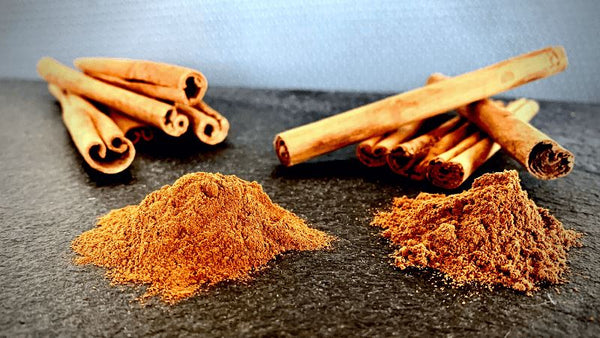
| Bark Appearance | Thick, dark reddish-brown | Medium, light golden-brown | Visual Inspection |
Saigon Cassia Bark Facts FAQ
Disclaimer: Unless otherwise stated, the images used in this article are the property of their respective owners. We do not claim ownership of any third-party images featured, and they are used here strictly for informational and educational purposes. If you are the copyright holder and wish to have an image removed, please contact us.