
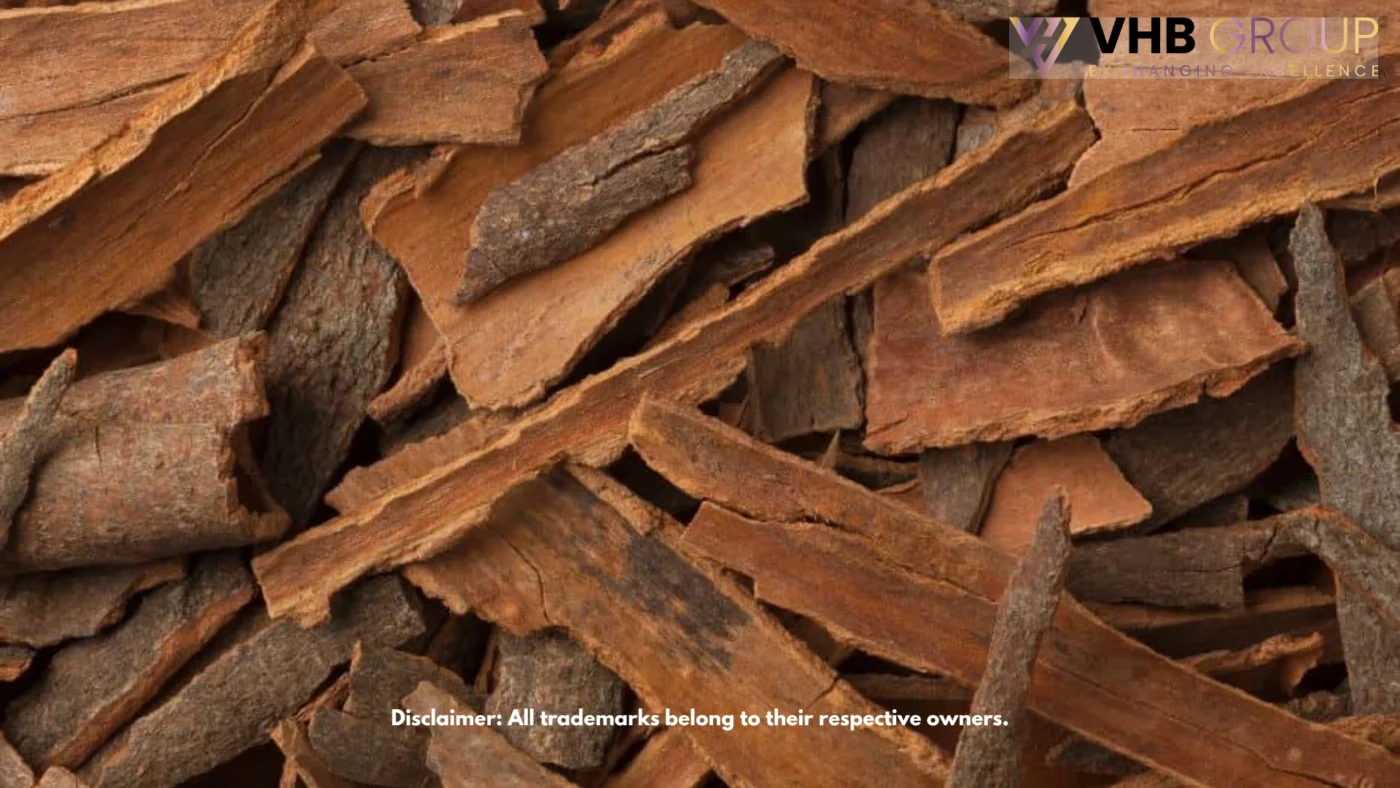
Exploring Saigon Cassia Bark Origin parameters provides agricultural importers, spice processors, commercial bakery procurement directors, and flavor chemists with deep insights into how regional harvest geography, climate, soil composition, and species selection govern finished raw spice performance. Derived from Cinnamomum loureiroi trees grown on the mountain slopes of Vietnam, Saigon Cassia represents the global benchmark for high-potency Cassia.
Evaluating origin parameters allows procurement directors at VHB Group to secure origin-traceable supply chains, optimize volatile oil potency, and satisfy strict European Union Deforestation Regulation (EUDR) mandates.
Table of Contents
-
Yen Bai and Quang Nam Mountain Terroir
-
Harvest Seasons and Bark Curing
-
Processing Hubs and Export Logistics
-
European Union Deforestation Regulation (EUDR) Traceability
-
Frequently Asked Questions (FAQ)

1. Yen Bai and Quang Nam Mountain Terroir
Vietnam is globally recognized for producing Saigon Cassia (Cinnamomum loureiroi), widely considered the most potent and aromatic Cassia variety in world trade.
The mountainous Yen Bai and Quang Nam provinces feature rich, moist acidic soils and high annual rainfall. Cinnamon trees cultivated on high-altitude mountain slopes mature slowly over 10 to 15 years, developing thick bark packed with concentrated essential oils (3.0% to 6.0% VHO).
2. Harvest Seasons and Bark Curing
Saigon Cassia trees are harvested primarily during two annual rainy seasons:

-
Spring Harvest (March to May): High sap movement allows clean bark peeling, yielding thin, high-oil inner bark.
-
Autumn Harvest (August to October): Secondary harvest period producing thick, mature trunk bark.
-
Solar Shade Curing: Harvested bark is scraped and dried on raised solar racks under controlled shade and sunlight, locking in cinnamaldehyde oils.
3. Processing Hubs and Export Logistics
Primary origin processing facilities in Yen Bai and Da Nang sort, grade, and package Saigon Cassia bark:
-
Quality Grading: Sorting into AABC quills, KABC splits, and KBBC broken cuts.
-
Hydraulic Compression: Pressing split and broken bark into dense 25kg cartons for ocean container shipping.
4. European Union Deforestation Regulation (EUDR) Traceability
Under the European Union Deforestation Regulation (EUDR), importers bringing Saigon Cassia into Europe must provide precise GPS polygon geolocation coordinates for farm plots where the bark was harvested, proving production did not cause deforestation after December 31, 2020. VHB Group maintains full GPS farm mapping across partner cooperatives in Yen Bai, Vietnam.
Saigon Cassia Bark Origin FAQ
Disclaimer: Unless otherwise stated, the images used in this article are the property of their respective owners. We do not claim ownership of any third-party images featured, and they are used here strictly for informational and educational purposes. If you are the copyright holder and wish to have an image removed, please contact us.