
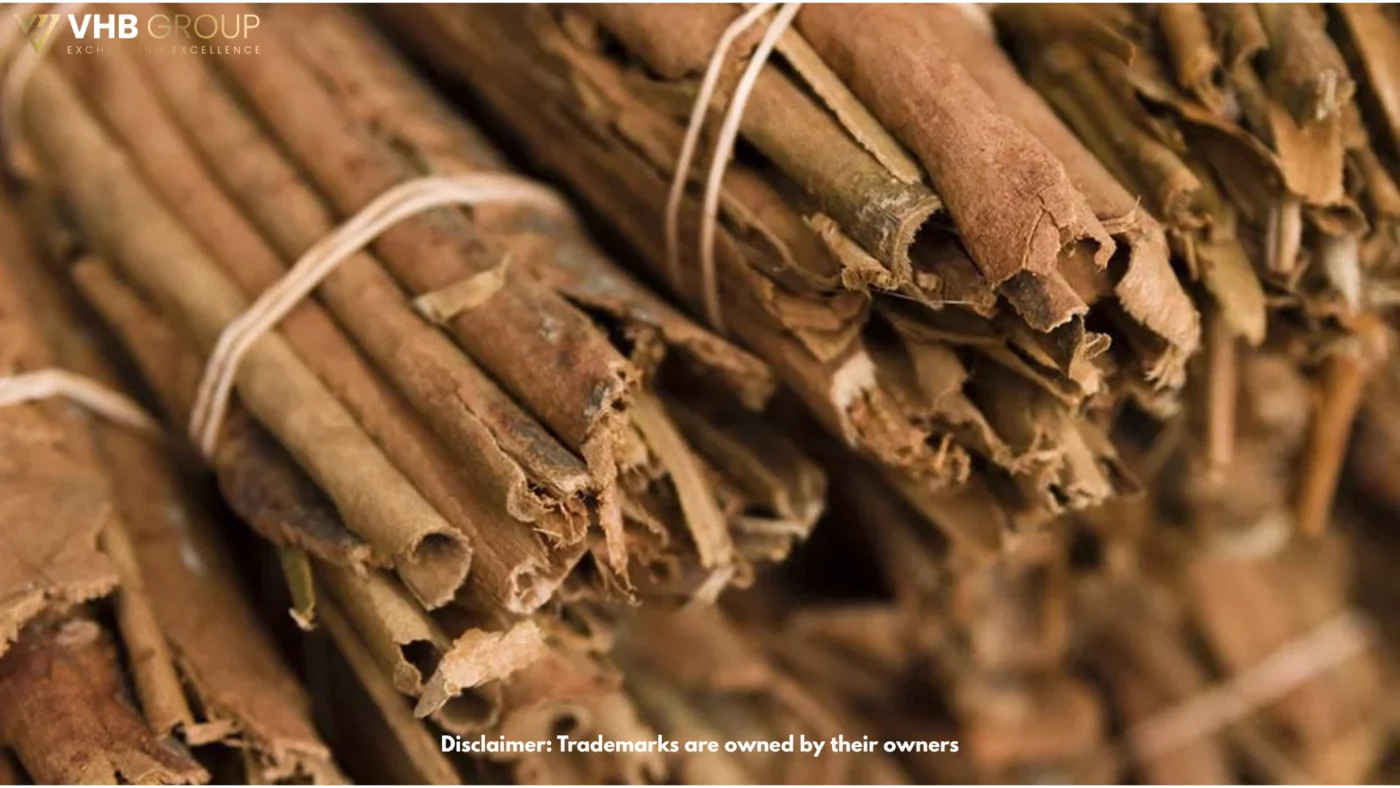
Evaluating Unsplit Cinnamon Bark Harvest Facts provides essential technical data for spice processors, traditional medicine formulators, gourmet retail packagers, and flavor chemists. Understanding tree maturation cycles (10 to 15 years), manual peeling craftsmanship, intact resin canal volatile oil preservation, and solar curing kinetics of unsplit cinnamon bark (Cinnamomum) is critical when evaluating raw material quality and essential oil yield.
Unsplit cinnamon bark represents the most visually pristine form of raw cinnamon. This technical guide analyzes the physical, chemical, and agricultural facts governing unsplit cinnamon bark.
Table of Contents
-
Agronomic Tree Maturation and Bark Scraping Science
-
Intact Resin Canal Mechanics: Why Unsplit Bark Holds Oil Longer
-
Curing Kinetics and Natural Inward Curling Physics
-
Comparative Quality Specifications Matrix
-
Frequently Asked Questions (FAQ)

1. Agronomic Tree Maturation and Bark Scraping Science
Unsplit cinnamon bark is harvested from mature trees (Cinnamomum loureiroi or Cinnamomum burmannii) grown over 10 to 15-year cycles:
-
Trunk Diameter and Bark Thickness: Mature tree trunks develop thick phloem (inner bark) layer measuring 1.5mm to 3.5mm in thickness, packed with concentrated cinnamaldehyde oil glands.
-
Manual Outer Scraping: Harvesters scrape away the rough, corky green outer skin using curved draw-knives before unsheathing the reddish-brown inner bark intact.
2. Intact Resin Canal Mechanics: Why Unsplit Bark Holds Oil Longer
The volatile essential oil of cinnamon resides in microscopic resin canals embedded within the inner bark tissue:
[Intact Unsplit Bark Matrix]   ──► Sealed Resin Canals ──► Volatile Oil Trapped (< 1% Evaporation/Year)
[Crushed / Ground Bark Matrix] ──► Ruptured Canals    ──► Rapid Volatile Oil Exposure
-
Sealed Essential Oil Matrix: Because unsplit bark is cured intact without longitudinal splitting, internal resin canals remain sealed. This limits oxygen exposure, maintaining high volatile oil content (3.0% to 5.5% VHO) over multi-year storage.

3. Curing Kinetics and Natural Inward Curling Physics
As Unsplit Cinnamon Bark Harvest Facts cylinders dry on raised solar racks under tropical shade, moisture evaporates from the outer surface faster than the inner surface. Differential surface tension causes the flat bark sheet to curl inward naturally, forming tight, single or double-rolled whole cigarettes (AABC grade).
4. Comparative Quality Specifications Matrix
The following table outlines technical benchmarks evaluated during quality control testing at VHB Group laboratories:
| Analytical Parameter | Unsplit Cigarette Bark (AABC) | Split Bark (KABC) | Testing Method |
| Volatile Oil (VHO) | 3.0% to 5.5% v/w | 2.5% to 4.5% v/w | ASTA Method 5.0 |
| Physical Appearance | Intact whole-rolled quills | Flat split bark strips | Visual Inspection |
| Moisture Content | Maximum 12.0% | Maximum 12.5% | ASTA Method 2.0 |
| Bulk Freight Yield | 8.0 – 11.5 Tons / 40ft HC | 24.5 Tons / 40ft HC (Pressed) | Weight Scale Measurement |

Unsplit Cinnamon Bark Harvest Facts FAQ
Disclaimer: Unless otherwise stated, the images used in this article are the property of their respective owners. We do not claim ownership of any third-party images featured, and they are used here strictly for informational and educational purposes. If you are the copyright holder and wish to have an image removed, please contact us.