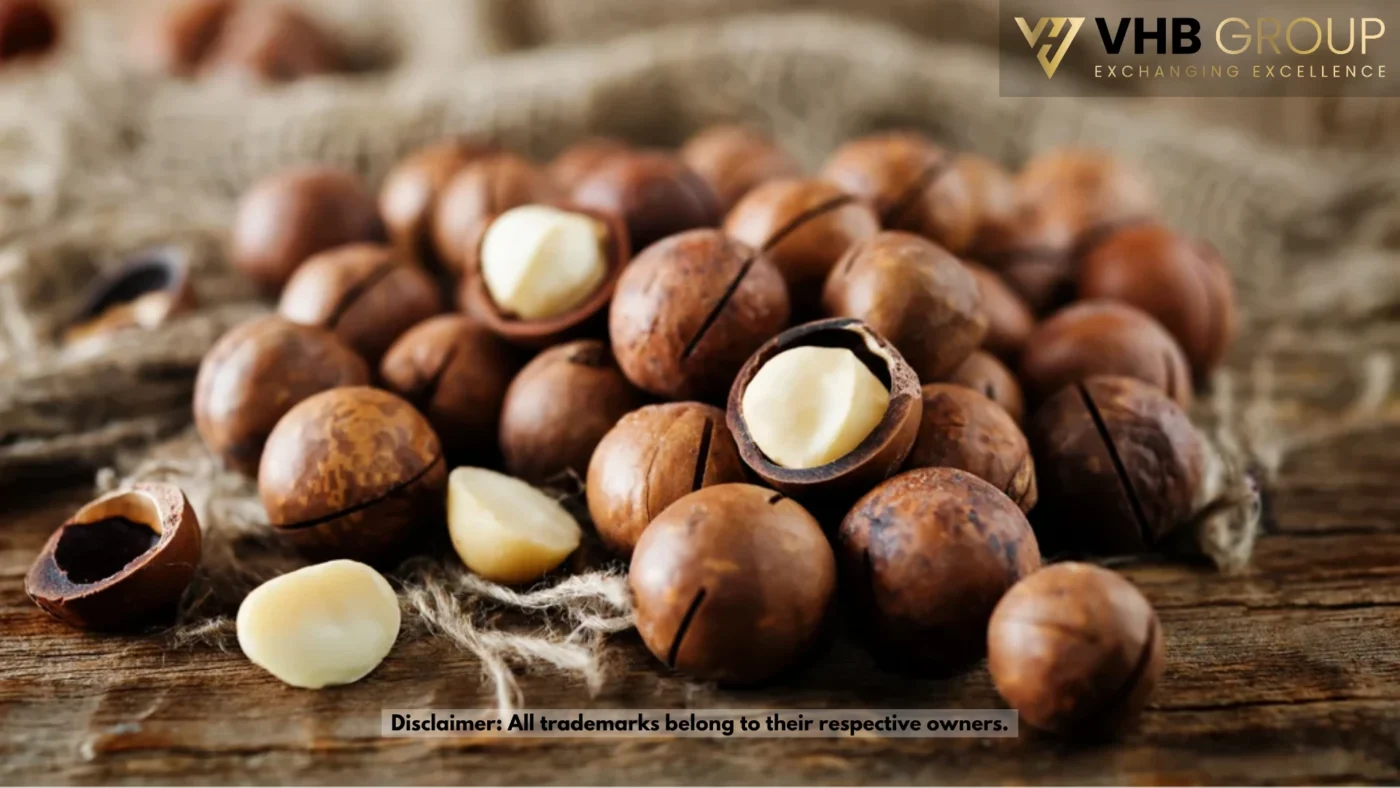
Selecting the correct Macadamia Nuts In Shell Bag SKUs Catalog is a critical operational step for premium ingredient importers, international commercial crackers, and commodity distributors aiming to capture the lucrative global snacking market. Because uncracked macadamia nuts still contain residual moisture and require immense airflow to prevent mold and spontaneous combustion during transit, the export supply chain offers a highly specific range of ventilated woven bags and massive breathable bulk totes engineered to protect the pristine ingredient during extended ocean voyages.
For global procurement teams who are currently optimizing their Macadamia Nuts In Shell Bulk Wholesale Line import strategy, familiarizing yourself with the exact physical dimensions, metric weights, and ventilation configurations of these SKUs is absolutely mandatory. This knowledge allows supply chain directors to perfectly maximize voluminous ocean payloads and forecast accurate gross profit margins prior to ordering.
Table of Contents
-
Understanding Core Ventilated Bag Formats
-
Bulk FIBC Totes in the Macadamia Nuts In Shell Bag SKUs Catalog
-
Master Logistics and Freight Configuration
-
How Packaging Prevents Spoilage
-
Conclusion
Understanding Core Ventilated Bag Formats
The foundation of any successful agricultural commodity portfolio begins with the core, high-turnover packaging variants. Unlike shelled kernels which require vacuum sealing, the standard export bags for Nut In Shell (NIS) macadamias strictly prioritize absolute airflow, moisture regulation, and extreme tensile strength due to the heavy weight of the shells.
The 25kg and 50kg PP Woven Sacks
The flagship product in this lineup is the highly durable, breathable Polypropylene (PP) woven sack. Packaged in a robust format, this specific SKU contains the exact optimal volume (typically 25kg or 50kg) for manual palletization and traditional warehouse storage. The PP weave is meticulously designed to allow ambient air to pass through the bag freely. This prevents the NIS from “sweating” as temperature differentials shift dramatically during ocean transit from equatorial export hubs to colder destination ports.
Bulk FIBC Totes in the Macadamia Nuts In Shell Bag SKUs Catalog
To aggressively optimize ocean freight economics and streamline unloading at massive industrial cracking facilities, the manufacturing origin points have heavily standardized a bulk portfolio for industrial buyers. Integrating these bulk packs into the Macadamia Nuts In Shell Bag SKUs Catalog drastically lowers manual labor costs at the destination port.
The 500kg – 1000kg Ventilated Jumbo Bags
For massive commercial roasters and crackers, NIS is packaged in Flexible Intermediate Bulk Containers (FIBC), commonly known as Jumbo Bags or Totes. Critically, these totes feature specialized ventilated mesh strips integrated into the sides of the bag. Operationally, this allows an importer to use forklifts to unload a 20ft container in minutes rather than hours, dramatically lowering the landed operational cost of the spice while ensuring the nuts deep in the center of the 1-ton bag still receive airflow.
Master Logistics and Freight Configuration
When procuring bulk commodities for massive industrial processing and continuous-feed cracking lines, buyers heavily rely on optimized packaging configurations. A deep understanding of these logistical formats is absolutely essential for industrial operations.
| SKU Variant | Fill Weight | Freight Ventilation Strategy | Container Payload (40ft HC) | Primary Manufacturing Channel |
| PP Woven Sack | 25kg / 50kg | Maximum Airflow (Loose Fill) | ~20 – 22 Metric Tons | Wholesale Snacking Brands |
| Ventilated Jumbo Tote | 500kg – 1000kg | Mesh Sidewalls | ~20 Metric Tons | Industrial Cracking Facilities |
| Retail Slit-Shell Box | 10kg Carton | Cardboard (Pre-Dried) | ~15 Metric Tons | Asian Wholesale Markets |
How Packaging Prevents Spoilage
The physical design of the product packaging plays a massive role in preserving the financial value of the crop. While NIS macadamias do not have to worry about physical breakage like shelled kernels do, their vulnerability to biological degradation is far higher if trapped in an airtight environment.
If the NIS is shipped in non-breathable plastic or unventilated containers, the natural respiration of the nut causes severe condensation. This moisture breeds aggressive fungal growth on the outside of the shell, which can penetrate and rot the high-fat kernel inside. Utilizing ventilated woven sacks and mesh-sided totes neutralizes this risk. This ensures that the cracking facility receives a product that yields perfectly white, crisp kernels upon processing.
Conclusion
Mastering the catalog of available export packaging is the baseline for executing a highly profitable international agricultural import strategy. By understanding the distinct physical and commercial necessity of breathable woven sacks and massive ventilated industrial totes, distributors can selectively curate perfect container loads that guarantee the preservation of delicate kernels while maximizing ocean freight economics. To optimize your wholesale inventory and secure the best FOB pricing, reach out to your designated agricultural consolidator today.
Macadamia Bag SKUs FAQ
Disclaimer: Unless otherwise stated, the images used in this article are the property of their respective owners. We do not claim ownership of any third-party images featured, and they are used here strictly for informational and educational purposes. If you are the copyright holder and wish to have an image removed, please contact us.