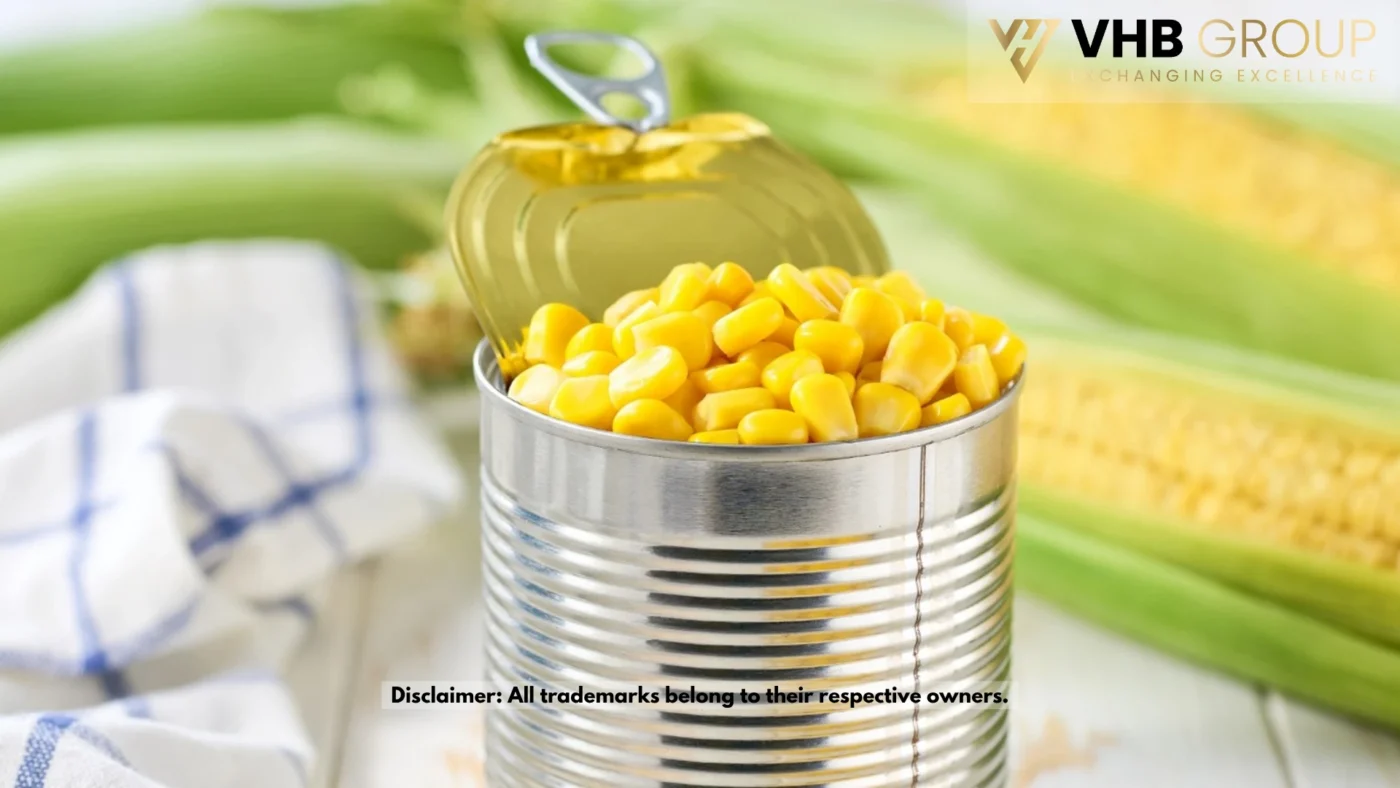
Selecting the correct Canned Sweet Corn Tin SKUs Wholesale Catalog is a critical operational step for food importers, international retail grocers, and food service distributors aiming to capture the lucrative global pantry staples market. Because thermally processed vegetables rely entirely on the absolute hermetic seal of their container to prevent deadly botulism and spoilage, the export supply chain offers a highly specific range of heavy-duty tinplate cans and large-format commercial tins engineered to protect the pristine ingredient during extended ocean voyages and massive 3-year shelf lives.
For global procurement teams who are currently optimizing their Canned Sweet Corn Bulk Wholesale Supply import strategy, familiarizing yourself with the exact physical dimensions, metric weights, and corrugated master carton configurations of these SKUs is absolutely mandatory. This knowledge allows supply chain directors to perfectly maximize dense ocean payloads, prevent can denting, and forecast accurate gross profit margins prior to ordering.
Table of Contents
-
Understanding Core Retail Tin Formats
-
Commercial Food Service Tins in the Canned Sweet Corn Tin SKUs Wholesale Catalog
-
Master Logistics and Freight Configuration
-
How Packaging Prevents Botulism and Spoilage
-
Conclusion

Understanding Core Retail Tin Formats
The foundation of any successful agricultural commodity portfolio begins with the core, high-turnover packaging variants. The standard export cans are universally recognized by their rigid tinplate or steel construction and high-quality lithographic or paper labels, making them instantly identifiable on crowded supermarket shelves globally.
View Standard Tinplate Can Reference on Wikimedia Commons
The 15oz (425g) Standard Retail Tin
The flagship product in this export lineup is the classic 15oz (approx. 425g net weight) cylindrical tinplate can. Packaged in a robust format, this specific SKU contains the exact optimal volume for a standard household side dish or recipe inclusion. These cans are typically equipped with an Easy-Open (EO) pull-tab lid for maximum consumer convenience or a standard sanitary end requiring a can opener for budget markets. They are usually shrink-wrapped in trays of 12 or 24 cans to streamline retail shelf stocking.
Commercial Food Service Tins in the Canned Sweet Corn Tin SKUs Wholesale Catalog
To aggressively optimize ocean freight economics and streamline food prep at massive industrial catering facilities, the manufacturing origin points offer a specialty bulk portfolio for B2B buyers. Integrating these massive tins drastically lowers packaging waste and labor costs at the destination restaurant.

View Commercial A10 Bulk Tin Reference on Wikimedia Commons
The Massive A10 (108oz / 3kg) Commercial Tin
For massive commercial restaurants processing thousands of meals (such as pizza chains, cafeterias, and soup manufacturers), standard 15oz cans are highly inefficient to open. Instead, the corn is packed into massive A10 (also known as #10) tins, which hold roughly 108 ounces (approx. 2.95kg to 3kg) of product. This specific format within the Canned Sweet Corn Tin SKUs Wholesale Catalog offers an incredible cost-per-kilogram ratio and is heavily utilized by food service operators who open a single can to supply a salad bar for an entire lunch shift.
Master Logistics and Freight Configuration
When procuring canned commodities for retail or commercial use, buyers heavily rely on optimized packaging configurations. A deep understanding of these logistical formats is absolutely essential for import operations, as metal cans containing liquid are incredibly dense.
| SKU Variant | Net Weight / Drained | Retail Format | Container Payload (20ft Dry) | Primary Distribution Channel |
| Small Retail Tin | 8oz (220g) | Shrink-wrapped tray (24 cans) | ~18 Metric Tons | Convenience Stores, Dollar Stores |
| Standard Retail Tin | 15oz (425g) | Shrink-wrapped tray or Carton (24) | ~18 – 20 Metric Tons | Supermarkets, Grocery |
| Commercial A10 Tin | 108oz (2950g) | Corrugated Carton (6 cans) | ~20 Metric Tons | Food Service, Restaurants |
How Packaging Prevents Botulism and Spoilage
The physical design of the product packaging plays a massive role in preserving the financial value and safety of the crop. Low-acid vegetables like sweet corn are highly susceptible to Clostridium botulinum, a deadly bacteria that thrives in oxygen-free environments if not properly sterilized.
The heavy-duty tinplate can serves as a miniature pressure vessel. During the factory retort process, the sealed can is subjected to extreme steam heat (121°C) that kills all bacterial spores inside. Once cooled, the internal vacuum and the absolute hermetic double-seam seal of the tin prevent any new oxygen or bacteria from re-entering the product. Furthermore, the inside of the tin is coated with a food-safe BPA-free epoxy lacquer to prevent the corn’s natural sulfur compounds from reacting with the metal, ensuring the corn remains bright yellow and perfectly safe to eat for up to 36 months.
Conclusion
Mastering the catalog of available export packaging is the baseline for executing a highly profitable international agricultural import strategy. By understanding the distinct physical and commercial necessity of 15oz retail cans and massive A10 food service tins, distributors can selectively curate perfect container loads that guarantee the preservation of delicate vegetables while maximizing ocean freight economics. To optimize your wholesale inventory and secure the best FOB pricing, reach out to your designated agricultural consolidator today.
Canned Sweet Corn Tin SKUs FAQ
Disclaimer: Unless otherwise stated, the images used in this article are the property of their respective owners. We do not claim ownership of any third-party images featured, and they are used here strictly for informational and educational purposes. If you are the copyright holder and wish to have an image removed, please contact us.