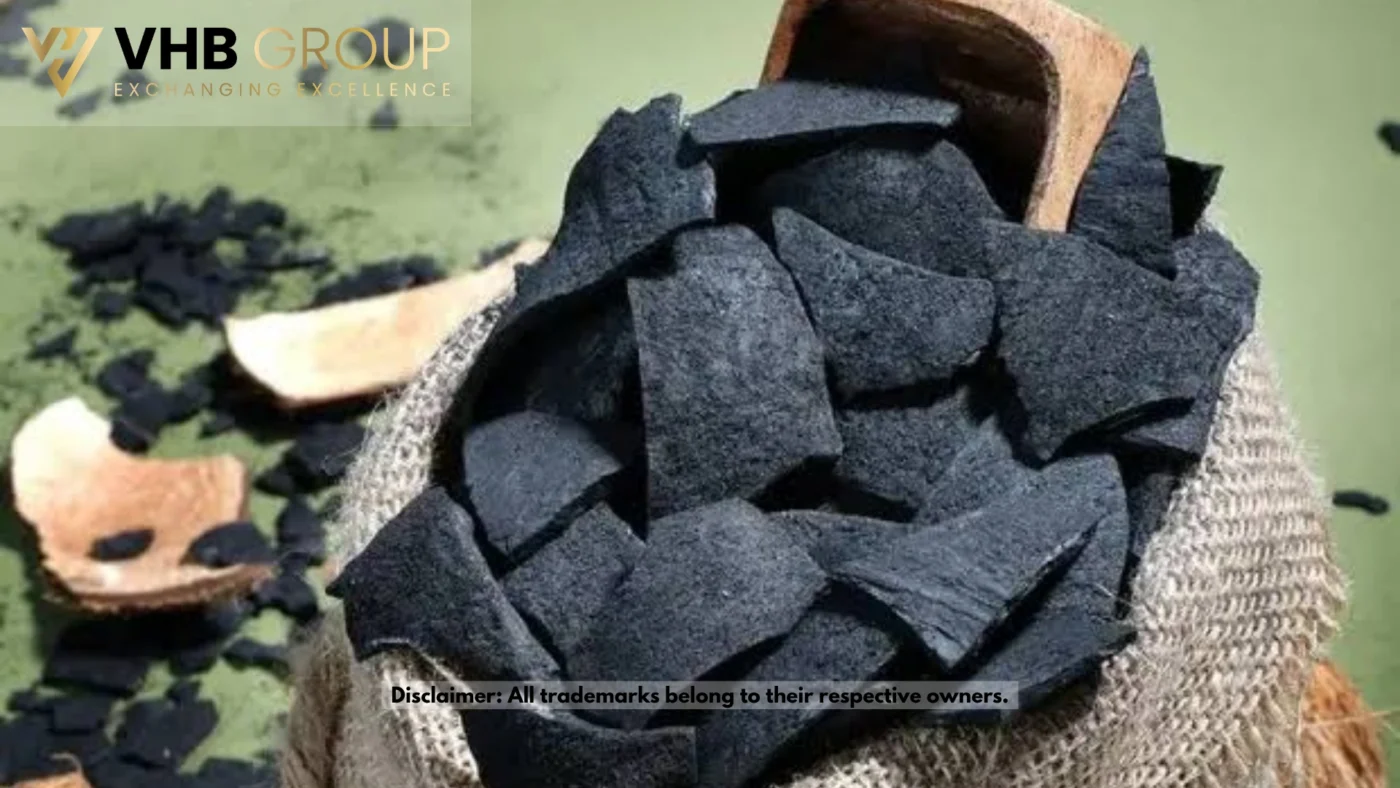
Sourcing a Coconut Shell Charcoal Wholesale Supply line provides international commercial barbecue distributors, shisha/hookah lounge networks, industrial metallurgy sectors, and FMCG trading partners with a vital, high-margin revenue engine in the global fuel and agricultural waste-recovery market. Manufactured heavily in the tropical agricultural belts of Southeast Asia (specifically Indonesia, Vietnam, and the Philippines), coconut shell charcoal is globally renowned for its incredibly high caloric heat value, virtually smokeless burn, and ultra-low ash content, distinguishing it as the absolute premium tier of the commercial charcoal market.
For B2B procurement managers and supply chain directors working with global manufacturing partners, managing full container load (FCL) consignments of wholesale coconut charcoal requires carefully evaluating product variants (Shisha Cubes vs. BBQ Hexagonal Briquettes vs. Raw Lump), specific packaging configurations (1kg retail boxes vs. massive 20kg woven PP bags), ocean container payload limits, and strict international maritime dangerous goods (IMDG) clearance protocols. This technical guide evaluates the operational, financial, and logistical frameworks necessary to establish a highly profitable import and distribution model for this globally demanded biomass fuel.
Table of Contents
-
Global Market Demand for Premium Biomass Fuel
-
Product Portfolio Breakdown
-
Carbonization Chemistry and Briquetting
-
Packaging Configurations and Freight Density
-
B2B Sourcing Pathways for Coconut Shell Charcoal Wholesale Supply
-
Landed Cost and Gross Margin Calculation Framework
-
Import Compliance, IMDG Codes, and Maritime Documentation
-
Conclusion

Global Market Demand for Premium Biomass Fuel
The global charcoal market is undergoing a massive shift toward sustainable, high-performance biomass. Rather than cutting down hardwood forests, the coconut charcoal industry operates as a waste-to-wealth supply chain, utilizing the discarded shells from the copra and coconut oil industries. This sustainable format commands a massive premium globally and offers unmatched export liquidity due to highly efficient carbonization and briquetting sectors in countries like Indonesia, which dominates the global shisha charcoal export market.
Growth Drivers in the Market
The continuous growth in the coconut charcoal sector is heavily driven by the booming global shisha/hookah lounge industry and the premium residential barbecue market. Commercial shisha lounges require a heat source that is 100% odorless and tasteless so as not to ruin the flavored tobacco, a specification only premium coconut shell charcoal can consistently meet. Similarly, the commercial BBQ sector demands long-burning, high-heat fuel that requires less replenishment during a dinner service.
Commercial Advantages
Adding bulk coconut shell charcoal to a B2B distribution catalog delivers distinct commercial advantages:
-
High Consumption Velocity: Charcoal is a consumable utility; shisha lounges and commercial kitchens burn through massive kilogram volumes daily, driving relentless replenishment orders.
-
Sustainability Premium: Marketed as a 100% natural, tree-free, sustainable biomass fuel, allowing distributors to capture the eco-conscious retail demographic.
-
Premium Import Margin Value: Because the Southeast Asian supply chain utilizes agricultural waste, the Free On Board (FOB) acquisition costs remain highly competitive, yielding excellent gross profit margins per ocean container.
Product Portfolio Breakdown
Curating an optimal inventory mix requires selecting the right combination of charcoal shapes and fixed-carbon percentages tailored to specific burning applications.
Core Grading SKUs
When structuring a container load, the charcoal specification is governed by strict structural and chemical guidelines:
-
Shisha / Hookah Briquettes (Cubes & Flats): The absolute premium export format. Typically pressed into precise 22mm to 25mm cubes. Requires the highest fixed carbon (>80%) and lowest ash (<2.5%) to ensure a long, clean burn with zero chemical odor.
-
BBQ Briquettes (Hexagonal & Pillow): Extruded into large hexagonal logs with a hollow center (for airflow) or pressed into pillows. Designed for high-heat, long-duration grilling.
-
Raw Coconut Shell Charcoal (Lump): Un-briquetted, irregular carbonized shell pieces. Typically exported in massive bulk sacks for industrial use (metallurgy) or for destination-market factories to process into activated carbon.
Carbonization Chemistry and Briquetting
The formulation found in this commercial fuel achieves its signature performance through engineered oxygen-depleted burning and natural binding chemistry.
The Carbonization and Pressing Process
The manufacturing process begins with carbonization, where raw coconut shells are burned in massive brick or earthen kilns with severely restricted oxygen. This drives off moisture and volatile gases, leaving behind dense, high-carbon charcoal. For briquettes, this raw charcoal is crushed into a fine micro-powder. It is then meticulously blended with water and a tiny percentage of natural tapioca starch (acting as a 100% food-safe chemical binder). The wet mixture is extruded or mechanically stamped under extreme pressure into cubes or hexagons. Finally, the briquettes are baked in massive industrial drying ovens for 24-48 hours to drop the moisture content below 5%, ensuring a rock-hard, non-crumbly fuel.
Packaging Configurations and Freight Density
When managing ocean shipments, physical logistics heavily dictate profitability. Products are packaged in printed cardboard inner boxes, heavy-duty master cartons, or massive woven polypropylene (PP) sacks, and tightly floor-loaded to maximize maritime payloads.
Ocean Payload Yields
Understanding the exact packing specifications is critical for calculating freight costs:
| Packaging SKU Format | Standard Net Weight | Commercial Format Strategy | Container Payload (20ft Dry) | Primary Distribution Channel |
| Shisha Cube Box | 1kg Inner Box | 10x 1kg boxes in a 10kg Master Carton | ~18 – 19 Metric Tons | Shisha Lounges, Smoke Shops |
| BBQ Hexagonal Box | 3kg – 10kg Carton | Heavy-duty Corrugated Carton with Inner Bag | ~18 – 19 Metric Tons | Supermarkets, Hardware Stores |
| Bulk Woven PP Sack | 20kg – 25kg | Woven Polypropylene Sack with Plastic Liner | ~20 Metric Tons | Commercial Catering, Industrial |
B2B Sourcing Pathways for Coconut Shell Charcoal Wholesale Supply
Commercial buyers access wholesale inventory through primary procurement channels in Southeast Asia. Independent fuel brands, shisha distributors, and agile import firms typically source via master charcoal consolidators and direct factory networks operating out of major Indonesian ports (like Semarang and Surabaya in Java) or Vietnamese hubs (like Ho Chi Minh City). Consolidators offer the crucial maritime safety testing required to ship carbon products legally.
Landed Cost and Gross Margin Calculation Framework
Procurement teams must accurately forecast their financials before executing a purchase order. Calculating net landed unit costs involves applying a structured, multi-step financial calculation process.
Step-by-Step Financial Breakdown
-
Step 1: Calculate Ocean Freight Charges (utilizing 20ft Dry containers; charcoal is dense and will max out weight limits before filling a 40ft HC) + Origin Port Fees + Import Customs Duties + Marine Cargo Insurance + Local Destination Drayage.
-
Step 2: Add the Total Shipping Overhead to the Free On Board (FOB) Purchase Price per Carton.
-
Step 3: Divide the Total Landed Cost by the exact metric tonnage or retail box count to find the true cost of goods sold (COGS).
Import Compliance, IMDG Codes, and Maritime Documentation
Clearing charcoal exports through international maritime channels is one of the most highly regulated processes in logistics due to the fire risks associated with carbon. Securing your shipments requires flawless documentation verified by accredited origin testing laboratories (like SGS or Intertek).
Essential Export Documentation Suite
-
Self-Heating Test (SHT) / Vanning Certificate: Absolutely Critical. Charcoal is often classified as a Dangerous Good (UN 1361, Class 4.2 Spontaneously Combustible). However, if the factory passes a rigorous Self-Heating Test proving the briquettes will not spontaneously ignite, it can be shipped as Non-Hazardous cargo.
-
Commercial Shipping Documents: Master Bill of Lading (B/L), Commercial Invoice, Detailed Packing List, and a Certificate of Origin (COO).
-
Harmonized System Classification: For customs declaration, coconut shell charcoal is universally classified under HS Code 4402.90 (Wood charcoal, including shell or nut charcoal, whether or not agglomerated).
Conclusion
Mastering the procurement of bulk coconut shell charcoal is the definitive key to unlocking massive profit margins in the commercial fuel and shisha sectors. From the sustainable sourcing of agricultural waste to the precision engineering of industrial briquetting and strict maritime safety compliance, every single element of this commodity is designed to deliver a highly functional, perfectly consistent, and premium burning experience. For international distributors and hospitality networks, stocking this authentic Southeast Asian biomass fuel guarantees access to a massive, highly reliable market. Contact your preferred procurement partner today to secure your wholesale allocation and optimize your fuel supply chain.
Coconut Shell Charcoal Wholesale FAQ
Disclaimer: Unless otherwise stated, the images used in this article are the property of their respective owners. We do not claim ownership of any third-party images featured, and they are used here strictly for informational and educational purposes. If you are the copyright holder and wish to have an image removed, please contact us.