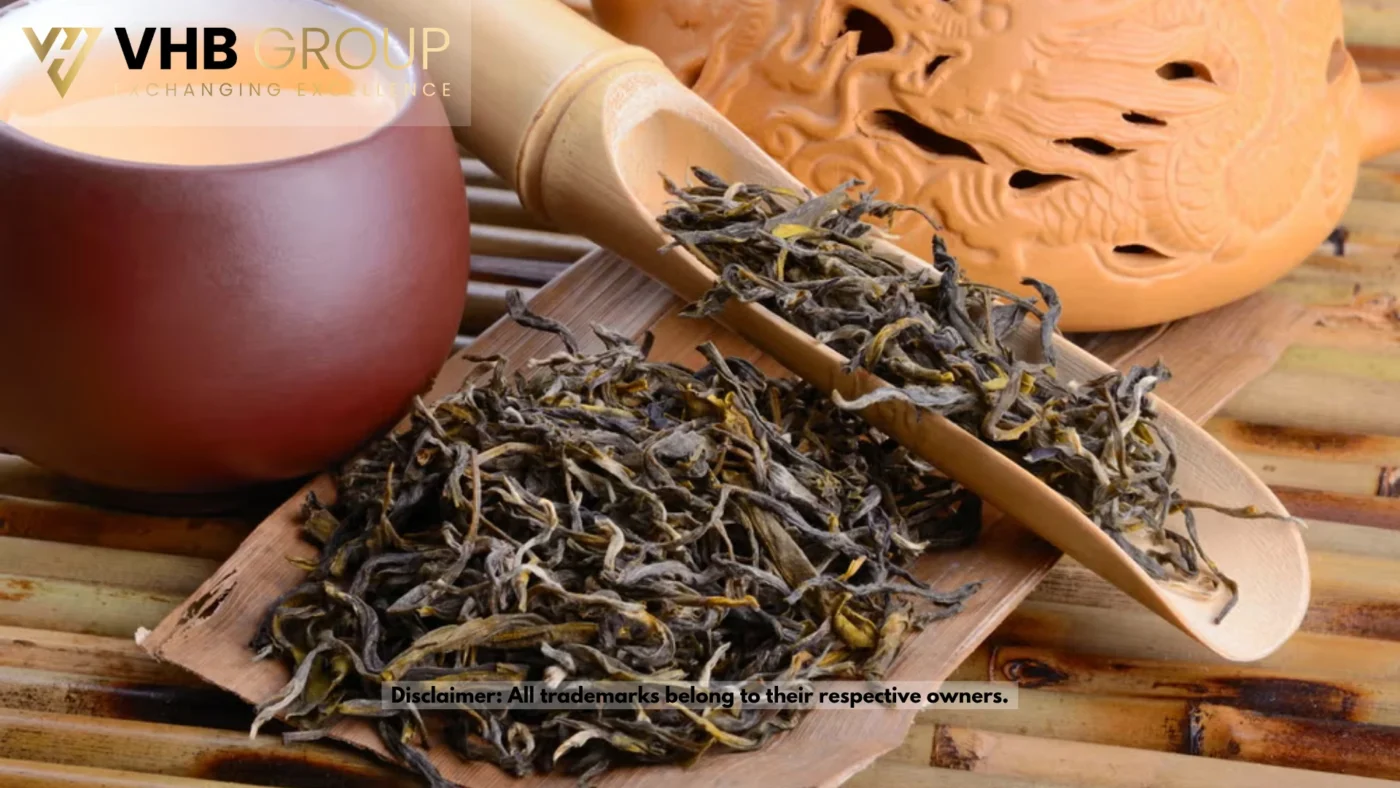
Tracing the exact Oolong Tea Sourcing Origin Specifications is a fundamental requirement for beverage importers, quality assurance directors, and international supply chain managers. Understanding exactly where the raw Camellia sinensis leaves are cultivated, bruised, oxidized, and roasted highlights why specific Chinese and Taiwanese agricultural belts command absolute dominance over the global premium partially oxidized tea market. The unique combination of high-altitude tea terroirs, mineral-rich rocky soils, and multi-generational roasting factories creates a highly traceable, premium supply chain.
For procurement executives managing bulk container shipments through wholesale networks, complete transparency regarding the origin of the harvest is crucial for passing stringent international border regulations (especially regarding pesticide residues) and securing consumer trust in high-end retail markets. This guide breaks down the agricultural and industrial supply chain that fuels the world’s most highly demanded complex tea.
Table of Contents
-
The Agricultural Core of Oolong Tea Sourcing
-
Processing Factories and Roasting Hubs
-
Tracing Regions: Fujian, Guangdong, and Taiwan
-
Why Origin Specifications Matter for Importers in Oolong Tea Sourcing Origin Specifications
-
Conclusion

The Agricultural Core of Oolong Tea Sourcing
When evaluating the supply chain, the journey involves massive, mist-shrouded, high-altitude agricultural belts across East Asia. Unlike commodity black tea grown on massive flat equatorial plains, premium oolong tea relies almost entirely on unique, extreme terroirs—specifically high-mountain peaks and rocky river gorges—that stress the tea plant and force it to develop massive concentrations of complex flavor compounds and minerals.
View High Mountain Tea Plantation Reference on Wikimedia Commons
High-Altitude and “Rock” Terroirs
The global market prioritizes tea sourced explicitly from historic cultivation hubs. In Taiwan, the highest value is placed on “High Mountain” (Gao Shan) oolongs grown at elevations above 1,000 meters. The intense daily temperature fluctuations and thick mountain fog force the leaves to grow slowly, concentrating their natural sugars and amino acids. In China, the Wuyi Mountains feature deep, rocky gorges. Tea plants here absorb massive amounts of trace minerals from the rocky soil, giving Wuyi Oolongs (Rock Teas) their famous “Yan Yun” or mineral tasting notes.
Processing Factories and Roasting Hubs
The raw leaves only form the first step; the immediate, highly synchronized bruising, oxidation, and roasting process forms the critical second half of the journey.

View Industrial Tea Factory Processing Reference on Wikimedia Commons
Bruising and Charcoal Roasting
The heart of premium export production takes place in massive, highly sanitized processing factories located directly adjacent to the plantations. Because the plucked leaves must be withered and bruised immediately, proximity is critical. Factory masters toss the leaves in bamboo drums to break the cellular walls and initiate partial oxidation. Once the exact aromatic profile is reached (smelling of orchids or fruit), the leaves are pan-fired in hot woks to halt oxidation. The leaves are then wrapped in canvas bags and mechanically rolled into tight balls or left in strips. Finally, they undergo a secondary roasting process, often baked over ash-covered charcoal pits for hours or days, which caramelizes the sugars and extends the shelf life. The dry tea is then packed into vacuum foils or bulk sacks and staged for global export.
Tracing Regions: Fujian, Guangdong, and Taiwan
While tea is grown globally, the authentic, highly complex partially oxidized export commodity is sourced through incredibly specialized, culturally historic regional supply chains.
| Sourcing Region | Primary Geography | Agricultural and Export Characteristics |
| Fujian, China | Anxi County | The historic home of Tieguanyin (Iron Goddess of Mercy). Famous for rolled ball oolongs that are both lightly oxidized (floral) and traditionally roasted (nutty). |
| Fujian, China | Wuyi Mountains | Home of “Rock Teas” (Da Hong Pao). Extremely premium pricing, featuring dark, strip-style leaves with heavy charcoal roasting and deep mineral flavors. |
| Guangdong, China | Fenghuang (Phoenix) Mt. | Famous for Dancong oolongs. Strip-style leaves incredibly renowned for perfectly mimicking the aromas of specific fruits and flowers (e.g., Honey Orchid, Almond). |
| Taiwan | Alishan, Lishan, Nantou | Specializes in High Mountain rolled oolongs and heavily roasted Dong Ding. Unparalleled agricultural technology, incredibly strict pesticide controls, and absolute global dominance in premium boutique exports. |
Why Origin Specifications Matter for Importers in Oolong Tea Sourcing Origin Specifications
For B2B buyers, understanding the Oolong Tea Sourcing Origin Specifications and logistical path is an absolute operational requirement for passing international border control and meeting the extreme health targets of modern retail venues.
When clearing international ocean freight, importers must provide verified Certificates of Origin (COO), Commercial Invoices, and crucially, Phytosanitary Certificates. However, the most critical specification for imported tea is Pesticide Maximum Residue Limits (MRLs). Major markets like the European Union (EU) and the United States FDA hold incredibly strict MRL standards. Sourcing directly from verified export-hubs in Taiwan or audited collectives in Fujian that conduct pre-shipment SGS lab testing entirely eliminates the risk of cargo rejection or destruction at the destination port, ensuring smooth inventory turnover and absolute brand safety for the importer.

Conclusion
Total visibility into the origin of your agricultural supply chain empowers commodity distributors with absolute confidence in the quality, safety, and sensory performance of their imported beverage inventory. By combining ideal high-altitude or rocky terroirs with meticulous partial oxidation, charcoal roasting, and strict pesticide-residue compliance out of major Asian hubs, the supply chain delivers a perfectly standardized, deeply aromatic product built for global premium export. For international procurement teams aiming to leverage this highly lucrative supply chain, partner with an established agricultural export consolidator today to secure your wholesale shipments.
Oolong Tea Origin Specs FAQ
Oolong Tea Origin Specs FAQ
Disclaimer: Unless otherwise stated, the images used in this article are the property of their respective owners. We do not claim ownership of any third-party images featured, and they are used here strictly for informational and educational purposes. If you are the copyright holder and wish to have an image removed, please contact us.