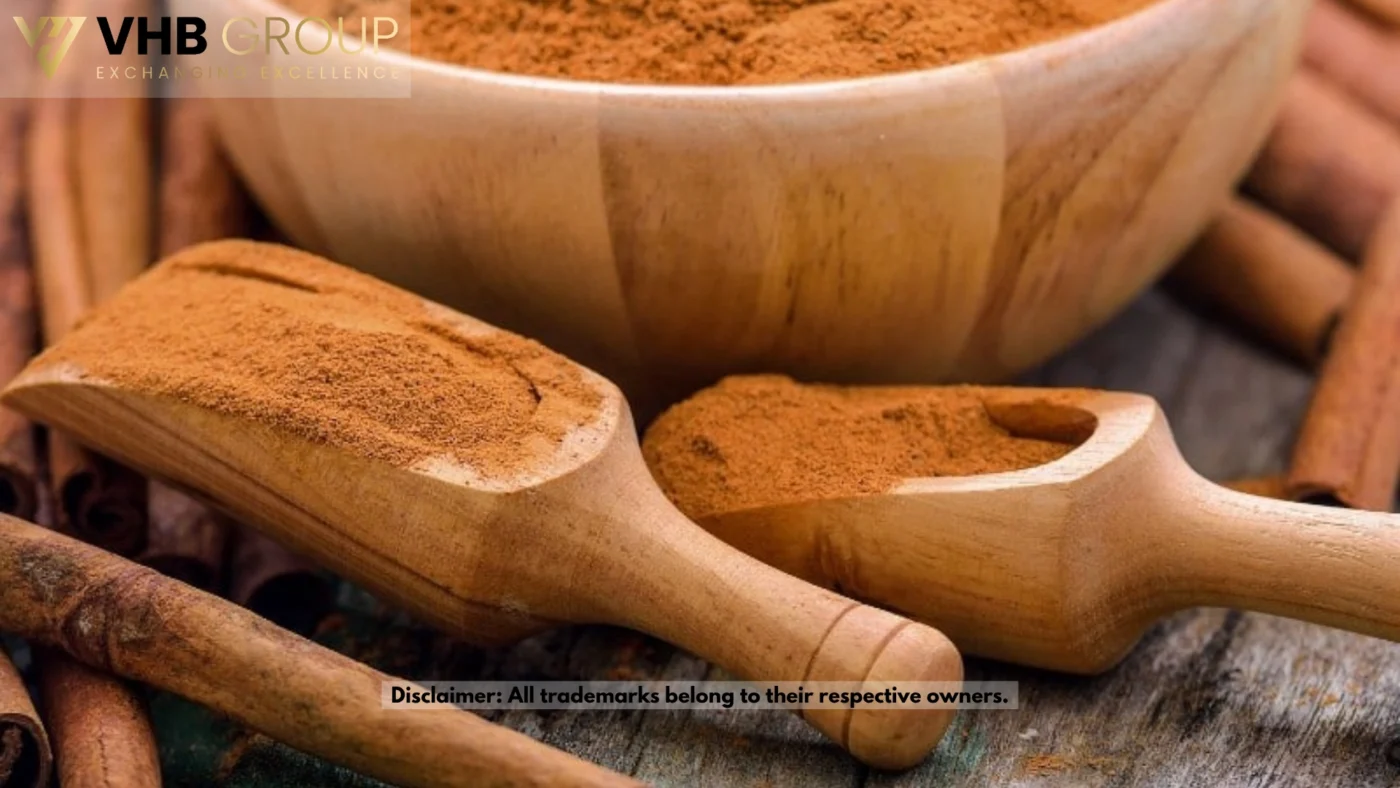
Tracing the exact Cinnamon Powder Sourcing Origin Details is a fundamental requirement for agricultural importers, regulatory assurance directors, and international supply chain managers. Understanding exactly where the raw Cassia trees are cultivated, where the bark is stripped and dried, and where the final temperature-controlled grinding process occurs highlights why this iconic spice commands such a massive presence on the global export market. The unique combination of highly regulated Vietnamese and Indonesian agricultural standards alongside advanced, localized industrial milling creates a highly efficient, premium supply chain.
For procurement executives managing bulk container shipments through wholesale networks, complete transparency regarding the origin of the raw bark is crucial for passing stringent customs regulations, securing phytosanitary clearance, and verifying chemical purity. This guide breaks down the agricultural and processing supply chain that fuels the world’s leading Cassia cinnamon export hubs.
Table of Contents
-
The Agricultural Core of Cinnamon Sourcing
-
Bark Peeling, Drying, and Milling Facilities
-
Tracing Ingredients: Raw Bark and Packaging
-
Why Origin Specifications Matter for Importers
-
Supply Chain Assurance
The Agricultural Core of Cinnamon Sourcing
When evaluating the supply chain, the journey begins in massive, highly specialized agricultural zones. While Cinnamomum cassia is grown across Southeast Asia, Vietnam has positioned itself as an undisputed global powerhouse for premium high-oil cinnamon, heavily centralizing operations in the mountainous highland region of Yen Bai province.
Licensed Corporate and Cooperative Agricultural Hubs
The highest grade raw Cassia bark is sourced from highland plantations known for yielding thick bark with exceptionally high volatile oil content (frequently exceeding 4%). These trees must grow for 10 to 15 years before the bark reaches peak maturity. By sourcing directly from authorized agricultural cooperatives and master consolidators in Yen Bai (Vietnam) or Kerinci (Indonesia), international importers guarantee that they are receiving authentic, expertly cultivated botanical products rather than heavily diluted, low-oil alternatives.
Bark Peeling, Drying, and Milling Facilities
The raw harvested bark only forms a fraction of the equation; the highly intensive, specialized industrial processing is what transforms thick tree bark into a premium, micro-fine culinary powder.
View Cinnamon Cassia Bark Reference on Wikimedia Commons
The heart of production takes place in highly mechanized manufacturing complexes. The fresh bark is manually stripped from the trees during the rainy season when the sap is flowing. It is then heavily sun-dried, causing the bark to curl into the familiar “quills.” The dried bark is thoroughly washed, mechanically cleaned to remove all lichen and dirt, and then fed into massive industrial hammer mills. Premium factories utilize water-cooled milling systems to ensure the intense heat generated during grinding does not vaporize the precious cinnamaldehyde oils. Finally, the powder is sifted through strict mesh screens for uniform sizing, passed over rare-earth magnets and metal detectors to eliminate physical contaminants, and pneumatically injected into PE-lined kraft bags.
Tracing Ingredients: Raw Bark and Packaging
The bulk ingredients that compose the final ground spice are sourced through a highly regulated, geographically specific supply chain.
| Ingredient Category | Primary Sourcing Region | Function in the Matrix |
| Raw Cassia Bark | Yen Bai (Vietnam) / Sumatra (Indonesia) | Provides the core botanical bark for processing and milling. |
| Cinnamaldehyde Oils | Naturally occurring within the bark | Provides the intense, spicy-sweet flavor and aroma profile. |
| Food-Grade PE Liners | Advanced Asian Chemical Converters | Provides the absolute moisture and oxygen barrier required inside the bulk bags. |
| Kraft Paper Bags | Local Packaging Converters | Provides the heavy-duty physical exterior protection for global export. |
Why Origin Specifications Matter for Importers
For B2B buyers, understanding the Cinnamon Powder Sourcing Origin Details and logistical path is an absolute operational requirement for passing international border control and meeting food safety compliance in modern retail environments.
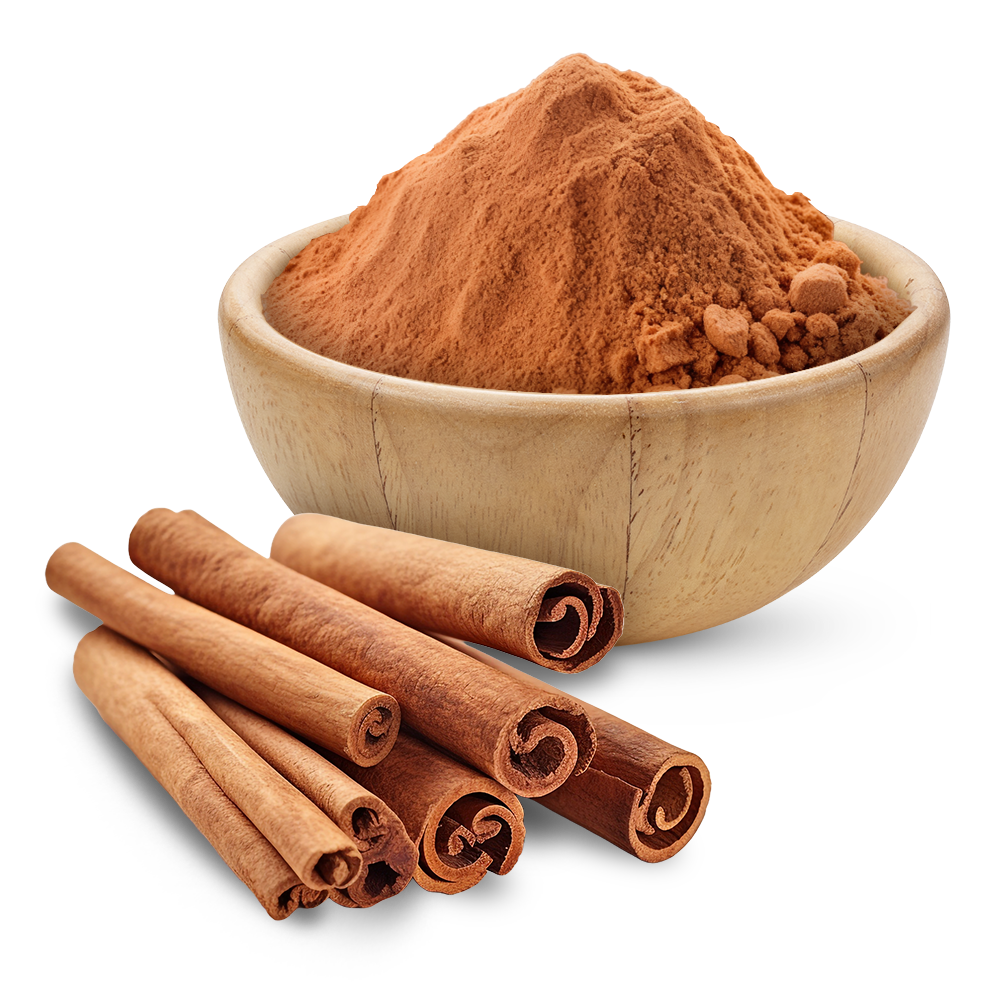
When clearing international customs (like the US FDA or European EFSA), agricultural importers must provide verified Certificates of Origin (COO) and strict Phytosanitary Certificates. Knowing that the product is manufactured in globally audited, BRC, ISO, or HACCP-certified facilities entirely eliminates the risk of cargo confiscation due to unapproved heavy metals, excessive coumarin levels, mold contamination, or physical adulteration (such as mixing with cheap sawdust or exhausted bark). Furthermore, the verified Vietnamese or Indonesian processing origin is heavily trusted across global markets as the absolute mark of technical precision and superior aroma delivery for Cassia cinnamon.
Supply Chain Assurance
Total visibility into the origin of your botanical supply chain empowers distributors with absolute confidence in the quality, safety, and authenticity of their imported inventory. By combining premium highland raw material sourcing with highly specialized, temperature-controlled Southeast Asian milling technology, the supply chain delivers a perfectly harmonized product built for global export.
Cinnamon Origin Specs FAQ
Disclaimer: Unless otherwise stated, the images used in this article are the property of their respective owners. We do not claim ownership of any third-party images featured, and they are used here strictly for informational and educational purposes. If you are the copyright holder and wish to have an image removed, please contact us.