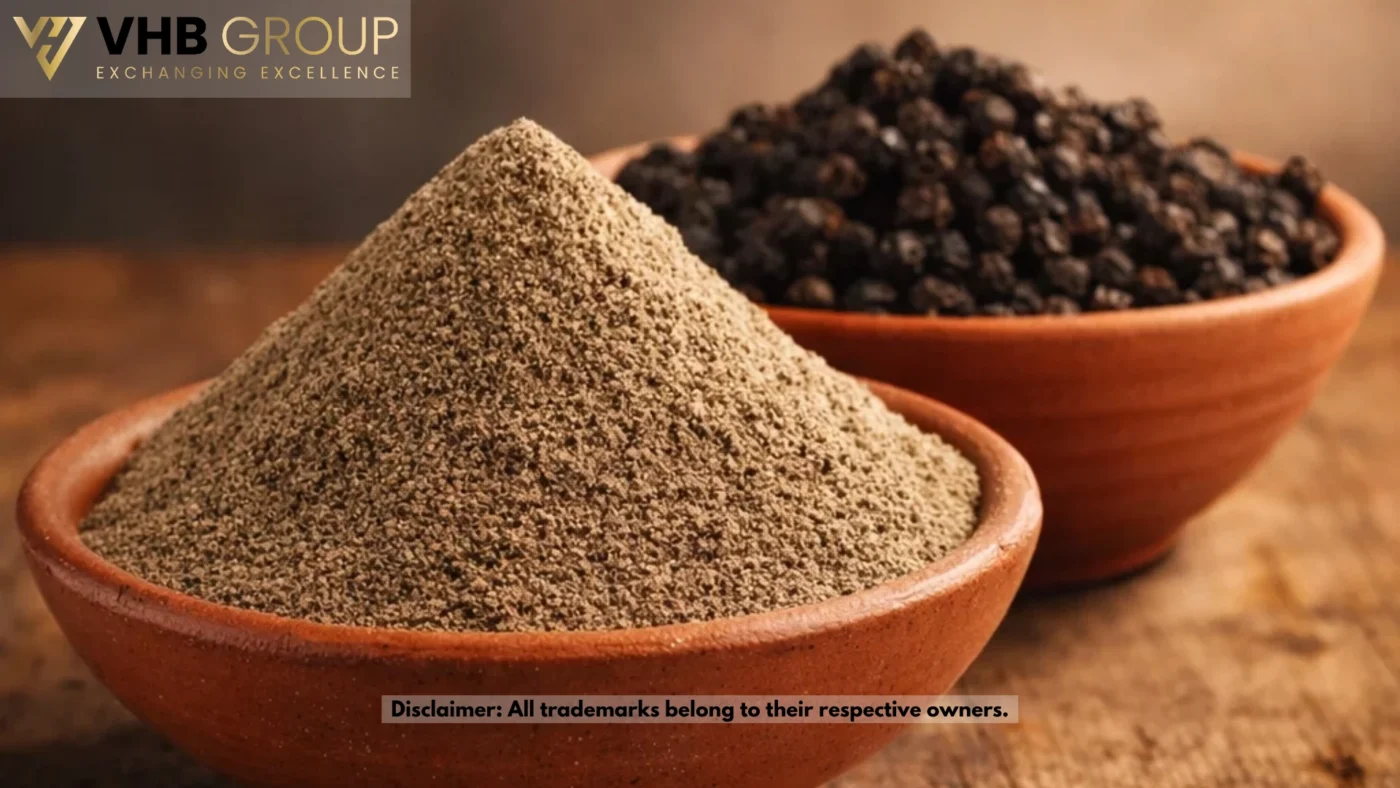
Understanding the exact Ground Black Pepper Spice Specs & Aroma Facts is absolutely essential for agricultural importers, international spice buyers, and FMCG distributors who want to comprehend why this specific spice commands such massive commercial loyalty in the global market. Unlike inferior, filler-heavy powders, premium ground black pepper is meticulously engineered using precision milling processes that transform the dense, sun-dried drupe into a highly aromatic, volatile, and pungent culinary staple, directly appealing to demographics seeking premium savory flavoring ingredients.
For international procurement teams and supply chain managers looking to capitalize on this immense global demand, reviewing the operational logistics of the wholesale supply chain is the mandatory next strategic step. However, before investing in bulk container loads, buyers must fully understand the chemical, physical, and sensory components that make this ground spice a high-margin retail juggernaut.
Table of Contents
-
The Botanical Base: High-Density Piper Nigrum
-
The Grinding Process and Volatile Oil Matrix
-
Sensory Profile: Essential Ground Black Pepper Spice Specs & Aroma Facts
-
Chemical Safety and Dietary Synergy
-
Wholesale Culinary Integration
The Botanical Base: High-Density Piper Nigrum
When analyzing the massive commercial success of this globally recognized spice, the primary differentiator lies in the unique botanical structure and volatile oil makeup of the peppercorn itself.
The global market relies entirely on Piper nigrum. The highest-quality variants, primarily cultivated in the mineral-rich basalt soils of Vietnam’s Central Highlands, yield peppercorns with a massive bulk density (often exceeding 550 grams per liter). This density is indicative of a mature, fully developed core that houses intense concentrations of piperine (the alkaloid responsible for the heat) and essential oils (responsible for the complex aroma). Low-density “light berries” are rejected by premium processing facilities to ensure the final powder delivers maximum pungency.
The Grinding Process and Volatile Oil Matrix
A critical element within the manufacturing cycle is the heavy reliance on precision temperature control during the physical milling of the peppercorns.
View Ground Black Pepper Powder Reference on Wikimedia Commons
To transform the raw berry, industrial facilities utilize advanced granulators and hammer mills. The grinding process dictates the physical mesh size of the powder, ensuring it aligns with the buyer’s specifications (coarse, fine, or dust). Crucially, heat generated by friction during milling can instantly vaporize the precious volatile oils (specifically pinene, sabinene, and limonene). Premium facilities utilize water-cooled milling systems to keep the ambient temperature low, locking in the aromatic oils and preserving the intense, sharp “bite” that consumers demand.
Sensory Profile: Essential Ground Black Pepper Spice Specs & Aroma Facts
The most distinctive physical characteristic of perfectly ground black pepper is its speckled, dark grey-brown hue and the immediate, sharp, piney aromatic burst released upon opening the vacuum seal.
Balancing Pungency, Earthiness, and Heat
The Ground Black Pepper Spice Specs & Aroma Facts matrix is heavily characterized by its aggressive, punchy profile. The spice relies on a high concentration of piperine (typically 4-6%), which provides the signature fiery “heat” on the back of the palate. This sharp bite is supported by deep, earthy, and slightly citrusy notes from the essential oils. The physical mesh size dictates the sensory delivery: coarse grinds offer sudden bursts of intense flavor upon chewing, while fine powders ensure rapid, uniform heat dispersion in sauces and marinades.
Chemical Safety and Dietary Synergy
To fully grasp the commercial appeal, FMCG food distributors must analyze the macro-chemical and safety profile. A standard bulk bag is carefully calibrated for maximum shelf stability and sensory delivery.
| Culinary Component | Function in the Matrix | Safety & Quality Profile |
| Piperine | Provides the core pungency and spicy heat profile. | Natural alkaloid; high levels indicate superior agricultural quality. |
| Volatile Oils | Provides the complex, piney, and citrusy aroma. | Protected through cryogenic or water-cooled grinding. |
| Moisture Content | Dictates exact shelf stability and prevents clumping. | Strictly maintained below 12% to prevent mold and Salmonella growth. |
| Physical Ash / Sand | Identifies the purity and cleanliness of the grinding process. | Acid-insoluble ash is strictly limited to < 1.5% to guarantee zero dirt impurities. |
Wholesale Culinary Integration
Mastering the core culinary facts and grinding matrices is the definitive key to understanding this product’s unstoppable global retail velocity in the spice aisle. From the careful selection of high-density raw berries to the precision engineering of the temperature-controlled milling process, every single element of this processing cycle is designed to deliver a premium, highly satisfying culinary ingredient. For international distributors and commercial kitchens, stocking these authentic Southeast Asian-milled variants guarantees access to a highly loyal, quality-focused commercial consumer base.
Black Pepper Specs & Aroma FAQ
Disclaimer: Unless otherwise stated, the images used in this article are the property of their respective owners. We do not claim ownership of any third-party images featured, and they are used here strictly for informational and educational purposes. If you are the copyright holder and wish to have an image removed, please contact us.