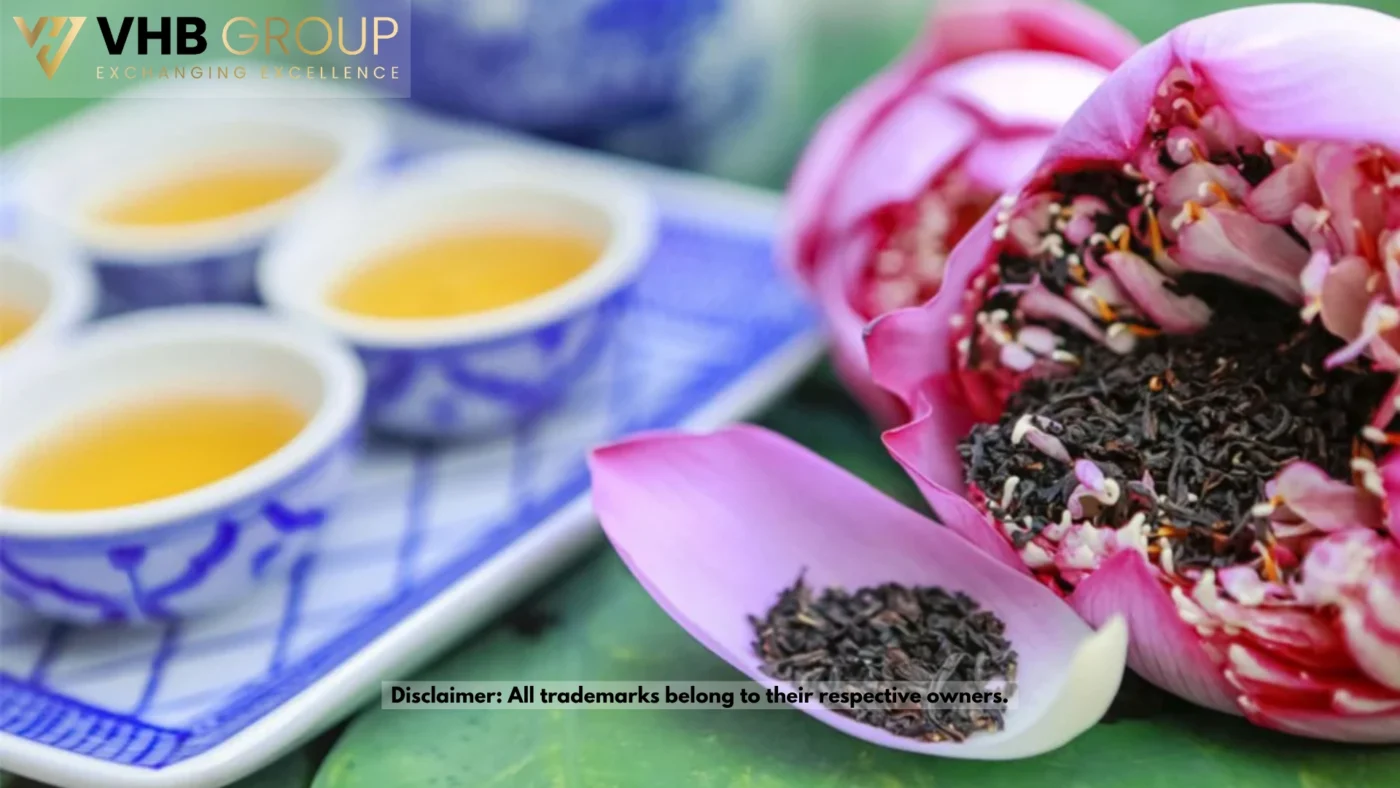
Sourcing Lotus Tea Bulk Wholesale Export Supply Line inventory provides international specialty tea retailers, regional Asian grocery networks, luxury hospitality distributors, and FMCG trading partners with an essential, high-margin revenue engine in the premium botanical beverage category. Manufactured and processed across Vietnam’s renowned tea and floral agricultural zones, this highly prestigious scented green tea is demanded globally for its delicate floral aroma, authentic cultural heritage, and exceptional retail velocity in the premium loose-leaf sector.
For B2B procurement managers and supply chain directors working with agricultural distribution partners, managing full container load (FCL) or less-than-container load (LCL) consignments of wholesale Lotus Tea requires carefully evaluating product packaging configurations (bulk vacuum bags, retail tins, and pyramid tea bags), master carton yields, humidity-controlled ocean container payload limits, and international agricultural customs clearance protocols. This technical guide evaluates the operational, financial, and logistical frameworks necessary to establish a highly profitable import and distribution model for this globally demanded specialty tea.
Table of Contents
-
Global Market Demand for Premium Scented Teas
-
Product Portfolio Breakdown
-
Bulk Packaging Configurations and Freight Density
-
B2B Sourcing Pathways for Lotus Tea Bulk Wholesale
-
Landed Cost Calculation Framework
-
Import Compliance, Harmonized System Codes, and Customs Documentation
-
Global Procurement Strategy

Global Market Demand for Premium Scented Teas
The global specialty tea market relies fundamentally on unique, highly aromatic profiles that offer consumers a premium, culturally authentic brewing experience. Lotus tea commands a highly lucrative, niche market share globally, operating as a luxury botanical product rather than a commodity dust tea. It offers excellent export liquidity due to the highly specialized agricultural consolidation sectors out of Vietnam, which serves as the undisputed global hub for authentic lotus-scented green teas.
View Vietnamese Lotus Tea Reference on Wikimedia Commons
Growth Drivers in the Market
The continuous growth in the specialty tea sector is driven by consumer demand for artisanal, whole-leaf beverages that provide both wellness benefits and complex sensory experiences. Consumers and tea connoisseurs consistently pivot toward authentic lotus tea because it guarantees a refined, floral profile without the artificial, chemical aftertaste of synthetic flavorings. The luxurious, culturally rich branding appeals directly to high-end demographics, driving massive purchase volume in boutique tea shops and premium grocery aisles.
Commercial Advantages
Adding this inventory to a B2B distribution catalog delivers distinct commercial advantages:
-
Unmatched Botanical Authority: Backed by centuries of traditional Vietnamese scenting heritage, generating immediate pre-sold consumer trust.
-
Premium Import Margin Value: Because genuine lotus tea commands luxury retail pricing, the gross profit margins per container significantly outperform standard commodity teas.
-
Versatile Culinary and Hospitality Application: Highly demanded both as a standalone premium retail product and as a luxury service item in the HORECA (Hotel, Restaurant, Cafe) sector.
Product Portfolio Breakdown
Curating an optimal inventory mix requires selecting the right leaf grades and scenting intensities tailored to target retail demographics.
Core Product SKUs
When structuring a container load from Southeast Asian agricultural hubs, the core SKU forms the absolute foundation of the procurement strategy:
-
-
Traditional West Lake Lotus Tea: The absolute luxury flagship. Features premium Thai Nguyen green tea scented multiple times with the stamens of real West Lake lotus blossoms.
-
Standard Scented Lotus Green Tea: A commercially scalable variant utilizing high-grade green tea scented with regional lotus flowers, offering a more accessible price point for high-volume supermarkets.
-
Lotus Leaf / Herbal Blends: Caffeine-free tisanes utilizing dried lotus leaves and flowers for the wellness and herbal remedy market.

-
Bulk Packaging Configurations and Freight Density
When managing ocean shipments, physical logistics heavily dictate profitability. Products are packaged in vacuum-sealed foil bags to preserve volatile aromatic oils, consolidated into corrugated master cartons, and palletized to withstand rigorous, humidity-controlled maritime transit.
Master Carton Yields
Understanding the exact packing specifications is critical for calculating freight costs:
| Packaging SKU Format | Standard Weight | Retail Pack Format | Primary Distribution Channel |
| Bulk Loose Leaf Bag | 1kg / 5kg | Vacuum-Sealed Foil Bag | Tea Houses, Hospitality |
| Retail Presentation Tin | 100g / 250g | Rigid Metal Canister | Luxury Retail, Gift Shops |
| Pyramid Tea Bags | 15 x 2.5g | Foil Pouch / Retail Box | Supermarkets, E-commerce |
B2B Sourcing Pathways for Lotus Tea Bulk Wholesale
Commercial buyers access wholesale inventory through primary procurement channels. Independent wholesalers, mid-tier regional beverage distributors, and agile import firms typically source via master agricultural consolidators operating out of major Vietnamese export hubs like Hai Phong or Ho Chi Minh City. Consolidators offer flexible Minimum Order Quantities (MOQs) and handle all complex phytosanitary export logistics.
Landed Cost Calculation Framework
Procurement teams must accurately forecast their financials before executing a purchase order. Calculating net landed unit costs involves applying a structured, multi-step financial calculation process.
Step-by-Step Financial Breakdown
-
Step 1: Calculate Ocean Freight Charges (utilizing 20ft or 40ft standard dry containers) + Origin Port Fees + Import Customs Duties + Marine Cargo Insurance + Local Destination Drayage.
-
Step 2: Add the Total Shipping Overhead to the Free On Board (FOB) Purchase Carton Price.
-
Step 3: Divide the Total Landed Cost per Master Carton by the number of Retail Units or Kilograms to find the exact unit or weight-based cost.

Import Compliance, Harmonized System Codes, and Customs Documentation
Clearing agricultural imports through international customs is a highly regulated process. Securing your shipments requires flawless documentation verified by accredited origin testing laboratories.
Essential Export Documentation Suite
-
Commercial Shipping Documents: Master Bill of Lading (B/L), Commercial Invoice, Detailed Packing List, and a Certificate of Origin (COO).
-
Harmonized System Classification: For customs declaration, flavored or scented green teas are generally classified under HS Code 0902.10 (Green tea, not fermented, in immediate packings of a content not exceeding 3 kg) or 0902.20 (Green tea, not fermented, in packings exceeding 3 kg).
-
Phytosanitary Certification: Importers must ensure they hold the proper phytosanitary certificates issued by the exporting country’s agricultural ministry to prove the tea is free from pests, mold, and unapproved pesticide residues.
Global Procurement Strategy
Mastering the procurement of this high-velocity premium botanical is the definitive key to unlocking massive global retail margins in the specialty tea sector. From the careful cultivation of high-altitude green tea to the precision engineering of the vacuum-sealed packaging, every single element is designed to deliver a luxury consumer experience. For international distributors and premium retail chains, stocking authentic Lotus Tea guarantees access to a highly loyal, quality-driven consumer base.
Lotus Tea Bulk Wholesale FAQ
Disclaimer: Unless otherwise stated, the images used in this article are the property of their respective owners. We do not claim ownership of any third-party images featured, and they are used here strictly for informational and educational purposes. If you are the copyright holder and wish to have an image removed, please contact us.