Selecting the correct Pressed Cassia Cinnamon Bale SKUs Wholesale Catalog formats is a critical operational step for agricultural importers, commercial spice grinders, and wholesale distributors aiming to capture the lucrative global industrial spice market. Unlike retail-oriented split or stick cassia, the agricultural packing lines for pressed cassia offer a highly specific range of heavy-duty woven bales and rigid bulk cartons engineered exclusively to meet the demands of high-volume commercial manufacturing and ocean freight optimization.
For global procurement teams who are currently optimizing their wholesale import strategy, familiarizing yourself with the exact physical dimensions, net weights, and master bale configurations of these SKUs is absolutely mandatory. This knowledge allows supply chain directors to perfectly maximize incredibly dense ocean container payloads, prevent moisture ingress during transit, and forecast accurate gross profit margins prior to ordering.
Table of Contents
-
Understanding Core Bulk Pressed Bale Formats
-
Rigid Industrial Cartons
-
Master Logistics for Pressed Cassia Cinnamon Bale SKUs
-
How Industrial Packaging Drives Efficiency
-
Logistics and SKU Optimization

Understanding Core Bulk Pressed Bale Formats
The foundation of any successful industrial spice portfolio begins with the core, high-turnover bulk packaging variants. The standard export bales are universally recognized by their heavy-duty woven construction designed exclusively to protect the dense, heavy, flat bark from physical tearing and moisture absorption while maximizing weight per cubic meter.
View Bulk Spice Packaging Reference on Wikimedia Commons
The 25kg / 50kg Pressed PP/Gunny Bale
The absolute flagship product for commercial grinders and essential oil extractors in the global export lineup is the 25kg or 50kg woven Polypropylene (PP) bag, or traditional heavy Jute (gunny) sack. Inside this heavy-duty woven exterior, the flat sheets of pressed cassia are stacked tightly like lumber. Because there is virtually zero curved void space, these bales are incredibly heavy relative to their physical size. They are often lined with a food-grade polyethylene (PE) inner bag that is aggressively sealed to block environmental humidity, ensuring the tightly packed bark does not absorb moisture and develop internal mold during extended maritime transit.
Rigid Industrial Cartons
To aggressively capture the commercial bakery sector and mid-tier spice blenders who require easier manual handling than a 50kg bale allows, manufacturing facilities produce a robust portfolio of corrugated packaging.
The 20kg / 25kg Heavy Corrugated Box
For industrial food suppliers where warehouse ergonomics matter, the pressed cassia sheets are packed into heavy corrugated cartons. These boxes are highly favored by buyers who need to stack inventory perfectly on standardized pallets without the shifting or bulging that can occur with woven bags. The rigid cardboard provides excellent physical protection against shattering, ensuring the sheets arrive fully intact for further mechanical processing.
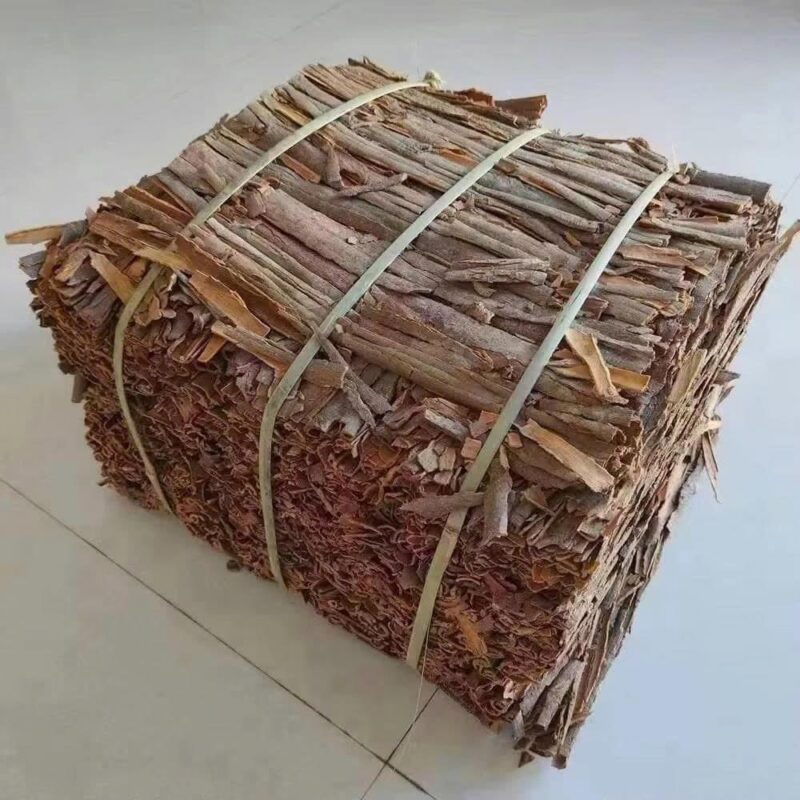
Master Logistics for Pressed Cassia Cinnamon Bale SKUs
When procuring these dry agricultural products in bulk, buyers purchase incredibly heavy master bales. A deep understanding of these packaging configurations is absolutely essential for calculating exact landed costs, as pressed cassia is dense enough that a 20ft shipping container can often be utilized instead of a 40ft High Cube, easily hitting maximum road-weight limits while maximizing every inch of space.
| SKU Variant | Net Weight | Retail/Industrial Format | Master Logistics Strategy | Primary Industrial Channel |
| Pressed PP/Gunny Bale | 25kg / 50kg | Heavy Woven Bag w/ PE Liner | Floor-loaded to maximize weight | Industrial Grinders, Essential Oil Extraction |
| Pressed Carton | 20kg / 25kg | Heavy Corrugated Box | Palletized Cartons | Commercial Bakeries, Spice Blending |
How Industrial Packaging Drives Efficiency
In the industrial spice trade, the physical design of the product packaging is purely about logistical mathematics. The flat, board-like nature of the pressed cassia perfectly tessellates inside the square bales and cartons. This geometry eliminates the “shipping air” problem associated with standard curled cinnamon sticks. By utilizing pressed bales, importers can drastically reduce their inbound ocean freight cost per kilogram, offering a hyper-competitive market price to their end buyers while maintaining superb profit margins.

Logistics and SKU Optimization
Mastering the catalog of available packaging SKUs is the baseline for executing a highly profitable international botanical import strategy. By understanding the distinct physical and commercial differences between the ultra-dense 50kg industrial woven bales and the stackable 25kg corrugated cartons, distributors can selectively curate perfect, weight-maximized container loads that guarantee rapid inventory turnover in their specific target industrial markets.
Pressed Cassia Bale SKUs FAQ
Disclaimer: Unless otherwise stated, the images used in this article are the property of their respective owners. We do not claim ownership of any third-party images featured, and they are used here strictly for informational and educational purposes. If you are the copyright holder and wish to have an image removed, please contact us.