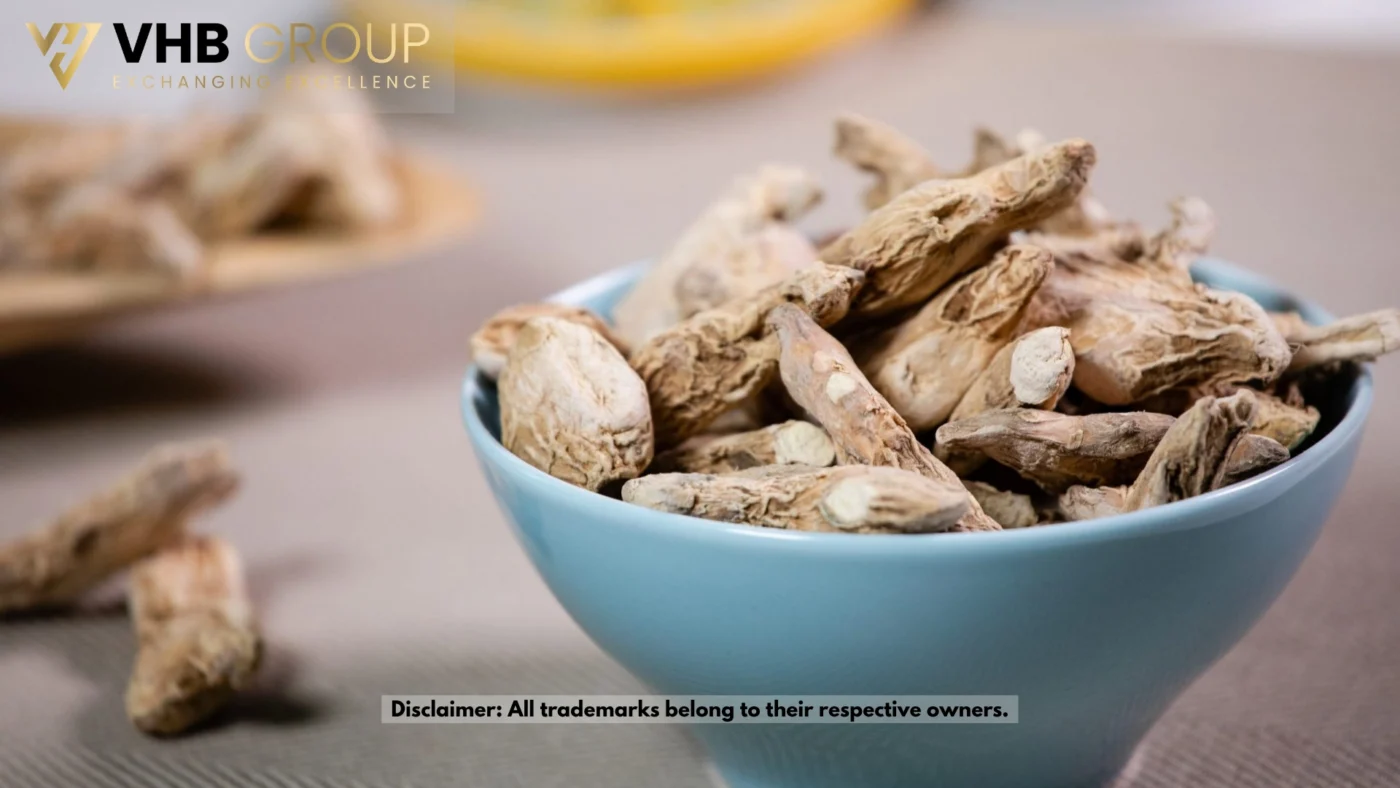
Understanding the exact Dried Ginger Slices Pungency & Spice Profile Facts is absolutely essential for agricultural importers, international spice buyers, and FMCG distributors who want to comprehend why this specific dehydrated format commands such a massive presence in the commercial baking and beverage sector. Unlike fresh ginger, which is bright and zesty, the dehydration process fundamentally alters the root’s chemical composition, converting its primary flavor compounds to create a significantly hotter, more pungent, and deeply concentrated spice profile that industrial food scientists rely on for bake-stable flavor delivery.
For international procurement teams and supply chain managers looking to capitalize on this immense global demand, reviewing the operational logistics of the wholesale supply chain is the mandatory next strategic step. However, before investing in bulk container loads, buyers must fully understand the chemical, physical, and sensory components that make this dehydrated botanical a high-margin industrial juggernaut.
Table of Contents
-
The Botanical Base: Zingiber Officinale
-
The Dehydration Process and Chemical Conversion
-
Sensory Profile: Essential Dried Ginger Slices Pungency & Spice Profile Facts
-
Chemical Safety and Dietary Synergy
-
Wholesale Botanical Integration

The Botanical Base: Zingiber Officinale
When analyzing the massive commercial success of this globally recognized spice, the primary differentiator lies in the harvest timing and chemical makeup of the rhizome (underground stem).
Harvested from mature Zingiber officinale plants (typically allowed to grow for 8 to 10 months before harvesting), the rhizome develops a thick, fibrous structure densely packed with essential oils and oleoresins. The maturity of the root at harvest directly dictates its final pungency. Young “spring” ginger has high water content and mild flavor, making it unsuitable for dehydration. Commercial dried ginger slices are explicitly processed from fully mature, tough roots that yield the maximum concentration of spicy phenolic compounds, ensuring that when the slice is steeped in liquid or ground into powder, it delivers massive flavor impact.
The Dehydration Process and Chemical Conversion
A critical element within the manufacturing cycle is the heavy reliance on controlled moisture evaporation, which triggers a fascinating chemical transformation.
View Ginger Rhizomes Reference on Wikimedia Commons
To transform the freshly harvested, wet roots into shelf-stable dried slices, agricultural processors wash, optionally peel, and mechanically slice the rhizomes into uniform 3mm to 5mm pieces. These slices are laid out on trays in hot-air kilns or under intense sun.
During this drying process, a critical chemical reaction occurs. In fresh ginger, the primary spicy compound is gingerol. As heat is applied and moisture drops below 12%, the gingerol undergoes a dehydration reaction and converts into shogaol. Shogaol is nearly twice as pungent (spicy) on the Scoville scale as gingerol. This chemical conversion is exactly why dried ginger tastes significantly hotter and sharper than fresh ginger, making it the preferred format for heavy commercial baking (where fresh ginger flavor would bake out) and potent spice extracts.
Sensory Profile: Essential Dried Ginger Slices Pungency & Spice Profile Facts
The most distinctive physical characteristic of properly processed dried ginger slices is their hard, woody, pale-yellow structure, and the immediate, sharp, earthy-spicy aromatic burst released upon breaking or grinding.
Balancing Shogaol Heat, Earthiness, and Citrus Notes
The Dried Ginger Slices Pungency & Spice Profile Facts matrix is heavily characterized by its aggressive heat. Because of the high shogaol content, the flavor profile is intense, warm, and deeply earthy, lacking the bright, watery citrus notes of fresh ginger. This concentrated pungency is why dried ginger is a foundational ingredient in Indian curry powders, Middle Eastern spice rubs, European gingerbread, and potent health tonics. The sliced format specifically maximizes the surface area for rapid flavor extraction in commercial tea blending and beverage brewing.
Chemical Safety and Dietary Synergy
To fully grasp the commercial appeal and risks, FMCG food distributors must analyze the macro-chemical and safety profile. A standard bulk bag is carefully calibrated for maximum shelf stability and sensory delivery, requiring strict adherence to processing limits.
| Culinary Component | Function in the Matrix | Safety & Quality Profile |
| Shogaol | Provides the sharp, intense heat and core pungency. | High levels indicate proper dehydration and mature root usage. |
| Essential Oils (Zingiberene) | Provides the warm, earthy aromatic top notes. | Locked into the fibrous matrix; released upon grinding or steeping. |
| Moisture Content | Dictates exact shelf stability and prevents mold. | Must be strictly maintained below 12% to prevent fungal growth. |
| Sulfur Dioxide (SO2) | Sometimes used to bleach slices to an artificial white. | Strictly regulated; premium EU/US grades require “Unsulfured” certification. |
Wholesale Botanical Integration
Mastering the core culinary facts and chemical dehydration matrices is the definitive key to understanding this product’s unstoppable global industrial velocity. From the careful harvesting of mature rhizomes to the precision engineering of the gingerol-to-shogaol conversion during drying, every single element of this processing cycle is designed to deliver a premium, highly pungent, and logistically efficient culinary ingredient. For international distributors and commercial beverage makers, stocking authentic, properly dried ginger slices guarantees access to a highly loyal, flavor-driven commercial consumer base.
Dried Ginger Spice Profile FAQ
Disclaimer: Unless otherwise stated, the images used in this article are the property of their respective owners. We do not claim ownership of any third-party images featured, and they are used here strictly for informational and educational purposes. If you are the copyright holder and wish to have an image removed, please contact us.