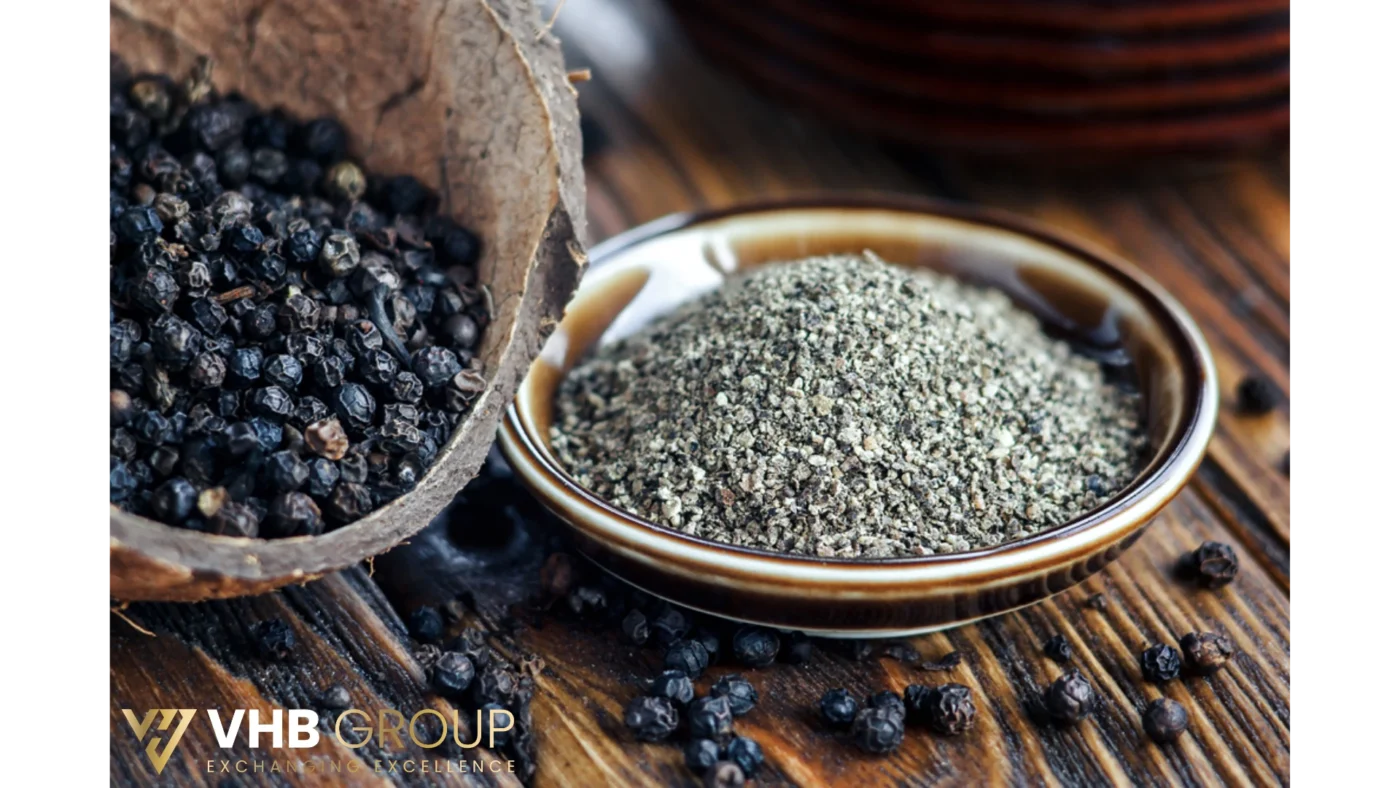
Sourcing from a reliable Premium Black Pepper Origin is a critical decision for international food processors, spice distributors, and B2B buyers seeking consistency, high piperine content, and stringent quality assurance. As the global demand for food safety and traceability intensifies, understanding the geographical nuances, cultivation practices, and processing standards of your agricultural commodities is paramount. Black pepper (Piper nigrum), often referred to as the ‘King of Spices’, is not a uniform product. The climate, soil chemistry, and post-harvest refining processes of its source determine its chemical profile, aroma, and commercial value.
For industrial buyers, wholesale sourcing is no longer just about finding the lowest price. It is about mitigating supply chain risks, ensuring compliance with strict European and North American import regulations, and maintaining product consistency. In this comprehensive B2B sourcing guide, we analyze the critical factors that define an elite production source, evaluate why certain global regions stand out, and outline the technical benchmarks required to secure high-yield, food-safe shipments.
Table of Contents
- Why Choose a Premium Black Pepper Origin for Global B2B Sourcing?
- Vietnam: The World’s Leading Premium Black Pepper Origin
- Processing Methodologies at the Source
- Quality Standards and Specifications of a Premium Black Pepper Origin
- Sustainable Agriculture and Traceability
- Logistics, Packaging, and Supply Chain Excellence
- Frequently Asked Questions (FAQs)
- Conclusion: Partnering with VIHABA for Your Premium Black Pepper Origin Needs
Why Choose a Premium Black Pepper Origin for Global B2B Sourcing?
The term terroir, while commonly associated with fine wine, applies just as critically to agricultural spices. The environmental conditions under which a pepper vine is cultivated directly dictate its chemical composition, specifically its piperine content and volatile oil profile. Piperine is the alkaloid responsible for the characteristic biting pungency of black pepper, while the volatile oils (including pinene, sabinene, limonene, and caryophyllene) generate its complex aromatic notes.
When B2B importers specify a Premium Black Pepper Origin, they are targeting specific density levels, chemical purity, and flavor characteristics. Higher-altitude cultivation regions with well-drained, nutrient-dense soils yield berries with superior physical density, often measured in grams per liter (g/l). High-density pepper (e.g., 550 g/l to 570 g/l) indicates fully matured berries containing a rich kernel, translating to higher oil yields and more efficient milling for ground pepper production.
Conversely, low-density pepper from unoptimized origins contains a high percentage of light berries, hollow husks, and pinheads. For industrial spice grinders and food manufacturers, utilizing low-grade raw materials results in high processing waste, poor flavor retention, and inconsistent end-product quality. Sourcing from a verified premium origin ensures that every container delivered meets the precise physical and chemical specifications required to keep processing lines running efficiently.
Vietnam: The World’s Leading Premium Black Pepper Origin
When analyzing global trade volumes and agricultural infrastructure, Vietnam consistently emerges as the world’s premier exporter of black pepper. Producing over 40% of the global supply, Vietnam has established itself as the ultimate Premium Black Pepper Origin by combining ideal natural growing conditions with advanced post-harvest processing technologies.
The cultivation of black pepper in Vietnam is concentrated primarily in two key geographic zones: the Central Highlands (including the provinces of Dak Lak, Dak Nong, and Gia Lai) and the Southeast region (including Binh Phuoc and Dong Nai). These regions feature deep, well-drained volcanic basalt soils (often referred to as red soil or terra rossa) that are incredibly rich in minerals and organic matter. This soil profile, coupled with a distinct wet and dry seasonal pattern and average temperatures ranging from 22°C to 30°C, provides the perfect microclimate for the Piper nigrum vine to thrive.
Looking to secure a stable supply of high-grade spices? Explore our verified Premium Black Pepper Origin solutions to access direct-from-farm pricing and certified quality standards. By partnering with dedicated cultivation networks in these highly productive provinces, VIHABA bridges the gap between rural farming cooperatives and international B2B buyers, ensuring seamless sourcing from the field to your domestic port.
Processing Methodologies at the Source
The journey from a harvested green pepper berry to a shelf-stable, export-ready black pepper kernel involves a series of critical post-harvest steps. The quality of a Premium Black Pepper Origin is cemented during this refining stage. Poor processing can ruin even the finest harvest by introducing microbial contamination or causing mold development.
Harvesting and Sun-Drying
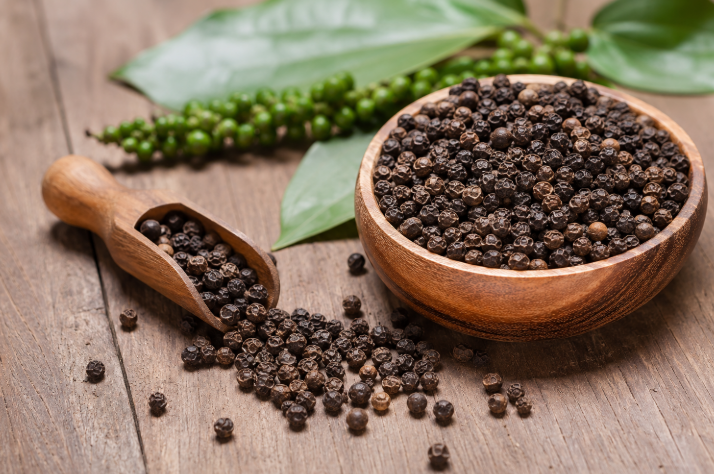
Harvesting occurs when the berries at the base of the spikes begin to turn yellow or red. Experienced farmers hand-pick the spikes to prevent damaging the delicate vines. Once harvested, the berries are separated from the stems using mechanical threshers. The separated berries are then spread out on clean concrete drying patios or raised drying beds. Under the natural heat of the sun, the berries undergo enzymatic browning, turning from green to their characteristic deep blackish-brown color over a period of 3 to 4 days, reducing the moisture content from approximately 70% down to a stable 12% to 13.5%.
Mechanical Cleaning and Grading
To meet the strict standards of international markets, raw sun-dried pepper must undergo rigorous mechanical processing. The raw material is fed into modern processing lines equipped with:
- Pre-cleaners and Sifters: To remove large foreign materials, stems, leaves, and dust.
- Destoners: Gravity-based separators that remove heavy impurities such as small stones, sand, and soil particles.
- Spiral Gravity Separators: Specialized equipment designed to separate light berries, pinheads, and hollow husks from the dense, fully formed kernels.
- Air Classifiers: Air currents are blown through the product stream to lift away any remaining light organic matter.
Microbial Sterilization
For high-risk markets like North America and the European Union, raw pepper must undergo pathogens reduction treatment. Steam sterilization (also known as High-Temperature Short-Time or HTST treatment) is the preferred method for premium grades. It exposes the black pepper to pressurized, superheated steam for a few seconds. This process successfully eliminates harmful pathogens like Salmonella and E. coli while preserving the delicate volatile oils, flavor compounds, and natural color of the spice. This is highly superior to chemical treatments such as Ethylene Oxide (ETO) sterilization, which is increasingly restricted or banned globally.
Quality Standards and Specifications of a Premium Black Pepper Origin
To facilitate international trade, black pepper is categorized into standardized grades based on physical parameters, bulk density, and cleanliness. When importing from a Premium Black Pepper Origin, buyers typically choose between FAQ (Fair Average Quality) and ASTA (American Spice Trade Association) grades depending on their final application.
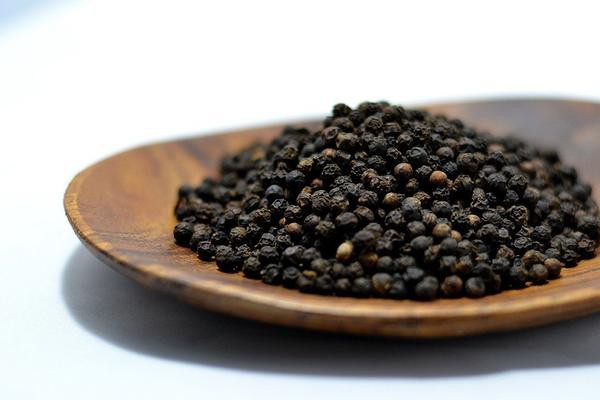
FAQ grades are suitable for industrial processing, grinding, and oleoresin extraction, while ASTA grades represent highly refined, visually clean pepper suitable for whole-pack retail, catering, and premium spice blends. Below is a detailed technical specification table outlining the standard export grades of premium black pepper:
| Parameter / Specification | FAQ Grade (500 g/l) | FAQ Grade (550 g/l) | ASTA Grade (570 g/l) | Premium Bold (600 g/l+) |
|---|---|---|---|---|
| Bulk Density (g/l) | Minimum 500 g/l | Minimum 550 g/l | Minimum 570 g/l | Minimum 600 g/l |
| Moisture Content (Max %) | 13.5% | 12.5% | 12.0% | 11.5% |
| Foreign Matter / Admixture (Max %) | 1.0% | 0.5% | 0.2% | 0.1% |
| Black/Moldy Berries (Max %) | 2.0% | 1.0% | 0.5% | 0.2% |
| Piperine Content (Typical %) | 4.0% – 5.0% | 5.0% – 6.0% | 5.5% – 6.5% | 6.0% – 7.5% |
| Volatile Oil Content (Min ml/100g) | 1.5 ml | 1.8 ml | 2.0 ml | 2.5 ml |
Adhering to these strict physical parameters prevents post-shipment issues such as mold growth, internal moisture condensation, or commercial disputes regarding yield losses. High bulk density grades (570 g/l and 600 g/l) are highly sought after by international spice processors because they provide the highest grinding yields and ensure maximum essential oil retention during the milling process.
Sustainable Agriculture and Traceability
Modern B2B spice procurement is heavily influenced by sustainability. Consumers and regulators alike demand absolute transparency regarding where food is grown and how agricultural workers are treated. A truly world-class Premium Black Pepper Origin must align with global sustainability initiatives and quality certifications.
In Vietnam, there has been a major structural shift toward sustainable cultivation practices. Through collaborations with agricultural experts and global trade bodies, local farmers are trained in Integrated Pest Management (IPM). This training significantly reduces reliance on chemical pesticides and synthetic fertilizers, replacing them with organic composts and biological pest control agents. This transition is essential for meeting the stringent Maximum Residue Limits (MRLs) enforced by food safety authorities in the EU (EFSA) and the USA (FDA).
Key certifications that validate sustainable and ethical sourcing at the origin include:
- GlobalGAP (Good Agricultural Practices): Ensures food safety, environmental protection, and agricultural worker welfare.
- Rainforest Alliance: Certifies that farms protect biodiversity, promote sustainable livelihoods, and foster safe working conditions.
- USDA Organic & EU Organic: Verifies that the crop is grown without synthetic chemical inputs or genetically modified organisms (GMOs).
- ISO 22000 & HACCP: Implemented at the processing facility level to guarantee a completely secure, monitored, and sanitary food supply chain.
Logistics, Packaging, and Supply Chain Excellence
Even the finest black pepper can degrade rapidly if logistics and packaging are executed poorly. Black pepper is highly hygroscopic, meaning it readily absorbs moisture from the surrounding atmosphere. If exposed to humid maritime environments during long-distance ocean shipping, the moisture content of the pepper can rise above the safe 14% threshold, leading to mold development, loss of piperine pungency, and cargo spoilage.
To mitigate these risks, professional exporters utilize specialized packaging materials. For bulk shipments, double-layered woven Polypropylene (PP) bags (typically 25kg or 50kg capacity) are the industry standard. For high-end applications or organic pepper, multi-wall Kraft paper bags with an internal food-grade plastic liner are used to prevent moisture ingress and preserve the delicate volatile oils. For bulk industrial clients, heavy-duty Jumbo Bags (500kg to 1,000kg) with specialized lifting loops are utilized to streamline warehousing and automated processing line feeds.
During shipping, containers must be fitted with dry, clean cardboard linings and high-capacity desiccant bags (silica gel or calcium chloride) to absorb ambient humidity. Containers must be packed tightly and stored away from heat sources on the cargo vessel to prevent ‘container sweat’—a phenomenon where moisture evaporates from the cargo due to daily temperature fluctuations and condenses on the container ceiling, dripping back onto the bags and causing localized mold damage.
Conclusion: Partnering with VIHABA for Your Premium Black Pepper Origin Needs
Selecting the right agricultural supply partner is just as critical as choosing the correct Premium Black Pepper Origin. For international B2B buyers, navigating overseas agricultural markets requires a reliable, transparent partner who can guarantee consistent supply volumes, uncompromising quality control, and complete regulatory compliance. VIHABA stands at the forefront of Vietnam’s agricultural export sector, offering direct access to the finest black pepper crops grown in the fertile Central Highlands.
By controlling every step of the supply chain—from local farm sourcing and meticulous concrete sun-drying to advanced mechanical processing, steam sterilization, and moisture-controlled packaging—we ensure that every shipment matches your exact technical specifications. Whether you require high-density ASTA grade pepper for retail packaging, FAQ grade for industrial grinding, or custom-packaged organic batches, VIHABA is committed to delivering excellence. Contact our professional B2B export team today to receive a tailored quotation, request product samples, or discuss your long-term spice sourcing requirements.