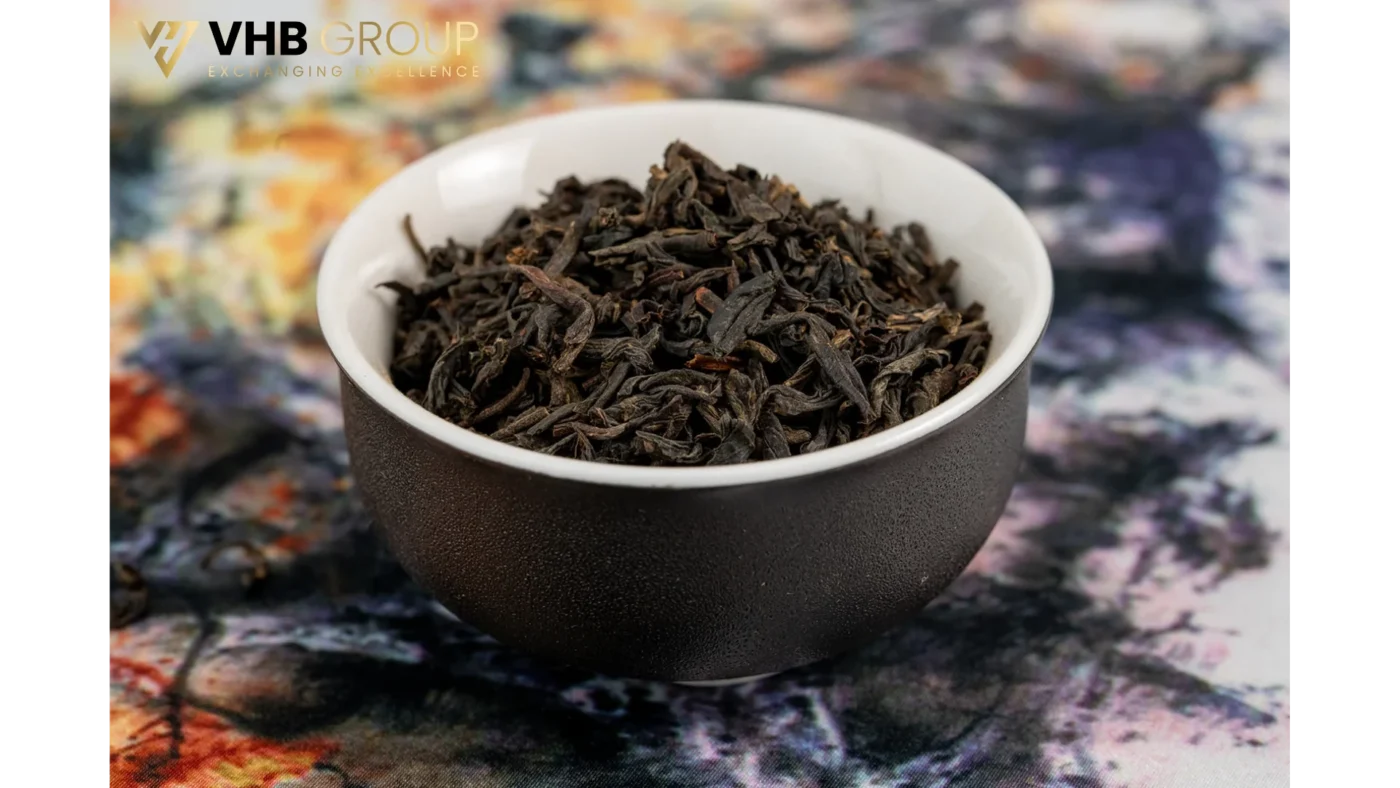
Sourcing premium Agricultural Black Tea has become a core strategic focus for international beverage distributors, private label brands, and large-scale food processors looking to capture growing consumer demand for authentic, high-quality botanical products. As global beverage trends shift toward functional ingredients, clean labels, and sustainable agriculture, securing a transparent and reliable supply chain is critical. For bulk buyers, understanding the complexities of agricultural cultivation, biochemical processing, and international import compliance is the key to maintaining brand equity and operational profitability.
To navigate this highly competitive market, distributors must partner with experienced agricultural exporters who understand both local farming conditions and global food safety standards. At VIHABA, we specialize in bridging the gap between direct agricultural sourcing and international quality requirements, ensuring that every shipment of Agricultural Black Tea meets the precise chemical, physical, and sensory specifications of our global clientele. This comprehensive guide provides an in-depth analysis of the cultivation, processing, grading, and logistics standards required to optimize your bulk procurement operations.
Table of Contents
- 1. Global Sourcing and Cultivation of Agricultural Black Tea
- 2. Processing Techniques: From Fresh Leaf to Dried Commodity
- 3. Grade Classification and Sizing Standards
- 4. Quality Certifications and Compliance in Export
- 5. Supply Chain Logistics and Packaging Standards
- 6. Price Drivers and Global Market Trends
- 7. Frequently Asked Questions (FAQs)
- 8. Sourcing with VIHABA
Global Sourcing and Cultivation of Agricultural Black Tea
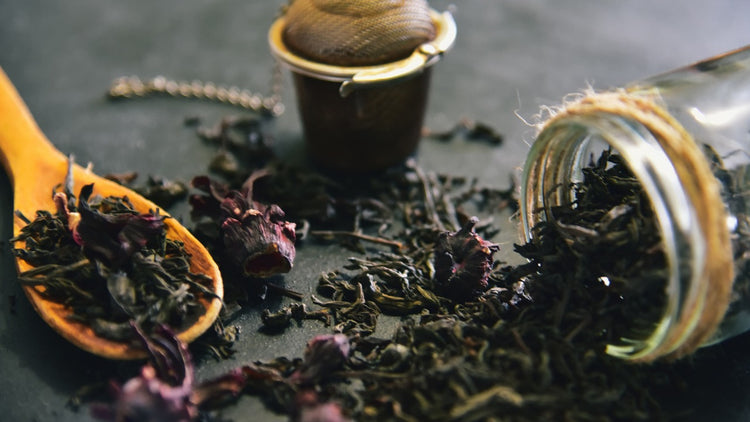
The journey of high-grade Agricultural Black Tea begins in the soil. The botanical species used for commercial production is Camellia sinensis, primarily divided into two main varieties: Camellia sinensis var. sinensis (favored for delicate, sweet profiles) and Camellia sinensis var. assamica (known for robust, bold, and high-tannin profiles). For bulk processing, the assamica variety is highly sought after due to its strong cup character, vibrant infusion color, and suitability for traditional black tea blends and iced tea extractions.
Cultivation requires specific microclimates to optimize the concentration of polyphenols and essential oils within the leaves. The ideal tea plantation exists at altitudes ranging from 800 to 2,000 meters above sea level. Higher elevations slow the growth rate of the tea leaves, allowing complex flavor precursors to develop. Furthermore, tea bushes require well-draining, highly acidic soils (pH 4.5 to 5.5) and consistent annual rainfall of at least 1,500mm to 2,500mm. Sourcing regions like Vietnam’s northwestern highlands, including Yen Bai and Moc Chau, provide the perfect geographical conditions, allowing VIHABA to secure raw tea leaves of unmatched quality and consistency.
Environmental Factors Shaping Agricultural Black Tea Quality
The quality of Agricultural Black Tea is directly influenced by its terroir—the unique combination of soil, climate, and topography. Elevation plays a vital role: high-grown teas (above 1,200 meters) exhibit a more floral, bright, and nuanced aroma, making them ideal for premium loose-leaf packaging. Conversely, medium-grown and low-grown teas (below 1,000 meters) produce a darker liquor with high density and strength, preferred for commercial blending and ready-to-drink (RTD) beverage formulation. Rainfall patterns and sunlight exposure also dictate the harvest cycles, known as flushes. The first and second flushes of the spring and summer seasons yield the highest concentrations of catechins, which are the fundamental building blocks of black tea’s distinct briskness and coppery liquor.
Processing Techniques: From Fresh Leaf to Dried Commodity
Transforming green tea leaves into high-grade Agricultural Black Tea is a sophisticated bio-chemical process requiring strict control over temperature, humidity, and airflow. The traditional processing method, known as the Orthodox method, preserves the structural integrity of the leaf, yielding a refined flavor profile. The modern alternative, the Crush, Tear, Curl (CTC) method, breaks the leaves into uniform, granular pellets, producing a highly potent tea that infuses rapidly—perfect for tea bags and industrial extractions.
The process begins with withering, where fresh leaves are spread onto large troughs. Air is circulated through the leaves to reduce moisture content from approximately 75% down to 55-60%, making the leaves pliable for rolling. Next is rolling, where mechanical rollers twist the leaves, breaking their cellular membranes to release natural enzymes (primarily polyphenol oxidase) and juices.
This step initiates oxidation (often colloquially referred to as fermentation), the most critical stage. The rolled leaves are placed in temperature-controlled rooms with high humidity. Over 2 to 4 hours, the catechins oxidize into theaflavins (which provide brightness and briskness) and thearubigins (which contribute depth, body, and color). The process is halted through drying or firing, where the leaves pass through hot-air dryers, reducing moisture to a stable 3% to 5% and locking in the final flavor profile.
Black Tea Grades and Sizing
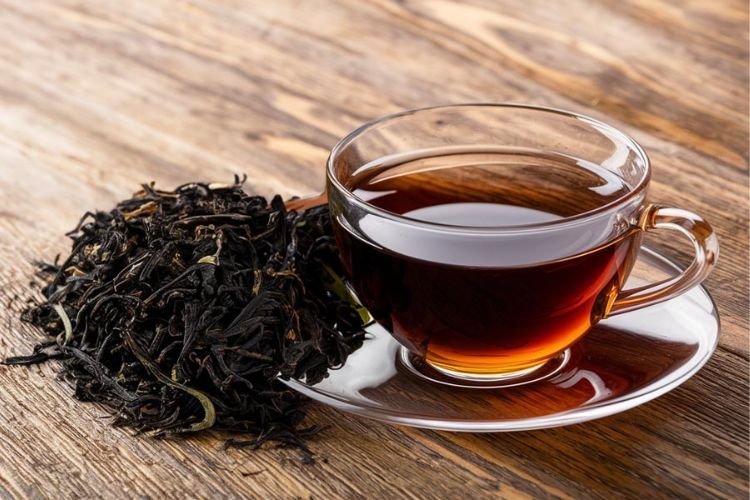
Once dried, the bulk Agricultural Black Tea must be sorted using mechanical sifters containing various mesh sizes. This sorting separates the leaves into distinct commercial grades based on size and physical appearance, which directly correlates with brewing time and application. Whole leaf grades like Orange Pekoe (OP) and Pekoe (P) command premium prices due to their visual appeal and slow-release brewing characteristics. Broken leaf grades, such as Broken Orange Pekoe (BOP) and Flowery Broken Orange Pekoe (FBOP), are highly popular in retail packaging because they offer a balanced compromise between flavor complexity and extraction speed. Finally, Fannings and Dust grades are reserved for high-speed tea bag packaging and industrial extraction processes, where instant color and high solubility are mandatory.
Grade Classification and Sizing Standards
For B2B buyers, understanding product specifications is paramount to ensuring consistent end-product quality. Whether you are formulating a retail tea brand or sourcing raw ingredients for an industrial bottling plant, standardizing physical and chemical parameters is non-negotiable. Below is the technical specification table representing the industry standards for premium black tea supplied by VIHABA.
| Parameter | Specification Standard | Testing Methodology | Target Application |
|---|---|---|---|
| Moisture Content | ≤ 5.5% max | Oven Drying Method (ISO 1573) | All Grades (Shelf-life stability) |
| Total Ash Content | 4.0% – 8.0% | Incineration at 525°C (ISO 1575) | Quality & Purity Indicator |
| Water Extractable Matter | ≥ 32.0% min | Boiling Water Extraction (ISO 9768) | RTD Beverages & Concentrates |
| Crude Fiber Content | ≤ 16.5% max | Acid-alkali Digestion (ISO 5498) | Purity Standard (Leaf vs. Stems) |
| Caffeine Content | 2.5% – 4.5% | HPLC Analysis | Energy Drinks, Functional Blends |
| Bulk Density | 300 – 450 g/L | Volumetric Sifting | Packaging Design & Sizing |
| Pesticide Residues (MRLs) | Compliant with EU/FDA standards | GC-MS / LC-MS-MS | International Import Compliance |
Quality Certifications and Compliance in Agricultural Black Tea Export
Exporting Agricultural Black Tea to highly regulated markets like the European Union, the United States, and Japan requires meticulous compliance with global food safety standards. Sourcing from uncertified farms exposes importers to severe risks, including shipment rejection at customs, costly recalls, and damage to brand reputation. Therefore, food safety documentation and chemical safety profiling are treated as foundational pillars of the VIHABA supply chain.
To guarantee the safety of every batch, our agricultural processing facilities adhere strictly to Hazard Analysis Critical Control Point (HACCP) systems and ISO 22000 management standards. These frameworks ensure that physical, chemical, and biological hazards are monitored at every stage of production—from the moment fresh leaves are harvested to the sealing of the final export container. By implementing rigorous quality control protocols, we guarantee that our products are free from foreign matter, heavy metals (such as lead and arsenic), and microbiological contaminants (such as Salmonella and E. coli).
Phytosanitary and Traceability Requirements
Traceability is the cornerstone of sustainable modern supply chains. Buyers demand to know exactly where their Agricultural Black Tea was grown, how it was treated, and who processed it. VIHABA utilizes end-to-end QR-code tracking systems that link finished product lots directly back to the specific cooperative farms and harvest dates. This ensures complete transparency and simplifies the compliance documentation process. Furthermore, all export shipments are accompanied by official Phytosanitary Certificates issued by authorized governmental bodies, confirming that the consignment has been thoroughly inspected and found free from quarantine pests. For clients targeting premium wellness markets, we also offer certified organic options compliant with USDA Organic and EU Organic regulations, ensuring zero chemical pesticide usage throughout the entire cultivation cycle.
Supply Chain Logistics and Packaging Standards
Securing high-quality Agricultural Black Tea at the origin is only half the battle; maintaining its organoleptic properties (aroma, flavor, and color) during long-distance maritime transit is equally vital. Tea is highly hygroscopic, meaning it rapidly absorbs moisture and surrounding odors from its environment. If exposed to humidity or poorly ventilated shipping conditions, the tea can develop mold, lose its volatile essential oils, and become completely unsellable.
To mitigate these risks, VIHABA employs multi-layer industrial packaging solutions tailored to international shipping demands. Bulk shipments are typically packaged in multi-wall Kraft paper sacks lined with an inner aluminum foil layer or food-grade polyethylene barrier. This heavy-duty lining prevents moisture ingress and locks in the fresh tea aroma. For large-scale industrial buyers, we also offer 500kg to 1000kg super sacks (FIBCs) equipped with specialized moisture barriers, which streamline warehouse handling and reduce unpackaging labor costs.
Optimizing Lead Times and Shipping Conditions
Logistical efficiency is critical to minimizing inventory carrying costs. VIHABA maintains strategic partnerships with major global shipping lines operating out of Haiphong Port and Ho Chi Minh City Port, offering direct routes to major ports in North America, Europe, and the Middle East. We ensure that all shipping containers undergo rigorous pre-loading inspections.
Containers must be clean, completely dry, and free of any residual odors from previous cargoes. To protect against the phenomenon known as “container rain” (condensation forming on the ceiling due to temperature fluctuations during ocean transit), we install high-absorption silica gel desiccant bags and specialized container liners. This meticulous attention to logistical detail ensures that your Agricultural Black Tea arrives at your facility in pristine condition, ready for processing or immediate packaging.
Price Drivers and Global Market Trends
The global market for Agricultural Black Tea is dynamic, influenced by geopolitical shifts, climate patterns, and evolving consumer preferences. In recent years, unpredictable weather events in major tea-producing nations have led to supply volatility, driving up the baseline market price for standard grades. Conversely, the rise in demand for premium, single-origin teas and ethical blends has created highly lucrative opportunities for specialty distributors who can secure long-term, fixed-price supply contracts.
By establishing direct farming cooperatives and vertically integrated processing centers, VIHABA shields our clients from severe market fluctuations. We offer competitive, tiered pricing structures that reward volume purchases and multi-year supply agreements. Our direct-from-origin model eliminates unnecessary intermediaries, allowing us to pass significant cost savings directly to our buyers. When you source your Agricultural Black Tea from us, you are not just purchasing a commodity; you are investing in a stable, cost-effective, and highly resilient supply chain built for long-term growth.
Conclusion: Partnering with VIHABA for Premium Agricultural Black Tea
Navigating the global beverage market requires more than just sourcing raw ingredients; it demands a trusted partnership with an agricultural leader who prioritizes quality, sustainability, and operational transparency. Securing premium Agricultural Black Tea is essential to elevating your product portfolio, satisfying strict international regulatory standards, and ensuring consumer satisfaction. VIHABA’s robust supply network, advanced processing facilities, and dedicated logistics support make us the premier B2B partner for wholesale buyers worldwide.
Whether you are looking to secure high-grade orthodox leaves for a luxury retail label, or bulk CTC grades for large-scale RTD manufacturing, our team is equipped to deliver tailored solutions that meet your business objectives. Contact the export specialists at VIHABA today to request technical samples, discuss custom specifications, and receive a competitive wholesale quote for your Agricultural Black Tea requirements.
Agricultural Black Tea FAQ
Disclaimer: Unless otherwise stated, the images used in this article are the property of their respective owners. We do not claim ownership of any third-party images featured, and they are used here strictly for informational and educational purposes. If you are the copyright holder and wish to have an image removed, please contact us.