
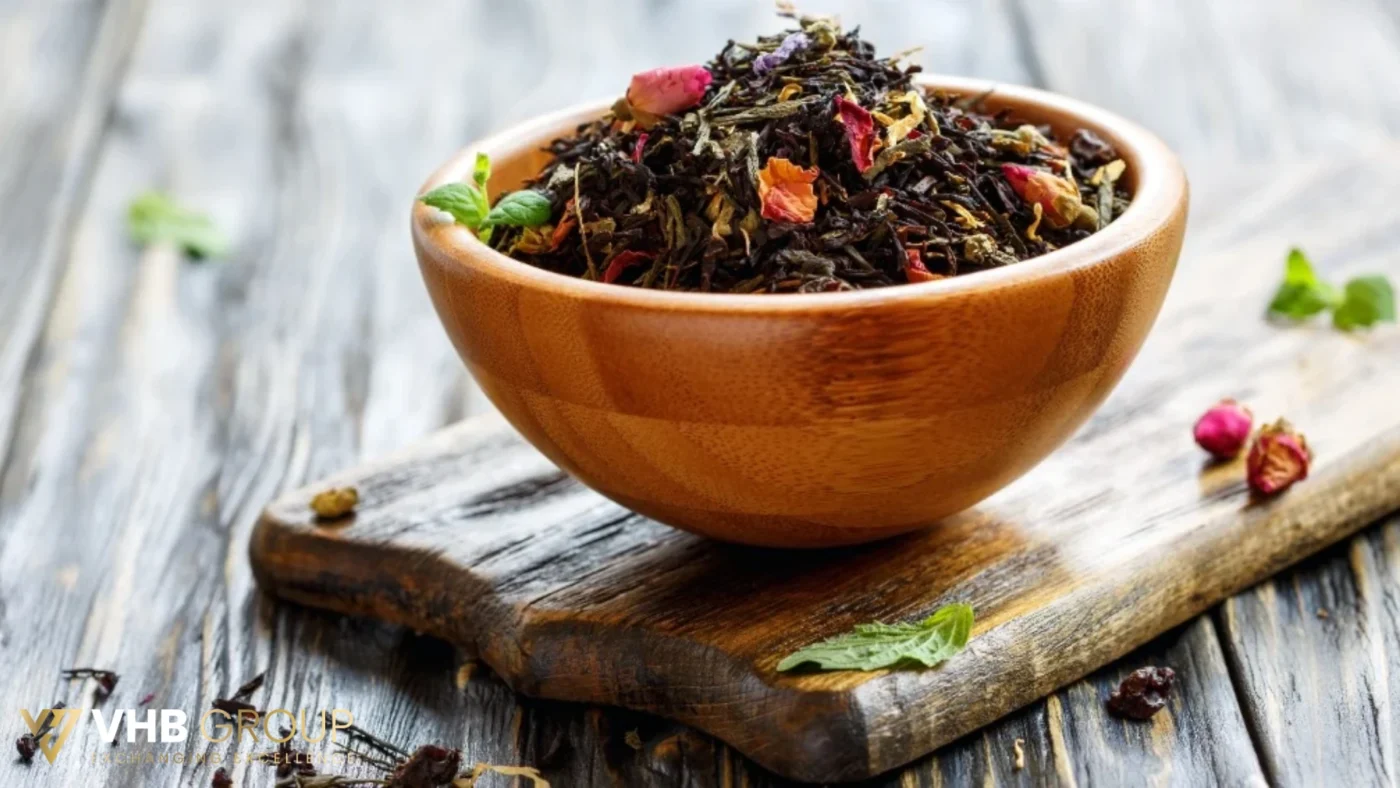
As the global demand for specialty beverages, functional food ingredients, and ready-to-drink (RTD) formulations continues to expand, sourcing high-quality raw materials has become a primary driver of supply chain success. Understanding key Agricultural Black Tea Facts is essential for international buyers, bulk importers, and beverage brands seeking to secure stable, premium-grade supplies.
In this comprehensive guide, we delve deep into the agricultural practices, processing parameters, global market dynamics, and quality standards that define the international black tea trade, highlighting Vietnam’s rising prominence as a leading sourcing hub.
- Global Market Overview and Agricultural Black Tea Facts
- Cultivation Regions in Vietnam: Terroir and Agricultural Black Tea Facts
- Processing Methods: Traditional Orthodox vs. Modern CTC
- International Quality Standards and Grading Specifications
- Export Packaging, Containerization, and Shelf Life Preservation
- Frequently Asked Questions
- Conclusion: Sourcing Premium Black Tea with VIHABA

Global Market Overview and Agricultural Black Tea Facts
To navigate the international beverage landscape, B2B procurement managers must familiarize themselves with fundamental Agricultural Black Tea Facts. Black tea (derived from the Camellia sinensis plant) represents over 70% of global tea consumption and trade. Unlike green tea, which is unoxidized, black tea undergoes full enzymatic oxidation, giving it its characteristic robust flavor, deep amber liquor, and extended shelf stability. These qualities make it an ideal base for blending, flavoring (such as Earl Grey), and RTD iced tea production.
The global trade of black tea is valued at billions of dollars annually, driven by emerging consumer preferences for natural antioxidants, polyphenols, and clean-label functional beverages. For bulk buyers, analyzing the raw agricultural-black-tea-facts helps in assessing crop yields, pricing fluctuations, and quality consistency across different origin countries.
The Shift Toward Sustainable and Traceable Sourcing
Modern B2B buyers are no longer just looking at price per metric ton. There is a profound paradigm shift toward agricultural sustainability, carbon footprint reduction, and fair labor practices. Major multinational beverage corporations now require strict adherence to certifications such as Rainforest Alliance, GlobalGAP, and Organic USDA. Understanding the agricultural origin and farming methods is therefore not just an option—it is a regulatory and marketing necessity.
By implementing traceable agricultural pathways, exporters can verify that their tea crops are cultivated using soil-conservation techniques, minimal synthetic chemical inputs, and integrated pest management (IPM) systems. This systematic focus on the agricultural lifecycle ensures that the finished black tea is not only safe for consumption but also holds up to the rigorous compliance checks of European, North American, and East Asian import customs.
Cultivation Regions in Vietnam: Terroir and Agricultural Black Tea Facts
Vietnam is currently one of the top five global exporters of tea, boasting diverse microclimates and ancient tea forests that produce highly distinctive profiles. When reviewing Agricultural Black Tea Facts specific to Southeast Asia, Vietnam stands out due to its unique geographical topography and long-standing tea-growing heritage.
The cultivation of black tea in Vietnam spans several key regions, each offering unique terroir characteristics that influence the chemical composition of the harvested leaves:
- Phu Tho Province: Often referred to as the cradle of Vietnam’s industrial tea production, Phu Tho features undulating hills with acidic red-yellow podzolic soils. The region is ideal for cultivating high-yield clonal tea varieties that produce excellent CTC (Crush, Tear, Curl) and orthodox black teas with balanced astringency and rich body.
- Moc Chau (Son La Province): Situated on a fertile plateau at an elevation of over 1,050 meters above sea level, Moc Chau enjoys a cool, temperate climate. The high altitude slows down the growth of the tea leaves, concentrating the amino acids and catechins. Black teas sourced from Moc Chau are renowned for their delicate floral aroma, sweet aftertaste, and golden infusion color.
- Yen Bai and Ha Giang Provinces: Home to wild, ancestral Shan Tuyet tea trees that grow in high-altitude, mist-shrouded mountain ranges. Shan Tuyet leaves are covered in a fine white fuzz and yield an exceptionally complex, sweet, and honey-like black tea that is highly prized in premium European and Asian markets.
By understanding these regional agricultural variations, buyers can strategically source raw materials that align with their specific product lines—whether they require high-strength CTC tea for commercial tea bags or delicate orthodox leaves for premium loose-leaf packaging.
Processing Methods: Transitioning from Farm to Export Cup
The transformation of harvested green leaves into premium black tea is a highly sophisticated agricultural process. To evaluate the quality of an export shipment, buyers must understand the mechanical and biochemical steps involved in both Orthodox and CTC processing systems.
The Orthodox Manufacturing Process
Orthodox processing is designed to preserve the physical integrity of the tea leaf, resulting in whole-leaf or broken-leaf grades with complex flavor profiles. The process involves five distinct phases:
- Withering: Freshly plucked leaves are spread evenly on troughs where warm air is circulated. This reduces the moisture content from approximately 75-80% down to 55-60%, making the leaves flaccid and pliable for rolling.
- Rolling: The withered leaves are fed into mechanical rollers that twist and squeeze them. This action breaks the plant cell walls, releasing the natural juices and enzymes (specifically polyphenol oxidase) necessary for oxidation.
- Oxidation (historically referred to as Fermentation): The rolled leaves are laid out in temperature- and humidity-controlled rooms. The enzymes react with oxygen, transforming green catechins into thearubigins and theaflavins, which give black tea its signature reddish-brown color and rich, brisk flavor.
- Firing (Drying): Once the optimal level of oxidation is achieved, the tea is passed through hot-air dryers (ranging from 80°C to 90°C) to arrest enzyme activity, reduce moisture content to under 5%, and lock in the final flavor profile.
- Sorting and Grading: The dried tea is passed through vibrating meshes and electrostatic sorters to categorize the leaves by size, ranging from whole-leaf grades like Orange Pekoe (OP) to fannings and dust.
The CTC (Crush, Tear, Curl) Manufacturing Process
For high-volume commercial markets, particularly tea bags and instant tea formulations, the CTC method is preferred. Instead of gentle rolling, the withered leaves are passed through series of rollers with sharp, counter-rotating teeth that physically shred, tear, and roll the leaf into small, uniform pellets. CTC black tea oxidizes much more rapidly and produces a highly potent, deeply colored infusion that brews quickly, meeting the high-speed requirements of modern consumer packaging.
International Quality Standards and Grading Specifications
In the global B2B trade of agricultural commodities, standardization is the language of trust. Buyers require clear chemical and physical parameters to ensure food safety, regulatory compliance in destination markets (such as the EU, US, and Japan), and consistency across production batches. Below is a comprehensive look at the key quality standards and chemical specifications for black tea export.
When reviewing these parameters, it is critical to cross-reference them with certified testing laboratories (such as SGS or Eurofins) to verify that the pesticide residues, heavy metal concentrations, and microbiological loads fall well within the importing country’s legal limits.
| Specification Parameter | Orthodox Grade (e.g., OP, BOP) | CTC Grade (e.g., PF, PD) | Testing/Compliance Standard |
|---|---|---|---|
| Moisture Content | Max 4.5% – 5.5% | Max 4.0% – 5.0% | ISO 1573 |
| Total Ash Content | 4.0% – 8.0% (on dry basis) | 4.0% – 8.0% (on dry basis) | ISO 1575 |
| Water-Soluble Extract | Min 32% | Min 35% | ISO 9768 |
| Crude Fiber Content | Max 16.5% | Max 15.0% | ISO 5498 |
| Heavy Metals (e.g., Lead) | Under 2.0 ppm (mg/kg) | Under 2.0 ppm (mg/kg) | EU Regulations / US FDA |
| Pesticide Residues (MRLs) | Compliant with EU/US limits | Compliant with EU/US limits | GC-MS/MS testing |
These quality standards ensure that the black tea retains its physical integrity, organoleptic properties, and nutritional benefits during transit. As a trusted exporter, VIHABA strictly monitors these parameters, providing complete batch traceability and third-party laboratory certificates with every shipment.
Export Packaging, Containerization, and Shelf Life Preservation
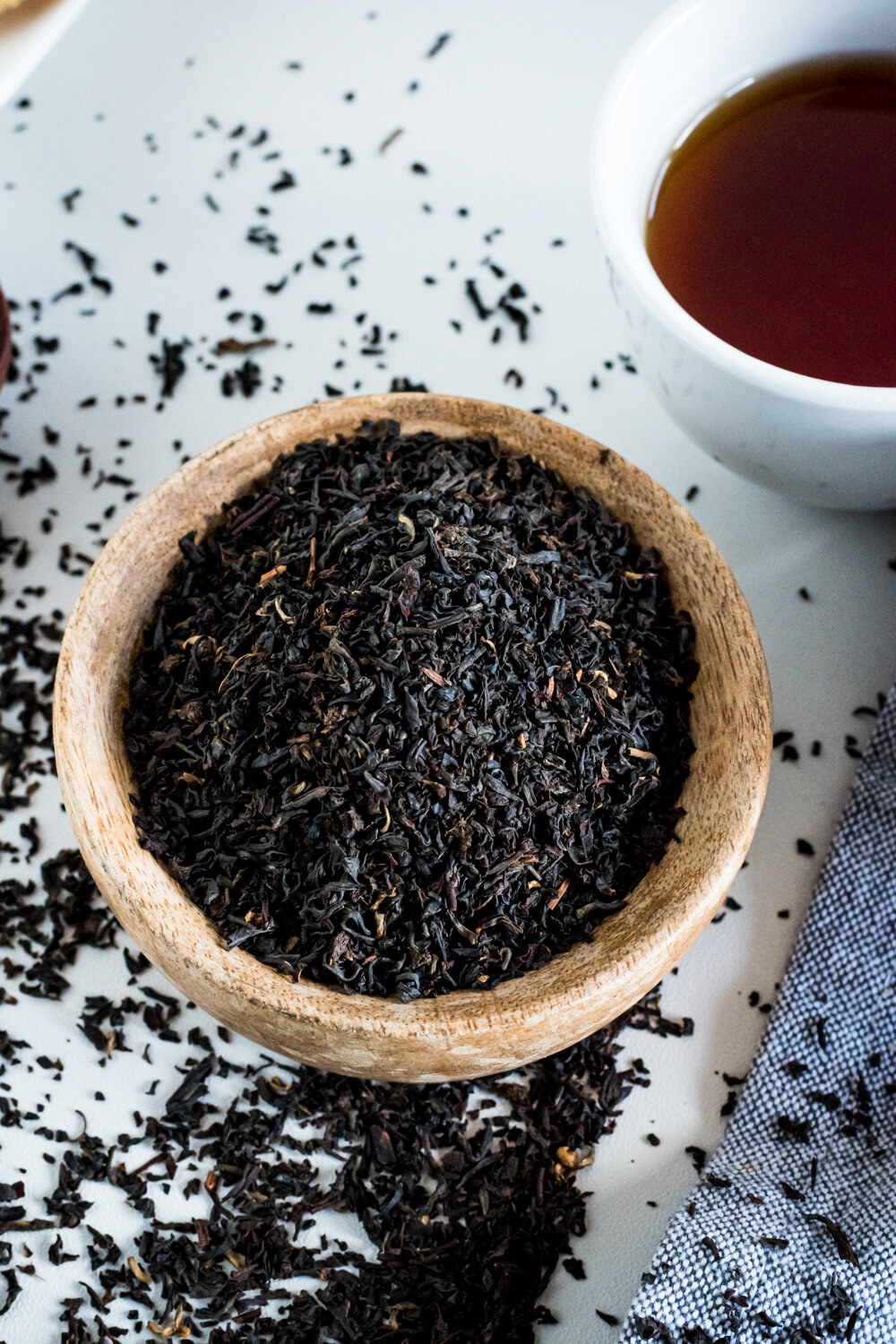
Agricultural Black Tea Facts extend beyond cultivation and processing into the vital domain of post-harvest preservation and export logistics. Tea is highly hygroscopic, meaning it readily absorbs moisture and ambient odors from its surroundings. If exposed to humidity, oxygen, or direct sunlight during transit, the tea’s delicate volatile oils degrade rapidly, resulting in flat aroma, mold formation, and sour taste profiles.
Standard Export Packaging Formats
To preserve freshness over long sea voyages, specialized packaging is non-negotiable. The industry standards include:
- Paper Sacks (Kraft Paper Bags): Multi-wall kraft paper sacks with an inner aluminum foil lining or food-grade polyethylene liner. This is the preferred method for bulk loose leaf orthodox tea, protecting it from moisture and light.
- Jumbo Bags (FIBC): Flexible Intermediate Bulk Containers containing food-grade inner liners, holding up to 500-800 kg of CTC black tea. This format is highly efficient for large-scale industrial buyers who process raw materials into RTD beverages or instant tea powders.
- Plywood Chests: Although more traditional, lined plywood chests are still used for ultra-premium, delicate orthodox leaf grades to prevent physical crushing during transport.
Containerization and Shipping Best Practices
When shipping tea in standard dry van ocean containers (20GP or 40HC), exporters must use container liners and desiccant bags to mitigate the risk of “container sweat” (condensation caused by temperature shifts during maritime transit). Containers must be thoroughly inspected prior to loading to ensure they are clean, dry, and completely free of strong foreign odors (such as spices, chemicals, or fish), which could irreversibly taint the tea’s natural flavor profile.
Conclusion: Sourcing Premium Black Tea with VIHABA
Navigating the global tea trade requires a deep understanding of core Agricultural Black Tea Facts, rigorous quality standards, and consistent logistics execution. Whether you are a brand owner looking to launch a premium retail line, a distributor seeking reliable wholesale bulk sourcing, or an industrial manufacturer requiring standardized CTC grades, choosing the right export partner is paramount.
VIHABA stands at the forefront of Vietnam’s agricultural export sector, bridging the gap between local, high-altitude tea cooperatives and global buyers. By emphasizing supply chain transparency, strict quality assurance, customizable packaging solutions, and competitive B2B pricing, we ensure your business receives top-tier agricultural commodities that meet global compliance standards. Partner with VIHABA to secure a sustainable, premium supply of Vietnamese black tea tailored specifically to your market needs.
Black Tea Facts FAQ
Disclaimer: Unless otherwise stated, the images used in this article are the property of their respective owners. We do not claim ownership of any third-party images featured, and they are used here strictly for informational and educational purposes. If you are the copyright holder and wish to have an image removed, please contact us.