
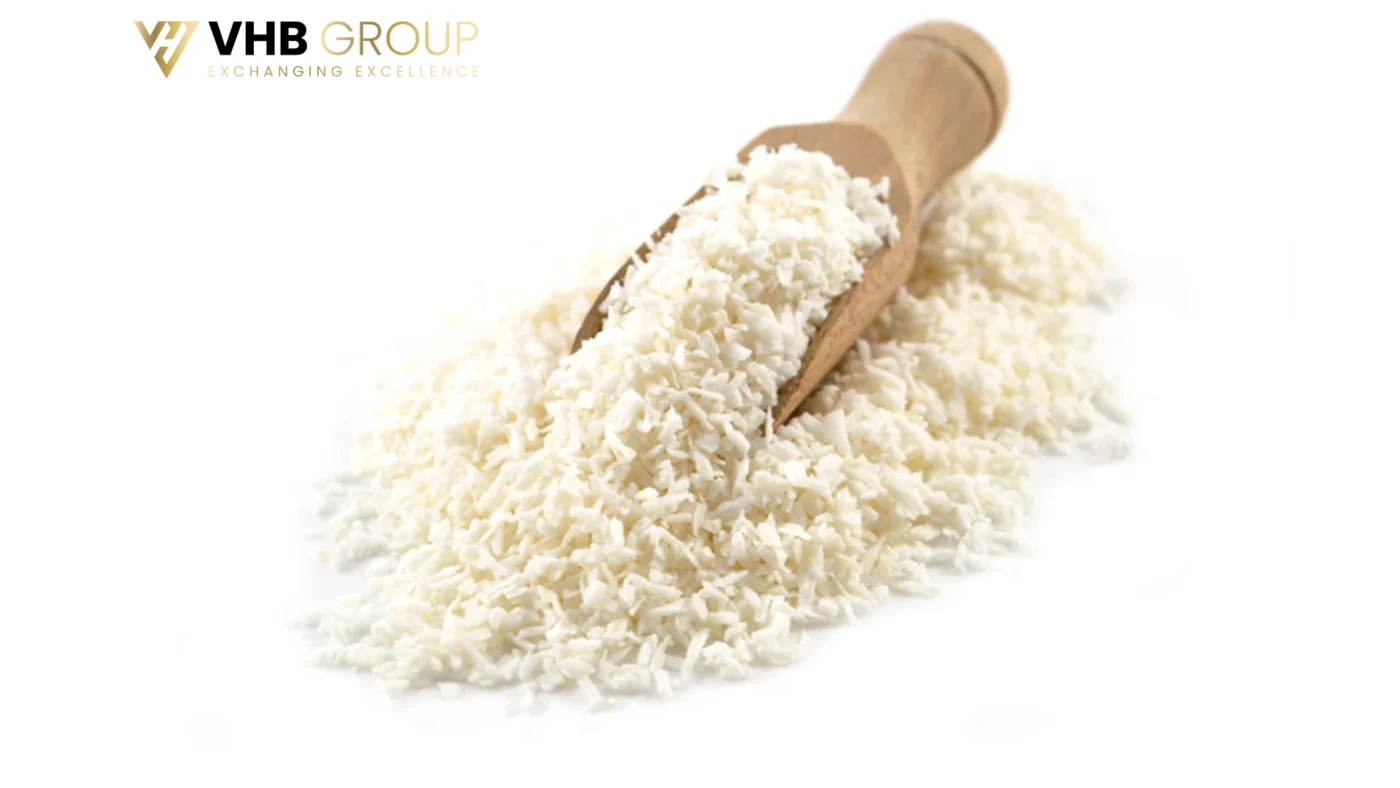
Sourcing Wholesale Desiccated Coconut has become a critical strategic decision for global food manufacturers, confectionery brands, and large-scale bakery operations looking to secure high-quality ingredients at competitive price points. As clean-label diets, plant-based nutrition, and gluten-free alternatives continue to dominate consumer preferences, desiccated coconut has transitioned from a simple baking ingredient to a highly sought-after functional food component. Navigating the global supply chain, evaluating quality parameters, and choosing the right export partner require an in-depth understanding of the agricultural practices, processing technologies, and international standards governing this versatile product. By establishing a direct pipeline for wholesale desiccated coconut, buyers can optimize their manufacturing efficiency, ensure product safety, and lock in consistent pricing despite global market fluctuations.
At VIHABA, we specialize in bridging the gap between premium agricultural hubs in Vietnam and global B2B buyers. In this comprehensive guide, we will unpack the technical, logical, and commercial factors that procurement managers must analyze when securing large-scale orders of desiccated coconut. From grading systems and chemical profiles to logistics mitigation strategies and price trends, this guide serves as an authoritative manual for professional buyers seeking long-term supply stability, uncompromising quality, and absolute transparency in their agricultural commodity procurement.
- Understanding the Grades of Wholesale Desiccated Coconut
- Manufacturing Processes and Global Quality Standards
- Technical Specifications and Grading Standards
- How to Source Wholesale Desiccated Coconut Responsibly
- Supply Chain Logistics and Packaging Standards
- Pricing Trends and Market Dynamics for Wholesale Desiccated Coconut
- Frequently Asked Questions
- Conclusion: Securing Your Supply Chain with VIHABA

Understanding the Grades of Wholesale Desiccated Coconut
Desiccated coconut is not a one-size-fits-all ingredient. To make informed purchasing decisions, B2B buyers must understand the classification of grades based on particle size and fat content. These physical and chemical characteristics dictate how the ingredient behaves in industrial formulations, affecting moisture retention, texture, and flavor profiles in finished food products.
Fine Grade Desiccated Coconut
Fine grade is characterized by its small, delicate particles. It is the preferred choice for industrial bakeries and confectionery manufacturers who require a subtle, non-intrusive texture. Fine grade integrates seamlessly into cake batters, cookies, biscuits, and delicate pastry doughs without disrupting the structural integrity of the baked goods. Additionally, it serves as an excellent coating for truffles, energy balls, and chocolate-covered bars, providing a consistent aesthetic appeal and a gentle release of natural coconut flavor.
Medium Grade Desiccated Coconut
Medium grade features larger, more distinct granules. It is designed for applications where the physical texture of the coconut is meant to be a prominent feature of the eating experience. This grade is widely utilized as a filling for candy bars, topping for donuts, and key texturizer in breakfast cereals, mueslis, and granola mixes. The larger particle size provides a satisfying chewiness and helps retain the natural aromatic oils of the coconut, contributing to a more robust flavor profile in finished products.
Flake and Shredded Grades
Beyond the standard fine and medium granulations, specialty cuts like flakes, chips, and shredded coconut cater to premium retail markets and high-end culinary applications. Flakes and chips are long, thin, flat pieces that are often toasted to create premium snacks, trail mixes, or decorative toppings for gourmet bakery items. Shredded coconut consists of long, thin threads of coconut meat, providing a rustic, artisanal appearance that is highly favored in traditional baking and Asian culinary preparations.
Fat Content: High Fat vs. Low/Reduced Fat
The oil content in desiccated coconut is a primary driver of both flavor intensity and price. High-fat desiccated coconut, which typically contains 65% or more natural coconut oil, delivers the rich, creamy mouthfeel and intense aroma that consumers associate with premium coconut products. Conversely, reduced-fat or low-fat desiccated coconut (typically containing 45% to 55% fat, or even lower in specialty skimmed products) is produced by extracting a portion of the milk or oil before drying. Low-fat variants are ideal for dietary formulations focusing on calorie reduction, protein powders, or specific baking applications where excess oil might interfere with leavening or shelf-life stability.
Manufacturing Processes and Global Quality Standards
The journey from a freshly harvested coconut to a food-grade, shelf-stable desiccated product is complex and demands rigorous quality control at every stage. Vietnam’s modern processing facilities utilize state-of-the-art machinery to ensure that the delicate coconut meat is processed under highly hygienic conditions, preserving its natural color, flavor, and nutritional value.
The process begins with the selection of mature coconuts (typically 10 to 12 months old), which contain the optimal balance of oil and moisture in the kernel. The outer husk is removed, followed by the hard inner shell. The thin, brown outer skin (testa) is then meticulously pared away, leaving only the pure white coconut meat. This paring step is critical; any remaining testa particles will appear as dark specks in the final product, lowering its grade and aesthetic value.
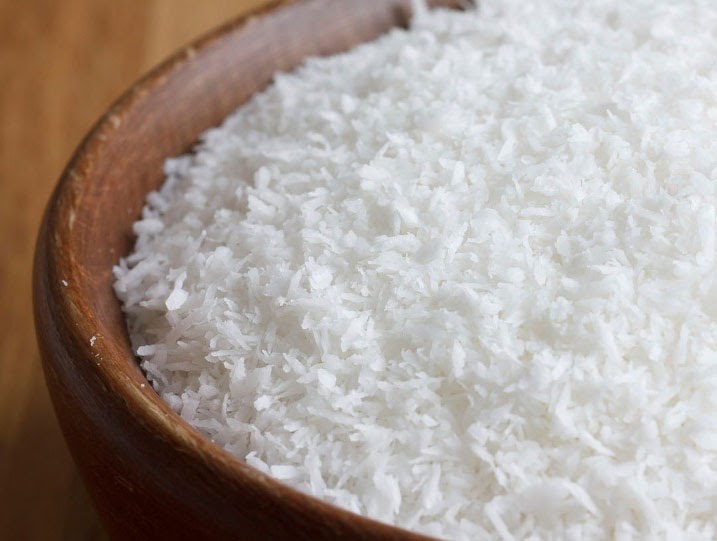
Once pared, the white meat is washed in chlorinated or ozonated water to eliminate surface microbes. Next comes the pasteurization phase, a critical preventive control step in modern food safety. The coconut meat is subjected to steam sterilization to destroy pathogens, particularly Salmonella and Escherichia coli, which are major hazards in raw coconut processing. After sterilization, the meat is shredded or disintegrated into the desired particle size using specialized cutting disks.
The shredded meat is then fed into continuous fluid-bed dryers, where hot air gently removes moisture until it falls below 3%. Precise temperature control during drying is essential: if the temperature is too high, the coconut sugars will caramelize, resulting in unwanted yellowing or browning (scorching); if the temperature is too low, the drying process will take too long, increasing the risk of microbial growth. Once dried, the product is cooled, sieved to separate different grades, passed through multi-stage metal detectors and rare-earth magnets, and immediately packaged under sterile conditions to prevent rehydration and contamination.
Technical Specifications and Grading Standards
For B2B buyers, technical data sheets (TDS) and certificates of analysis (COA) are the ultimate benchmarks of quality. Understanding the chemical and physical parameters ensures that the product meets the exact requirements of your manufacturing line and complies with your country’s food safety regulations.
Below is a comprehensive specification table illustrating the industry standards for high-fat fine and medium grades, alongside low-fat desiccated coconut options regularly managed by professional exporters like VIHABA.
| Parameter | Fine Grade (High Fat) | Medium Grade (High Fat) | Reduced/Low Fat Grade |
|---|---|---|---|
| Moisture Content | Max 3.0% | Max 3.0% | Max 3.5% |
| Total Fat Content | Min 65% | Min 65% | 45% – 55% (or as specified) |
| Free Fatty Acids (FFA as Lauric Acid) | Max 0.1% | Max 0.1% | Max 0.15% |
| pH (of extracted milk) | 6.1 – 6.7 | 6.1 – 6.7 | 6.0 – 6.5 |
| Sulfur Dioxide (SO2) | Free (or Max 50 ppm if sulfured) | Free (or Max 50 ppm if sulfured) | Free (or Max 50 ppm if sulfured) |
| Color & Appearance | Natural white, free from yellow specks | Natural white, free from yellow specks | Natural white, free from yellow specks |
| Flavor & Odor | Sweet, mild, fresh coconut aroma | Sweet, mild, fresh coconut aroma | Mild, clean coconut aroma |
| Salmonella | Negative in 25g | Negative in 25g | Negative in 25g |
| E. coli | Negative in 1g | Negative in 1g | Negative in 1g |
| Yeasts & Molds | Max 100 cfu/g | Max 100 cfu/g | Max 100 cfu/g |
It is worth noting that while some markets permit the use of Sulfur Dioxide (SO2) as a preservative to retain the bright white color and extend shelf life, the global trend is moving strongly toward unsulfured, completely natural products. European and North American buyers, in particular, frequently specify “SO2-free” to align with clean-label consumer preferences and stricter clean-import mandates.
How to Source Wholesale Desiccated Coconut Responsibly
In today’s global economy, corporate social responsibility (CSR) and agricultural sustainability are no longer optional. When sourcing Wholesale Desiccated Coconut, procurement teams must look beyond pricing to evaluate the environmental and ethical impact of their supply chains. Sustainable sourcing ensures long-term crop viability, protects vulnerable farming communities, and safeguards your brand’s reputation in an increasingly conscious consumer market.
Vietnam’s Mekong Delta, particularly Ben Tre province, is globally renowned for its ideal soil conditions, high rainfall, and natural brackish water systems, which produce coconuts with high oil content and superior flavor. Responsible sourcing in this region involves supporting farmers who practice sustainable agroforestry, such as intercropping (growing cacao, bananas, or vegetables between coconut palms) to maintain soil health, prevent erosion, and provide secondary income streams for local communities.
Furthermore, verifying that your supplier utilizes energy-efficient processing technologies is critical. For instance, modern processing plants in Vietnam utilize the discarded coconut shells—a byproduct of the paring process—as biofuel to run the steam boilers for sterilization and fluid-bed drying. This circular economy approach dramatically reduces the carbon footprint of the manufacturing process, making the final product highly attractive to eco-conscious global distributors.
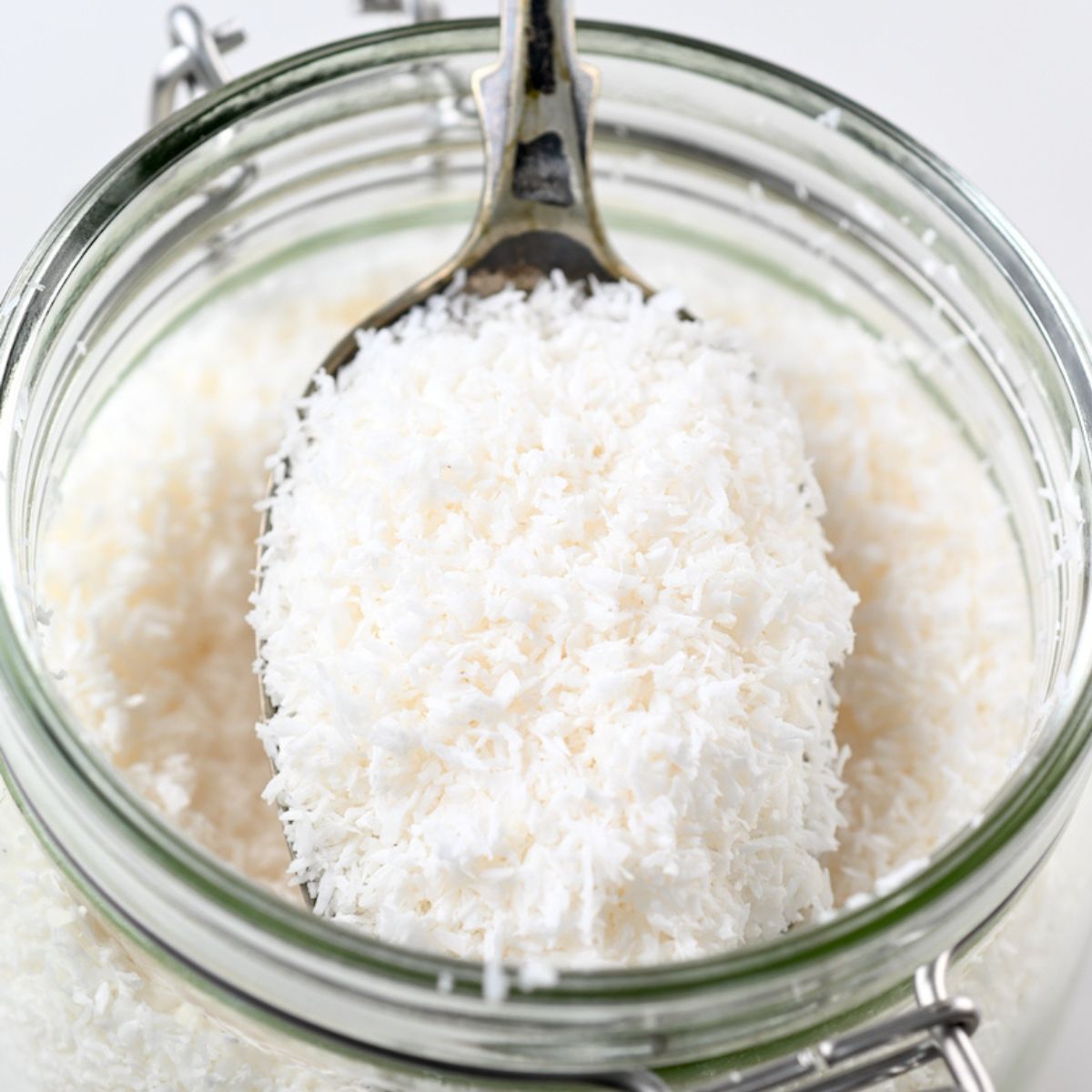
When auditing suppliers, prioritize companies like VIHABA that maintain transparent supply chains and work closely with local cooperatives. Look for key global certifications that validate these practices, such as:
- GlobalGAP: Ensuring safe, sustainable agricultural practices at the farm level.
- Organic Certifications (USDA Organic, EU Organic): Guaranteeing that no synthetic pesticides, fertilizers, or chemical treatments were used during cultivation and processing.
- Fair Trade: Ensuring fair wages, safe working conditions, and community development premiums for smallholder farmers.
- ISO 22000 & HACCP: Proving the highest levels of food safety management throughout the industrial processing phase.
- Halal & Kosher: Allowing seamless integration into diverse global markets with religious dietary standards.
Supply Chain Logistics and Packaging Standards
The delicate nature of desiccated coconut—specifically its high fat content and sensitivity to moisture—makes logistics and packaging one of the most critical stages of the B2B supply chain. Poor handling or sub-standard packaging can lead to oil rancidity, moisture absorption, mold growth, or physical degradation of the particles during transit, resulting in costly rejections at destination ports.
Packaging Materials and Specifications
Standard export packaging for bulk orders consists of multi-ply Kraft paper bags (typically 3 to 4 plies) with an inner food-grade Polyethylene (PE) liner. The PE liner is crucial as it acts as an absolute barrier against ambient humidity and oxygen, which are the main catalysts for rancidity (caused by the oxidation of unsaturated fatty acids). Standard bag weights are 25 kg, 50 lbs (22.68 kg), or larger bulk bags (super sacks) weighing 500 kg to 1,000 kg for high-volume industrial manufacturers who feed ingredients directly into automated processing hoppers.
Container Loading and Moisture Mitigation
When shipping desiccated coconut across ocean routes, temperature fluctuations can cause “container sweat” or condensation inside the metal containers. If this moisture penetrates the packaging, it will ruin the product. To mitigate this risk, experienced exporters like VIHABA implement strict loading protocols:
- Container Inspection: Ensuring containers are clean, dry, odor-free, and completely watertight before loading.
- Kraft Paper Lining: Lining the interior walls and floor of the container with heavy-duty cardboard or Kraft paper to absorb any ambient moisture.
- Silica Gel & Desiccants: Hanging high-capacity moisture-absorbing poles (calcium chloride-based desiccants) inside the container to actively control relative humidity.
- No Pallet Wrapping with Tight Plastic: If pallets are used, avoiding tight, non-breathable plastic stretch wrap which can trap moisture inside the pallet core; instead, utilizing net-wrapping or ventilated strapping.
A standard 20-foot Full Container Load (FCL) can accommodate approximately 12 to 13 metric tons of unpalletized desiccated coconut in 25 kg bags. A 40-foot High Cube (HC) container can hold up to 25 to 26 metric tons. Palletized shipments reduce the total loading capacity by roughly 10% to 15% but offer significantly faster and safer unloading at the destination warehouse.
Pricing Trends and Market Dynamics for Wholesale Desiccated Coconut
The global market for Wholesale Desiccated Coconut is highly dynamic, influenced by agricultural cycles, macro-economic factors, and shifts in consumer demand. For procurement managers, anticipating these price fluctuations is key to optimizing budgets and managing inventory risk.
Several primary factors drive the pricing of bulk desiccated coconut:
- Raw Material Cost (Fresh Coconuts): The price of raw coconuts fluctuates based on seasonal harvests. In Vietnam, peak harvest seasons typically run from April to August, where supply is abundant and prices tend to stabilize. Conversely, supply can tighten during the dry or rainy seasons, leading to temporary price increases.
- Climatic Conditions: Weather patterns such as El Niño or extreme monsoons in major producing countries (Vietnam, the Philippines, Indonesia) can severely affect crop yields, triggering sudden upward pressure on global prices.
- Global Freight and Shipping Costs: Because desiccated coconut is a high-volume cargo shipped across long ocean routes, fluctuations in global maritime freight rates directly impact the Landed Duty Paid (LDP) cost for buyers in Europe, the Americas, and the Middle East.
- Competition from Co-Products: The demand for other coconut derivatives, such as coconut water, coconut milk, and coconut oil, directly influences raw material availability. If global prices for coconut oil spike, processors may divert raw coconuts to oil pressing rather than desiccating, reducing the supply of desiccated coconut and driving up its price.
To navigate these market dynamics, savvy buyers avoid relying solely on spot-market purchases. Instead, they partner with reliable exporters like VIHABA to secure long-term supply contracts or volume-based pricing structures. This approach buffers businesses from unexpected price spikes and ensures a steady supply of ingredients throughout the fiscal year.
Conclusion: Securing Your Supply Chain with VIHABA
Sourcing premium Wholesale Desiccated Coconut requires a balanced combination of agricultural expertise, rigorous industrial quality control, and robust supply chain logistics. By choosing Vietnam as your sourcing origin and partnering with an experienced exporter like VIHABA, your business gains access to some of the finest coconut resources in the world, backed by modern processing standards, transparent compliance, and competitive pricing.
Whether you require High-Fat Fine grade for a high-volume baking line, Medium-grade shreds for confectionery coatings, or organic, sulfured, or unsulfured options, VIHABA is committed to delivering consistent quality that protects your brand identity and optimizes your manufacturing efficiency. Contact our B2B trade specialists today to discuss your specific technical requirements, request product samples, or receive a customized, competitive wholesale quotation for your upcoming production cycles.
Desiccated Coconut FAQ
Disclaimer: Unless otherwise stated, the images used in this article are the property of their respective owners. We do not claim ownership of any third-party images featured, and they are used here strictly for informational and educational purposes. If you are the copyright holder and wish to have an image removed, please contact us.