
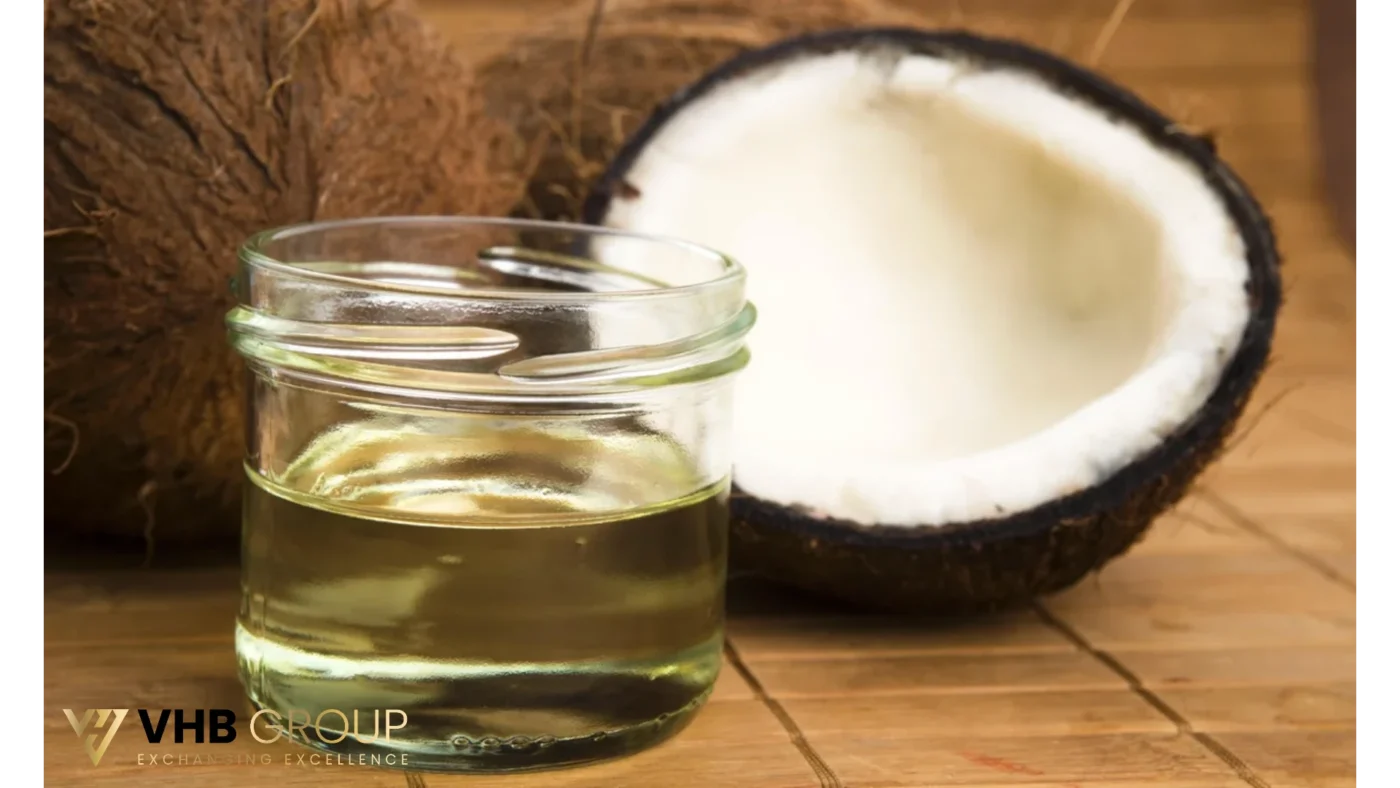
Sourcing high-quality Crude Coconut Oil Bulk is a critical decision for global industrial buyers, refiners, and manufacturers who require a consistent supply of premium raw materials. As industries transition toward natural, plant-based lipids, the demand for versatile agricultural commodities has surged. To optimize procurement and secure stable pricing, buyers must understand the complexities of sourcing Crude Coconut Oil Bulk from leading agricultural hubs.
At VIHABA, we specialize in bridging the gap between local farming cooperatives and international B2B buyers. In this comprehensive guide, we will analyze the agricultural origins, chemical profiles, extraction techniques, and complex global logistics that define the wholesale market for industrial-grade crude coconut oil.
Table of Contents
- Global Sourcing Strategies for Crude Coconut Oil Bulk
- Technical Specifications and Quality Standards of Crude Coconut Oil Bulk
- Understanding the Extraction Process of Crude Coconut Oil Bulk
- Industrial Applications of Crude Coconut Oil Bulk
- Logistics, Packaging, and Supply Chain Integrity in Bulk Shipping
- Market Pricing and Risk Management
- Frequently Asked Questions
- Conclusion: Partnering with VIHABA for Your Bulk Needs
Global Sourcing Strategies for Crude Coconut Oil Bulk
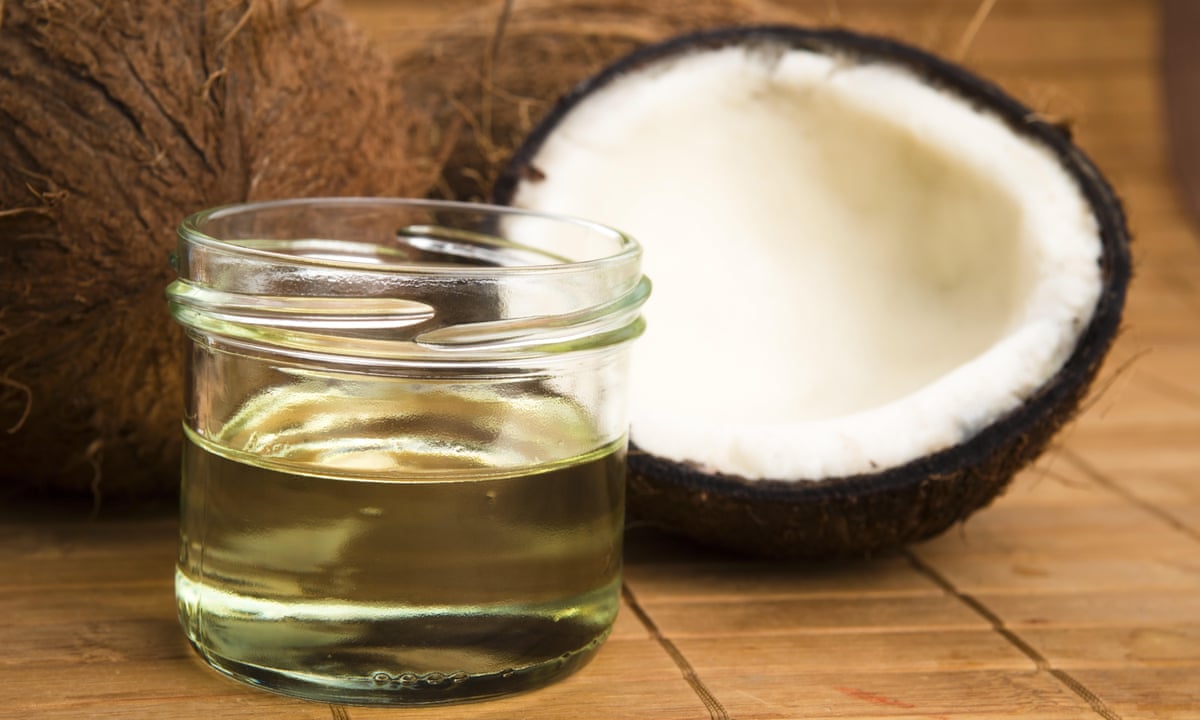
The global trade of crude coconut oil (CNO) is heavily anchored in tropical regions near the equator, where coconut palms (Cocos nucifera) thrive in nutrient-rich, sandy soils with high humidity and abundant rainfall. Southeast Asia dominates the global supply chain, with the Philippines, Indonesia, and Vietnam serving as the primary exporting nations. Sourcing Crude Coconut Oil Bulk from these regions requires a deep understanding of local agricultural structures, harvest seasons, and quality preservation practices.
In Vietnam, particularly in the Mekong Delta region and provinces like Ben Tre, coconut cultivation has evolved into a highly structured agricultural industry. Ben Tre’s unique estuarine ecology provides a constant supply of alluvial nutrients, resulting in coconuts with exceptionally high oil yields and superior nutrient profiles. VIHABA’s direct-from-source procurement model ensures that we work closely with local smallholder cooperatives and large-scale plantations to maintain a reliable, year-round supply chain that mitigates the seasonal fluctuations common in agricultural commodities.
To ensure sustainability, modern B2B buyers increasingly prioritize transparent sourcing practices. This includes verifying that the coconut estates adhere to ethical labor standards, implement biodiversity conservation measures, and avoid deforestation. By maintaining close partnerships with local agrarian networks, exporters can provide verifiable traceability reports, ensuring that the raw copra used in extraction is sustainably produced. This level of supply chain transparency is no longer optional; it is a critical requirement for global brands integrating crude coconut oil into their consumer products or manufacturing pipelines.
Furthermore, climate resilience plays an important role in agricultural planning. Coconut palms are vulnerable to extreme weather events such as typhoons and severe El Niño cycles, which can induce prolonged droughts and suppress crop yields. Sourcing strategies must therefore incorporate geographic diversification. Working with an export partner like VIHABA, who maintains localized networks across multiple growing regions, provides an essential buffer against regional crop failures and guarantees a continuous flow of raw materials for your processing plants.
Technical Specifications and Quality Standards of Crude Coconut Oil Bulk
When purchasing industrial ingredients in large volumes, analytical precision is vital. The chemical composition of Crude Coconut Oil Bulk directly determines its suitability for downstream refining, chemical synthesis, or animal feed formulation. A minor variance in free fatty acids or moisture content can lead to processing inefficiencies, elevated refining losses, or rapid degradation during transport.
The primary quality indicators for crude coconut oil include Free Fatty Acid (FFA) levels, Moisture and Impurities (M&I), Iodine Value (IV), and Saponification Value. FFA content is a critical metric indicating the level of hydrolytic rancidity within the oil; lower FFA levels indicate fresher raw copra and immediate, high-quality extraction. Moisture and impurities must be strictly minimized, as water acts as a catalyst for enzymatic hydrolysis, which splits triglyceride molecules into free fatty acids and glycerol, accelerating degradation during long ocean voyages.
To assist procurement managers in evaluating raw material compatibility, the following table details the standard technical specifications of trade-grade crude coconut oil:
| Analysis Parameter | Standard Limit / Range | Test Method Reference |
|---|---|---|
| Free Fatty Acid (FFA) as Lauric | Max 4.0% – 5.0% | AOCS Ca 5a-40 |
| Moisture & Impurities (M&I) | Max 1.0% | AOCS Ca 2c-25 / Ca 3a-46 |
| Iodine Value (Wijs) | 7.5 – 10.5 g I2/100g | AOCS Cd 1-25 |
| Saponification Value | 250 – 264 mg KOH/g | AOCS Cd 3-25 |
| Color (Lovibond) | Y 50, R 5 – 12 (1/4-inch cell) | AOCS Cc 13b-45 |
| Peroxide Value | Max 3.0 meq/kg | AOCS Cd 8-53 |
| Refractive Index (40°C) | 1.4480 – 1.4500 | AOCS Cc 7-25 |
Understanding these parameters helps refiners calculate their refining yield. For instance, the Refining Loss (RL) is directly correlated with the FFA content. A high FFA percentage requires more caustic soda during the neutralization phase of RBD (Refined, Bleached, and Deodorized) processing, resulting in a higher volume of soapstock bypass and lower yields of pure neutral oil. Similarly, the Saponification Value, which ranges between 250 and 264, confirms the high density of short and medium-chain fatty acids, verifying the purity of the coconut oil and ensuring it has not been adulterated with cheaper, long-chain seed oils.
In addition to these chemical parameters, heavy metals, pesticide residues, and aflatoxin contamination must be rigorously monitored. Aflatoxins, toxic compounds produced by certain molds like Aspergillus flavus, can contaminate raw copra if it is stored in humid conditions without adequate drying. VIHABA implements stringent quality control protocols, subjecting every batch of our bulk agricultural exports to independent third-party testing (such as SGS or Bureau Veritas) before shipping, ensuring complete compliance with international food and feed safety standards.
Understanding the Extraction Process of Crude Coconut Oil Bulk
The extraction of Crude Coconut Oil Bulk is a process that balances traditional agricultural processing with modern industrial efficiency. The journey begins with the harvesting of mature coconuts, which typically have a higher oil content than young, green nuts. The harvested coconuts are de-husked, split, and the white kernel (meat) is extracted to undergo the drying process, converting it into copra.
Copra preparation is a crucial stage that dictates the final oil quality. There are two primary drying methods: sun-drying and kiln-drying. While sun-drying is cost-effective, it relies heavily on clear weather and is susceptible to mold development. Kiln-drying, particularly when utilizing clean biomass burners rather than direct-fire smoke kilns, produces high-quality, low-moisture copra without introducing harmful Polycyclic Aromatic Hydrocarbons (PAHs). Minimizing PAH contamination is particularly vital for oil destined for the European Union, which maintains strict regulatory thresholds on these compounds.
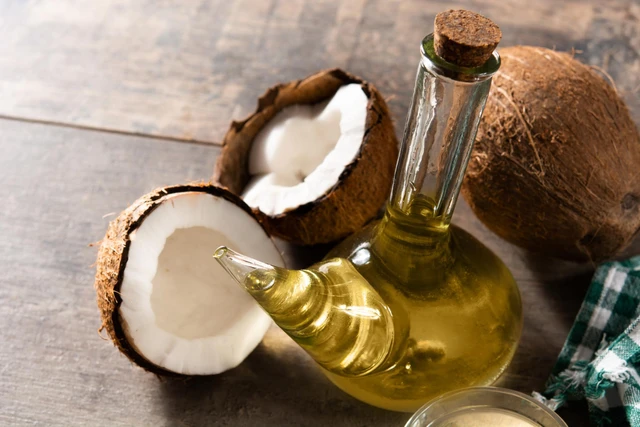
Once dried to a moisture content of approximately 6%, the copra is transported to crushing facilities. Here, it undergoes mechanical expeller pressing. The copra is sliced, conditioned with steam to optimize oil release, and passed through heavy screw presses that mechanically force the oil out of the fiber. The resulting crude oil is filtered to remove suspended solids, leaving behind a rich, amber-colored liquid with a distinct coconut aroma—this is the raw material traded globally as crude coconut oil. The residual copra cake, high in protein and fiber, is utilized as a valuable ingredient in animal feed formulations.
Modern extraction plants also utilize secondary extraction methods, such as solvent extraction using food-grade hexane, to retrieve the remaining oil from the expeller press cake. This process reduces waste and maximizes extraction efficiency, producing an industrial-grade oil. Regardless of the extraction method, keeping the machinery clean and maintaining low operating temperatures during physical pressing helps prevent thermal degradation, keeping the initial peroxide value low and ensuring the oil remains stable during overseas transport.
Industrial Applications of Crude Coconut Oil Bulk
The unique molecular structure of crude coconut oil makes it one of the most highly sought-after vegetable oils across diverse industrial sectors. Unlike other vegetable oils, coconut oil is exceptionally rich in medium-chain fatty acids (MCFAs), particularly lauric acid (C12), which constitutes approximately 48% to 52% of its total fatty acid profile. This chemical composition confers unique physical and chemical properties, such as high thermal stability, resistance to oxidation, and excellent moisturizing qualities.
The primary downstream application of Crude Coconut Oil Bulk is its refinement into Refined, Bleached, and Deodorized (RBD) coconut oil. RBD oil is a staple in the food processing industry, used in commercial baking, confectionery manufacturing, frying fats, and non-dairy creamers. Because it is highly saturated, it remains solid at room temperature and provides excellent texture, mouthfeel, and shelf stability to processed foods without requiring chemical hydrogenation—making it an ideal trans-fat-free alternative.
In the oleochemical sector, crude coconut oil serves as a primary raw material for manufacturing surfactants, detergents, cosmetics, and personal care products. Lauric acid derived from coconut oil is converted into sodium lauryl sulfate (SLS) and other gentle cleansing agents used in shampoos, soaps, and industrial detergents. Furthermore, the rising demand for bio-based, renewable alternatives to petroleum-derived chemicals has positioned crude coconut oil as an important feed-stock for biolubricants, bioplastics, and even sustainable aviation fuels (SAF). Its high saponification value also makes it highly efficient for industrial-scale soap manufacturing, allowing soap makers to produce hard, high-lathering bars naturally.

Additionally, the animal feed industry utilizes crude coconut oil to enhance the caloric density and nutritional value of feed formulations. The medium-chain triglycerides (MCTs) present in CNO are easily digested and absorbed by young animals, particularly piglets and poultry. MCTs provide immediate energy and possess natural antimicrobial properties that promote gut health, reduce mortality rates, and improve overall feed conversion ratios without the need for sub-therapeutic antibiotics.
Logistics, Packaging, and Supply Chain Integrity in Bulk Shipping
Shipping large liquid volumes across international borders requires specialized logistics planning. Crude coconut oil has a melting point of approximately 24°C (75°F). Below this temperature, it transitions from a clear, liquid state into a solid, opaque white fat. This physical property significantly influences bulk logistics, loading operations, and discharge protocols, especially when shipping from tropical export ports to temperate destination ports in Europe, North America, or Northern Asia.
There are several primary packaging solutions used for transporting bulk liquids, each selected based on volume requirements, facility capabilities, and budget constraints:
- Flexitanks: These are large, flexible bladders installed inside standard 20-foot dry containers, converting them into liquid bulk carriers. Flexitanks can hold between 20,000 to 24,000 liters (20-24 metric tons) of oil. They are highly cost-effective, eliminate the risk of cross-contamination, and do not require return freight logistics, making them the preferred choice for many medium-to-large-scale buyers.
- ISO Tank Containers: These are reusable, stainless steel pressure vessels built to standard ISO dimensions. ISO tanks offer maximum structural integrity and safety, and they are typically equipped with built-in steam heating coils or electrical heating elements. This makes them ideal for shipping to cold climates, as the oil can be efficiently melted prior to discharge.
- Steel Drums and IBC Totes: For buyers requiring smaller volumes or lacking bulk liquid pumping infrastructure, crude coconut oil can be packed in 200-liter steel drums or 1,000-liter Intermediate Bulk Containers (IBCs). This format provides excellent storage flexibility and ease of handling within warehouses.
To prevent quality degradation during transit, specialized handling is required. For winter shipments or discharge in cold climates, containers equipped with heater pads are highly recommended. These heater pads are placed beneath the flexitank before loading. Upon arrival at the destination port, low-pressure steam or hot water is circulated through the pads for 4 to 6 hours, gently melting the solidified oil back into a pumpable liquid state. Overheating must be strictly avoided, as temperatures exceeding 60°C can scorch the oil, increase the peroxide value, and cause thermal degradation.
Supply chain integrity also involves moisture control and oxygen exclusion. Exposure to air and fluctuating temperatures during transit can accelerate oxidative rancidity. Utilizing high-barrier flexitanks and ensuring that storage tanks at receiving facilities are equipped with nitrogen blanketing systems helps preserve the oil’s quality, maintaining low peroxide values and keeping the raw material in optimal condition for industrial processing.
Market Pricing and Risk Management
The global market for crude coconut oil is dynamic, influenced by agricultural production cycles, weather anomalies (such as El Niño and La Niña), global geopolitical events, and the pricing of competing vegetable oils, particularly palm oil and palm kernel oil. Because coconut palms are primarily cultivated by smallholder farmers, supply elasticity can be limited, leading to price volatility when extreme weather events disrupt harvests in major producing countries.
For B2B procurement managers, managing price risk is essential for safeguarding manufacturing margins. Standard commercial transactions are typically conducted on Free on Board (FOB) or Cost, Insurance, and Freight (CIF) terms, with pricing linked to international commodity exchanges or published industry benchmarks. To mitigate price volatility, VIHABA offers flexible purchasing structures, including spot buying for immediate needs and long-term forward contracts that allow buyers to lock in stable prices for up to 12 months. This structural flexibility provides our corporate partners with predictable raw material costs, enabling more accurate financial planning and budgeting.
Furthermore, sustainability compliance is increasingly impacting market value. Certifications such as RSPO (Roundtable on Sustainable Palm Oil – which also covers sustainable coconut initiatives under various frameworks), Rainforest Alliance, and organic certifications often command a premium in the market. As global regulatory bodies implement stricter supply chain reporting requirements (such as the EU Deforestation Regulation – EUDR), sourcing from exporters like VIHABA, who actively document and audit their farm-to-port supply chain, ensures seamless compliance and uninterrupted market access.
Conclusion: Partnering with VIHABA for Your Bulk Needs
Securing a resilient, high-quality, and transparent supply of raw materials is essential for maintaining competitive manufacturing operations. As discussed throughout this guide, sourcing Crude Coconut Oil Bulk demands meticulous attention to agricultural quality, chemical specifications, logistics expertise, and rigorous quality assurance. By understanding the chemical properties and physical behavior of crude coconut oil, B2B procurement professionals can optimize their manufacturing processes and avoid costly logistical disruptions.
As a leading exporter of agricultural commodities, VIHABA is dedicated to providing industrial buyers with premium Crude Coconut Oil Bulk that meets strict international standards. Our deep-rooted relationships with farming cooperatives in Vietnam’s prime coconut-producing regions, combined with our rigorous quality-control systems and flexible logistics solutions, make us a trusted partner for global manufacturers. Whether you require flexitanks, ISO tanks, or custom packaging solutions, VIHABA delivers reliability, transparency, and superior value with every shipment.
Contact the agricultural export specialists at VIHABA today to request a customized wholesale quote, analyze technical specifications, or discuss your long-term supply chain requirements.
Crude Coconut Oil Bulk FAQ
Disclaimer: Unless otherwise stated, the images used in this article are the property of their respective owners. We do not claim ownership of any third-party images featured, and they are used here strictly for informational and educational purposes. If you are the copyright holder and wish to have an image removed, please contact us.