
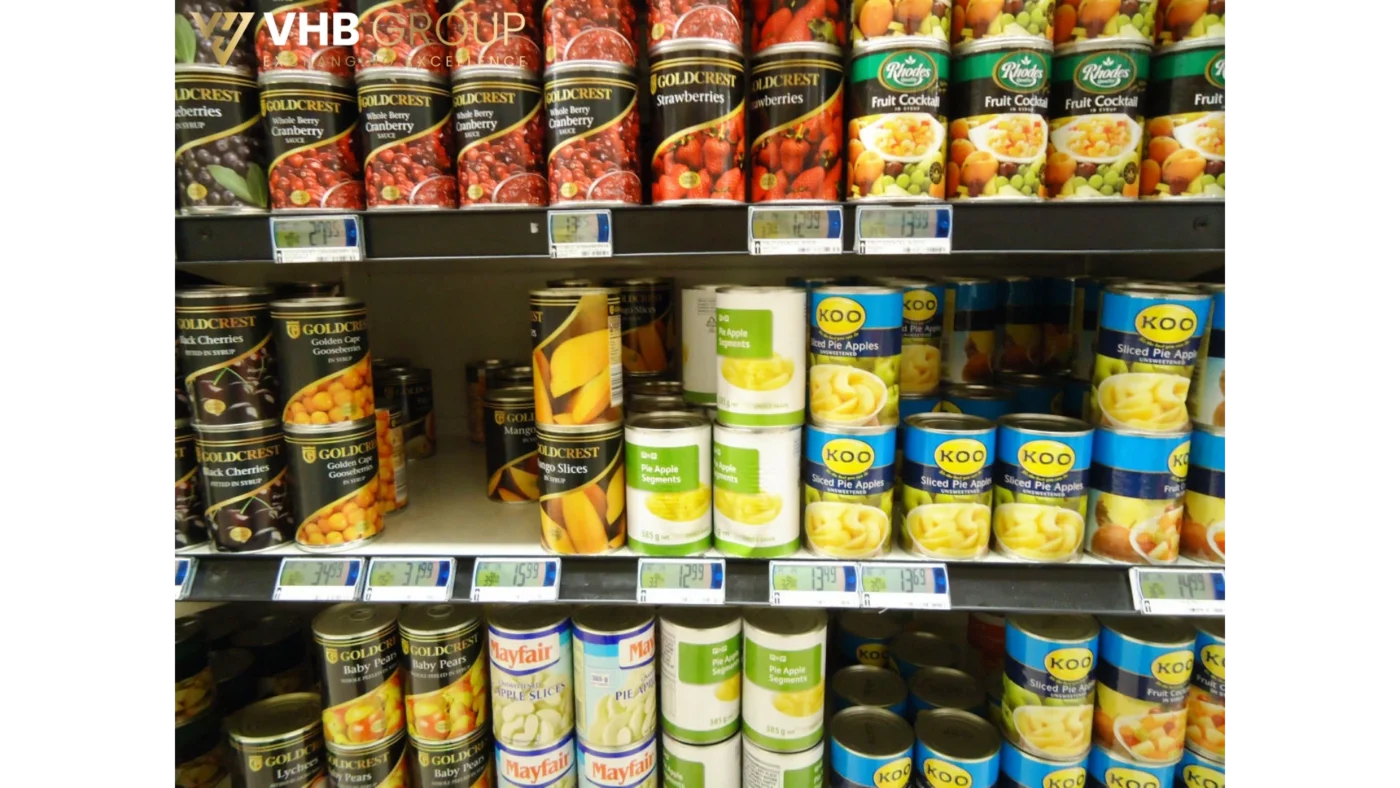
Sourcing from a reliable Industrial Canned Fruit Origin is a critical decision for global food manufacturers, distributors, and retail chains looking to secure high-quality ingredients. As global food supply chains demand higher transparency, cost-efficiency, and strict quality compliance, identifying the right geographic origin for processed agricultural products has become a strategic priority. This comprehensive guide explores the dynamics of selecting the optimal production origin, with a specific focus on Vietnam’s emerging dominance in the global fruit processing industry, helping procurement officers make highly informed sourcing decisions.
Table of Contents
- Understanding the Global Industrial Canned Fruit Origin Market
- Why Vietnam is the Leading Industrial Canned Fruit Origin for B2B Buyers
- Cultivation Regions and Key Fruit Varieties
- Processing and Quality Control at the Industrial Canned Fruit Origin
- Specifications, Standards, and Logistics from Industrial Canned Fruit Origin
- Sourcing Safely: Certifications and Regulatory Compliance
- Frequently Asked Questions (FAQs)
- Conclusion
Understanding the Global Industrial Canned Fruit Origin Market
The global demand for canned fruits is experiencing steady growth, driven by the expanding food services sector, industrial bakery requirements, dairy processing, and convenient consumer retail options. When analyzing an Industrial Canned Fruit Origin, buyers must look beyond simple price metrics to evaluate geopolitical stability, seasonal consistency, technological capabilities of local processors, and trade agreements that minimize import duties.
Historically, European and North American processing hubs dominated the canned fruit sector. However, escalating labor costs, changing weather patterns, and high production overheads have shifted the center of gravity toward Southeast Asia. Countries with tropical climates, competitive labor forces, and modernized infrastructure are now the primary suppliers of premium canned pineapples, mangoes, lychees, and papayas. Sourcing directly from these origins ensures raw materials are processed at peak ripeness, preserving natural flavors, nutritional profiles, and structural integrity.
Selecting the correct origin involves evaluating agricultural yield resilience, ecological practices, and the maturity of local export supply chains. A resilient origin is one that can guarantee year-round availability or possess advanced warehousing facilities to maintain stable inventory levels during off-season months. For food processing operations where consistency is non-negotiable, finding a partner at the origin is crucial for long-term manufacturing planning.
Why Vietnam is the Leading Industrial Canned Fruit Origin for B2B Buyers
In recent years, Vietnam has rapidly positioned itself as a world-class Industrial Canned Fruit Origin. Thanks to its rich agricultural heritage, favorable tropical climate, and aggressive modernization of its manufacturing sectors, the country offers unique competitive advantages for global B2B buyers.
One of the key drivers of Vietnam’s export success is its extensive network of Free Trade Agreements (FTAs). Agreements such as the EVFTA (EU-Vietnam Free Trade Agreement), CPTPP, and regional RCEP agreements drastically reduce or completely eliminate import tariffs for Vietnamese canned fruits entering major markets in Europe, the Americas, and Asia-Pacific. This creates a significant cost advantage for international food manufacturers compared to sourcing from non-FTA countries.
Furthermore, Vietnamese agricultural cooperatives and processing facilities have undergone massive technological upgrades. With substantial investments in European-grade processing machinery, automated peeling and sorting lines, and advanced sterilization systems, Vietnamese suppliers can deliver products that meet the stringent microbiological and physical standards of highly regulated markets. If you are searching for a highly compliant, cost-effective partner, explores our dedicated industrial canned fruit origin page to learn how we customize our production processes to align with your specific industrial requirements.
Cultivation Regions and Key Fruit Varieties
Vietnam’s diverse topography and microclimates allow for the cultivation of a broad array of tropical fruits. Understanding where each fruit is grown allows B2B buyers to optimize their supply chain schedules and ensure optimal raw material quality.

The Mekong Delta: The Fruit Basket of Vietnam
The fertile alluvial soils of the Mekong Delta make it the primary hub for tropical agricultural commodities. This region is highly famous for its vast plantations of pineapples (specifically the sweet and firm Queen variety), mangoes (such as the premium Cat Chu variety), and papayas. The natural water systems of the Mekong River provide continuous nourishment, resulting in fruits with high natural sugar levels, vibrant colors, and optimal texture for industrial canning.
The Central Highlands and Northern Provinces
For colder-climate tropical fruits like lychees and rambutans, the Northern provinces (such as Bac Giang and Hai Duong) and the Central Highlands provide the ideal environment. These regions experience distinct seasonal variations, which are essential for inducing flowering in lychee and longan orchards. Vietnamese lychees are celebrated globally for their translucent, juicy pulp, small seeds, and floral aroma, making them highly sought after by premium dessert manufacturers and beverage brands.
By establishing long-term contracts directly within these cultivation zones, manufacturers ensure a stable, uninterrupted supply of raw materials, protecting their operations from seasonal market fluctuations and local raw material shortages.
Processing and Quality Control at the Industrial Canned Fruit Origin
Ensuring consistency in texture, sweetness, and shelf-stability requires rigorous control throughout the entire manufacturing flow. An elite Industrial Canned Fruit Origin implements standardized, multi-stage processing methods designed to preserve the fruit’s organic properties while achieving absolute microbiological safety.
The typical processing workflow includes the following critical quality control stages:
- Harvesting and Farm-Gate Sorting: Fruits are harvested at optimum maturity levels to balance sugar content (Brix) and acidity. Any bruised, damaged, or under-ripe fruits are immediately filtered out.
- Sanitization and Washing: Raw materials undergo multi-stage ozone washing to remove field dirt, pesticide residues, and surface microflora without damaging the fruit’s skin or flesh.
- Precision Peeling, Coring, and Slicing: Using either semi-automated or highly precise manual peeling lines, fruits are skinned, cored, and portioned into various shapes such as slices, chunks, tidbits, halves, or fine dice, depending on customer specifications.
- Syrup and Media Preparation: The packing medium is carefully prepared using purified water and food-grade sugar (sucrose) or natural juices to hit precise target Brix and pH ranges. High-acid fruits may require minor pH adjustments to guarantee shelf stability.
- Canning, Exhausting, and Hermetic Sealing: Portioned fruits are filled into lacquer-lined tinplate cans or glass jars, followed by the addition of hot syrup. The cans pass through an exhausting box to remove trapped oxygen, which prevents subsequent oxidation and discoloration, before being hermetically sealed.
- Thermal Sterilization (Retort Processing): Sealed containers undergo a precise time-temperature sterilization profile in advanced retorts. This ensures the destruction of pathogenic microorganisms (especially Clostridium botulinum) and denatures naturally occurring enzymes that lead to softening or off-flavors.
- Rapid Cooling and Quality Incubation: Cans are rapidly cooled to prevent over-cooking and maintain crisp fruit texture. They are then stored in incubation warehouses for a minimum of 10 to 14 days to monitor for any physical abnormalities, leaks, or microbiological activity before final dispatch.
Specifications, Standards, and Logistics from Industrial Canned Fruit Origin
When finalizing contracts with an Industrial Canned Fruit Origin, establishing detailed product specifications is vital for consistency. Different food applications require specific cut styles, medium concentrations, and physical properties. Below is a comprehensive specification table representing typical export grades available from our Vietnamese processing facilities:
| Fruit Variety | Common Cut Styles | Packing Medium Option | Brix Range (%) | pH Range | Drained Weight Ratio (%) |
|---|---|---|---|---|---|
| Pineapple (Queen/Cayenne) | Slices, Chunks, Tidbits, Pizza Cut, Crushed | Heavy Syrup, Light Syrup, Natural Juice, Water | 14% – 18% (Light/Heavy) | 3.5 – 4.0 | ≥ 52% |
| Mango (Cat Chu/Kaew) | Slices, Halves, Dices, Puree | Light Syrup, Heavy Syrup, Pure Juice | 14% – 17% | 3.8 – 4.2 | ≥ 50% |
| Lychee | Whole Peeled, Broken, Halves | Heavy Syrup, Light Syrup | 14% – 18% | 3.6 – 4.2 | ≥ 48% |
| Rambutan | Whole Peeled, Stuffed with Pineapple | Heavy Syrup, Light Syrup | 14% – 18% | 3.5 – 4.0 | ≥ 48% |
| Mixed Fruit (Cocktail) | Mixed Dices (Pineapple, Papaya, Nata de Coco) | Light Syrup, Heavy Syrup | 14% – 17% | 3.6 – 4.1 | ≥ 52% |
In terms of logistics, canned fruits are highly durable and have an extensive shelf life, typically ranging from 24 to 36 months when stored in cool, dry conditions. They are packed in standardized export cartons, loaded onto pallets, and shipped in 20ft or 40ft Full Container Loads (FCL). Given Vietnam’s strategic maritime location and deep-water ports like Cat Lai (Ho Chi Minh City) and Lach Huyen (Hai Phong), transit times to major global ports in Europe, North America, and Northeast Asia are highly optimized, significantly lowering overseas shipping costs.
Sourcing Safely: Certifications and Regulatory Compliance
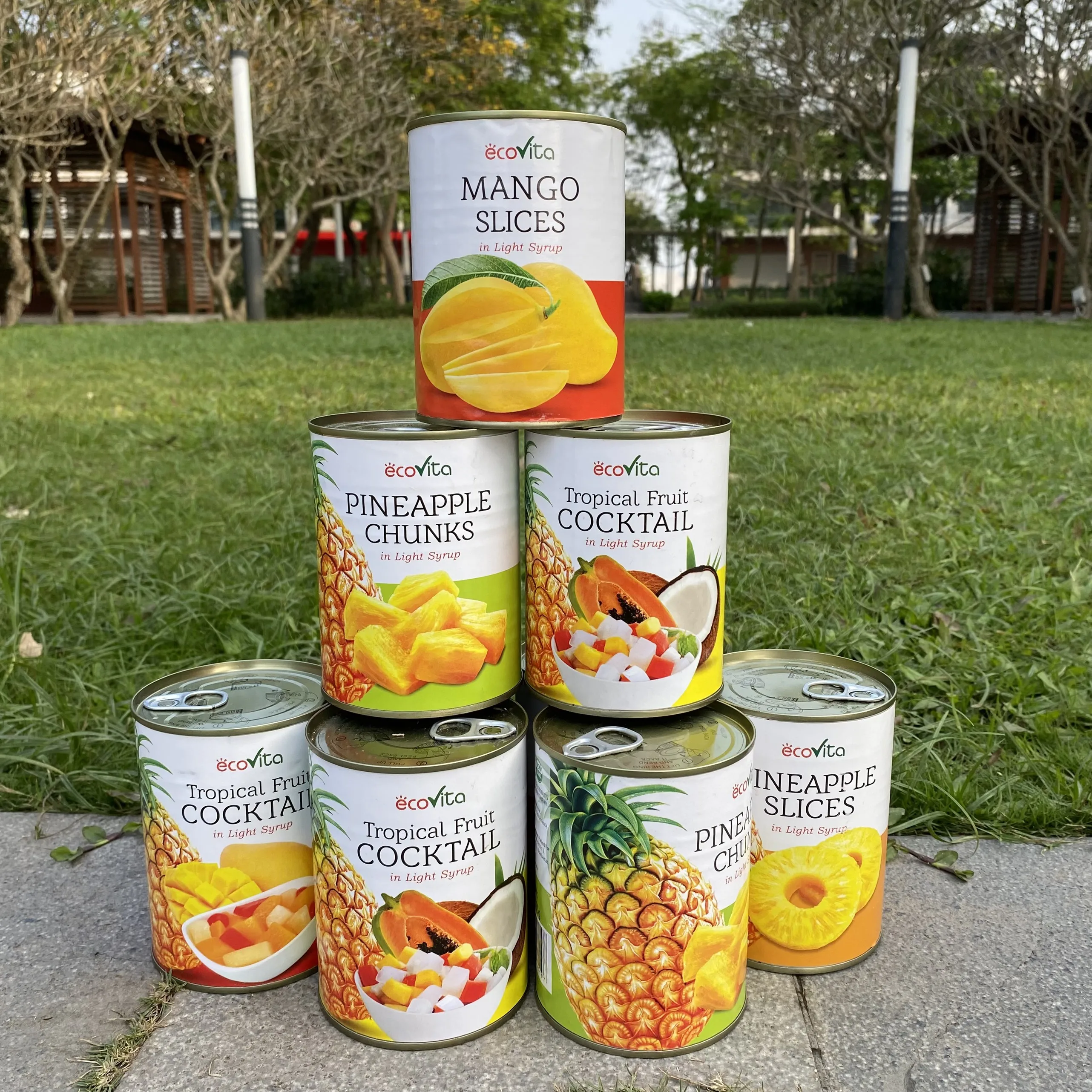
For B2B buyers operating in high-compliance markets such as North America, the EU, Japan, and Australia, agricultural and processing certifications are mandatory prerequisites. Choosing an Industrial Canned Fruit Origin that prioritizes international standard compliance simplifies custom clearance, protects consumer health, and safeguards your brand reputation.
Top-tier Vietnamese exporters maintain a robust suite of safety and quality system certifications, including:
- HACCP & ISO 22000: These form the baseline for food safety, ensuring systemic hazard analysis and risk-based preventive controls throughout the processing facility.
- BRCGS (British Retail Consortium Global Standards) & IFS: Crucial for entry into major European retail chains, verifying excellent structural, operational, and hygiene management.
- GlobalGAP: Focuses on farm-level agricultural practices, guaranteeing that the fresh fruits used are cultivated sustainably, with minimal chemical intervention and full traceability.
- Halal & Kosher: Mandatory dietary compliance certificates that expand access to specific demographic markets globally.
- FDA Registration: Required for seamless imports into the United States, including compliance with the Foreign Supplier Verification Programs (FSVP).
By ensuring your manufacturing partners possess these certifications, you eliminate shipping risks, verify farm-to-table traceability, and demonstrate ethical environmental practices to your consumer base.
Conclusion
Selecting a secure, cost-effective, and fully certified Industrial Canned Fruit Origin is fundamental to maintaining a resilient global food supply chain. Vietnam’s unique combination of optimal tropical agricultural conditions, robust manufacturing infrastructure, and tariff-free access through international trade agreements makes it a premier destination for global B2B procurement professionals. By partnering with an experienced exporter like VIHABA, you gain access to customized product formulations, transparent sourcing practices, and guaranteed regulatory compliance. Contact our dedicated export team today to request customized samples, explore our agricultural capabilities, and secure a premium supply line of Vietnamese canned fruits for your business.
Industrial Canned Fruit Origin FAQ
Disclaimer: Unless otherwise stated, the images used in this article are the property of their respective owners. We do not claim ownership of any third-party images featured, and they are used here strictly for informational and educational purposes. If you are the copyright holder and wish to have an image removed, please contact us.