Understanding Flake Desiccated Coconut Origin dynamics is a critical strategy for international B2B beverage and food buyers, import-export firms, and retail procurement managers. While desiccated coconut is processed across tropical regions worldwide, four primary nations dominate commercial global export: the Philippines, Indonesia, Vietnam, and Sri Lanka.
When expanding your sourcing pipeline alongside baseline Flake Desiccated Coconut Wholesale orders, selecting the right origin stock dictates slice brightness, flavor depth, fat content, tariff eligibility, and microbiological safety. This guide analyzes primary production hubs, nut harvesting standards, processing technologies, and customs tariff advantages across major export origins.
Table of Contents
-
Philippines: The Premium Quality and Microbiological Standard
-
Indonesia & Vietnam: High-Volume Output and Competitive Pricing
-
Trade Agreements, Certificates of Origin (COO), and Import Duty Rates
1. Global Manufacturing Map: Comparing Primary Origin Hubs
The quality of flake desiccated coconut begins with raw coconut nut selection at the plantation level. Mature coconuts harvested at 11 to 13 months contain thick endosperm meat with high natural oil concentration (60%+ fat), making them ideal for flake production.
Different growing regions offer distinct commercial advantages:
-
Philippines: Focuses on high-end confectionery grades, strict pasteurization, and snow-white color consistency.
-
Indonesia: World’s largest coconut grower, excelling in high-volume FCL shipments and competitive unit pricing.
-
Vietnam: Modernized processing sector offering fast ocean transit to North American and Asian ports.
-
Sri Lanka: Celebrated for traditional processing methods, high natural aroma, and certified organic production.
To explore unique flake cuts and toasted variations available from these hubs, review our guide on Flake Desiccated Coconut Special SKUs.
2. Philippines: The Premium Quality and Microbiological Standard
Philippine coconut processors operate some of the most advanced automated desiccated coconut facilities in the world. Concentrated in regions like Mindanao and Luzon, Philippine mills specialize in producing premium snow-white flakes free from yellow specs or testa husk particles.
Technical Advantages of Philippine Origin
-
Color Brightness: Advanced continuous blanching and hot-air drying yield a clean white appearance.
-
Fat Content Consistency: Consistently delivers 65% +/- 2% natural fat content.
-
Microbiological Safety: Stainless-steel automated continuous steam-sterilization units guarantee a 5-log reduction in pathogens, ensuring negative Salmonella screenings.
-
Certifications: Facilities maintain BRCGS, FSSC 22000, SQF, Halal, and Kosher certifications required by multinational food brands.

3. Indonesia & Vietnam: High-Volume Output and Competitive Pricing
Indonesia (concentrated in Sumatra and Sulawesi) and Vietnam (concentrated in the Ben Tre province of the Mekong Delta) represent the most cost-effective supply hubs for bulk flake procurement.
Commercial Advantages of Indonesian & Vietnamese Origin
-
Competitive FOB Pricing: Abundant raw nut supply and lower labor overheads deliver attractive unit costs per metric ton.
-
Flexible Slicing Capabilities: Mills produce custom flake thicknesses ranging from 0.4 mm thin flakes to 1.2 mm thick chips.
-
Proximity to Ports: Proximity to major transshipment ports (such as Jakarta, Surabaya, and Ho Chi Minh City) reduces inland trucking costs and shipping lead times.
4. Sri Lanka: Specialty Organic and Aromatic Wide Chips
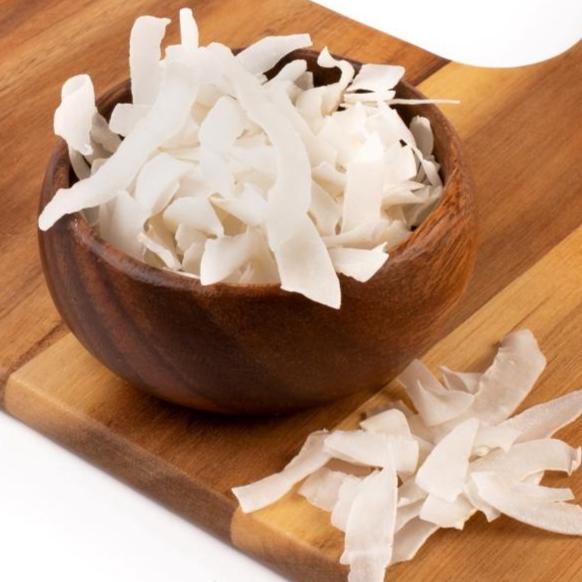
Sri Lanka holds a celebrated position in the global coconut trade, famous for its rich, fragrant coconut meat. Sri Lankan processors excel in specialized organic, fair-trade, and extra-wide chip formats.
Specialty Callouts for Sri Lankan Origin
-
Rich Flavor Profile: Sri Lankan flakes retain an intense, sweet coconut aroma highly valued by European artisan bakers.
-
Organic Leadership: Primary sourcing origin for USDA-NOP and EU Certified Organic desiccated coconut flakes.
-
Sulfite-Free Processing: Mills specialize in 100% preservative-free drying without Sodium Metabisulfite (SO2).
5. Trade Agreements, Certificates of Origin (COO), and Import Duty Rates
Selecting the right Flake Desiccated Coconut Origin enables importers to claim preferential tariff treatments under regional trade treaties:
| Sourcing Origin Hub | Primary Cut Specialties | Natural Fat Content | FOB Price Profile | Preferential Trade Agreements |
| Philippines | Premium White Flakes, Shreds | 65% (+/- 2%) | Premium Benchmark | GSP+, ASEAN-Japan, US Trade Terms |
| Indonesia | Standard Flakes, Bulk Chips | 63%–65% | Highly Competitive | ASEAN (Form E/D), RCEP |
| Vietnam | Standard Flakes, Toasted Chips | 62%–65% | Highly Competitive | EVFTA (EU-Vietnam), CPTPP, ASEAN |
| Sri Lanka | Organic Flakes, Wide Chips | 60%–64% | Moderate / Specialty | EU GSP, ISFTA, SAFTA |
To learn how cargo moves from origin mills through international distribution networks, review our analysis of the Flake Desiccated Coconut Distribute Channel.
6. Conclusion and Sourcing Recommendations
Understanding Flake Desiccated Coconut Origin dynamics allows B2B procurement managers to match raw materials with their specific application and budget needs. For multinational confectionery brands requiring absolute microbiological purity and bright white appearance, Philippine origin stock is the industry benchmark. For high-volume bakery and snack packagers seeking cost efficiency, Indonesian and Vietnamese origins offer unmatched value. For clean-label organic retail lines, Sri Lanka remains the premier sourcing choice.
Contact our trade sales team today to request origin-certified quotes, technical specifications, and physical samples to optimize your ingredient supply chain.
Flake Desiccated Coconut Origin FAQ
Disclaimer: Unless otherwise stated, the images used in this article are the property of their respective owners. We do not claim ownership of any third-party images featured, and they are used here strictly for informational and educational purposes. If you are the copyright holder and wish to have an image removed, please contact us.