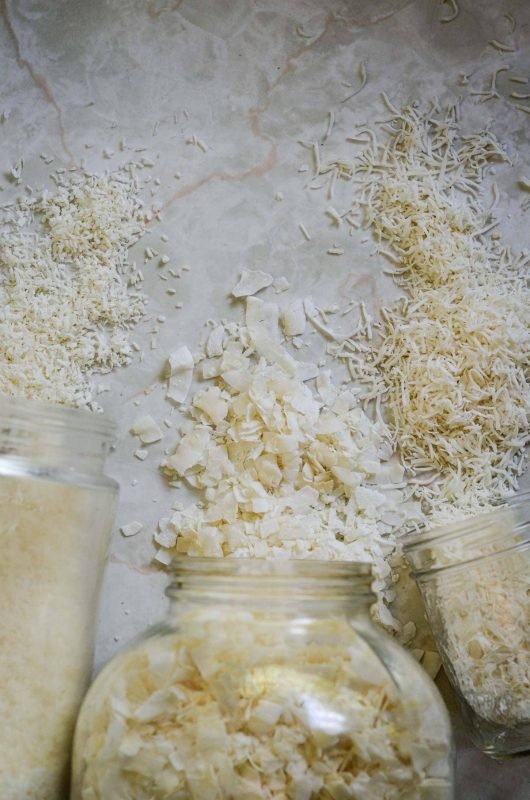
Sourcing Shredded Desiccated Coconut Bulk inventory provides global B2B food manufacturers, industrial bakeries, commercial confectioners, retail snack packagers, and wholesale ingredient distributors with an essential, high-demand raw material. As global consumer demand surges for clean-label, plant-based, keto-friendly, and non-GMO food products, shredded desiccated coconut has emerged as a cornerstone ingredient across the global food processing industry.
Derived from pure, dehydrated coconut meat cut into long, slender strands or uniform shreds without added sugars or synthetic preservatives, shredded desiccated coconut is valued for its distinct visual appearance, rich lauric acid content, natural dietary fiber, clean taste profile, and extended shelf life. Industrial bakeries and food processors rely heavily on its structural texture and decorative appeal in mass production.
However, navigating cross-border procurement requires managing complex supply chain variables—including origin country selection, cut-length dimensions, fat content classifications (High Fat vs. Low Fat), moisture control barriers, phytosanitary standards, and ocean freight logistics. This comprehensive B2B pillar guide analyzes the technical, commercial, and logistical protocols necessary to build a highly profitable, compliant procurement model.
Table of Contents
-
Global Market Demand and Industrial Value of Shredded Desiccated Coconut Bulk
-
Technical Specifications: Granulation, Shred Profiles, and Fat Content Metrics
-
Key Global Sourcing Origins: Philippines, Indonesia, Vietnam, and Sri Lanka
-
Industrial Packaging, Moisture Control, and Container Payload Specs
-
B2B Procurement Strategies, Incoterms, and Commercial Pricing Models
-
Import Compliance, Food Safety Certifications, and Phytosanitary Protocols

1. Global Market Demand and Industrial Value of Shredded Desiccated Coconut Bulk
The global market for coconut ingredients continues to expand rapidly, driven by rising demand in clean-label baking, plant-based confectionery, gluten-free formulations, and upscale breakfast cereals. Industrial food manufacturers utilize shredded desiccated coconut not only as an internal texture enhancer, but also as an external decorative topping that signifies premium quality to consumers.
Establishing a reliable bulk supply chain for Shredded Desiccated Coconut Bulk delivers distinct commercial benefits across multiple food sectors:
-
Clean-Label & Consumer Health Positioning: Naturally gluten-free, non-GMO, vegan, and completely free from added sucrose or artificial chemicals, satisfying strict clean-label manufacturing requirements.
-
Versatile Industrial Application: Serves as a vital bulk ingredient in commercial donut toppings, pastry coatings, candy bar centers, breakfast granolas, energy bars, and packaged trail mixes.
-
Extended Storage Stability: Dehydrated under controlled thermal conditions to strict moisture thresholds (3.0% or less), providing a robust 12 to 24-month shelf life when stored under proper ambient conditions.
-
High Caloric & Nutritional Density: Rich in medium-chain triglycerides (MCTs), particularly lauric acid (C12H24O2), providing quick-release dietary energy for active lifestyle food products.
Beyond nutritional appeal, the economic value of sourcing shredded desiccated coconut lies in its functional performance. Food manufacturers can integrate shredded coconut into automated coating and topping machinery, where the elongated strand geometry adheres naturally to doughs and chocolate surfaces without excessive dusting or machinery clogging.
Furthermore, as multinational food brands replace artificial coatings with wholesome agricultural inputs, shredded coconut provides an economical, natural volume-building agent that enhances both label appeal and consumer sensory satisfaction.
2. Technical Specifications: Granulation, Shred Profiles, and Fat Content Metrics
Commercial procurement managers must specify exact physical and chemical parameters when placing B2B orders to prevent manufacturing downtime, product defects, and batch-to-batch flavor inconsistencies on automated production lines:
Physical Granulation and Shred Profiles
The physical cut style dictates how the coconut integrates into food formulas and behaves under high-heat processing:
-
Standard Shred: Slender, medium-length strands (length: 3.0 mm to 6.0 mm, thickness: ~0.5 mm). Blends smoothly into granola mixtures, cookie doughs, and cake batters while maintaining visual strand definition.
-
Fancy Shred / Thread Shred: Long, thin ribbon-like strands (length: 6.0 mm to 12.0 mm). Engineered specifically for high-end bakery toppings, donut decorations, and gourmet pastry displays where maximum visual elegance is required.
-
Coarse Shred: Thicker, meatier cuts designed for heavy trail mixes, energy bars, and toasted coconut snack formulations.
To explore specialized cut variations, toasted options, and custom packaging, review our detailed guide on Shredded Desiccated Coconut Unique SKUs.

Chemical Fat Content Classifications
The percentage of natural coconut oil dictates sensory richness, calorie density, and raw material cost:
-
High Fat (Full Fat): Contains a minimum of 60% to 65% natural coconut fat (65% +/- 3%). High Fat shredded coconut delivers the intense natural coconut aroma, rich mouthfeel, and moisture-binding properties required for high-end confectionery and gourmet baking applications.
-
Low Fat (Reduced Fat): Contains 40% to 50% fat (45% +/- 5%). Produced as a byproduct after pressing fresh coconut meat for coconut milk or virgin coconut oil extraction. It offers lower calorie density, drier texture, and superior absorption, making it an economical option for dietary fiber enrichment, low-cost baking fillers, and savory premixes.
3. Key Global Sourcing Origins: Philippines, Indonesia, Vietnam, and Sri Lanka
Selecting the correct manufacturing origin impacts landed unit price points, fat ratios, color brightness, seasonal availability, and regional customs tariff advantages:
Philippines (Premium Quality Benchmark)
Philippine desiccated coconut is universally recognized as the gold standard for high-end commercial applications. Renowned for its brilliant snow-white color, uniform shred length, and consistent high fat content (65%+), Philippine mills operate under strict US-FDA, BRCGS, and EU food safety standards. While commanding a price premium, its superior microbiological purity makes it the top choice for multinational confectioners.
Indonesia & Vietnam (High-Volume Cost Efficiency)
Indonesia and Vietnam represent the global volume powerhouses of the coconut industry, offering highly competitive FOB pricing structures. Indonesian and Vietnamese processors have modernized their stainless-steel slicing and drying infrastructure, making them ideal sourcing hubs for large-scale industrial food manufacturers seeking cost-effective High Fat shreds in full container loads.
Sri Lanka (Specialty Organic & Flavor Depth)
Sri Lankan desiccated coconut is celebrated for its distinctive aromatic profile, crisp bite, and traditional processing techniques. Sri Lanka is the primary origin for certified organic, fair-trade, and extra-long thread cuts favored by European organic grocers and specialty health food brands.
To trace origin processing hubs and raw nut selection standards, explore our guide on Shredded Desiccated Coconut Origin.
4. Industrial Packaging, Moisture Control, and Container Payload Specs
Shredded desiccated coconut is a hygroscopic agricultural product that actively absorbs ambient moisture and atmospheric odors. Proper packaging architecture and container climate management are essential during long ocean transits to prevent mold growth, clumping, and Free Fatty Acid (FFA) rancidity.
Multi-Wall Paper Bags and Corrugated Cartons
The universal industry standard packaging for commercial export is a heavy-duty 25 kg or 50 lb multi-wall craft paper bag fitted with an inner food-grade PE liner (minimum 50 to 80 microns thick). The PE liner is heat-sealed to create an airtight barrier against humidity and oxygen intake. For delicate long-thread shreds prone to crushing, suppliers package material in rigid 10 kg or 15 kg corrugated carton boxes with inner sealed PE bags.
Ocean Container Payload Capacity (20ft vs. 40ft HC FCL)
Because shredded coconut is volumetric compared to its weight, ocean container load planning requires balancing physical volume capacity with vessel weight allowances:
| Product Cut Format | Packaging Unit | Net Weight per Bag/Box | 20ft FCL Capacity (Floor Loaded) | 40ft HC FCL Capacity (Floor Loaded) |
| High Fat Standard Shred | 25 kg Multi-Wall PE Bag | 25.0 kg | ~480 Bags (12.0 Metric Tons) | ~1,000 Bags (25.0 Metric Tons) |
| Fancy Thread Shred | 10 kg / 15 kg Box | 15.0 kg | ~400 Boxes (6.0 Metric Tons) | ~850 Boxes (12.75 Metric Tons) |
| Low Fat Shred | 25 kg Multi-Wall PE Bag | 25.0 kg | ~500 Bags (12.5 Metric Tons) | ~1,080 Bags (27.0 Metric Tons) |
To prevent “container sweat” (condensation forming on the inner steel roof of ocean containers when passing through tropical transit routes), logistics teams line container walls with thermal insulation blankets and install high-absorption calcium chloride desiccant poles.
To examine exact chemical and microbiological safety thresholds, explore our guide on Shredded Desiccated Coconut Facts.
5. B2B Procurement Strategies, Incoterms, and Commercial Pricing Models
Achieving optimal margin performance requires structuring long-term procurement agreements that balance volume pricing, quality guarantees, and flexible delivery schedules across volatile harvest cycles:
Sourcing Models: Direct Mill Contracts vs. Trade Consolidators
Large multinational buyers purchasing thousands of metric tons annually often enter into direct forward contracts with primary processing mills in the Philippines or Indonesia. These direct arrangements allow enterprises to lock in fixed origin pricing for up to 12 months, hedging against seasonal coconut raw nut price spikes during monsoon seasons.
Conversely, independent bakeries, regional distributors, and mid-sized food manufacturers benefit significantly from partnering with master FMCG ingredient consolidators. Consolidators maintain buffer inventory at key transshipment ports, offering lower Minimum Order Quantities (1x20ft or 1x40ft FCL), flexible payment terms, and the unique ability to load mixed-cut containers (combining Shreds, Fine Cut, and Toasted Chips in a single shipment).
Risk Management and Financial Payment Structures
Procurement managers must also establish clear payment terms that protect working capital. Standard industry financial structures for first-time contracts involve a 30% advance Telegraphic Transfer (T/T) deposit upon purchase order confirmation, with the remaining 70% balance settled against scanned Bill of Lading (B/L) release documentation.
For long-term commercial relationships or multi-container monthly programs, buyers routinely negotiate Irrevocable Letters of Credit (L/C at sight) or open-account payment terms (30 to 60 days post-discharge), allowing importers to inspect cargo quality at destination before final fund disbursement.
Incoterms 2020 Framework
-
Free On Board (FOB): The origin mill handles inland transport, export documentation, phytosanitary inspection, and loading at the origin port (e.g., Manila, Jakarta, or Ho Chi Minh City). The buyer assumes responsibility for ocean freight, marine transit insurance, import customs clearance, and final port-to-warehouse drayage.
-
Cost, Insurance, and Freight (CIF): Recommended for buyers who prefer the export supplier to manage ocean vessel bookings and marine insurance directly to the designated destination discharge port.
6. Import Compliance, Food Safety Certifications, and Phytosanitary Protocols
Navigating customs regulations is critical to avoiding port quarantine holds, expensive demurrage fines, or rejected shipments at destination checkpoints:
Mandatory Export Documentation Suite
-
Commercial Invoice & Detailed Packing List: Detailing exact SKU descriptions, net/gross weights, lot numbers, production dates, and Harmonized System codes (HS 0801.11.00 for desiccated coconut).
-
Phytosanitary Certificate: A legally mandated agricultural document issued by the plant quarantine authority of the exporting country, confirming the consignment has been inspected and is free from invasive agricultural pests and diseases.
-
Certificate of Origin (COO): Officially issued by the origin Chamber of Commerce (e.g., ASEAN Form E, Form D, or GSP) to qualify for preferential reduced import customs duties under regional trade agreements.
-
Certificate of Analysis (CoA): Issued by an accredited food testing laboratory certifying moisture content (3.0% or less), Free Fatty Acids (0.15% or less), fat content (60%+), and negative screenings for Salmonella and E. coli.
-
Global Food Safety Certifications: Quality assurance teams at commercial food plants mandate suppliers hold valid BRCGS, FSSC 22000, ISO 22000, Kosher, and Halal certifications.
Managing Quarantine Inspections and Border Health Protocols
Food safety authorities in major import markets (such as the US FDA, European EFSA, or Japanese MHLW) enforce strict border entry protocols for imported tree nut products. In North America, importers must file an FDA Prior Notice prior to vessel docking to avoid immediate customs holds.
Border inspectors routinely pull random sample bags for laboratory testing, screening specifically for pesticide residues, heavy metals, sulfur dioxide (SO2) levels, and mycotoxins. Partnering with suppliers whose processing plants undergo annual Global Food Safety Initiative (GFSI) audits ensures smooth customs clearance and minimizes unexpected container detention fees at origin or destination ports.
7. Partner with Us for Your Bulk Coconut Sourcing Needs
Partnering with an experienced agricultural export consolidator ensures seamless procurement of authentic Shredded Desiccated Coconut Bulk inventory at highly competitive pricing structures.
Our global supply network connects B2B buyers directly with certified primary processing mills across Southeast Asia, ensuring strict microbiological compliance, custom cut grading, and reliable containerized dispatch. We handle every detail of the export process—from origin quality inspection and thermal container lining to phytosanitary filing and custom export documentation.
Whether you require a single container of Fancy Thread Shred for an upcoming bakery campaign or an ongoing contract spanning multiple High Cube containers per month, our trade specialists are ready to support your business. Contact our commercial trade sales team today to request a customized quote, receive physical samples, and secure your long-term ingredient supply contracts.
Shredded Desiccated Coconut Bulk FAQ
Disclaimer: Unless otherwise stated, the images used in this article are the property of their respective owners. We do not claim ownership of any third-party images featured, and they are used here strictly for informational and educational purposes. If you are the copyright holder and wish to have an image removed, please contact us.