Exploring Cold Pressed Coconut Oil Origin parameters provides agricultural importers, organic brand owners, cosmetic formulators, and retail category managers with deep insights into how regional harvest geography, coastal soil chemistry, coconut palm cultivars, and local extraction engineering govern finished product quality. While all cold pressed coconut oil adheres to baseline international purity standards, subtle variations in lauric acid concentration, polyphenol density, and aromatic notes trace directly back to harvest origins.
Evaluating origin parameters allows procurement directors at VHB Group to secure origin-traceable supply chains, optimize ingredient performance, and satisfy strict European Union Deforestation Regulation (EUDR) mandates.
Table of Contents
-
The Agronomic Terroir of Coconut Palms and Kernel Lipid Synthesis
-
Harvest Maturity Physics and Endosperm Oil Concentration
-
Southeast Asian Processing Hubs: Ben Tre Province in Vietnam’s Mekong Delta
-
Regional Origin Benchmark Comparison Matrix
-
EUDR Compliance, Smallholder Farmer Sourcing, and Ethical Traceability
-
Frequently Asked Questions (FAQ)
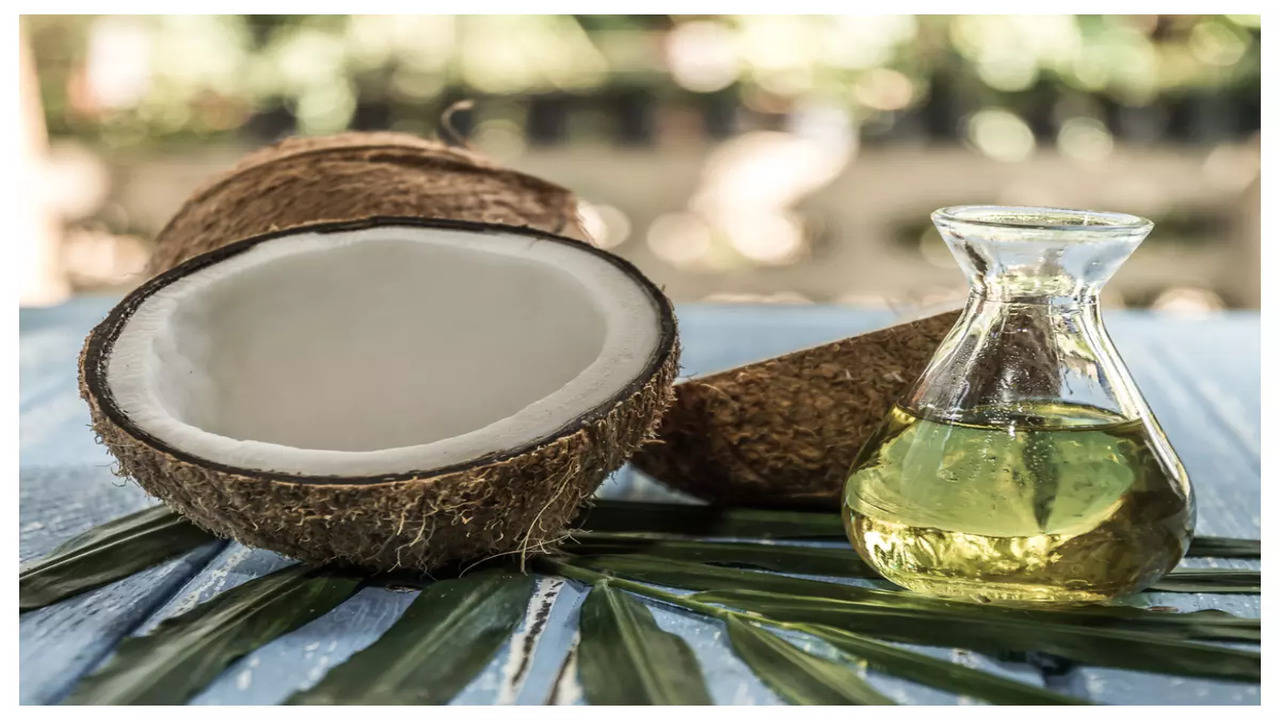
1. The Agronomic Terroir of Coconut Palms and Kernel Lipid Synthesis
Coconut palms (Cocos nucifera) flourish across tropical coastal belts located between 15 degrees North and 15 degrees South of the Equator. The physiological synthesis of saturated fatty acids and phenolic compounds within the developing coconut kernel depends on specific environmental drivers:
┌─────────────────────────────────────────────────────────────────┐
│                 COCONUT PALM TERROIR DRIVERS                    │
├──────────────────┬──────────────────────┬───────────────────────┤
│ High Solar Flux  │  Coastal Mineral Soil│ Consistent Rainfall   │
├──────────────────┼──────────────────────┼───────────────────────┤
│ • 2,000+ Hours/yr│ • Alluvial Silt      │ • 1,500–2,500 mm/yr   │
│ • Full Photosyn  │ • High Potassium (K) │ • Stable Temperature  │
│ • Lipid Synthesis│ • Marine Salt Ions   │ • Zero Drought Stress │
└──────────────────┴──────────────────────┴───────────────────────┘
-
Solar Irradiation: Requires over 2,000 hours of direct annual sunlight to drive photosynthesis and energy conversion into triglycerides within the endosperm.
-
Precipitation Distribution: Stable annual rainfall between 1,500 mm and 2,500 mm supports continuous nut development and prevents kernel abortion.
-
Coastal Soil Mineral Richness: Alluvial silt and volcanic sandy loams rich in potassium (K), sodium (Na), and magnesium (Mg) support high endosperm lipid density and lauric acid formation.
Agronomic research confirms that coastal palms receiving natural marine salt aerosol exposure yield nuts with thick kernels and high medium-chain triglyceride profiles.
2. Harvest Maturity Physics and Endosperm Oil Concentration
The extraction yield and chemical purity of cold pressed coconut oil depend directly on harvesting coconuts at full physiological maturity:
Nut Maturation Cycle (11 to 12 Months)
Coconuts harvested at 7 to 9 months (young green coconuts) feature high liquid water volume but thin, gelatinous, low-fat endosperm. For optimal oil extraction, nuts must remain on the palm for 11 to 12 months until the outer husk turns brown and fibrous. At full maturity, kernel dry-matter fat content reaches its peak of 65% to 68%.
Harvest Timing and Fatty Acid Yield
Harvesting immature nuts yields kernels with lower overall oil content, higher moisture retention, and lower lauric acid percentages. Harvesting fully mature nuts guarantees maximum lauric acid density (48% to 53%) and minimizes moisture-induced hydrolytic degradation during cold extraction.

3. Southeast Asian Processing Hubs: Ben Tre Province in Vietnam’s Mekong Delta
Vietnam’s Ben Tre province, situated in the Mekong Delta, stands as one of Asia’s premier coconut production and processing centers, known internationally as the “Coconut Capital of Vietnam.”
[Mekong River Silt Deposition] ──► [Nutrient-Rich Ben Tre Alluvial Soil]
                                                   │
                                                   ▼
[Optimized Cold Extraction Facilities] ◄── [Thick, High-Fat Mature Kernels]
                 │
                 ▼
[Ultra-Pure, Mild Centrifuged Coconut Oil]
Ben Tre Alluvial Soil Benchmark
Ben Tre benefits from exceptionally fertile alluvial soil continuously deposited by nine branches of the Mekong River system. This nutrient-rich soil nurtures coconut palms that produce heavy nuts with thick, white, high-fat kernels.
Modern Centrifugal Processing Infrastructure
VHB Group operates state-of-the-art origin sourcing networks in Ben Tre equipped with high-speed industrial centrifuges and low-temperature filtration systems. Processing fresh coconuts within hours of harvest preserves a water-clear liquid appearance, ultra-mild fresh cream aroma, and low free fatty acid levels (consistently below 0.10%).
4. Regional Origin Benchmark Comparison Matrix
The following matrix compares key global sourcing origins for cold pressed coconut oil, detailing dominant extraction technologies, typical lauric acid levels, and organoleptic characteristics:
| Sourcing Origin Hub | Primary Extraction Method | Lauric Acid (C12) Range | Organoleptic Aroma & Flavor Profile | Primary Commercial Best-Fit |
| Vietnam (Ben Tre) | Centrifugal Wet Separation | 48.5% to 53.5% | Ultra-mild, fresh cream, light and clean | Luxury Cosmetics & Organic Food |
| Sri Lanka | Low-Temp Hydraulic Pressing | 47.0% to 51.5% | Light nutty aroma, smooth finish | Gourmet Organic Retail & Culinary |
| Philippines (Mindanao) | Centrifugal / Expeller Press | 48.0% to 52.0% | Mild fresh coconut scent | Bulk Organic Food & Softgel Encapsulation |
| Indonesia (Sumatra) | Mechanical Screw Pressing | 46.5% to 51.0% | Warmer, toasted nut aroma | Commercial Bakery & Personal Care |
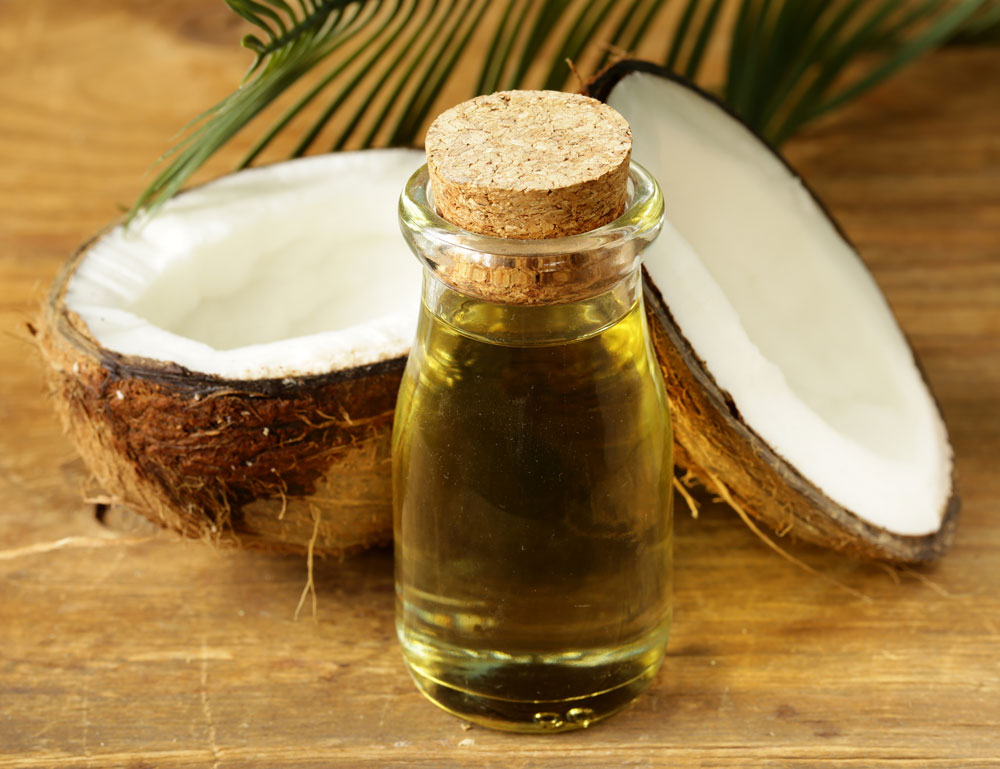
5. EUDR Compliance, Smallholder Farmer Sourcing, and Ethical Traceability
Because coconut farming across Southeast Asia is anchored by millions of smallholder farming families owning small plots (under 2 hectares), establishing supply chain transparency is critical for global market entry.
European Union Deforestation Regulation (EUDR)
Under EUDR mandates, importers bringing coconut products into the European Union must provide precise polygon geolocation coordinates for the farm plots where coconuts were harvested. This data proves that the crop did not cause deforestation or forest degradation after December 31, 2020.
Ethical Smallholder Sourcing Frameworks
VHB Group maintains fair-trade sourcing partnerships with farming cooperatives in Ben Tre. By providing technical training in organic composting, intercropping (combining coconut palms with cocoa or banana plants), and fair floor pricing, VHB Group ensures sustainable land stewardship and guaranteed living incomes for local farming families.
Cold Pressed Coconut Oil Origin FAQ
Disclaimer: Unless otherwise stated, the images used in this article are the property of their respective owners. We do not claim ownership of any third-party images featured, and they are used here strictly for informational and educational purposes. If you are the copyright holder and wish to have an image removed, please contact us.