Evaluating Cinnamon Bark Processing Facts provides essential technical data for spice processors, flavor chemists, food formulators, and quality control managers. Understanding the agronomy, harvesting timing, bark peeling mechanics, drying physics, and essential oil distillation processes of cinnamon bark (Cinnamomum) is critical when evaluating spice purity, volatile oil yield, and grinding performance.
Cinnamon processing transitions raw tree bark into a high-value aromatic spice. The chemical density of cinnamaldehyde, volatile oil percentage, and structural roll density trace directly back to processing decisions made at origin. This technical guide analyzes the agronomic, physical, and chemical facts governing cinnamon bark processing.
Table of Contents
-
Agronomy and Harvesting Maturation Windows
-
Traditional Peeling Mechanics and Inner Bark Separation
-
Drying Physics: Sun Curing vs. Indirect Solar Dehydration
-
Volatile Essential Oil Chemistry and Cinnamaldehyde Density
-
Quality Testing Metrics: VHO, Ash, and Extraneous Matter
-
Frequently Asked Questions (FAQ)
1. Agronomy and Harvesting Maturation Windows
Cinnamon trees (Cinnamomum) are cultivated in tropical forest zones with high rainfall and warm temperatures.
[Cinnamon Tree Cultivation (2-3 Years)] ──► [Coppicing / Cutting Stems]
                                                       │
                                                       ▼
[Seasonal Rain Harvesting Window] ──► [Inner Bark Peeling & Scraping]
                                                       │
                                                       ▼
[Sun Curing & Quill Rolling Phase] ──► [Sorting, Cutting & Packaging]
Coppicing and Stem Harvesting
Cinnamon trees are coppiced (cut back near ground level) after 2 to 3 years of growth. This encourages the root system to shoot up numerous straight, slender vertical stems. Stems are harvested when they reach 2 to 3 meters in height and 2 to 5 cm in diameter.
Harvesting Timing and Moisture Mechanics
Harvesting is scheduled immediately following seasonal rains. Increased sap flow inside the tree during rainy periods loosens the vascular cambium layer, allowing the outer and inner bark to peel effortlessly from the hard wood core without tearing.
2. Traditional Peeling Mechanics and Inner Bark Separation
The conversion of harvested stems into commercial cinnamon bark requires skilled manual labor:
Step 1: Outer Suberous Scraping
Harvesters scrape away the tough, green outer epidermis and corky layer using curved brass or stainless steel knives. Removing the bitter outer bark reveals the aromatic reddish-brown phloem layer (inner bark).
Step 2: Bark Rubbing and Unsheathing
Workers rub the scraped stem with a smooth brass rod to loosen the inner bark from the hardwood core. Longitudinal cuts are made along the stem, allowing the thin inner bark to be peeled off in long, continuous strips.
Step 3: Natural Curling (Quill Formation)
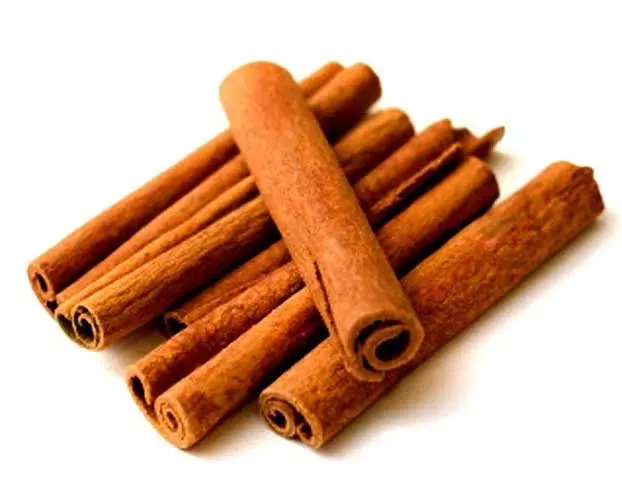
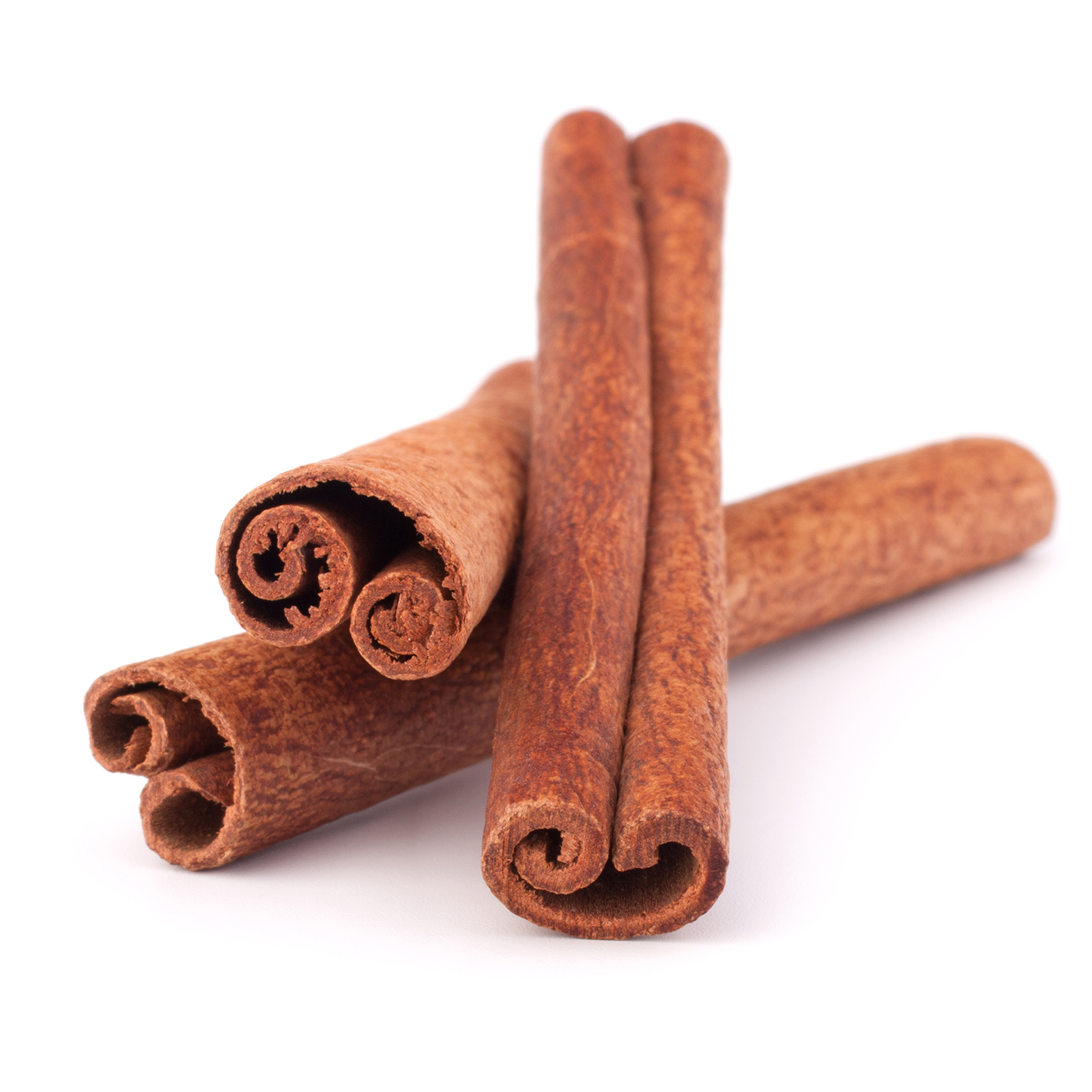
As the thin inner bark strips dry in ambient air, the edges naturally curl inward toward each other, forming tight, double-walled hollow cylinders known as quills or “cigarettes.”
3. Drying Physics: Sun Curing vs. Indirect Solar Dehydration
Drying is the most critical phase governing the preservation of cinnamon’s essential volatile oils.
┌─────────────────────────────────────────────────────────────────┐
│                     CINNAMON DRYING COMPARISON                  │
├──────────────────────────────────┬──────────────────────────────┤
│ Traditional Open Sun Drying      │ Indirect Solar / Hot-Air     │
├──────────────────────────────────┼──────────────────────────────┤
│ • High volatile oil loss (heat)  │ • Preserves volatile oils    │
│ • Dust & insect exposure risk    │ • Zero dust/bird contamination│
│ • Uneven moisture distribution   │ • Controlled moisture (<12%) │
│ • Dark, dull visual color        │ • Bright, golden-brown color │
└──────────────────────────────────┴──────────────────────────────┘
Moisture Loss Mechanics
Freshly peeled cinnamon bark contains 60% to 70% moisture. Drying reduces internal moisture down to 10% to 12% within 3 to 5 days.
Temperature Thresholds (< 40°C)
Drying temperatures must strictly remain below 40°C (104°F). Excessive heat causes the volatile cinnamaldehyde essential oils to evaporate into the atmosphere, significantly lowering the spice’s commercial potency. Indirect solar driers or shade-drying sheds protect bark from direct UV degradation while maintaining continuous airflow.
4. Volatile Essential Oil Chemistry and Cinnamaldehyde Density
The characteristic aroma, taste, and medicinal properties of cinnamon bark stem from its complex volatile essential oils:
Cinnamaldehyde (75% to 90% of Volatile Oil)
The primary active phytochemical in cinnamon bark oil. Cinnamaldehyde delivers the signature sweet, warm, spicy flavor profile and exhibits potent natural antifungal, antibacterial, and antioxidant activity.
Secondary Volatile Phytochemicals
-
Eugenol: Provides sweet, clove-like aromatic notes (present in high concentrations in Ceylon cinnamon).
-
Cinnamyl Acetate: Imparts sweet, floral, and fruity undertones.
-
Caryophyllene: A natural sesquiterpene contributing woody, spicy depth.
5. Quality Testing Metrics: VHO, Ash, and Extraneous Matter
Industrial spice buyers evaluate processed cinnamon bark through standardized laboratory testing:
| Analytical Test Parameter | ASTA / ESA Standard Limit | Laboratory Test Method | Processing Significance |
| Volatile Oil (VHO) | Minimum 1.5% to 4.0% v/w | ASTA Method 5.0 (Distillation) | Verifies spice potency and essential oil yield. |
| Moisture Content | Maximum 12.0% to 13.0% | ASTA Method 2.0 (Entrainment) | Prevents mold growth and bacterial decay during transit. |
| Total Ash Content | Maximum 5.0% | ASTA Method 3.0 | Measures total inorganic mineral matter. |
| Acid-Insoluble Ash | Maximum 1.0% | ASTA Method 4.0 | Measures residual sand, soil, and silica dirt. |
| Extraneous Matter | Maximum 0.5% to 1.0% | Visual Inspection & Air Sieve | Measures freedom from lichens, leaves, and stems. |
Cinnamon Bark Processing Facts FAQ
Disclaimer: Unless otherwise stated, the images used in this article are the property of their respective owners. We do not claim ownership of any third-party images featured, and they are used here strictly for informational and educational purposes. If you are the copyright holder and wish to have an image removed, please contact us.