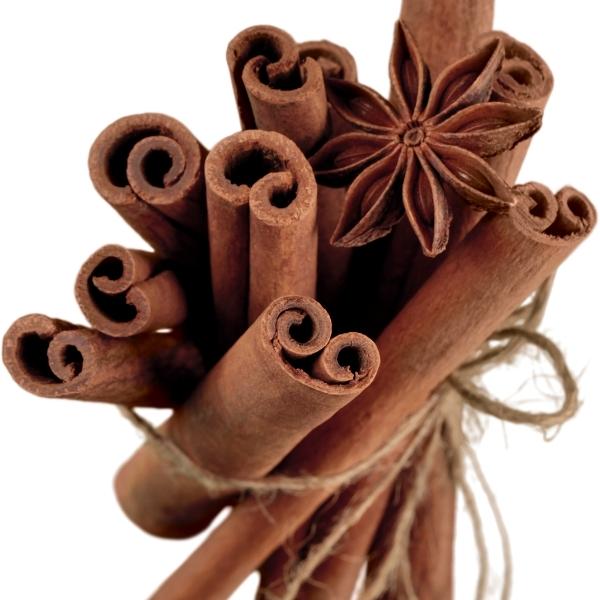
Exploring Cinnamon Bark Regional Origin parameters provides agricultural importers, spice processors, flavor chemists, and retail buyers with deep insights into how regional harvest geography, climate, soil composition, and species selection govern finished spice performance. While all commercial cinnamon shares a warm, spicy sensory profile, significant chemical and physical distinctions exist between Vietnam (Saigon Cassia), Indonesia (Korintje Cassia), China (Chinese Cassia), and Sri Lanka (Ceylon Cinnamon).
Evaluating origin parameters allows procurement directors at VHB Group to secure origin-traceable supply chains, optimize volatile oil potency, and satisfy strict European Union coumarin regulations.
Table of Contents
-
Global Harvest Geography and Species Terroir
-
Vietnam Sourcing Origin: Yen Bai and Quang Nam Saigon Cassia
-
Indonesia Sourcing Origin: Kerinci Korintje Cassia
-
Sri Lanka Sourcing Origin: Ceylon “True” Cinnamon
-
Chemical and Sensory Benchmark Matrix Across Major Origins
-
European Union Coumarin Compliance and EUDR Traceability
-
Frequently Asked Questions (FAQ)
.jpg)
1. Global Harvest Geography and Species Terroir
Cinnamon trees (Cinnamomum) flourish across tropical forest zones in Asia. Soil chemistry, elevation, and regional processing methods determine the spice’s physical structure and volatile oil density:
[Global Cinnamon Origins]
            │
            ├───────────────────────┼───────────────────────┐
            ▼                       ▼                       ▼
   [Vietnam (Saigon)]      [Indonesia (Korintje)]   [Sri Lanka (Ceylon)]
  - C. Loureiroi           - C. Burmannii           - C. Verum
  - Yen Bai / Quang Nam    - Kerinci / Sumatra      - Southern Provinces
  - Highest Volatile Oil   - Smooth, Mild Sweetness - Thin Multi-Layer Quills
  - Intense Sweet-Spicy    - Mass Bakery Standard   - Ultra-Low Coumarin
2. Vietnam Sourcing Origin: Yen Bai and Quang Nam Saigon Cassia
Vietnam is globally recognized for producing Saigon Cinnamon (Cinnamomum Loureiroi), widely considered the most potent and aromatic Cassia variety in world trade.
Yen Bai Mountain Terroir
The mountainous Yen Bai province in Northern Vietnam features rich, moist acidic soils and high annual rainfall. Cinnamon trees cultivated on high-altitude mountain slopes mature slowly, developing thick bark packed with volatile essential oils.
High Volatile Oil Profile (3.0% to 6.0%)
Vietnamese Saigon Cassia exhibits the highest natural volatile oil content in the global trade, testing between 3.0% and 6.0% v/w. It delivers an intense, pungent, sweet-spicy flavor profile prized by commercial bakeries and premium retail brands.
3. Indonesia Sourcing Origin: Kerinci Korintje Cassia
Indonesia is the world’s largest volume exporter of Cassia cinnamon, dominated by Korintje Cassia (Cinnamomum Burmannii).
Kerinci Valley Terroir
Cultivated primarily around Mount Kerinci in Sumatra. The volcanic soil surrounding the volcano nurtures vast cinnamon forests.
Smooth, Balanced Profile (1.5% to 3.0% VHO)
Korintje cinnamon provides a smooth, mild, sweet flavor profile with lower astringency than Saigon cinnamon. It serves as the standard commercial grinding spice for mass-market food processing in North America.
.jpg)
4. Sri Lanka Sourcing Origin: Ceylon “True” Cinnamon
Sri Lanka holds a near-monopoly on the production of Ceylon Cinnamon (Cinnamomum Verum or Zeylanicum).
Multi-Layer Soft Quill Structure
Unlike thick Cassia bark, Ceylon cinnamon is peeled in paper-thin inner layers and hand-stuffed into soft, multi-layered golden-brown quills resembling cigars.
Ultra-Low Coumarin (< 20 ppm)
Ceylon cinnamon contains only trace levels of coumarin (below 0.004%), making it the required species for European food manufacturers subject to strict statutory coumarin limits.
5. Chemical and Sensory Benchmark Matrix Across Major Origins
The following matrix compares primary commercial cinnamon origins:
| Sourcing Origin | Botanical Species | Typical Volatile Oil (VHO) | Coumarin Content Range | Primary Sensory Profile & Best-Fit Application |
| Vietnam (Yen Bai) | C. Loureiroi (Saigon) | 3.0% to 6.0% v/w | High (2,000 – 6,000 ppm) | Intense, spicy-sweet, highly aromatic; ideal for premium baking & extraction. |
| Indonesia (Kerinci) | C. Burmannii (Korintje) | 1.5% to 3.5% v/w | Moderate (1,000 – 3,500 ppm) | Smooth, mild, balanced sweetness; ideal for mass commercial spice grinding. |
| Sri Lanka | C. Verum (Ceylon) | 1.0% to 2.5% v/w | Ultra-Low (< 20 ppm) | Delicate, sweet, floral, citrus notes; ideal for EU compliance & supplements. |
| China (Guangdong) | C. Cassia (Chinese) | 1.5% to 2.5% v/w | High (2,000 – 7,000 ppm) | Pungent, slightly bitter, pungent; ideal for pharmaceutical extraction. |
.jpg)
6. European Union Coumarin Compliance and EUDR Traceability
Navigating international Cinnamon Bark Regional Origin trade requires verifying origin compliance:
EU Coumarin Statutory Regulations
European Regulation (EC) No 1334/2008 sets maximum legal coumarin limits in finished foods (e.g., 50 mg/kg in traditional seasonal bakery products). Importers supplying European industrial bakeries frequently blend Ceylon cinnamon or source low-coumarin origin lots to ensure finished food compliance.
EUDR Polygon Geolocation Traceability
Under the European Union Deforestation Regulation (EUDR), importers bringing cinnamon bark into Europe must provide precise GPS geolocation coordinates for farm plots where the bark was harvested, proving production did not cause deforestation after December 31, 2020. VHB Group maintains full GPS farm mapping across partner cooperatives in Yen Bai, Vietnam.
Cinnamon Bark Regional Origin FAQ
Disclaimer: Unless otherwise stated, the images used in this article are the property of their respective owners. We do not claim ownership of any third-party images featured, and they are used here strictly for informational and educational purposes. If you are the copyright holder and wish to have an image removed, please contact us.