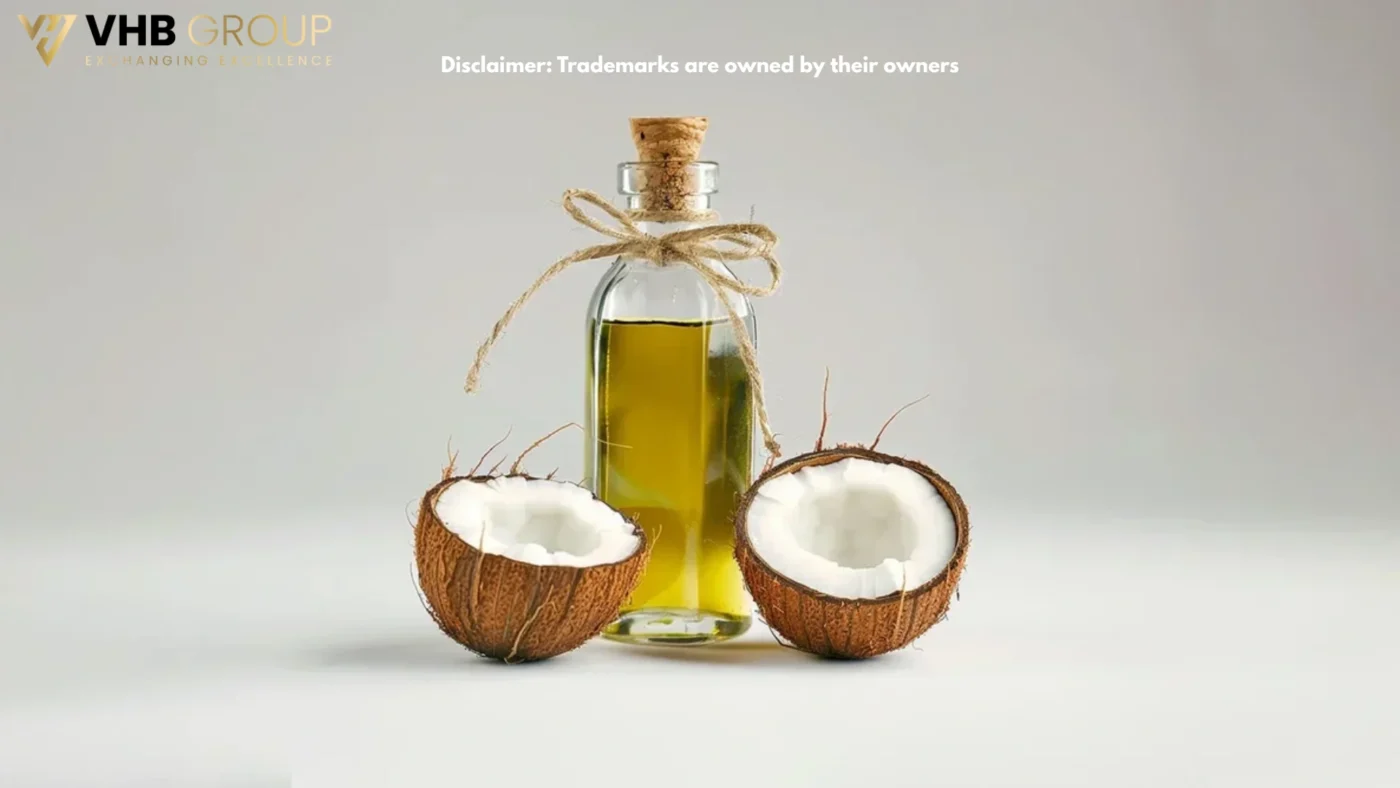
Evaluating Fractionated Coconut Oil Facts provides essential technical data for cosmetic formulators, pharmaceutical chemists, nutraceutical product developers, and B2B procurement officers. Understanding the fatty acid chemistry, physical properties, oxidative stability, and nutritional absorption mechanics of Fractionated Coconut Oil (MCT Oil) is critical when specifying raw materials for commercial manufacturing.
Fractionated coconut oil represents one of the world’s most stable, low-viscosity plant lipids. Its unique Caprylic Acid (C8) and Capric Acid (C10) medium-chain triglyceride structure sets it apart from both solid coconut fat and traditional liquid seed oils like sunflower or soybean oil. This technical guide analyzes the physical, chemical, and functional facts governing fractionated coconut oil performance in industrial settings.
Table of Contents
-
The Molecular Chemistry of Caprylic and Capric Triglycerides
-
Liquid Stability Physics: Why Fractionated Oil Does Not Solidify at 24°C
-
Viscosity, Skin Absorption, and Comedogenic Rating
-
Metabolic Pathway Science: MCT Absorption vs. Long-Chain Fats
-
Comparative Technical Specifications Matrix
-
Frequently Asked Questions (FAQ)
1. The Molecular Chemistry of Caprylic and Capric Triglycerides
Fractionated coconut oil is composed almost entirely of Medium-Chain Triglycerides (MCTs) created by esterifying glycerol with isolated medium-chain fatty acids.
[Glycerol Backbone]
       │
       ├── Caprylic Acid (C8:0)  ──► 8-Carbon Chain (55% - 65%)
       ├── Capric Acid (C10:0)    ──► 10-Carbon Chain (35% - 45%)
       └── Caprylic/Capric Acid   ──► Zero Double Bonds ($C-C$)
Caprylic Acid (C8:0)
An 8-carbon saturated fatty acid. Caprylic acid provides rapid metabolic absorption, low viscosity, and natural antimicrobial activity against skin microflora.
Capric Acid (C10:0)
A 10-carbon saturated fatty acid. Capric acid contributes structural stability, smooth spreadability, and skin barrier hydration.
Removal of Lauric Acid (C12:0)
Unfractionated coconut oil contains approximately 50% lauric acid (C12:0). Although lauric acid is technically classified as a medium-chain fatty acid, its 12-carbon chain behaves biologically and physically like a long-chain fat, possessing a melting point of 44°C (111°F). Removing lauric acid is the key step that keeps fractionated oil liquid.
2. Liquid Stability Physics: Why Fractionated Oil Does Not Solidify at 24°C
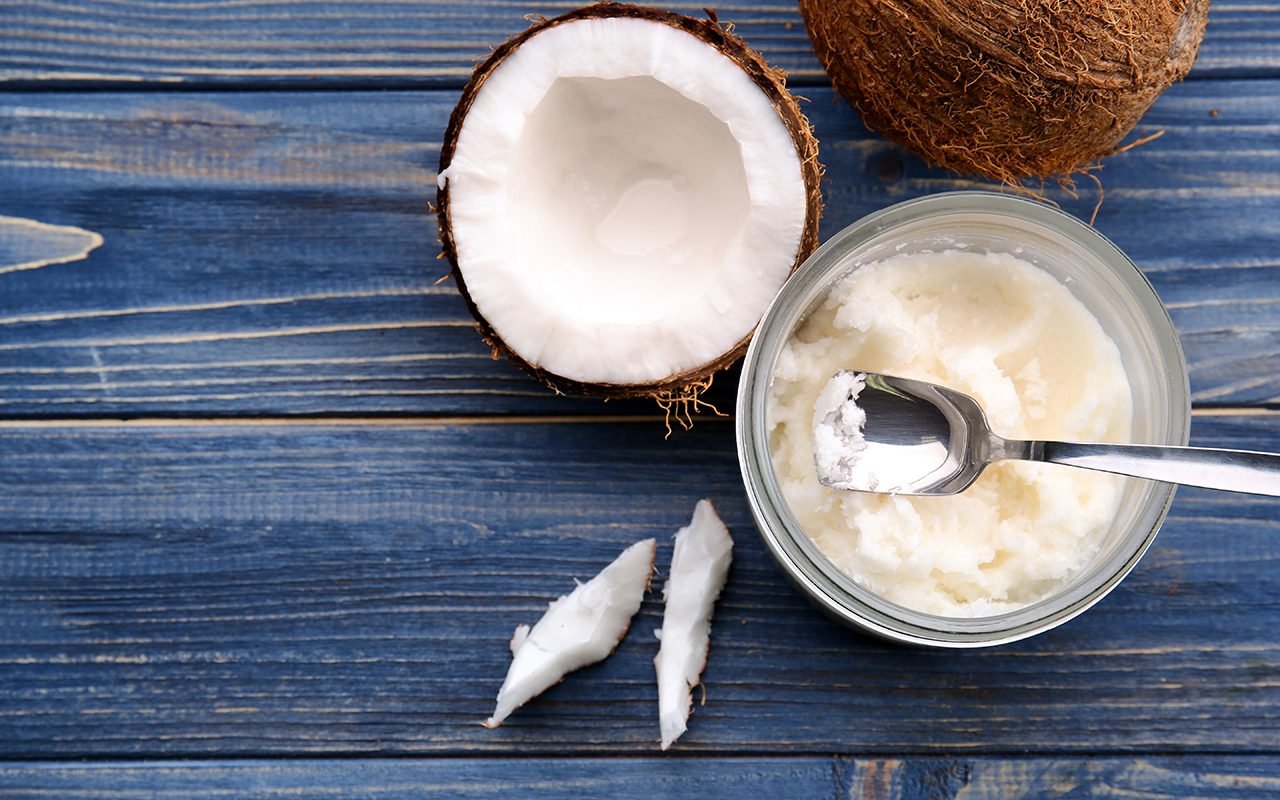
Regular coconut oil solidifies at 24°C (75°F) because its long-chain saturated fatty acids (lauric, myristic, palmitic) stack tightly into crystalline structures.
By removing all 12-to-18-carbon fatty acids during vacuum fractionation, the remaining C8 and C10 triglycerides possess shorter, flexible molecular configurations. These medium-chain triglycerides cannot pack into solid crystal lattices at room temperature. As a result, fractionated coconut oil maintains a clear, liquid state down to 0°C (32°F) and exhibits a pour point below -5°C (23°F).
3. Viscosity, Skin Absorption, and Comedogenic Rating
In cosmetic and dermatological applications, fractionated coconut oil offers superior functional performance compared to unrefined vegetable oils:
-
Low Kinematic Viscosity (25 – 33 mPa·s): Spreads effortlessly across large skin surface areas without drag, making it preferred by professional massage therapists.
-
Rapid Dermal Absorption: Absorbs into the stratum corneum within seconds, leaving a soft, satin skin finish without a greasy film.
-
Comedogenic Rating 2 (Non-Clogging): Unrefined coconut oil has a high comedogenic rating of 4 (likely to clog pores due to heavy lauric/myristic fats). Fractionated coconut oil drops to a low comedogenic rating of 2, making it safe for leave-on facial skincare formulations.
4. Metabolic Pathway Science: MCT Absorption vs. Long-Chain Fats
In nutraceutical and pharmaceutical applications, C8/C10 fractionated oil provides a unique metabolic profile:
[Long-Chain Triglycerides (LCTs)] ──► Lymphatic System ──► Fat Storage

[Medium-Chain Triglycerides (MCTs)]──► Portal Vein ──► Liver ──► Rapid Ketone Energy
-
Direct Hepatic Transport: Long-chain fats require bile salts and pancreatic lipase to be digested into chylomicrons and transported through the lymphatic system. C8/C10 MCTs are absorbed directly into the portal vein and routed straight to the liver.
-
Rapid Ketone Generation: In the liver, C8 and C10 fatty acids undergo rapid beta-oxidation, converting into ketone bodies that provide immediate cellular energy for the brain and muscles without requiring insulin.
5. Comparative Technical Specifications Matrix
The following table outlines core technical specifications evaluated during quality control testing at VHB Group laboratories:
| Technical Parameter | Standard Specification | Test Method | Functional Industrial Impact |
| Caprylic Acid (C8:0) | 55.0% to 70.0% | AOCS Ce 1-62 (GC) | Governs energy absorption speed and liquid clarity. |
| Capric Acid (C10:0) | 30.0% to 45.0% | AOCS Ce 1-62 (GC) | Provides structural balance and moisturizing body. |
| Refractive Index (20°C) | 1.448 to 1.451 | AOCS Cc 7-25 | Optical purity benchmark for clear cosmetic products. |
| Iodine Value (IV) | Maximum 0.5 g I2 / 100g | AOCS Cd 1-25 | Confirms zero double bonds and extreme oxidation resistance. |
| Saponification Value | 325 to 345 mg KOH/g | AOCS Cd 3-25 | High value reflects short/medium carbon chain length. |
Fractionated Coconut Oil Facts FAQ
Disclaimer: Unless otherwise stated, the images used in this article are the property of their respective owners. We do not claim ownership of any third-party images featured, and they are used here strictly for informational and educational purposes. If you are the copyright holder and wish to have an image removed, please contact us.