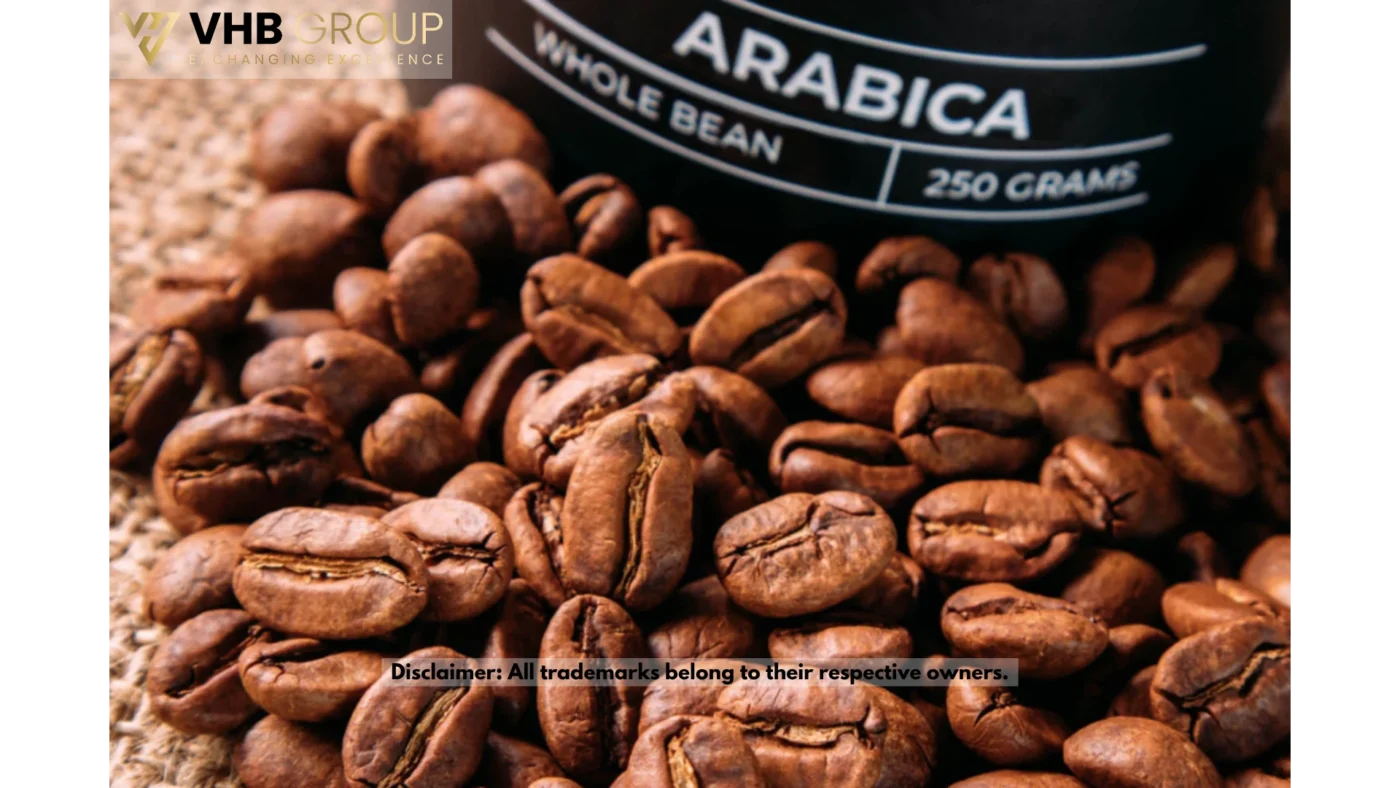
Sourcing Arabica Coffee Beans Wholesale Bulk Supply inventory provides international specialty coffee roasters, premium café networks, specialized grocery distributors, and agricultural trading partners with a high-value, premium revenue engine in the global coffee sector. Cultivated heavily in high-altitude regions globally, including the renowned Da Lat highlands in Vietnam, Arabica (Coffea arabica) is globally renowned for its delicate, complex, and highly aromatic flavor profile, distinguishing it as the gold standard of the specialty coffee market.
For B2B procurement managers and supply chain directors working with global roasting partners, managing full container load (FCL) consignments of wholesale green Arabica requires carefully evaluating processing methods (Washed vs. Natural), specific packaging configurations (GrainPro vs. Vacuum sealed), ocean container moisture controls, and international phytosanitary clearance protocols. This technical guide evaluates the operational, financial, and logistical frameworks necessary to establish a highly profitable import and distribution model for this globally demanded premium commodity.
Table of Contents
-
Global Market Demand for Premium Arabica Green Beans
-
Product Portfolio and Processing Breakdown
-
Agricultural Chemistry and Roasting Profile for Arabica Coffee Beans Wholesale Bulk Supply
-
Packaging Configurations and Freight Density
-
B2B Sourcing Pathways
-
Landed Cost and Gross Margin Calculation Framework
-
Import Compliance, Harmonized System Codes, and Customs Documentation
-
Conclusion
Global Market Demand for Premium Arabica Green Beans
The global premium coffee market relies fundamentally on Arabica to provide the floral, fruity, and highly acidic notes that modern consumers crave. This delicate bean commands a premium market share globally and offers massive export potential due to the explosive growth of the “Third Wave” specialty coffee movement across North America, Europe, and Asia.
Growth Drivers in the Market
The exponential growth in the global specialty coffee sector is heavily driven by shifting consumer palates toward single-origin, traceable, and highly nuanced beverages. Consumers consistently pivot toward lighter roasts that highlight the bean’s natural terroir. Arabica’s smooth, complex flavor profile appeals to premium café-goers and serves as a highly versatile base for cold brews and pour-over extractions.
Commercial Advantages
Adding bulk Arabica to a B2B distribution catalog or roasting operation delivers distinct commercial advantages:
-
Premium Retail Positioning: Arabica commands significantly higher retail prices than other botanical variants, allowing roasters to aggressively market premium single-origin lines.
-
Flavor Complexity: The high lipid and sugar content produces incredibly complex aromatic compounds during the Maillard reaction, an absolute requirement for specialty grade scoring.
-
High-Margin Roasting: Because the specialty supply chain values traceability and cup quality, roasters can achieve massive gross profit margins per pound once the beans are processed and packaged for retail.
Product Portfolio and Processing Breakdown
Curating an optimal inventory mix requires selecting the right combination of processing methods tailored to target roasting requirements and consumer demographics.
Core Processing SKUs
When structuring a container load, the agricultural processing method forms the foundation of the flavor profile:
-
Fully Washed Arabica: The premium standard format. The cherry fruit is completely removed before drying, resulting in a highly clean, bright, and acidic cup profile.
-
Natural (Dry Processed) Arabica: The cherries are dried whole, allowing the bean to absorb massive amounts of fruit sugars. This yields a heavy-bodied, intensely fruity, and sweet flavor profile.
-
Honey Processed: A hybrid method where some of the sticky fruit mucilage is left on the bean during drying, offering a perfect balance of sweetness and clarity.
Agricultural Chemistry and Roasting Profile for Arabica Coffee Beans Wholesale Bulk Supply
The formulation found in these Arabica Coffee Beans Wholesale Bulk Supply products achieves its signature brisk acidity and sweet complexity through unique botanical chemistry.
The Botanical Difference
Arabica contains roughly half the caffeine of Robusta (roughly 1.2% to 1.5%) but possesses nearly double the concentration of natural sugars and roughly 60% more lipids. This chemical composition translates into a highly sweet, smooth, and nuanced flavor profile. During the roasting process, the high sugar content caramelizes beautifully, allowing for exquisite light-to-medium roasts that highlight floral and fruity esters rather than heavy ash.
Packaging Configurations and Freight Density
When managing ocean shipments of premium green coffee, physical logistics and moisture control heavily dictate profitability and cup quality. Products are packaged in premium hermetic sacks or vacuum boxes, consolidated, and palletized to withstand rigorous maritime transit.
Ocean Payload Yields
Understanding the exact packing specifications is critical for calculating freight costs:
| Packaging SKU Format | Standard Fill Volume | Moisture Barrier | Container Payload (20ft FCL) | Primary Distribution Channel |
| GrainPro Jute Bag | 60kg | High (Hermetic) | ~19.2 Metric Tons (320 Bags) | Commercial Premium Roasters |
| Vacuum Sealed Carton | 15-30kg | Maximum | ~15 Metric Tons | High-End Specialty Roasters |
| Traditional Jute | 60kg | Low | ~19.2 Metric Tons | Standard Blend Roasters |
B2B Sourcing Pathways
Commercial buyers access wholesale inventory through two primary procurement channels, depending on their capital flexibility and cup-score requirements.
Export Consolidator Options
Independent roasters and agile import firms typically source via specialty agricultural consolidators operating out of major high-altitude hubs. Consolidators offer highly flexible volumes and valuable single-origin traceability, handling all complex export logistics, specialty certifications (like Fair Trade or Organic), and port-of-loading transfers on behalf of the buyer.
Landed Cost and Gross Margin Calculation Framework
Procurement teams must accurately forecast their financials before executing a purchase order. Calculating net landed unit costs involves applying a structured, multi-step financial calculation process.
Step-by-Step Financial Breakdown
-
Step 1: Calculate Ocean Freight Charges + Origin Port Fees + Import Customs Duties + Marine Cargo Insurance + Local Destination Drayage.
-
Step 2: Add the Total Shipping Overhead to the Free On Board (FOB) Purchase Price per Metric Ton (which varies heavily based on the cupping score).
-
Step 3: Divide the Total Landed Cost by the roasted yield (factoring in the standard 15-20% weight loss during roasting) to find the true cost of goods sold (COGS).

Import Compliance, Harmonized System Codes, and Customs Documentation
Clearing agricultural imports through international customs is a highly regulated process to prevent pest contamination. Securing your shipments requires flawless documentation verified by accredited origin testing laboratories.
Essential Export Documentation Suite
-
Commercial Shipping Documents: Master Bill of Lading (B/L), Commercial Invoice, Detailed Packing List, and a Certificate of Origin (COO).
-
Phytosanitary Certificate: Mandatory for all green coffee imports, proving the shipment has been fumigated and is free from agricultural pests.
-
Harmonized System Classification: For customs declaration, green unroasted coffee is universally classified under HS Code 0901.11 (Coffee, not roasted, not decaffeinated).
Conclusion
Mastering the procurement of premium bulk green Arabica is the definitive key to unlocking massive retail margins in the specialty coffee sector. From the delicate extraction of bright fruit notes to the precision roasting of single-origin batches, every single element of this commodity is designed to deliver a premium, highly nuanced experience. For international distributors and specialty roasters, stocking this authentic agricultural product guarantees access to a highly loyal, quality-focused consumer base. Contact your preferred procurement partner today to secure your wholesale allocation of Arabica Coffee Beans Wholesale Bulk Supply and optimize your roasting operations.
Wholesale Arabica Coffee FAQ
Disclaimer: Unless otherwise stated, the images used in this article are the property of their respective owners. We do not claim ownership of any third-party images featured, and they are used here strictly for informational and educational purposes. If you are the copyright holder and wish to have an image removed, please contact us.