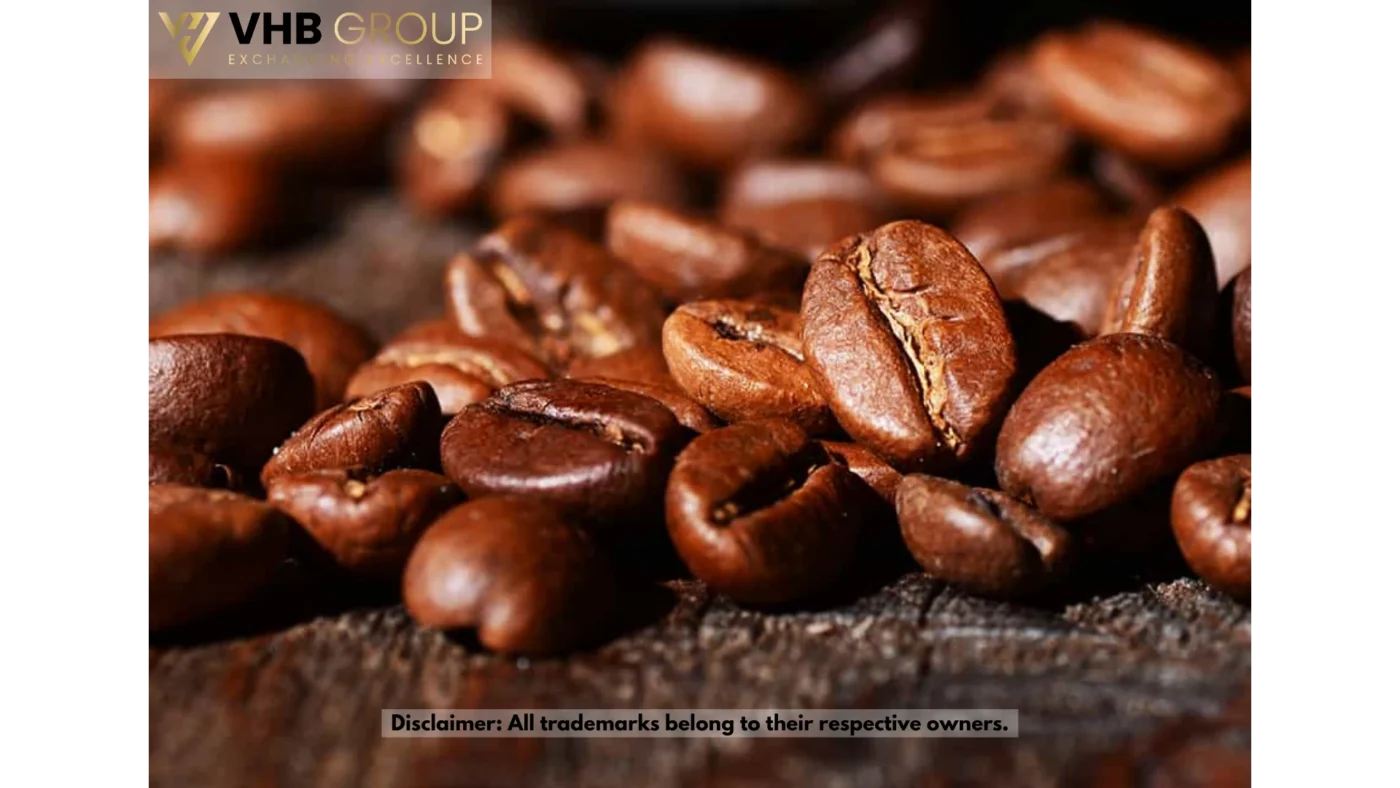
Understanding the exact Arabica Coffee Beans Flavor Profile & Facts is absolutely essential for specialty coffee roasters, international green bean buyers, and premium café operators who want to comprehend why this specific botanical variant is the undisputed gold standard in the global coffee market. Unlike the heavy, bitter profile of Robusta, this delicate crop is meticulously cultivated in high-altitude microclimates to provide a bright, sweet richness and complex aromatics that directly appeal to modern international consumer palates.
For international procurement teams and supply chain managers looking to capitalize on this immense global demand, reviewing the operational logistics of Arabica Coffee Beans Wholesale Bulk Supply is the mandatory next strategic step. However, before investing in premium container loads, buyers must fully understand the chemical, nutritional, and agricultural components that make this green bean a high-velocity commodity across the “Third Wave” specialty roasting sector.
Table of Contents
-
Core Botanical Profile and Characteristics
-
The Altitude and Climate Requirements
-
Flavor Profile: Essential Arabica Coffee Beans Flavor Profile & Facts
-
Chemical Breakdown and Extraction Synergy
-
Conclusion
Core Botanical Profile and Characteristics
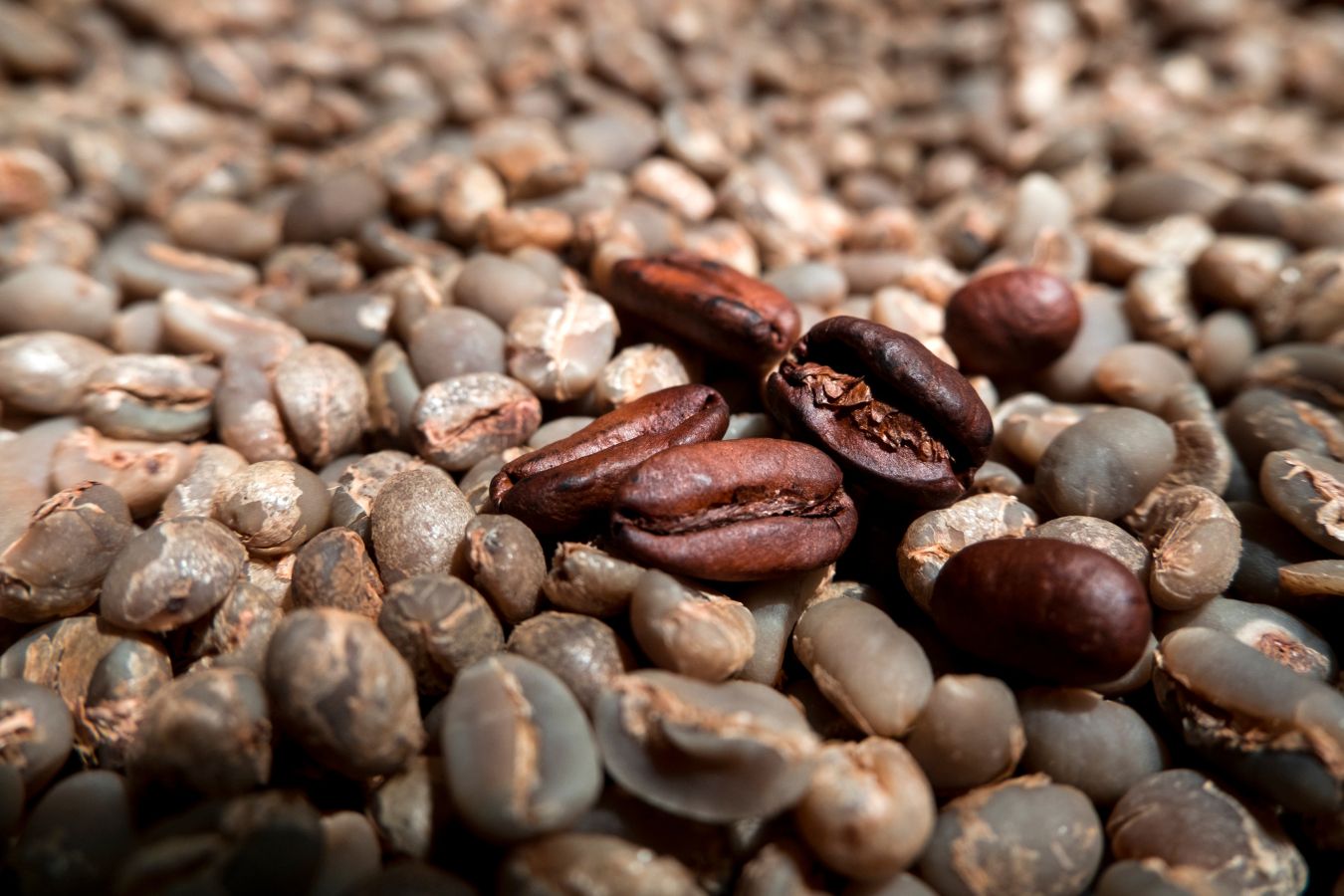
When analyzing the massive commercial success of this globally traded commodity, the primary differentiator lies in the precise, delicate genetics of the Coffea arabica plant.
Unlike Robusta plants that are highly resilient, Arabica is a fragile, highly susceptible botanical that requires meticulous agricultural care. The bean developed a naturally low caffeine content and a massive concentration of complex sugars and lipids. This requires the plant to be grown in highly specific conditions to thrive, keeping the global supply chain incredibly specialized and dictating a massive price premium over commercial-grade coffees.
The Altitude and Climate Requirements
A critical element within the agricultural profile is the crop’s unique geographical cultivation requirements, heavily focused in high-altitude regions of South America, Central America, East Africa, and specifically the Da Lat highlands in Vietnam.
Arabica demands high altitudes (typically 1,000 to 2,000 meters above sea level) and cool, temperate climates. It requires cold nights and warm days, which drastically slows down the maturation of the coffee cherry. This prolonged growing cycle forces the bean to absorb massive amounts of nutrients and sugars from the soil, which directly translates to the incredibly complex, sweet cup profile relied upon by the world’s finest specialty roasters.
 Flavor Profile: Essential Arabica Coffee Beans Flavor Profile & Facts
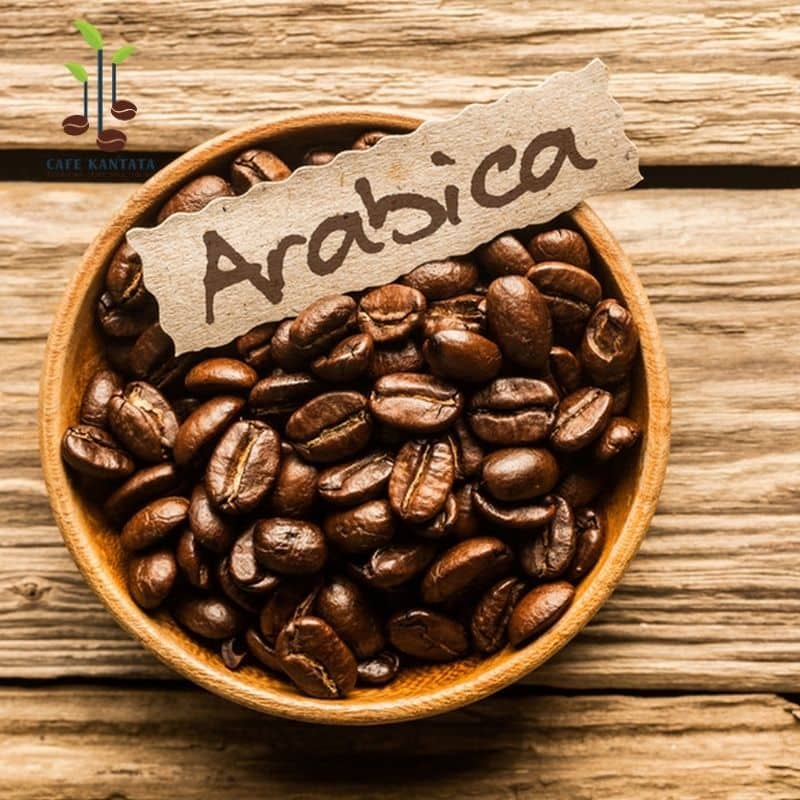
The most distinctive physical characteristic of the bean upon roasting is its bright, highly aromatic flavor profile which dances on the palate.
Balancing Acidity and Sweetness
The high-quality Arabica beans provide an incredibly clean, vibrant cup due to their unique lipid and sugar composition. The Arabica Coffee Beans Flavor Profile & Facts matrix is heavily characterized by floral, fruity, citrus, and berry notes, accompanied by a highly desirable, crisp acidity. This high acidity is not “sourness,” but rather a bright, sparkling quality similar to fine wine. It makes Arabica the absolute perfect choice for delicate pour-over extractions and light-roasted single-origin offerings that celebrate the bean’s natural terroir.
Chemical Breakdown and Extraction Synergy
To fully grasp the commercial appeal, extraction facilities and roasters must analyze the macro-chemical profile. The bean is carefully calibrated by nature for optimal flavor complexity rather than raw stimulation.
| Chemical Component | Content vs. Robusta | Primary Function in the Roasting Blend |
| Caffeine | ~1.2% (Nearly Half) | Provides mild stimulation without severe bitterness. |
| Chlorogenic Acid | ~6% (Lower) | Reduces astringency, allowing sweet notes to shine. |
| Lipids (Fats) | ~16% (Significantly Higher) | Acts as the carrier for volatile aromatic flavor esters. |
| Sugars | ~8% (Nearly Double) | Caramelizes beautifully, driving sweetness and body. |
Conclusion
Mastering the foundational botanical facts is the definitive key to understanding its unstoppable global commercial velocity in the specialty sector. From the delicate extraction of bright fruit esters to the precision mechanics of light-roasting for pour-over cafes, every single element of this crop is designed to deliver a premium, highly nuanced experience. For international distributors and specialty roasters, stocking this authentic green bean guarantees access to a highly profitable, quality-focused supply chain. Contact your preferred procurement partner today to secure your wholesale agricultural allocation.
Arabica Flavor & Facts FAQ
Disclaimer: Unless otherwise stated, the images used in this article are the property of their respective owners. We do not claim ownership of any third-party images featured, and they are used here strictly for informational and educational purposes. If you are the copyright holder and wish to have an image removed, please contact us.