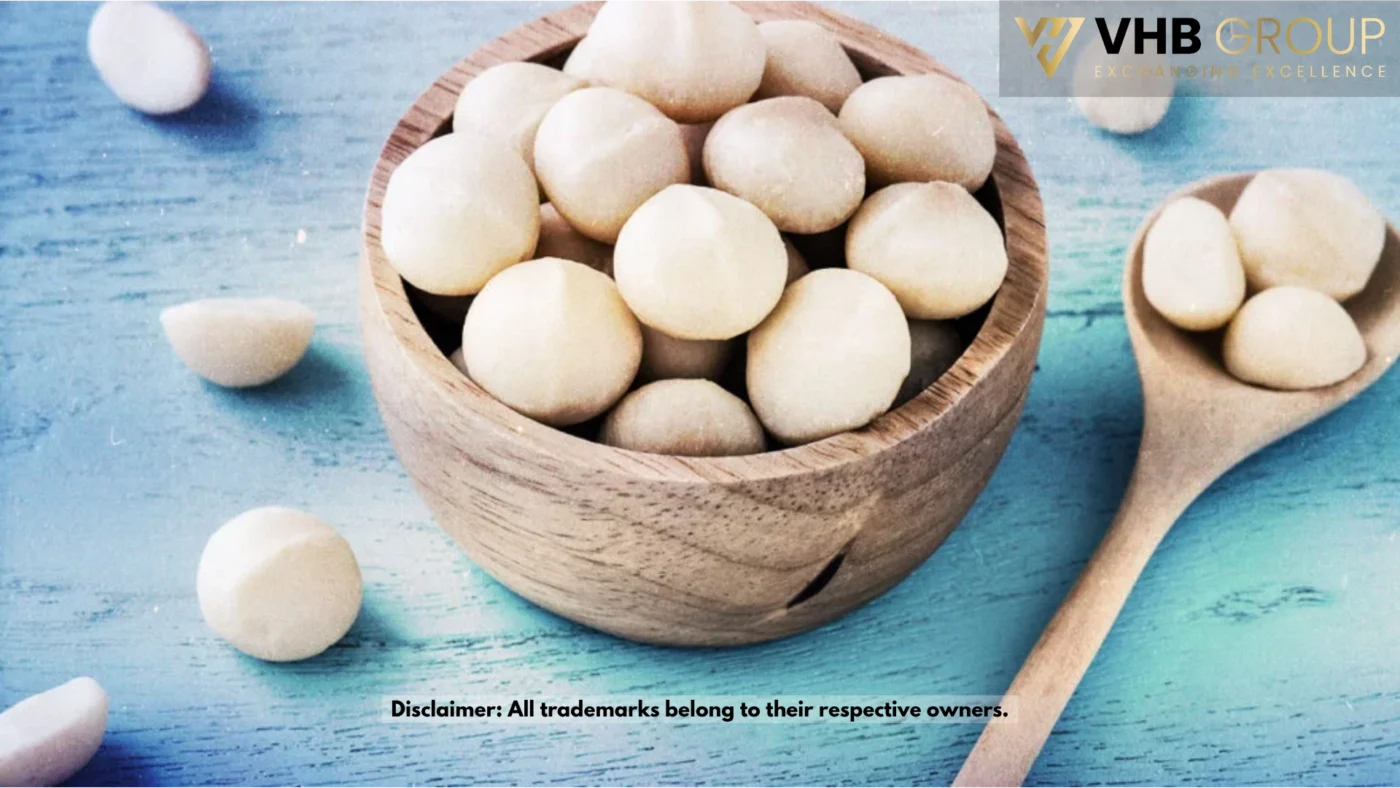
Understanding the exact Macadamia Nuts In Shell Nutrition Facts is absolutely essential for commercial nut roasters, international retail buyers, and health-focused food manufacturers who want to comprehend why this specific botanical variant dictates the premium shelf placement of high-end nut assortments. Unlike peanuts or almonds, the macadamia kernel is meticulously protected by its incredibly hard shell to preserve a distinctly unique, high-fat, low-carbohydrate nutritional profile that directly appeals to modern dietary trends like Keto and Paleo.
For international procurement teams and supply chain managers looking to capitalize on this immense global demand, reviewing the operational logistics of the Macadamia Nuts In Shell Bulk Wholesale Line is the mandatory next strategic step. However, before investing in bulk container loads, buyers must fully understand the chemical, nutritional, and agricultural components that make this specific nut a high-velocity commodity across premium health-food manufacturing sectors.
Table of Contents
-
Core Botanical Profile and Characteristics
-
The Natural Shell Vault
-
Nutritional Profile: Essential Macadamia Nuts In Shell Nutrition Facts
-
Fat Breakdown and Health Synergy
-
Conclusion
Core Botanical Profile and Characteristics
When analyzing the massive commercial success of this globally traded commodity, the primary differentiator lies in the precise, nutrient-dense development of the Macadamia integrifolia and Macadamia tetraphylla trees.
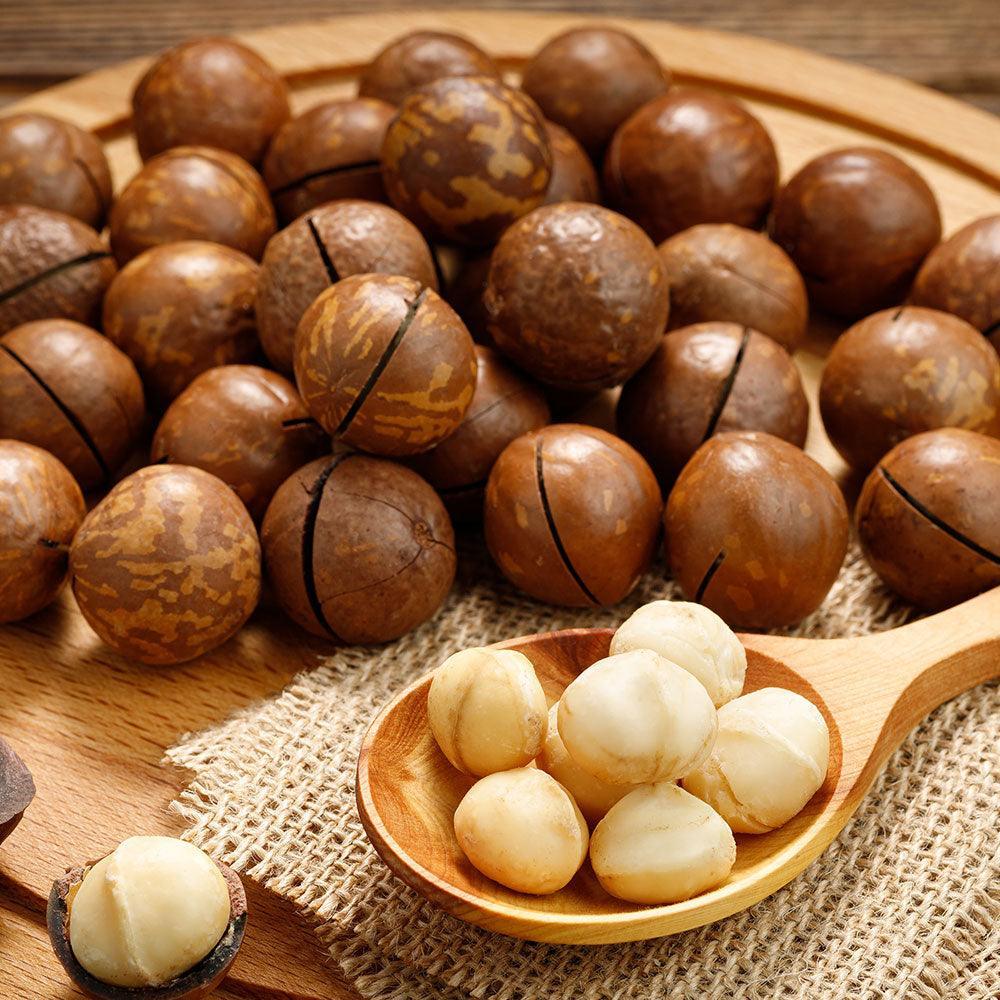
The macadamia is globally recognized for having the hardest shell of any commercially cultivated nut. It requires 300 pounds of pressure per square inch to crack. Inside this iron-like exterior lies a perfectly round, buttery, ivory-colored kernel. Because the nut requires an immense amount of energy from the tree to produce its high oil content, macadamias are incredibly nutrient-dense, forming the absolute pinnacle of premium snacking.
The Natural Shell Vault
A critical element within the agricultural profile is the crop’s unique mechanical protection provided by the shell itself.
Macadamia oil is highly susceptible to oxidation (rancidity) when exposed to oxygen, light, and heat. By purchasing and transporting the Nut In Shell (NIS), commercial roasters utilize nature’s perfect packaging. The shell acts as an absolute hermetic seal, locking in the incredibly delicate monounsaturated fats. This processing method guarantees that the nut remains as fresh as the day it was harvested until the exact moment it is mechanically cracked in the destination facility.
Nutritional Profile: Essential Macadamia Nuts In Shell Nutrition Facts
The most distinctive physical characteristic of the kernel upon cracking is its prominent, buttery texture which enhances rich snack mixes instantly while delivering a massive payload of dietary energy.
Balancing Monounsaturated Fats and Low Carbs
Because the product is 100% natural, the Macadamia Nuts In Shell Nutrition Facts matrix is heavily characterized by its extreme lipid density. The kernel boasts the highest fat content (roughly 75%) and lowest carbohydrate and protein content of any popular tree nut. This specific macro-nutrient ratio makes it the absolute holy grail for ketogenic (keto) and low-carb diets, providing immense, sustained caloric energy without spiking blood sugar.
Fat Breakdown and Health Synergy
To fully grasp the commercial appeal, extraction facilities and health-food brands must analyze the macro-chemical profile. The kernel is carefully calibrated by nature for optimal nutrient density.
| Nutritional Component | Content per 100g (Approx.) | Primary Function in Diet & Culinary Use |
| Total Fat Content | ~75g | The primary driver of the buttery flavor and rich mouthfeel. |
| Monounsaturated Fat | ~60g | Extremely high in Oleic acid, promoting heart health and reducing bad cholesterol. |
| Omega-7 (Palmitoleic Acid) | Rare Component | Supports skin health and metabolic function. Macadamias are the richest natural source. |
| Carbohydrates | ~14g (High Fiber) | Extremely low net carbs, making it the perfect keto-friendly ingredient. |
Conclusion
Mastering the foundational botanical facts is the definitive key to understanding its unstoppable global commercial velocity in premium health-food markets. From the careful management of natural monounsaturated lipid yields to the precision mechanics of its protective shell, every single element of this crop is designed to deliver a refined, highly functional experience. For international distributors and commercial roasters, stocking this authentic agricultural product guarantees access to a highly profitable supply chain. Contact your procurement partner today to secure your wholesale agricultural allocation.
Macadamia Nutrition Facts FAQ
Disclaimer: Unless otherwise stated, the images used in this article are the property of their respective owners. We do not claim ownership of any third-party images featured, and they are used here strictly for informational and educational purposes. If you are the copyright holder and wish to have an image removed, please contact us.