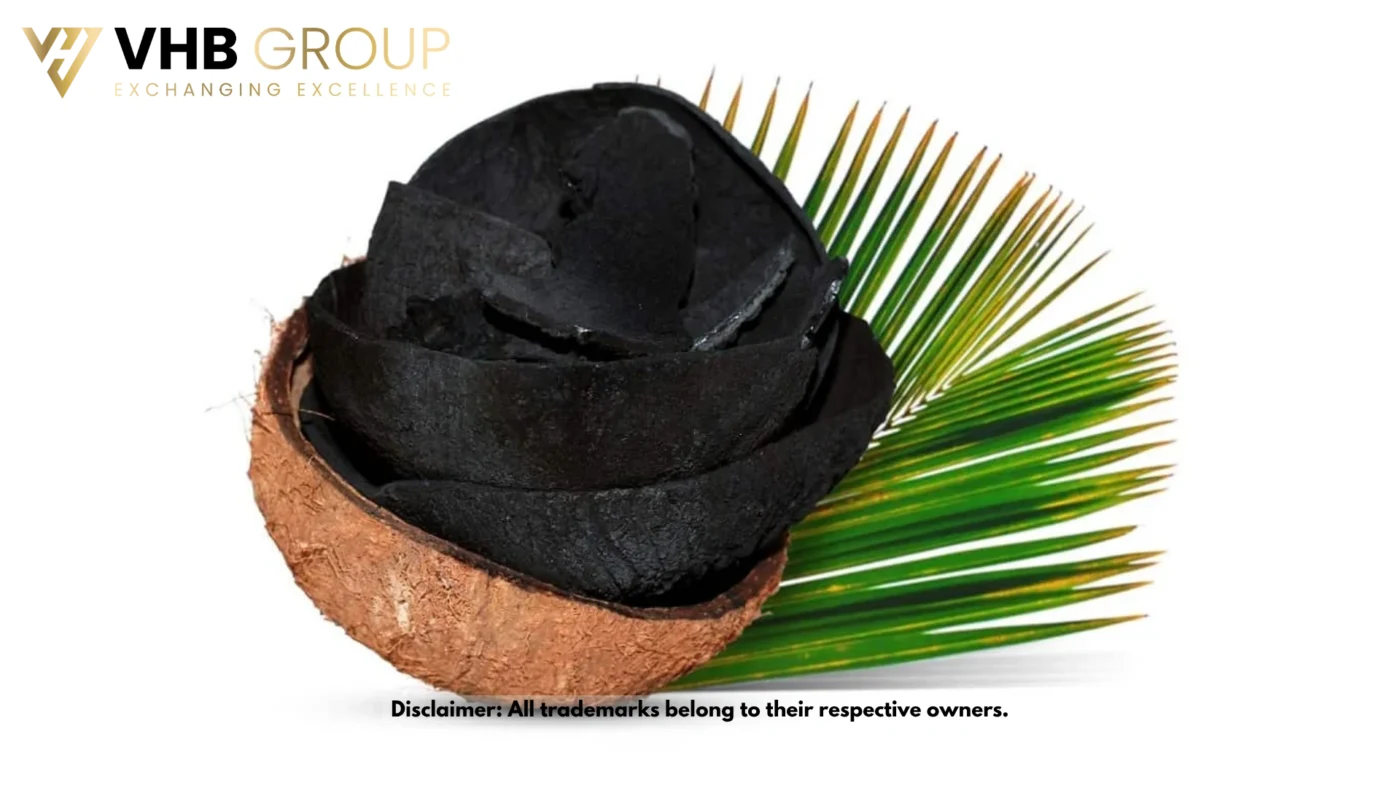
Tracing the exact Coconut Shell Charcoal Sourcing Origin Specs is a fundamental requirement for fuel importers, quality assurance directors, and international supply chain managers. Understanding exactly where the raw shells are harvested, carbonized in earthen kilns, crushed, and mechanically extruded highlights why specific tropical archipelagos command absolute dominance over the global premium biomass market. The unique combination of massive coconut agricultural infrastructure, rural carbonization networks, and advanced localized briquetting factories creates a highly traceable, premium supply chain.
For procurement executives managing bulk container shipments through wholesale networks, complete transparency regarding the origin of the harvest is crucial for passing stringent maritime safety regulations (IMDG codes) and securing consumer trust in high-end hospitality markets. This guide breaks down the agricultural and industrial supply chain that fuels the world’s most highly demanded smokeless charcoal.
Table of Contents
-
The Agricultural Core of Coconut Sourcing
-
Carbonization Kilns and Briquetting Factories
-
Tracing Regions: Indonesia, Vietnam, and the Philippines
-
Why Origin Specifications Matter for Importers in Coconut Shell Charcoal Sourcing Origin Specs
-
Conclusion

The Agricultural Core of Coconut Sourcing
When evaluating the supply chain, the journey involves massive, sun-drenched agricultural belts across Southeast Asia, primarily centered in the immense archipelagos of Indonesia and the Philippines, as well as the Mekong Delta in Vietnam. Unlike hardwood charcoal which requires deforestation, the coconut charcoal supply chain is a masterpiece of agricultural waste recovery.
View Coconut Plantation Harvesting Reference on Wikimedia Commons
Waste-to-Wealth Agricultural Networks
The global market prioritizes charcoal sourced explicitly from massive copra (dried coconut meat), desiccated coconut, and coconut water industries. By sourcing directly from these highly productive regional farming collectives (such as those in Sulawesi, Indonesia or Ben Tre, Vietnam), briquette manufacturers are guaranteed an endless, sustainable supply of raw endocarp (shells) that would otherwise be discarded or left to rot.
Carbonization Kilns and Briquetting Factories
The raw shells only form the first step; the decentralized rural burning and the highly centralized, high-tech briquetting forms the critical second half of the journey.
View Charcoal Kiln Processing Reference on Wikimedia Commons
Rural Kilns to High-Tech Extruders
The heart of premium export production takes place in two stages. First, rural farmers collect the shells and burn them in localized brick or earthen kilns under oxygen-restricted conditions (pyrolysis) to create raw shell charcoal. This raw material is then transported to highly sanitized, industrial briquetting factories located near major global export ports like Semarang or Surabaya. It is here that the raw charcoal is aggressively crushed, sifted to remove ash and sand, mixed with tapioca starch and water, and fed into massive mechanical extruders or stamping presses. The wet briquettes are then loaded into massive industrial drying ovens for up to 48 hours to lock the moisture below 5%. After cooling, they are packed into boxes and loaded onto pallets for global export.

Tracing Regions: Indonesia, Vietnam, and the Philippines
While coconuts are grown globally, the premium briquetted export commodity is sourced through highly specialized, cost-effective regional supply chains.
| Sourcing Region | Primary Geography | Agricultural and Export Characteristics |
| Indonesia | Sulawesi, Java, Sumatra | The undisputed global king of premium shisha charcoal. Massive agricultural volume, world-class briquetting expertise, and hyper-competitive pricing out of Java ports. |
| Vietnam | Ben Tre (Mekong Delta) | Rapidly expanding production. Highly competitive FOB pricing, massive exporter of both shisha and large hexagonal BBQ logs to the Middle East and Korea. |
| Philippines | Mindanao, Quezon | Massive raw coconut producer. Historically exported raw lump shell charcoal, but rapidly expanding domestic briquetting capabilities for the premium market. |
| India / Sri Lanka | Southern Hubs | Strong producers within the region, focusing heavily on activated carbon precursor materials and domestic heating markets. |
Why Origin Specifications Matter for Importers in Coconut Shell Charcoal Sourcing Origin Specs
For B2B buyers, understanding the Coconut Shell Charcoal Sourcing Origin Specs and logistical path is an absolute operational requirement for passing international maritime border control and meeting the extreme performance targets of modern hospitality venues.
When clearing international ocean freight, importers must provide verified Certificates of Origin (COO) and, most importantly, the Self-Heating Test (SHT) / Vanning Certificate. Knowing that the product is processed in globally audited, experienced factories in Indonesia or Vietnam entirely eliminates the risk of maritime disasters (spontaneous combustion) or cargo rejection by major shipping lines. Sourcing specifically from optimized Southeast Asian hubs guarantees that the charcoal has been properly baked to remove moisture and volatile gases, ensuring a perfect, odorless, and smokeless burn in the destination market.

Conclusion
Total visibility into the origin of your agricultural supply chain empowers commodity distributors with absolute confidence in the quality, safety, and performance of their imported biomass fuel inventory. By combining sustainable waste recovery with meticulous rural carbonization and precision industrial extrusion technology out of Southeast Asia, the supply chain delivers a perfectly standardized, aesthetically perfect product built for global premium export. For international procurement teams aiming to leverage this highly lucrative supply chain, partner with an established agricultural export consolidator today to secure your wholesale shipments.
Coconut Shell Charcoal Origin Specs FAQ
Disclaimer: Unless otherwise stated, the images used in this article are the property of their respective owners. We do not claim ownership of any third-party images featured, and they are used here strictly for informational and educational purposes. If you are the copyright holder and wish to have an image removed, please contact us.