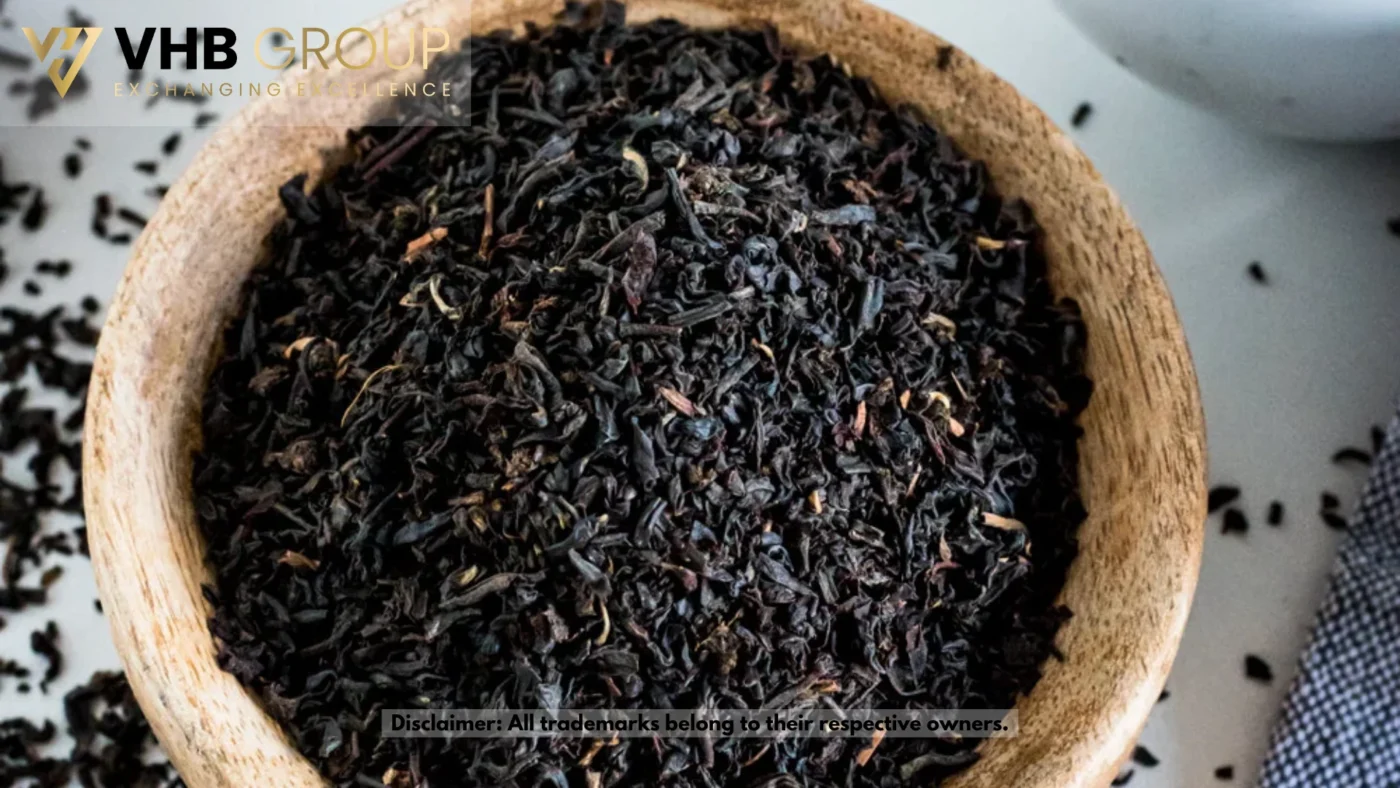
Understanding the exact Black Tea Leaves Flavor Profile & Color Facts is absolutely essential for commercial RTD (Ready-To-Drink) bottlers, international tea blenders, and hospitality buyers who want to comprehend why this specific botanical variant dictates the global mass-market beverage economy. Unlike green tea which retains its original vegetal state, black tea leaves are meticulously processed through intense bruising and full oxidation, transforming their chemical structure to produce a highly concentrated, robust, and tannin-rich matrix that serves as the economic backbone of high-end breakfast teas, Chai blends, and iced beverages.
For international procurement teams and supply chain managers looking to capitalize on this immense global demand, reviewing the operational logistics of the wholesale supply chain is the mandatory next strategic step. However, before investing in bulk container loads, buyers must fully understand the physical, chemical, and sensory components that make this specific grade the most heavily utilized premium leaf across commercial and retail sectors.
Table of Contents
-
Core Botanical Profile and Camellia sinensis
-
The Oxidation Process: Theaflavins and Thearubigins
-
Sensory Profile: Essential Black Tea Leaves Flavor Profile & Color Facts
-
Chemical Breakdown and Brewing Synergy
-
Conclusion
Core Botanical Profile and Camellia sinensis
When analyzing the massive commercial success of this globally traded commodity, the primary differentiator lies in the precise botanical structure and aggressive processing of the Camellia sinensis plant (specifically the broad-leaf assamica varietal, which is heavily favored for black tea).
View Black Tea Leaves Close-Up Reference on Wikimedia Commons
All true tea derives from the exact same plant species. The profound distinction of black tea lies entirely in its processing. Because the leaves are plucked and then intentionally subjected to cellular damage (rolling or CTC crushing), the plant’s natural polyphenols are aggressively exposed to oxygen. This deliberate oxidation process completely alters the chemical makeup of the leaf, changing its color from bright green to dark brown or black, and shifting its flavor from grassy and light to deeply robust, malty, and brisk.
The Oxidation Process: Theaflavins and Thearubigins
A critical element within the botanical profile is the crop’s unique requirement for precision oxidation (often historically referred to as “fermentation”) to achieve its signature color and strength.
View Processed Tea Production Reference on Wikimedia Commons
Immediately after harvesting and withering (drying), the leaves are rolled. This ruptures the cell walls, allowing polyphenol oxidase enzymes to mix with the leaf’s catechins and oxygen in a climate-controlled room. During this massive chemical reaction, the simple catechins bind together to form complex flavonoids: Theaflavins and Thearubigins.
Theaflavins are responsible for the brisk, sharp “bite” (astringency) and the bright, golden-red hue of the brewed liquor. Thearubigins provide the deep, rich brown color, the heavy “body” or mouthfeel, and the complex, malty depth of the tea. The factory master must halt this process at the exact right moment by baking the leaves in an oven; if left too long, the tea becomes dull and flat.
Sensory Profile: Essential Black Tea Leaves Flavor Profile & Color Facts
The most distinctive physical characteristic of the tea upon brewing is its deep amber, ruby, or dark brown liquor, followed by a steady, complex, and highly robust aromatic bouquet.
Balancing Malt, Astringency, and Body
The Black Tea Leaves Flavor Profile & Color Facts matrix is heavily characterized by its robust brewing requirements. Unlike delicate green teas, black tea is incredibly sturdy and requires boiling water (100°C / 212°F) to fully extract its complex heavy molecules. When brewed correctly, the high levels of tannins provide a sharp, brisk astringency that cleanses the palate. The specific terroir dictates the flavor: Assam teas offer a deep, malty, and heavy body perfect for milk; Darjeeling teas (the “Champagne of Teas”) offer a lighter, muscatel (grape-like) fruitiness; and Ceylon teas offer a bright, citrusy, and crisp profile ideal for iced tea.
Chemical Breakdown and Brewing Synergy
To fully grasp the commercial appeal, hospitality facilities and RTD bottlers must analyze the macro-chemical profile. The dried leaf is carefully calibrated by nature and the factory ovens for optimal biological delivery and flavor.
| Chemical Component | Function in the Brewing Application | Sensory Profile & Effect |
| Theaflavins | Complex flavonoids formed during oxidation. | Provides the bright red/golden color and sharp, brisk “bite” of the tea. |
| Thearubigins | Large complex polymers formed during oxidation. | Dictates the deep brown color, heavy body, and malty flavor profile. |
| Caffeine | Provides the functional energy boost. | Released steadily, providing sustained alertness favored in breakfast blends. |
| Tannins | Astringent polyphenolic compounds. | Provides the dry mouthfeel; binds perfectly with dairy proteins (milk/cream) to smooth the flavor. |
Conclusion
Mastering the foundational botanical and chemical facts is the definitive key to understanding its unstoppable global commercial velocity in mass-market beverages. From the careful management of natural catechins to the precision mechanics of controlled oxidation and temperature-calibrated brewing, every single element of the black tea leaf is designed to deliver a highly functional, perfectly robust, and deeply satisfying experience. For international distributors and commercial bottlers, stocking this authentic agricultural product guarantees access to a highly liquid, highly profitable supply chain. Contact your preferred procurement partner today to secure your wholesale agricultural allocation.
Black Tea Leaves Flavor Profile & Color FAQ
Disclaimer: Unless otherwise stated, the images used in this article are the property of their respective owners. We do not claim ownership of any third-party images featured, and they are used here strictly for informational and educational purposes. If you are the copyright holder and wish to have an image removed, please contact us.